F1 2024 Mid-Season Highlights: Haas’s Cultural Revolution and RB’s Ambitious Transformation
The 2024 Formula 1 season continues to unfold with compelling narratives, both on and off the track. As teams gear up for the crucial second half, key figures like Haas team principal Ayao Komatsu and RB driver Daniel Ricciardo are sharing their insights on significant internal shifts. This extensive review delves into the profound cultural changes fostering success at Haas, RB’s assertive move towards becoming a top-tier contender, and other captivating stories from the motorsport world. We offer a comprehensive look at the evolving landscape of F1 and beyond, exploring team dynamics, driver perspectives, and strategic developments shaping the sport.
F1 Team Dynamics: Culture, Evolution, and Performance
Komatsu Praises Haas F1’s Transformative Culture Change
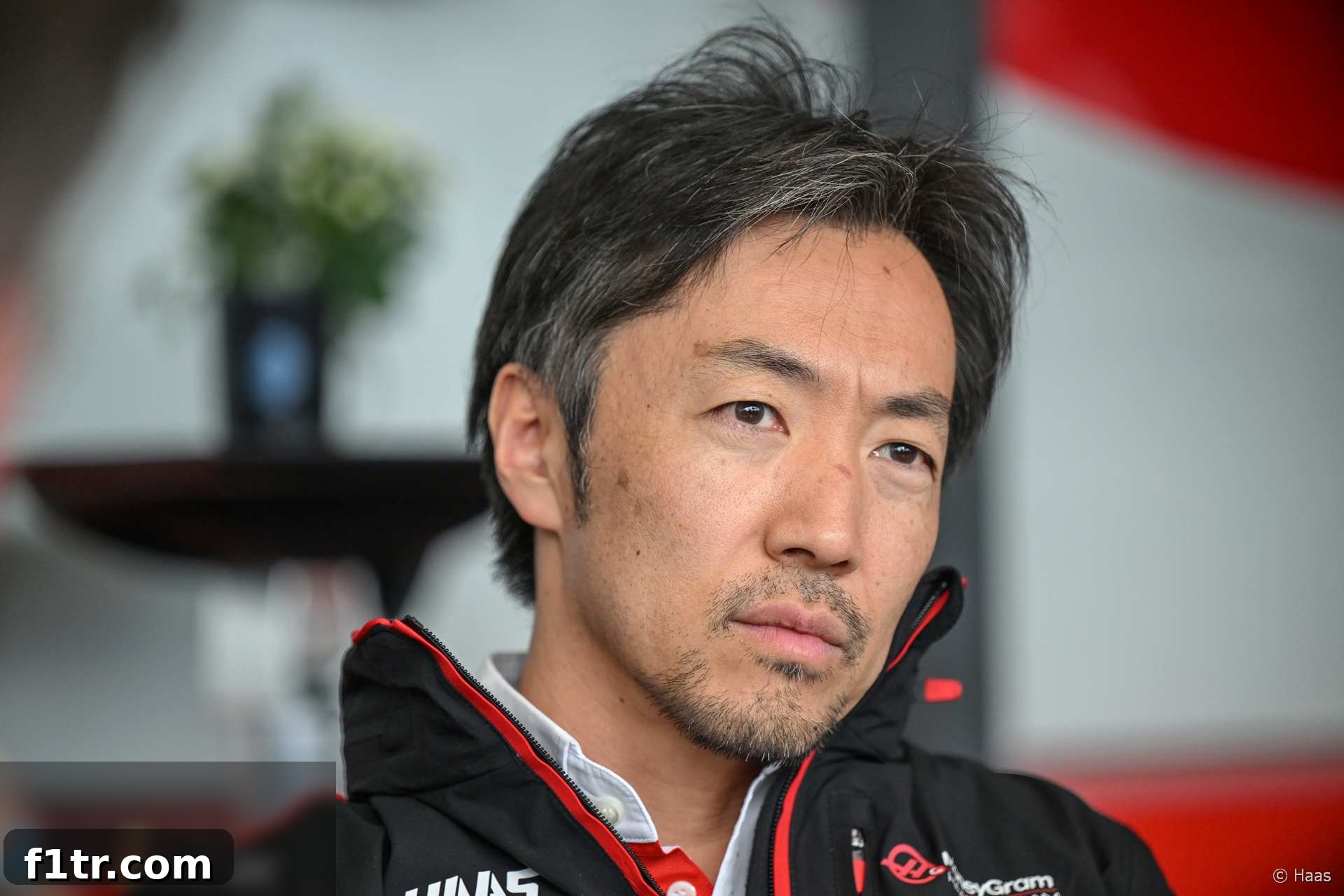
Haas F1 has made headlines in the first half of the 2024 season, not just for accumulating more than double the points compared to their entire tally last year, but for a far more fundamental reason. Team Principal Ayao Komatsu expresses immense satisfaction with the deep-seated cultural transformation he has spearheaded within the team. This profound shift, he believes, is the true indicator of their progress and a more reliable predictor of future success than mere statistical achievements.
In a candid video shared on the team’s official YouTube channel, Komatsu elaborated on his philosophy. He emphasized that while points are a welcome outcome, they often depend on the performance of other competitors and external factors beyond a team’s direct influence. His unwavering focus, however, remains steadfastly on elements within Haas F1’s direct control. “It’s not just the number of points, because obviously the points and the sporting results, you have to rely on the other people’s performance,” Komatsu explained. “So I always focus on what we can control, which is just us as Haas F1 team – how are we going to improve the team? How are we going to improve our performance? How will we improve the way we go about racing?”
This internal focus has led to a palpable change in how the team operates, creating an environment of enhanced collaboration and shared purpose. Komatsu highlighted that the 27 points scored are indeed a significant improvement – a testament to their collective efforts and a clear marker of progress compared to previous seasons. However, he stated that the most encouraging aspect, surpassing even the points tally, is the newfound cohesion and collaborative spirit. “So yes, 27 points is great – it’s more than we ever had last year – but more than that, I think the very encouraging thing is how we are working together as a team. Honestly, we’ve started to work like a team now. Which wasn’t the case up until the end of last year.”
This sentiment suggests a significant departure from previous internal dynamics, hinting at a more unified and purpose-driven approach under Komatsu’s leadership. For him, this cultural overhaul is not merely a soft skill but a strategic imperative. It lays the essential foundation for sustainable growth and performance enhancement, positioning Haas F1 to tackle complex challenges more effectively and capitalize on every opportunity presented in the highly competitive world of Formula 1. “So for me, that’s the biggest positive and for sure that’s the good sign that we are going in the right direction,” he concluded, underscoring the long-term vision behind these crucial changes.
The implications of this cultural shift are far-reaching for any F1 team. A team that genuinely works together fosters better communication channels, enables quicker problem-solving, and cultivates a more resilient mindset capable of overcoming adversity. For a smaller outfit like Haas, maximizing every resource and every individual’s potential is absolutely crucial. Komatsu’s emphasis on controllable internal factors signals a mature and insightful leadership approach, prioritizing foundational strength and organizational health over merely chasing fleeting results. This renewed sense of collective purpose and streamlined operations could well be the secret ingredient that propels Haas F1 to greater heights and sustained success in the demanding echelons of Formula 1.
Daniel Ricciardo on RB’s “Big Boy” Decisions and Senior Team Status
The transformation of AlphaTauri into RB for the 2024 season was far more than just a simple rebrand; it signaled a strategic intent to evolve from a junior development team into a more formidable, senior-level contender within the broader Red Bull family. Veteran driver Daniel Ricciardo attests to this significant shift, noting that the team’s actions are now genuinely aligning with its ambitious new identity. He feels a distinct difference in the atmosphere and, crucially, in the decision-making processes, which he candidly describes as “big boy decisions.”
“It does feel different,” Ricciardo observed, acknowledging that a name change alone isn’t enough to signify true change. “I think it’s easy to kind of rebrand it and say ‘we’ve got a new look’ and with this and that, but your actions have to follow.” This statement highlights the critical importance of substance over mere aesthetics in Formula 1. The team’s commitment to genuine, deep-seated change, backed by concrete and tangible actions, is what truly defines its ongoing evolution and ambition.
Ricciardo elaborated on what these “big boy decisions” entail. He emphasized that RB is now “taking risks and we’re setting targets and high targets and ones that we realistically think that we can attain.” This reflects a distinctly more assertive, confident, and perhaps even aggressive approach to development, race strategy, and overall operations. Moving beyond the historical role of merely developing young drivers for Red Bull Racing, RB is now actively pursuing its own ambitious goals, indicative of a team striving for independent success and a much stronger, more competitive presence on the Formula 1 grid.
For a driver of Ricciardo’s extensive experience, particularly at 35 years old, this shift in team identity and operational philosophy is especially significant. He candidly admitted, “I’m probably too, in a way, honest in myself that if it felt like a junior team still, I wouldn’t feel comfortable here. I’m 35 now, so I think I would feel a bit out of place.” His expressed comfort and evident enthusiasm within the RB team speak volumes about the sincerity and effectiveness of the transformation. The current environment at RB now genuinely fosters a sense of being part of a team with serious aspirations, rather than merely a temporary stepping stone for talent development.
Ricciardo’s perspective thus offers valuable external validation of RB’s concerted efforts. The psychological impact of being perceived and, more importantly, operating as a “senior” team can significantly boost internal morale, attract even more top-tier talent, and foster a powerful, winning mentality throughout the organization. It suggests that RB is not just looking to survive but to thrive, consistently challenging its limits and aiming for sustained improvements in performance. This newfound maturity and ambition, emphatically endorsed by an experienced and respected driver like Daniel Ricciardo, signal exciting and potentially game-changing times ahead for the newly rebranded outfit in Formula 1.
Further Reading: Insights from Across the Motorsport World
Beyond the immediate paddock news, the world of motorsport is rich with compelling stories and technical analyses. Here’s a curated selection of fascinating articles and videos offering deeper dives into driver psychology, meticulous team operations, and the intricate nuances of racing that captivate fans globally.
The Life Goals and Lessons of Charles Leclerc (Gentleman’s Journal)
Ferrari sensation Charles Leclerc opens up about the pivotal moment he learned he would be joining the Scuderia. His candid account details a rollercoaster of emotions, from an initial, crushing disappointment cleverly orchestrated by Maurizio Arrivabene, to overwhelming joy upon the reveal, all while navigating the complexities of public announcements and private feelings. This revealing interview offers a rare glimpse into the intense pressure and profound emotional experiences faced by F1 drivers as they navigate career-defining decisions, showcasing his remarkable journey from a promising talent to a revered Ferrari star. The humorous and nerve-wracking anecdote about Arrivabene’s playful deception highlights the very human side of professional racing, a world often perceived as strictly mechanical and strategic, reminding us that even champions experience vulnerability and elation.
The Seven-Step Guide to Keeping an F1 Race Team Fit and Healthy (Aston Martin)
An F1 pit stop crew operates with unparalleled precision, executing intricate maneuvers in mere seconds. This extraordinary feat demands not just skill and coordination, but also peak physical condition. Aston Martin’s insightful guide emphasizes the critical role of comprehensive fitness regimes in preventing injuries and maintaining optimal performance during the intense pressure of a race weekend. The article vividly illustrates how even a seemingly minor tweak, such as a back injury sustained from an insufficient warm-up, can sideline a key team member and severely disrupt the delicate synchronicity of a pit crew. Such an incident necessitates finding a replacement, impacting the entire unit’s cohesion and potentially costing precious tenths of a second when it matters most – unequivocally highlighting that success in F1 extends far beyond just the drivers and engineers, permeating every aspect of team health and readiness.
Andretti Global Trio Dominates IndyCar Testing at WWTR (Racer)
In the vibrant and competitive world of IndyCar, the Andretti Global team recently showcased their formidable strength and promising pace during a crucial testing session at World Wide Technology Raceway (WWTR), which is the eagerly anticipated venue for the upcoming IndyCar Series race. The powerful trio of Colton Herta, Kyle Kirkwood, and Marcus Ericsson emphatically claimed the top three positions in the five-team, nine-car test session. This truly dominant performance not only signals their profound readiness for the next race but also underscores the team’s engineering prowess, strategic acumen, and exceptional driver talent, collectively setting a very high benchmark for their competitors as they head into a pivotal and challenging part of the season. Their collective display of speed and consistency has certainly turned heads across the paddock.
The Garage Episode 3: Track Surfaces (RB Via YouTube)
In their enlightening “The Garage” series, RB provides a comprehensive and accessible look at the diverse nature of track surfaces in Formula 1. This meticulously produced episode explains in detail how different track characteristics – ranging from abrasive asphalt that rapidly degrades tires to smoother, less grippy surfaces, or those specifically designed for rapid water drainage – profoundly influence car setup and crucial tire strategy. Understanding these myriad variations is absolutely critical for engineers and drivers alike, as each surface type presents unique challenges and corresponding opportunities. These factors directly impact tire wear, aerodynamic performance, and ultimately, overall race pace. It’s a fundamental aspect of F1 that often goes unnoticed by casual viewers but is meticulously studied and optimized by teams seeking every competitive advantage.
We always endeavour to credit original sources. Got a tip for a link relating to single-seater motorsport? Please send it to us via the contact form.
Social Media Pulse: F1 Takes a Well-Deserved Summer Break
As the Formula 1 season enters its traditional summer shutdown, a much-needed respite from the relentless calendar, teams and drivers have taken to social media to share their “out of office” messages. These posts mark a brief but well-deserved pause from the intense competition and global travel. Here’s a glimpse of what’s been buzzing on X (formerly Twitter) and other platforms, showcasing teams’ eagerness for a break and a driver’s unique helmet design:
OOO on 💻 Admin out ✌️ pic.twitter.com/o0yrAe0dt8
— Mercedes-AMG PETRONAS F1 Team (@MercedesAMGF1) August 2, 2024
Doors locked ✅ Summer break activated… 😎☀️#HaasF1 #F1 pic.twitter.com/EPOWDwpQoq
— MoneyGram Haas F1 Team (@HaasF1Team) August 2, 2024
Out of office 🔛
The @F1 Summer Break is here ☀️ pic.twitter.com/pB8MsiT2DM
— Williams Racing (@WilliamsRacing) August 2, 2024
Singapore special designed with Monsoon Valley coming together nicely✌️ Thank you everyone who voted for the Naga. Full helmet design revealed soon! @monsoonvalleyth @Gongkan_GK pic.twitter.com/6ziMetfQ7K
— Alex Albon (@alex_albon) August 2, 2024
- Find more official F1 accounts to follow in the F1 Twitter Directory
Fan Perspective: Lando Norris’s Self-Criticism Under Scrutiny
Following Lando Norris’s recent admission that he has made “too many mistakes” in recent Formula 1 rounds, the discussion among fans has ignited, with many offering insights into the immense mental pressures faced by drivers competing at the pinnacle of motorsport. Our ‘Comment of the Day’ comes from RBAlonso, who advocates for a more lenient and understanding view of the McLaren driver’s recent struggles, astutely contextualizing them within the broader history of F1 champions and their own learning curves.
“I think Norris is a little hard on himself – he’s made mistakes, but this is a new environment for him and the team. Ultimately, I think we’ve been spoiled by Lewis Hamilton and Max Verstappen’s quality. Charles Leclerc made fewer but more consequential errors in 2022, Sebastian Vettel was appalling in 2018 – his title year in 2010 was untidy too. Fernando Alonso’s 2007 had plenty of errors, Mika Hakkinen had a messy 1999, etc, etc…”
“Other than the all-time greats, and even including them, many drivers have made mistakes graduating from ‘strong midfielder’ to ‘championship challenger’. Mistakes happen to humans competing on the edge, even if you’ve won multiple titles – he needs to accept that and move on. For me it seems like fear of mistakes is causing mistakes, for example the caution at the starts is costing him more than ever. He should use this summer break to better understand his weaknesses, one of which is telling the media about every error whether it’s obvious or not.”
— RBAlonso
RBAlonso’s thoughtful commentary highlights a crucial and often overlooked aspect of elite-level competition: the challenging transition from a highly capable and promising driver to a consistent championship contender often involves a significant learning curve punctuated by inevitable errors. While Norris’s self-critical nature is undoubtedly a sign of his deep dedication and relentless desire for perfection, it also underscores the immense pressure F1 drivers face, particularly when battling at the very front of the grid for victories and titles. The compelling comparison to other legendary drivers who experienced similar phases of self-doubt, public scrutiny, and occasional missteps serves as a valuable reminder that perfection is rarely instantaneous, even for the most talented and celebrated athletes in the sport.
The suggestion that “fear of mistakes is causing mistakes” is a profound psychological observation that resonates deeply within competitive sports. Overthinking, excessive caution, or a heightened sense of self-consciousness, especially at critical moments like race starts or during intense wheel-to-wheel battles, can paradoxically lead to sub-optimal performance and genuine errors. The summer break, as RBAlonso points out, presents an invaluable opportunity for introspection, mental reset, and strategic recalibration away from the immediate glare of competition. For Norris, understanding how to channel his acute self-awareness constructively, rather than letting it become a source of anxiety or an impediment to his natural speed and aggression, will be absolutely key to unlocking his full potential and consistently challenging for wins and, ultimately, world championships in Formula 1.
Celebrating Milestones
A very happy birthday to Soren Kaae!
On This Day in Motorsport History
- On this day in 1969, the legendary Nurburgring Nordschleife expert, Jacky Ickx, secured a commanding victory at the German Grand Prix. Driving with exceptional skill and courage, Ickx finished an impressive almost a minute ahead of the formidable Jackie Stewart, a true demonstration of his mastery over one of motorsport’s most challenging and unforgiving circuits. Bruce McLaren and Graham Hill were the only other drivers to complete the demanding race, a stark testament to the brutal demands of the Nordschleife and the rugged machinery of that era.