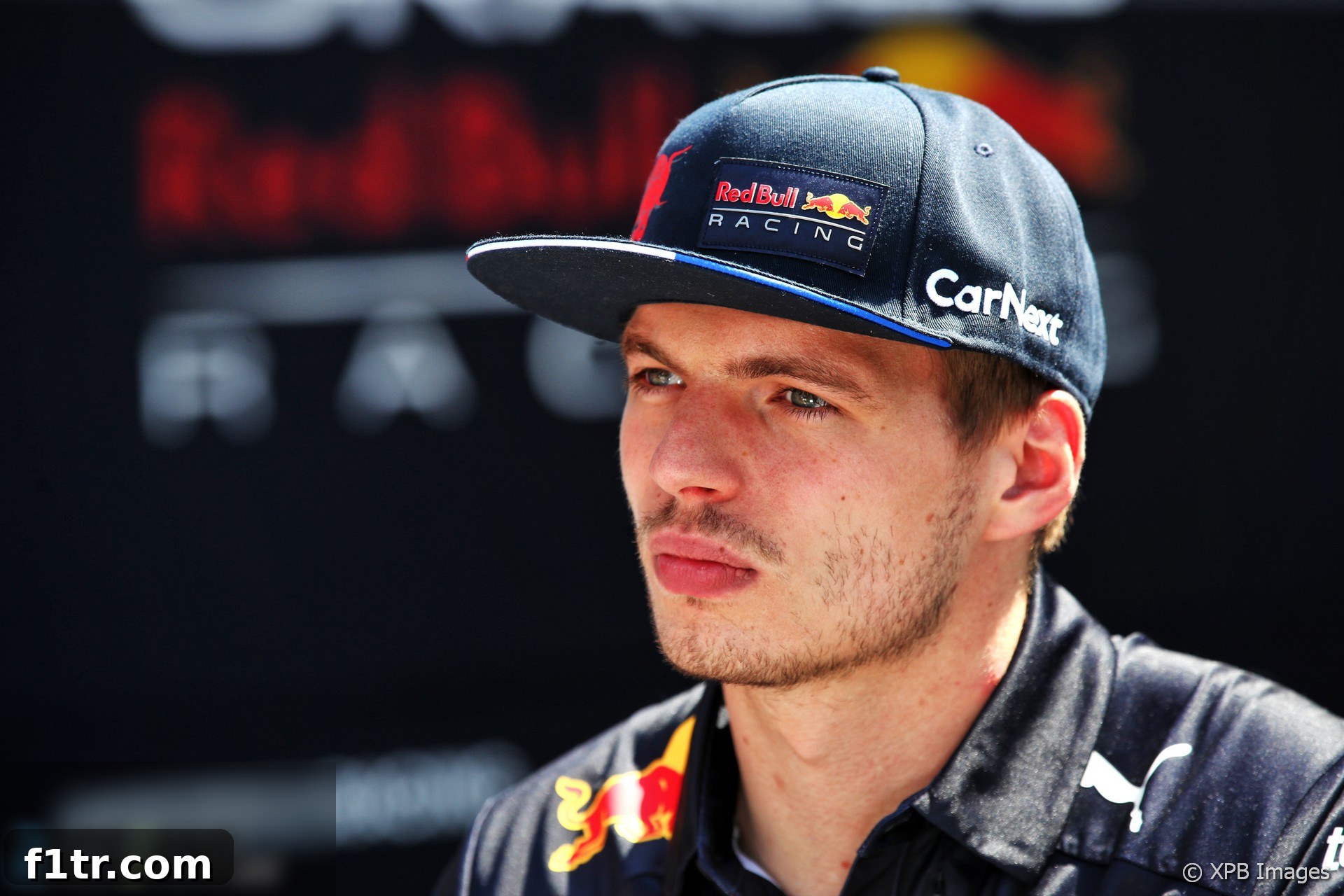
The Controversy of Capping F1 Driver Salaries: Why Verstappen and Norris Say It’s ‘Completely Wrong’
The exhilarating world of Formula 1 has seen an unprecedented surge in popularity in recent years, drawing in millions of new fans globally. As the sport’s commercial success skyrockets, discussions around its financial structures inevitably emerge. One particular debate stirring significant controversy among drivers and fans alike is the potential introduction of a cap on Formula 1 drivers’ salaries. While teams currently operate under a stringent budget cap implemented last year, this regulation notably excludes what they pay their star drivers and certain other high-level personnel. Reigning world champion Max Verstappen and McLaren’s Lando Norris have been vocal opponents of such a proposal, both asserting that capping driver earnings would be a “completely wrong” move with far-reaching negative consequences for the sport.
Max Verstappen’s Resounding Rejection of a Salary Cap
Max Verstappen, widely regarded as one of Formula 1’s highest earners, has articulated a robust argument against the proposed salary cap. His stance is rooted in the belief that limiting drivers’ income would be fundamentally unfair, especially given the sport’s exponential growth and the unique role drivers play in its success and appeal. Verstappen highlights the undeniable fact that F1’s increasing popularity translates into greater revenue for all stakeholders – teams, sponsors, promoters, and the sport itself.
“It’s completely wrong because I think at the moment F1 is becoming more and more popular and everyone is making more and more money, including the teams and everyone is benefiting,” Verstappen stated emphatically. He questions the logic behind capping the very individuals who are central to the spectacle. “So why should the drivers – with their IP rights and everything – be capped, who actually bring the show and put their lives at risk? Because we do, eventually. So for me, it’s completely wrong.”
Verstappen’s argument is multi-faceted. Firstly, he underscores the inherent danger associated with professional motorsport. F1 drivers routinely push the limits of human endurance and technological capability at speeds exceeding 200 mph, where even a minor error can have catastrophic consequences. This constant exposure to risk, he argues, justifies their premium earnings, which act as a form of compensation for the exceptional demands and hazards of their profession. Beyond the physical peril, the mental fortitude, relentless training, and immense pressure associated with competing at the pinnacle of motorsport are factors often overlooked but equally demanding.
Secondly, Verstappen emphasizes the significance of drivers’ Intellectual Property (IP) rights. Drivers are not merely employees; they are global brands in their own right. Their image, name, and persona are integral to Formula 1’s marketing and commercial appeal. From merchandise sales and sponsorship deals to media appearances and fan engagement, drivers generate substantial value for the sport and its partners. Capping their salaries would, in his view, undervalue this crucial contribution and potentially diminish their incentive to further build their personal brands, which in turn benefit the entire F1 ecosystem.
The Critical Impact on Junior Categories and Future Talent
Perhaps one of Verstappen’s most compelling points concerns the long-term health of motorsport’s talent pipeline. The path to Formula 1 is notoriously arduous and incredibly expensive, requiring significant financial backing from a very young age. Many aspiring drivers rely on sponsors or private investors who inject capital into their careers through junior categories like karting, Formula 4, Formula 3, and Formula 2. These backers often invest with the expectation of a return, typically a percentage of the driver’s future earnings if they make it to F1.
The world champion meticulously explained this intricate financial ecosystem: “In all the junior categories, if you see how many of those drivers have a sponsor or a backer who will eventually have a certain percentage of their income in Formula 1 or whatever, I think it’s going to limit that a lot because they will never get their return in money if you get a cap. So it will hurt all the junior categories as well and I don’t think you would want that.”
A salary cap would severely diminish the potential return on investment for these crucial sponsors and investors. If a driver’s maximum earnings are limited, the financial incentive for an investor to take a risk on an unproven young talent effectively disappears. This could create an insurmountable barrier for many promising drivers who lack personal wealth, thereby limiting access to the sport to only the super-rich. Such a scenario would not only undermine the meritocratic principles that F1 champions but also deprive the sport of diverse talent, ultimately weakening its future competitive landscape and global appeal.
Lando Norris Echoes Concerns: Investment in Young Drivers is Key
McLaren driver Lando Norris wholeheartedly concurs with Verstappen’s assessment, particularly emphasizing the detrimental effect a salary cap would have on the development of young racing talent. Norris, himself a product of the demanding junior series, understands the financial hurdles intimately.
“I’ve not had to think about it probably as much as him, but I think what he said is correct,” Norris affirmed, highlighting his agreement. “Especially with the investment part into young drivers. It’s difficult enough to get into Formula 1 at all. So as soon as you have the backing, when you have an investor as a driver, they obviously want their money back at some point. And you’re going to have to do that.”
Norris reiterates the point that securing an investor is already a Herculean task in the cutthroat world of junior motorsport. These investors aren’t merely benefactors; they are business partners who expect a return on their considerable financial outlay. If a salary cap limits a driver’s potential earnings, it makes the entire proposition significantly less attractive for potential backers. “If it gets capped and so on it’s much harder and will interest people much less to ever invest in young drivers and invest into people having chances to get to Formula 1 in the first place,” he explained. “So I think that’s one of the main points.”
Both drivers paint a clear picture: the current financial ecosystem, while challenging, allows for a pathway to F1 through external investment. Disrupting this by capping salaries threatens to dismantle this pathway, making an already exclusive sport even more so and potentially stifling the emergence of future stars.
Broader Implications for Formula 1’s Future
The debate over driver salary caps extends beyond individual earnings and the junior categories; it touches upon fundamental principles of fairness, market dynamics, and the sport’s overall health. Unlike team budgets, which aim to level the playing field between constructors, driver salaries are a direct reflection of a unique skillset, marketability, and the value brought by exceptional talent.
Fairness and Meritocracy
If Formula 1 aims to be a meritocracy, then the earnings of its most critical assets – the drivers – should reflect their skill, risk, and impact. Capping their income while other high-ranking personnel within teams, or even team principals and engineers, remain uncapped, could be seen as an arbitrary and unfair restriction on those who are literally putting their lives on the line and driving the core entertainment value of the sport. It challenges the principle that the highest-performing individuals in a highly competitive, global industry should be compensated commensurately with their value.
Market Dynamics and Talent Retention
Formula 1 operates in a global marketplace for talent. Top drivers are not just vying for seats in F1; they are global athletes who could potentially pursue opportunities in other lucrative racing series or even other sports if F1’s financial incentives diminish. While the allure of F1 is undeniably strong, an artificial cap on earnings could, over time, lead to a ‘talent drain’ where exceptional individuals might feel undervalued or seek better financial prospects elsewhere. This could ultimately dilute the quality and intensity of competition, which is a major draw for fans.
The Driver as a Brand Asset
Modern F1 drivers are more than just athletes; they are powerful brand ambassadors for their teams, sponsors, and the sport itself. Their social media presence, personal endorsements, and public appeal contribute significantly to F1’s commercial viability. By limiting their earning potential, there’s a risk of disincentivizing drivers from actively building and leveraging their personal brands, thereby diminishing an important revenue stream and fan engagement tool for the sport as a whole. The global superstars of F1, like Verstappen and Norris, attract immense media attention and sponsorships that directly benefit F1’s ecosystem.
Conclusion: A Controversial Path Forward
The arguments put forth by Max Verstappen and Lando Norris against capping F1 driver salaries are compelling and highlight a complex interplay of financial, ethical, and sporting considerations. While the intent behind a salary cap might be to foster greater equality or cost control, the potential ramifications – particularly for the vital junior categories and the incentive structure for young talent – appear to outweigh the perceived benefits. F1’s current trajectory of surging popularity and commercial success is inextricably linked to the star power, dedication, and inherent risk undertaken by its drivers.
To implement a measure that could undermine the very foundations of talent development, deter crucial investment, and undervalue the unique contribution of its central figures, would indeed be, as Verstappen concludes, “completely wrong.” The ongoing debate underscores the need for careful consideration to ensure any financial regulations serve to strengthen, rather than inadvertently weaken, the future of Formula 1.
Related F1 Insights and Discussions
- FIA should black-flag cars if their porpoising endangers drivers’ safety – Horner
- Transcript: Why Norris reluctantly complied with McLaren’s Baku team orders
- Montreal is “going to hurt” in stiff 2022 cars say drivers hoping for bouncing fix
- Leclerc was heading to a ‘comfortable win’ before retirement – Ferrari
- F1 should penalise those who ‘obviously’ slow on purpose in qualifying – Norris
Browse more discussions from the 2022 Azerbaijan Grand Prix era