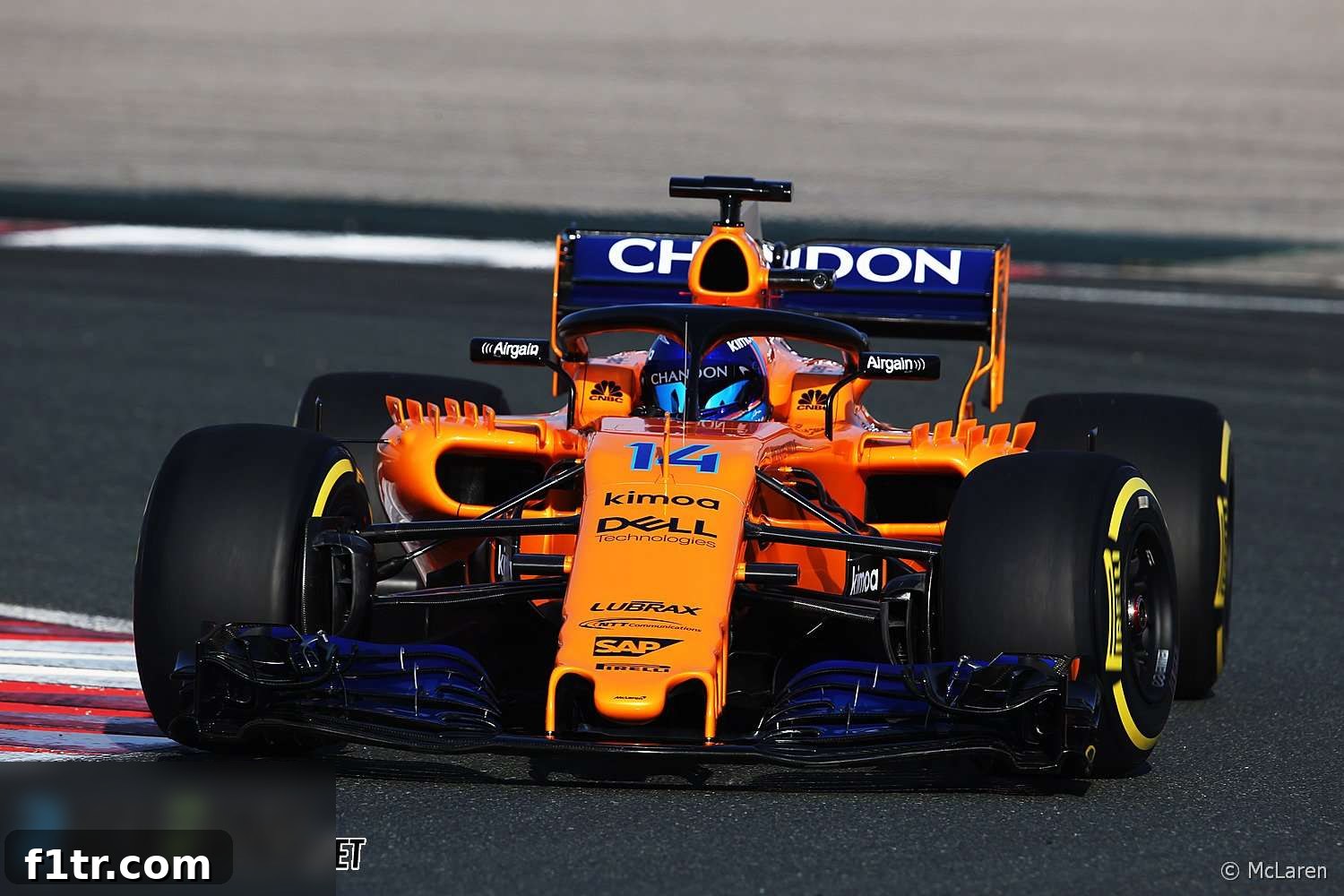
A new chapter has dawned for the legendary Woking outfit as two-time world champion Fernando Alonso has expressed profound optimism following his inaugural drive in the McLaren MCL33, the team’s first Formula 1 car to be powered by a Renault engine. After a challenging period, Alonso believes that a significant turnaround is imminent, heralding the arrival of “good times” for the team he rejoined in 2015. This eagerly anticipated moment marks a pivotal shift for McLaren, who are determined to reclaim their competitive edge in the highly demanding world of Formula 1.
The highly experienced Spanish driver completed his initial run during a crucial 100-kilometer shakedown test. This event, held at the picturesque Navarra circuit in Spain, also doubled as a filming day for the team. Alongside his teammate Stoffel Vandoorne, Alonso meticulously assessed the new challenger. These shakedown tests are vital opportunities for teams to conduct basic system checks, ensure all components are functioning as intended, and gather initial data before the more extensive pre-season testing begins. It’s also a chance for drivers to get acquainted with the car’s ergonomics, including seat fit and pedal positioning, ensuring optimal comfort and control for the demanding season ahead.
In a video released by McLaren, Alonso shared his heartfelt sentiments, reflecting on the team’s journey. “I think good times are coming,” he declared, his voice imbued with conviction. “We struggled, we kept the motivation very high, the team is stronger now than three years ago. What doesn’t kill you makes you stronger.” This statement encapsulates the resilience and unwavering spirit that has permeated the McLaren garage throughout their recent challenges. It underscores a collective belief within the team that their arduous experiences have forged a more robust and determined unit, poised to leverage the new partnership with Renault for a brighter future.
Alonso, a veteran of the sport and a two-time world champion, articulated the unique feeling of driving a brand-new Formula 1 car for the very first time. “It’s always a special moment when you drive the car for the first time,” he remarked, acknowledging the significance of this debut. The transition to Renault power represents a fresh start, moving away from a challenging engine partnership. Alonso’s initial feedback was overwhelmingly positive: “Everything feels good.” This early affirmation provides a crucial boost of confidence for the entire team, validating the immense effort and countless hours poured into the design, manufacturing, and assembly of the MCL33.
During a shakedown, the primary objective is not outright speed, but rather a methodical verification of systems and driver comfort. Alonso elaborated on this, explaining, “We’re looking forward to do a proper lap now at full speed, but so far good. We run behind some other cars and some cameras, some people with filming equipment and things like that so it’s not full speed.” The presence of filming crews and the strict 100-kilometer limit on such days mean that the car is operated at reduced speeds, primarily focusing on data acquisition and promotional content rather than performance testing. This controlled environment allows engineers to address any initial teething problems without the pressure of competitive lap times.
For the drivers, these initial runs are invaluable for establishing a symbiotic relationship with their new machine. “For us, it’s the first feel with the seat, the pedals, the comfort side of it,” Alonso explained. Ergonomics play a critical role in a driver’s ability to perform at their peak, and even minor adjustments to seat position or pedal angle can have a significant impact over the course of a race weekend. Meanwhile, the technical team scrutinizes every detail: “And for the guys as well temperature, maybe some bodywork adjustments that we need to do.” Monitoring temperatures across various components and making small aerodynamic tweaks are part of the iterative process of fine-tuning an F1 car, even at this early stage.
Beyond the technical checks, the shakedown day carries profound emotional weight for everyone involved. “The good thing about these days is the emotional part, after very intense work in the factory, everyone working very hard, very proud of the team and finally the day arrives,” Alonso shared. The roar of the engine as the car fires up for the first time on track symbolizes the culmination of months, if not years, of dedicated effort by hundreds of individuals in the factory. From designers and engineers to mechanics and strategists, each person plays a vital role in bringing a Formula 1 car to life. “The engine’s running, the car is running, we are all happy.” This shared moment of success and relief galvanizes the team, injecting fresh enthusiasm for the challenges that lie ahead in the upcoming championship season.
McLaren’s journey to this point has been marked by significant adversity, particularly during their previous partnership with Honda. The highly anticipated reunion with the Japanese engine manufacturer, which had yielded so much success in the late 1980s and early 1990s, ultimately failed to deliver the expected performance and reliability. Three seasons of underperformance, grid penalties, and frustrating retirements took a toll on the team’s morale and standing in the Constructors’ Championship. For a team with McLaren’s storied history – one of the most successful in Formula 1 with multiple championships and iconic drivers – these lean years were particularly difficult to endure. The decision to switch to Renault power for the 2018 season was therefore not taken lightly, but rather as a necessary strategic move to provide the team with a more competitive and reliable power unit, allowing them to demonstrate the true potential of their chassis.
The Renault power unit, having shown promising development in the hands of the factory Renault team and Red Bull Racing, was seen as a step up in terms of both horsepower and driveability. This switch brought renewed hope that McLaren could consistently fight for points, and perhaps even podiums, something that had become a rarity in the preceding seasons. For Fernando Alonso, renowned for his fierce competitiveness and unwavering drive, a reliable and powerful engine was paramount. His comments about “good times coming” and the team being “stronger now” reflect not just a superficial optimism, but a deep-seated belief in the potential unlocked by this new technical alliance. The entire F1 community watched with keen interest to see if this change would indeed propel McLaren back towards the front of the grid.
The 2018 Formula 1 season was set to be a crucial test for McLaren’s new direction. With Alonso and Vandoorne leading the charge, the team aimed to leverage the Renault engine’s capabilities to maximize the performance of their MCL33 chassis. The pre-season testing sessions would be critical for understanding the car’s full potential, integrating the new power unit seamlessly, and fine-tuning its aerodynamics and mechanical setup. Fans and pundits alike were eager to see if the Woking team could live up to the promise of their heritage and the significant investment made in this new partnership. The initial shakedown, while limited, offered a tantalizing glimpse of a potentially brighter future for one of Formula 1’s most iconic names. The journey was just beginning, but the mood in the McLaren camp was undeniably upbeat, fueled by the fresh start and Alonso’s infectious enthusiasm.
2018 F1 season
- F1 feared “death knell” for Drive to Survive after Ferrari and Mercedes snub
- McLaren staff told us we were “totally crazy” to take Honda engines in 2018 – Tost
- ‘It doesn’t matter if we start last’: How Red Bull’s junior team aided Honda’s leap forward
- Honda’s jet division helped F1 engineers solve power unit problem
- McLaren Racing losses rise after Honda split
Browse all 2018 F1 season articles