FIA Approves Key Formula 1 Rule Changes for Enhanced Competition and Fairness
The dynamic world of Formula 1 is perpetually evolving, with its governing body, the FIA (Fédération Internationale de l’Automobile), consistently refining the rules to ensure fairness, enhance safety, and promote a thrilling spectacle. In a pivotal meeting of the World Motor Sport Council, the FIA has ratified a series of significant amendments to both the sporting and technical regulations. These updates, which address various operational challenges and close potential loopholes, are set to influence team strategies, car design philosophies, and the overall competitive landscape of the sport. From crucial adjustments to power unit management and stringent new aerodynamic deflection tests to clearer guidelines for tyre testing, these revisions highlight the FIA’s proactive approach to maintaining the integrity and excitement of Formula 1.
Power Unit Regulations: Greater Flexibility for Reliability and Performance
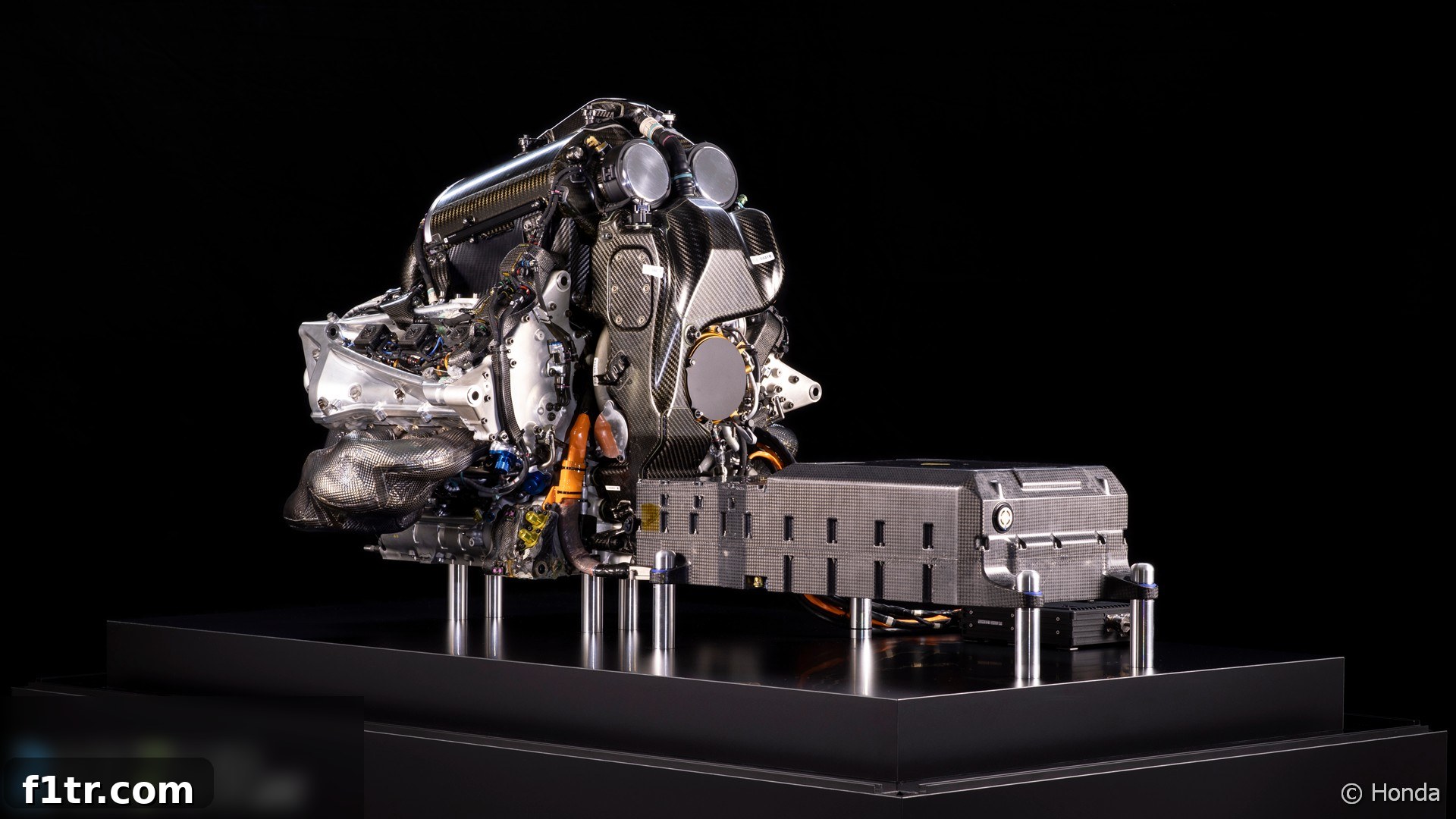
One of the most complex and critical areas of Formula 1 technology is the power unit. These highly sophisticated hybrid engines are at the heart of a car’s performance, and their rigorous management presents a continuous challenge for all ten teams. The FIA has introduced modifications aimed at offering teams enhanced operational flexibility, particularly in mitigating the impact of unexpected issues throughout a demanding race season.
Facilitating Temporary Repairs and Parc Fermé Upgrades
Under the revised regulations, teams will now be granted permission to perform temporary repairs to their power units when necessary. This crucial change could prove invaluable during a tense race weekend, potentially allowing teams to circumvent the costly and often penalty-inducing replacement of entire components. For instance, minor issues that might previously have necessitated a full power unit swap, resulting in grid penalties for the driver, could now be addressed with an approved temporary fix. This not only offers a lifeline to teams grappling with unforeseen mechanical failures but also plays a role in controlling the escalating costs associated with frequent component changes, aligning with Formula 1’s broader objectives of sustainability and operational efficiency.
Furthermore, the FIA has clarified and expanded the scope for replacing specific power unit components under ‘parc fermé’ conditions. Typically, parc fermé rules impose strict limitations on significant modifications to cars between the end of qualifying and the start of the race, ensuring that the performance achieved in qualifying is accurately reflected on race day. However, acknowledging the continuous development cycle of these advanced power units, teams will now be permitted to replace existing power unit parts with newer specification components during this tightly controlled period. This adjustment acknowledges the rapid pace of technological innovation in F1 and provides teams with a narrow window to implement minor, pre-approved upgrades or replace parts with improved versions without incurring penalties. This careful balance between fostering ongoing development and enforcing regulatory control is essential for maintaining the sport’s high performance standards throughout the championship.
Fuel Temperature Protocols: Adapting to Extreme Ambient Conditions
Another pragmatic adjustment introduced by the FIA addresses the critical issue of fuel temperature, a factor that has previously led to compliance headaches for several teams. Formula 1 regulations stipulate a maximum permissible fuel temperature, a measure primarily implemented for safety and to ensure fair competition. In the past, teams have occasionally found it challenging to keep their fuel within the prescribed limits, particularly at circuits situated in regions experiencing exceptionally warm ambient conditions, leading to potential breaches and penalties.
To alleviate this operational challenge, the FIA has introduced a new provision: teams will now be allowed to chill their fuel to a maximum of 20°C at races where ambient temperatures are observed to be particularly high. This proactive and sensible measure aims to prevent scenarios where teams might inadvertently fall foul of temperature regulations due to environmental factors largely beyond their immediate control. While safety remains paramount, ensuring that teams can adhere to technical rules without undue burden, especially in extreme weather conditions, contributes to smoother race weekend operations and helps to maintain a more level playing field across the grid. This demonstrates a flexible and pragmatic approach by the FIA to adapt technical regulations to the diverse real-world conditions encountered in a global sport like Formula 1.
Enhanced Aerodynamic Scrutiny: Cracking Down on Flexible Wings
Aerodynamic performance is arguably the most coveted advantage in Formula 1, with teams investing immense resources into pushing the boundaries of design and engineering. Throughout the sport’s history, the flexibility of aerodynamic components, particularly wings, has been a recurring point of contention. The FIA’s technical regulations are meticulously designed to ensure that all car parts are rigidly fixed and do not deflect excessively under aerodynamic load, which could otherwise provide an unfair performance boost by effectively changing the car’s aerodynamic profile at speed.
In response to ongoing discussions and the relentless pursuit of strict compliance, two crucial deflection tests applied to the rear wings of Formula 1 cars have been significantly altered, introducing much stricter parameters. This decisive move signals a clear intent from the FIA to clamp down on ‘bendy wings’ and ensure that all aerodynamic surfaces maintain their designed integrity and shape throughout a race weekend, preventing teams from exploiting grey areas in the regulations for performance gains.
Stricter Beam Wing Deflection Test
The beam wing, a vital aerodynamic element positioned at the rear of the car, has been subjected to significantly revised testing parameters. Previously, this component was permitted to deflect by no more than 5mm when a specific load of 60N (Newtons) was applied within a designated test area. The new rule substantially tightens this tolerance and increases the applied load. Now, the beam wing must not deflect by more than a mere 3mm when a much higher load of 150N is applied to its trailing edge. This significant increase in applied load – more than double the previous force – combined with a drastically reduced deflection allowance (nearly half the previous tolerance) makes it considerably more challenging for teams to design beam wings that could gain an aerodynamic advantage through excessive flexing under high-speed conditions.
Mainplane Trailing Edge Rigidity
Similarly, the mainplane trailing edge of the rear wing, another critical aerodynamic surface, will continue to be subjected to a 200N load during static deflection testing. However, the permissible deflection metric has also been modified. Whereas previously the mainplane could deflect by no more than 2mm vertically, it may now deflect by no more than 3mm *along the line the load is applied on*. While this might appear as a slight numerical increase in tolerance, the fundamental change lies in the *direction* of measurement – shifting from a purely vertical displacement to a measurement along the line of force application. When considered in conjunction with the heightened rigidity requirements for the beam wing, these precise technical adjustments collectively aim to eliminate any remaining avenues for illicit aerodynamic gains through flexible structures. These stringent technical updates underscore the FIA’s unwavering commitment to ensuring a genuinely level playing field in the fiercely competitive realm of F1 aerodynamics, where even minute deflections can translate into significant performance differences.
Tyre Testing Integrity: Preventing Unfair Competitive Advantages
Tyre testing represents a vital component of Formula 1’s ongoing development cycle, allowing Pirelli, the sport’s exclusive tyre supplier, to develop and meticulously refine its compounds and constructions for upcoming seasons. These critical tests are conducted by F1 teams, who provide their sophisticated cars and elite drivers for the sessions. However, the integrity of these tests has, at times, been a point of contention, with concerns raised that teams might strategically use these opportunities to gain an unfair competitive advantage unrelated to the primary goal of tyre development.
To address these concerns head-on, the FIA has introduced a precise new clause to the regulations, specifically delineating the limitations during Pirelli tyre tests. The updated rule now explicitly states: “No test parts, test software, component changes or set-up changes will be permitted which give any sort of information to the competitor that is unrelated to the tyre test.”
This stringent update is further clarified by adding: “Mechanical set-up changes, driver control changes, software and component changes are only permitted if they are necessary for the correct evaluation of the tyres or to complete the tyre test.” This means that any alteration, however minor, to the car during a dedicated tyre test must be demonstrably and unequivocally linked to the assessment of tyre performance. The fundamental purpose of this amendment is to prevent teams from surreptitiously utilizing these invaluable track days for covert development work on their car’s aerodynamics, suspension systems, or other unrelated components under the guise of tyre evaluation.
This revision comes in the wake of past incidents, such as Ferrari being observed utilizing two different, albeit legal, floor specifications during a tyre test earlier in the year. While the specifications themselves might have been compliant with the current rules, the use of multiple versions during a tyre test could be interpreted as gathering comparative data for general car development rather than purely focusing on tyre characteristics. The new rule aims to eliminate any such ambiguity and unequivocally ensure that these dedicated test sessions serve their intended singular purpose: the comprehensive development of safer and more performant tyres, ultimately benefiting all teams and enhancing the overall quality of racing.
The Road Ahead: Finalizing the 2026 Power Unit Regulations
Looking further into the transformative future of Formula 1, the FIA also provided a crucial update regarding the highly anticipated 2026 power unit regulations. These groundbreaking rules are poised to usher in a new era for the sport’s propulsion systems, placing a strong emphasis on sustainability, significant cost reduction, and increased relevance to cutting-edge road car technology. The FIA announced its firm intention to finalize these comprehensive regulations ahead of the next World Motor Sport Council meeting, which is officially scheduled for October.
However, informed industry sources, including reports from RaceFans, suggest that a definitive agreement on these immensely crucial regulations is expected to be reached well before the official October deadline, potentially within a matter of weeks. An early finalization of these rules is of paramount importance. It will provide current power unit manufacturers (like Mercedes, Ferrari, Honda, and Renault) and any prospective new entrants (such as Audi and Ford, who have expressed strong interest) with the necessary clarity, extensive lead time, and stability required to meticulously design, develop, and rigorously test their next-generation power units. The 2026 regulations are projected to feature simplified turbo-hybrid systems, a substantial increase in electrical power, and an unwavering commitment to utilizing 100% sustainable fuels. These pillars make the new power unit formula a cornerstone of F1’s long-term environmental strategy and an extremely attractive proposition for new manufacturers keen to join the pinnacle of motorsport.
Impact and Implications for the Future of F1
These latest adjustments to Formula 1’s intricate rulebook are far more than mere minor tweaks; they profoundly reflect the dynamic nature of the sport and the constant, essential interplay between technological innovation and rigorous regulation. The changes introduced to power unit flexibility aim to meticulously manage reliability concerns and control escalating costs, offering teams practical and pragmatic solutions to the myriad in-race challenges they face. The significantly tightened rear wing deflection tests unequivocally reinforce the FIA’s steadfast commitment to ensuring fair aerodynamic competition, guaranteeing that success on track is earned through genuine design ingenuity and engineering brilliance, rather than by exploiting subtle loopholes in the rulebook.
Meanwhile, the much clearer and more stringent guidelines for tyre testing serve to safeguard the absolute integrity of essential development work, meticulously preventing any team from gaining an unfair competitive edge through activities unrelated to tyre evaluation. Collectively, these comprehensive rule changes contribute significantly to establishing a more robust, transparent, and enforceable regulatory framework. This framework is meticulously designed to promote thrilling wheel-to-wheel racing, ensure the utmost safety for drivers, and maintain the fundamental integrity of competition at the highest level. As Formula 1 continues its relentless march of evolution, the FIA’s proactive and adaptive approach in refining its rules will be absolutely crucial in shaping the sport’s exciting future, expertly balancing cutting-edge technological advancement with the core, enduring values of fairness, captivating competition, and spectacular racing for fans across the globe.
Advert | Become a RaceFans supporter and go ad-free
Related Reading: Explore More from the 2022 F1 Season
- Mercedes told me “you’re wrong” about 2022 car’s problems – Hamilton
- FIA confirms all 10 F1 teams complied with 2022 cost cap
- Steiner “not ashamed” of panning “slow” Schumacher in Drive to Survive
- Albon believes year out of F1 improved him as a driver
- Hamilton sees diversity gains in F1 years on from his ‘traumatising’ experience of racism
Browse all 2022 F1 season articles