The global motorsport community is buzzing with anticipation as Formula 1 stands on the precipice of a potentially significant expansion. With the sport’s popularity soaring worldwide, particularly in key markets like the United States, the governing body, the Fédération Internationale de l’Automobile (FIA), initiated a formal process in February to invite new teams to join the elite racing series. This unprecedented call for applications has ignited widespread speculation and drawn serious interest from several high-profile contenders, all vying for a coveted spot on the grid as early as the 2025, 2026, or 2027 seasons. The impending deadline for submissions at the end of this month marks a critical juncture that could reshape the future landscape of Formula 1.
Advertisement | Become a Supporter & go ad-free
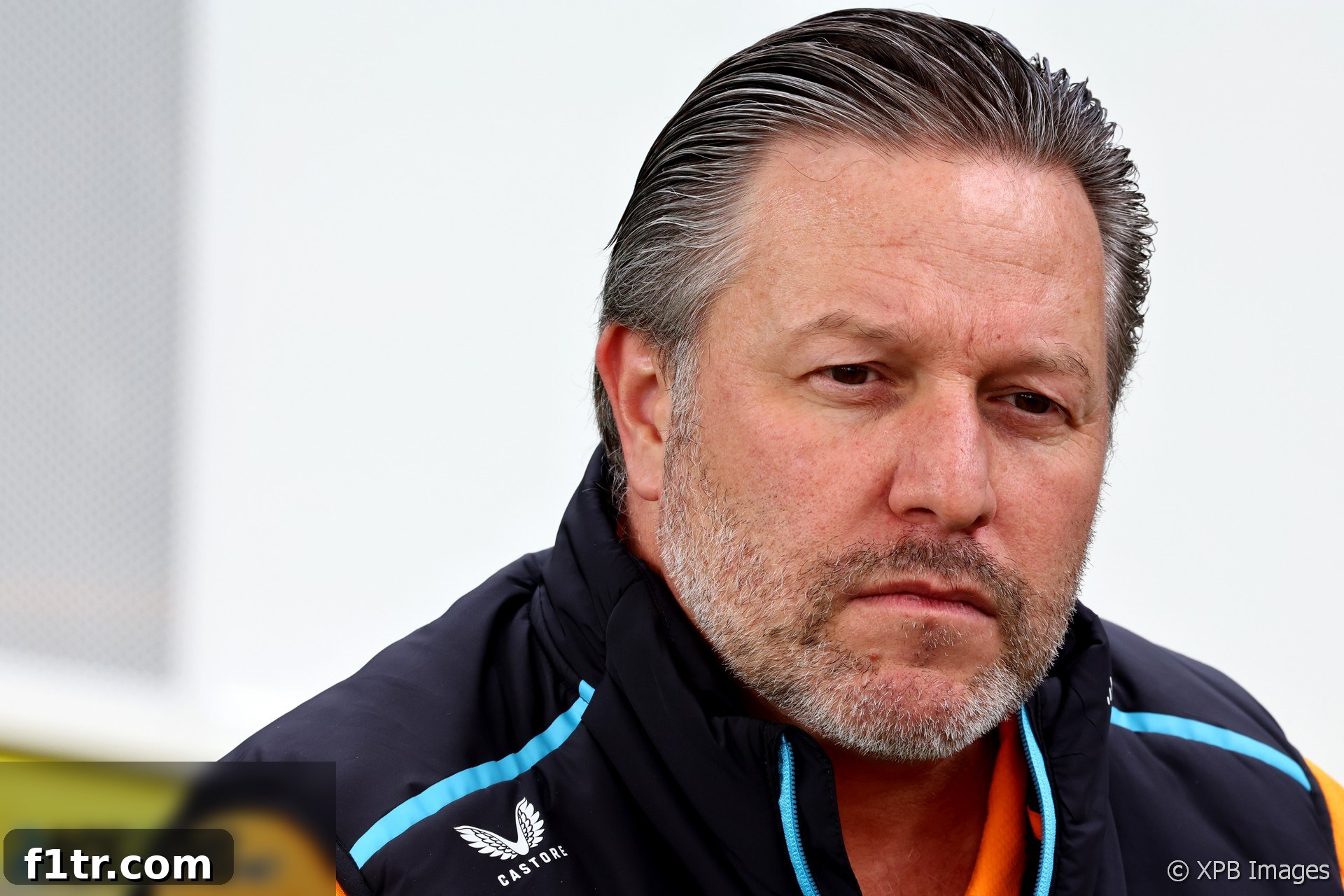
McLaren Racing CEO Zak Brown, a prominent figure within the paddock, has offered a revealing insight into the depth of this interest, predicting that up to four serious contenders are poised to submit formal applications. Brown, known for his forward-thinking approach, expressed enthusiasm for the prospect of an expanded grid, provided the new entrants meet the stringent criteria and contribute positively to the championship.
Zak Brown’s Vision: Advocating for Strategic Expansion
Zak Brown has consistently been a vocal advocate for the strategic growth of Formula 1, recognizing the immense potential for new teams to inject fresh competition and broaden the sport’s appeal. His prediction of three to four credible applications underscores the escalating demand to enter F1, a testament to its current robust health and global magnetism. Brown believes that carefully vetted expansion, under “the right terms and conditions,” could enhance the spectacle, increase fan engagement, and introduce new narratives to the championship without diluting its prestige or commercial value.
“I think what’s come to light is that three or four teams are going to put forth entries,” Brown informed the Associated Press, indicating the seriousness of the propositions being considered. His stance highlights a division within the paddock, as some established teams express reservations about sharing the sport’s increasing revenues. However, Brown remains steadfast in his belief that calculated expansion is beneficial for the long-term health and vibrancy of Formula 1.
Andretti Global and Cadillac: The American Challenge
Among the most prominent and persistent aspirants is the formidable partnership between IndyCar team owner and former Formula 1 driver Michael Andretti and the American automotive giant General Motors, through its luxury brand Cadillac. Andretti has long harbored an ambition to bring an American-led team to the pinnacle of motorsport, an aspiration that gained significant traction in January when he officially announced Cadillac’s backing. This alliance represents a powerful combination of motorsport pedigree and massive industrial support, aiming to leverage F1’s surging popularity in the United States, particularly following the success of Netflix’s “Drive to Survive” series and the introduction of new American Grands Prix.
Zak Brown has openly supported the Andretti-Cadillac bid, viewing their potential entry as a significant asset for the sport. “We know I’m a supporter of Michael and Cadillac and I think they’d be healthy for the sport,” Brown affirmed. He acknowledges, however, that his perspective might not be universally shared among his fellow team principals, many of whom have expressed concerns over the financial implications of diluting the prize money pool. The Andretti-Cadillac bid isn’t just about adding another car; it’s about potentially bringing a major American manufacturer back to F1, a move that could unlock unprecedented marketing opportunities and fan bases.
Despite the strong backing and fervent public support, the path for Andretti Global has been fraught with challenges. Formula 1 CEO Stefano Domenicali, while acknowledging the widespread interest in joining the grid, has previously expressed reservations about Andretti’s public approach. In February, Domenicali criticized Andretti for “pushing the system” by generating significant media attention around their bid, suggesting a preference for more discreet applications. This dynamic underscores the complex political landscape new entrants must navigate, balancing public visibility with the delicate sensibilities of existing stakeholders.
Formula Equal: Pioneering Diversity on the Grid
Beyond the established names, other fascinating projects are emerging. Last month, former BAR F1 team principal Craig Pollock confirmed his ambitious plans to return to the grid with a groundbreaking initiative named Formula Equal. This unique proposal aims to create a team built upon a 50-50 gender split across all operational roles, from engineers and strategists to management and potentially even drivers. Such a pioneering approach would represent a monumental step forward for diversity and inclusion within a sport historically dominated by men.
Rumors suggest that Pollock’s innovative vision has attracted significant funding interest, potentially from Saudi Arabia, signaling a broad appeal for initiatives that align with contemporary values of equality and representation. A team like Formula Equal could not only bring fresh talent and perspectives but also serve as a powerful beacon for inclusivity, challenging traditional norms within motorsport and inspiring a new generation of diverse professionals to enter the field. This proposal highlights that potential new entries are not merely about financial might or technical prowess, but also about the unique value proposition they can bring to the Formula 1 ecosystem.
The Enigma of “Silent” Contenders and F1’s Stringent Evaluation
Stefano Domenicali has repeatedly indicated that the current public discussions only scratch the surface of interest. “Today there’s so many that would like to come,” he stated recently, adding, “There are teams that are more vocal than others. Some others are much more silent, but they are really expressing their interest.” This suggests a deeper pool of prospective applicants who prefer to conduct their efforts away from the media spotlight, perhaps strategizing to present a fully developed and undeniable case directly to the FIA and Formula 1 management.
The application process itself is meticulously structured and highly rigorous. Submissions from all prospective new teams will undergo a comprehensive examination by both the FIA, as the sport’s regulatory body, and Formula 1’s commercial rights holder. Both entities possess the independent power to reject any applicant, emphasizing the dual layers of approval required. This joint assessment ensures that any new team not only meets the technical and sporting regulations but also aligns with the commercial and strategic interests of the championship.
The FIA has outlined clear criteria for judging these bids, stating that decisions will be based on “the overall long-term interests of the championship, together with the applicable regulations and governance arrangements.” This expansive criterion encompasses a multitude of factors, including the financial robustness of the applicant, their technical capability and infrastructure, the credibility of their management and personnel, their commitment to sustainability, and the potential value they can add to the sport’s global appeal. Entrants are also required to pay a substantial $200 million anti-dilution fee, intended to compensate existing teams for the reduced share of prize money if the grid expands.
Ultimately, a maximum of two new entries may be selected, which would increase the number of cars on the grid from the current 20 to 24. This measured expansion aims to enhance competition and spectacle without overstretching existing resources or significantly diluting the financial returns for established teams. The Formula 1 Commission, a key decision-making body comprising representatives from F1, the FIA, and all ten teams, is expected to receive updates on the likelihood of grid expansion and potentially discuss the merits of the applications at its upcoming meeting next week. This meeting will be pivotal in determining the immediate future of Formula 1’s team landscape.
The Broader Implications of F1 Grid Expansion
The prospect of new teams entering Formula 1 carries significant implications for various facets of the sport. On the one hand, an expanded grid could lead to enhanced competition, creating more thrilling races and new rivalries. It could also open doors for new talent, both drivers and engineers, to enter the sport, fostering a healthier talent pipeline. The addition of new manufacturers, such as Cadillac, would boost technological innovation and marketing reach, particularly in untapped or growing markets. More teams also translate to more jobs within the high-tech motorsport industry, further contributing to economic growth and specialized skill development.
However, concerns persist among some existing teams, primarily regarding the potential dilution of prize money and the strain on paddock infrastructure and resources. The logistics of accommodating more personnel, equipment, and hospitality in already cramped paddock spaces at certain circuits could pose challenges. Furthermore, there is a desire to ensure that any new team is competitively viable from the outset, avoiding the scenario of non-competitive backmarkers that could detract from the overall quality of racing. The balance between growth and maintaining the championship’s elite standards is a delicate one that the FIA and F1 must meticulously manage.
Advertisement | Become a RaceFans supporter andgo ad-free
A New Era for Formula 1?
As the application deadline looms, Formula 1 finds itself at a fascinating crossroads. The overwhelming interest from prospective new teams, spearheaded by well-resourced and visionary projects like Andretti-Cadillac and Formula Equal, underscores the sport’s undeniable appeal and robust health. The decisions made in the coming weeks and months by the FIA and F1 leadership will not only determine which, if any, new teams join the grid but will also set a precedent for the future growth and evolution of the championship. Balancing commercial interests with sporting integrity, financial stability, and the ambition for expansion will be key to ensuring Formula 1 continues its upward trajectory and remains the pinnacle of global motorsport for years to come.
Further F1 Insights
- FIA president cleared of alleged interference in two 2023 races
- First week viewing figures for new Drive to Survive season fall again
- Max who? Drive to Survive season six prefers its favourite faces
- RaceFans’ complete 2023 season review
- The F1 drivers who pulled off the 10 biggest charges through the field in 2023
Explore all 2023 F1 season articles