Ferrari’s Zandvoort Challenge: From Practice Woes to Qualifying Comeback
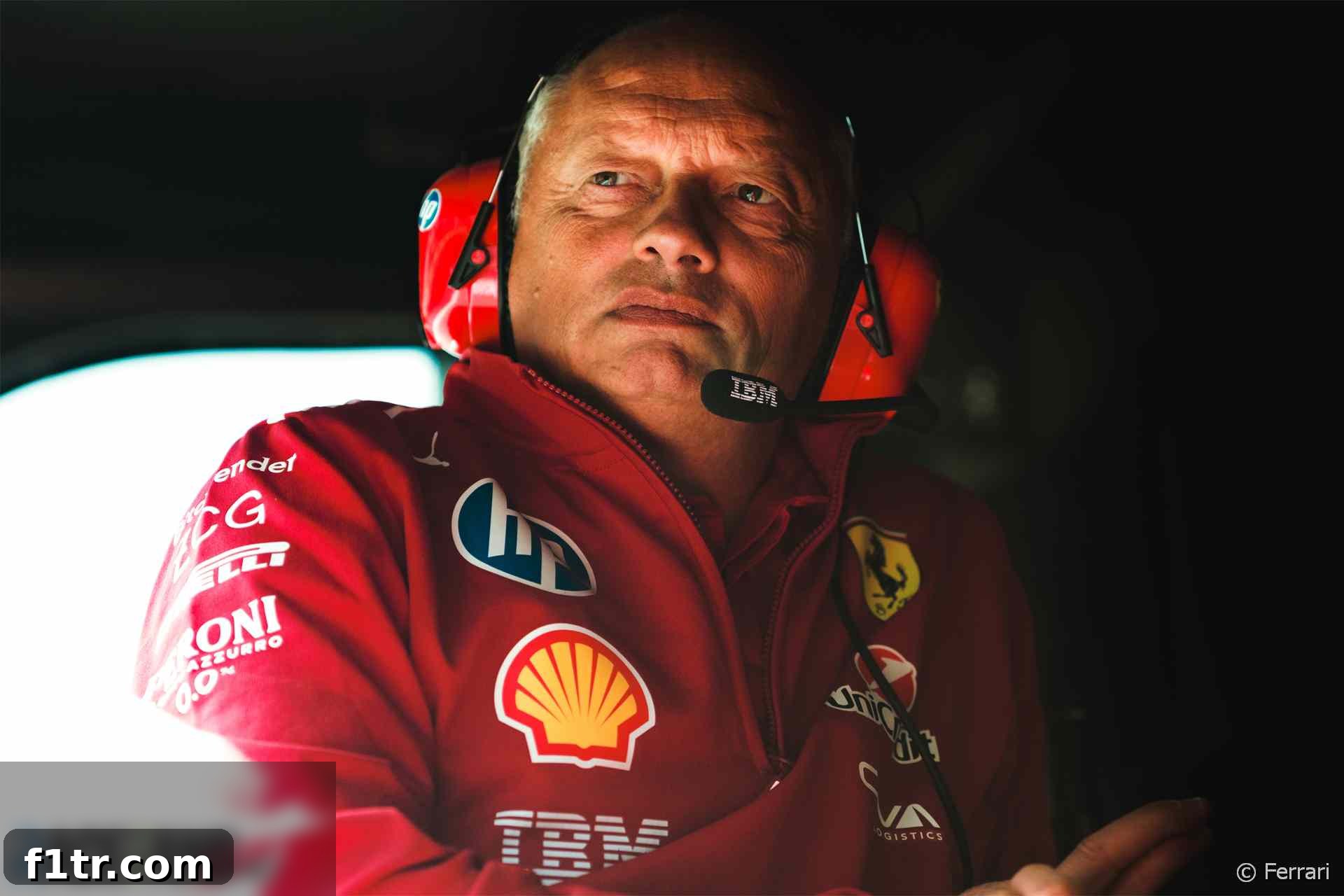
The iconic Circuit Zandvoort, with its demanding layout and passionate Dutch fans, presented Scuderia Ferrari with arguably its most formidable start to a Formula 1 Grand Prix weekend in recent memory. Team Principal Frederic Vasseur didn’t mince words, characterizing the initial practice sessions as the toughest the legendary Italian outfit had endured in years, setting a somber tone for their Dutch Grand Prix aspirations.
A Grueling Start: Ferrari’s Friday Struggles
The opening Free Practice session on Friday saw Ferrari’s drivers, Charles Leclerc and Carlos Sainz, languishing in an uncharacteristic 14th and 15th position. This abysmal start left the team scratching their heads, as they struggled to find grip and balance on the unique Zandvoort circuit. The track, known for its flowing corners, high-speed banking, and the ever-present threat of sand from the nearby dunes, demands a specific car setup and confident driver input. Ferrari appeared to be significantly off the pace, raising concerns about their competitiveness for the remainder of the weekend.
Such a poor showing in early practice is more than just a minor inconvenience; it significantly compromises a team’s ability to gather crucial data, test different setups, and fine-tune their cars for qualifying and the race. Vasseur openly admitted the severity of the situation, stating, “It was, for sure, the most difficult Friday of the last two or three seasons.” This sentiment underscored the deep concern within the Maranello garage as they faced an uphill battle to recover lost ground. The implications for tire management, long-run pace, and strategic options for Sunday were considerable, demanding swift and effective solutions from the engineering team.
The Qualifying Rebound: A Significant Step Forward
Despite the disheartening start, Ferrari demonstrated remarkable resilience and engineering prowess to stage a significant comeback in qualifying. By the end of Saturday’s crucial session, Leclerc and Sainz had managed to qualify sixth and seventh respectively. While not a front-row lockout, this represented a “huge step forward” compared to their Friday performance, as Vasseur proudly acknowledged. The team’s ability to turn around their fortunes in less than 24 hours spoke volumes about their adaptability and the tireless efforts behind the scenes.
The journey through qualifying was not without its challenges. Both Ferrari drivers navigated Q1 and Q2 with strong performances, particularly Charles Leclerc, who at one point in Q2, looked poised for a top-tier grid slot. However, the intensity of Q3, where drivers push the absolute limits, exposed some remaining vulnerabilities. Vasseur noted, “We did a good recovery today, but the issue is that when you are coming from so far away, it is not easy to be at the limit and to avoid mistakes.” This candid assessment highlighted the lingering effects of their difficult Friday, where a lack of consistent running meant drivers had less time to build confidence and truly extract the maximum from the car in critical moments.
Indeed, small margins define success in Formula 1 qualifying. Vasseur speculated that with a perfect Q3 lap, they “would have been [fourth],” underscoring the potential that remained untapped. This suggests that while the setup improvements were substantial, the drivers might have been pushing slightly beyond the car’s sweet spot or their own comfort zone in the hunt for those crucial tenths. The lesson, according to Vasseur, was clear: “If we have to improve, it’s much more on Friday than something else.” Consistency from the outset is paramount, allowing for a more methodical and less reactive approach to setup optimization.
Navigating Zandvoort: A Circuit of Unique Demands
The Circuit Zandvoort is a truly unique challenge on the Formula 1 calendar, and understanding its characteristics helps contextualize Ferrari’s fluctuating performance. Its undulating nature, combined with highly banked corners like the famous Arie Luyendykbocht and Hugenholtzbocht, places immense stress on car aerodynamics and suspension. Teams must balance downforce for cornering grip with efficiency for the short straights. Furthermore, the proximity to the coast means sand can occasionally be blown onto the track, affecting grip levels and making conditions unpredictable. This inherent variability can magnify setup issues, especially when a team starts on the back foot.
The narrow, twisty layout also makes overtaking notoriously difficult, placing a premium on qualifying position and strategic execution. Drivers need a car that inspires confidence through the fast changes of direction and provides strong traction out of the slower corners. Ferrari’s initial struggles likely stemmed from an inability to find this optimal balance, leading to understeer or oversteer characteristics that prevented their drivers from attacking the circuit with conviction. Their recovery in qualifying indicates they managed to iron out many of these kinks, finding a more harmonious setup that allowed Leclerc and Sainz to extract closer to the car’s true potential.
Race Day Prospects: Strategy and Competitors
Looking ahead to race day, Ferrari’s starting positions of sixth and seventh place the team firmly in the midfield battle, but with genuine aspirations for a podium finish. However, the path to the top three will be anything but straightforward. The McLaren drivers, in particular, locked out the front row of the grid, demonstrating exceptional pace and consistency throughout the weekend. Their unexpected strength means Ferrari will need to execute a flawless strategy and capitalize on any opportunities that arise.
Vasseur remains cautiously optimistic about Sunday’s race. “If we do the same step forward for tomorrow, it’s good news, but it will be more difficult,” he conceded, acknowledging the fierce competition. The focus will be on challenging strong competitors like George Russell in the Mercedes, the ever-present threat of Max Verstappen in the Red Bull, and other midfield contenders who have shown strong pace. Ferrari’s strategy will need to be agile, considering Zandvoort’s potential for safety cars and the critical importance of tire management over long stints.
A significant advantage for Ferrari heading into the race is the presence of both their cars near the front of the field. “At least we have two cars [near the front] as the strategy is once again a bit on the edge. It’s always good to have two cars in this situation,” Vasseur explained. Having two cars in contention opens up more strategic possibilities, allowing the team to split strategies, cover off rivals, and potentially create an undercut or overcut scenario. This dual presence offers crucial flexibility, especially on a circuit where track position is king and an aggressive, well-timed pit stop can make all the difference. The aim will undoubtedly be to maximize points and, if possible, snatch a podium against formidable opponents.
Broader Season Context and Future Outlook
Ferrari’s rollercoaster weekend at Zandvoort reflects a season that has often seen flashes of brilliance interspersed with challenging performances. The team has been working relentlessly to close the gap to the front-runners and establish consistent competitiveness. Weekends like Zandvoort, where they demonstrate the ability to recover from a difficult start, are crucial for building confidence and validating their development direction. While a podium finish would be a significant morale boost, the key takeaway from this Grand Prix will be the lessons learned from their Friday struggles and how quickly they adapted to rectify the issues.
The ongoing development race in Formula 1 demands continuous improvement, and Ferrari’s focus on understanding and correcting their initial setup woes at Zandvoort is a testament to their commitment. The goal remains to fight for race wins and championship contention, and consistent performance across all sessions, from Free Practice 1 to the checkered flag on Sunday, will be vital in achieving those aspirations. Zandvoort, therefore, serves as a microcosm of their season – a blend of challenges and promising recoveries, highlighting the journey still ahead for the Scuderia.
In conclusion, Ferrari endured a challenging but ultimately redemptive start to the Dutch Grand Prix weekend. From the depths of Friday’s practice woes, they engineered a commendable qualifying recovery, placing both cars in strong contention for points and a potential podium. The lessons learned from their initial struggles will be invaluable as they continue their pursuit of Formula 1 supremacy. All eyes will now be on race day, where strategy, driver skill, and a bit of luck will determine whether the Prancing Horse can convert its hard-fought grid positions into a celebrated result on the demanding Zandvoort circuit.
Related Articles:
- Latest Ferrari Team Updates
- Charles Leclerc Performance Analysis
- Carlos Sainz’s Season Overview
- Dutch Grand Prix Race Review
- F1 Car Development & Setup
Browse all Formula 1 News and Features