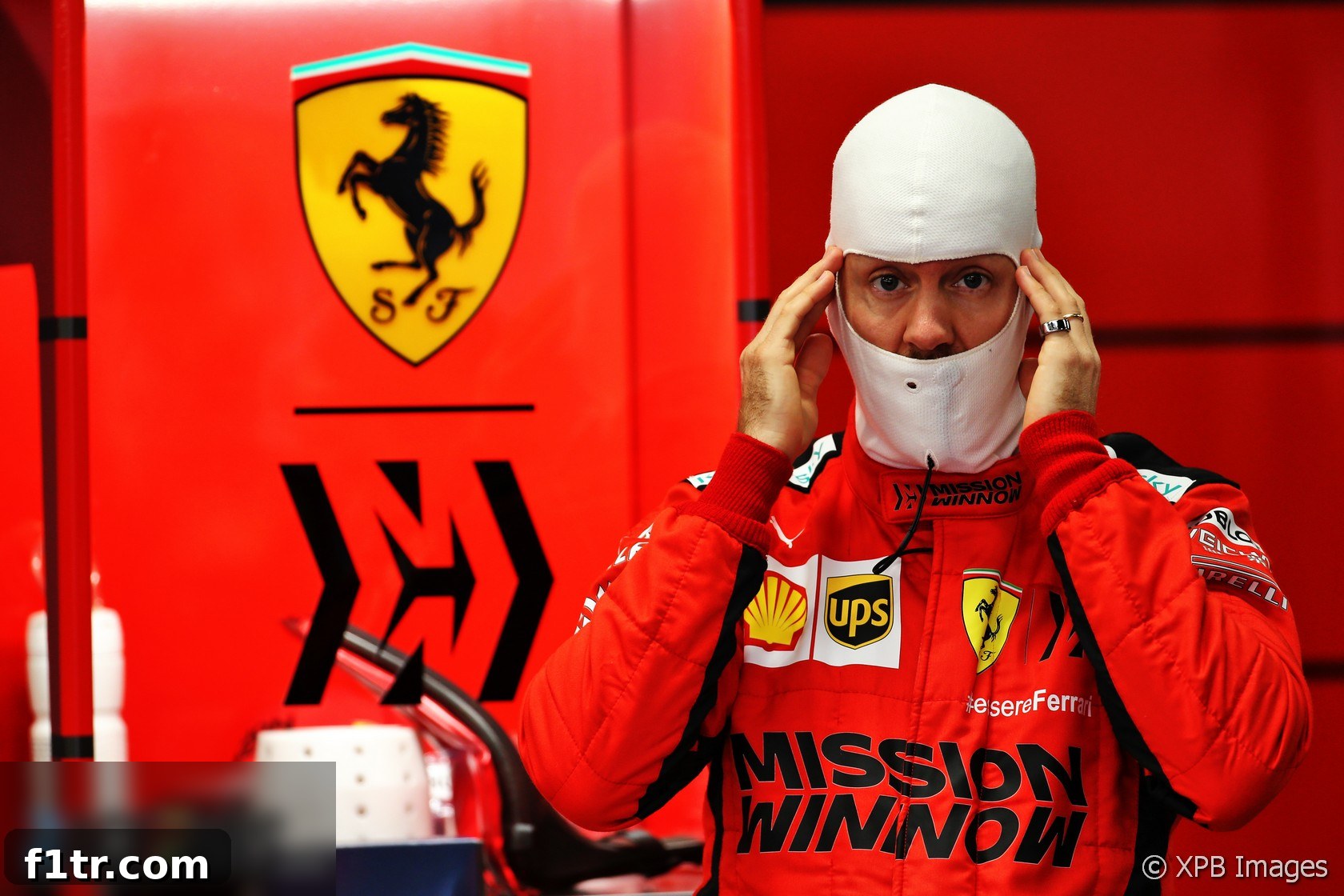
Ferrari, one of the most iconic and recognizable names in global motorsport, finds itself once again at the heart of a familiar debate as its controversial Mission Winnow branding hints at a potential return to the Formula 1 grid for the 2021 season. This unique initiative, backed by long-time strategic partner Philip Morris International (PMI), was notably absent from the Scuderia’s crimson cars throughout the entire 2020 calendar year, leading to widespread speculation about its future. Now, with a new racing season swiftly approaching, the prospect of Mission Winnow logos reappearing on Ferrari’s livery inevitably raises a host of questions concerning evolving regulatory interpretations, sophisticated corporate strategy, and the intricate, enduring relationship between Formula 1 and industries historically linked to tobacco.
Advert | Become a Supporter & go ad-free
The Genesis of Mission Winnow: Beyond Traditional Branding
The Mission Winnow brand made its initial and impactful debut in late 2018, unveiled jointly by Ferrari and Philip Morris International as a groundbreaking project. Its stated purpose was to spark meaningful dialogue around the vital role of science, technology, and innovation in driving positive change across various global industries. At its core, PMI described Mission Winnow as an endeavor distinct from traditional product promotion, focusing instead on fostering engagement, facilitating open discussion, and sharing the company’s profound commitment to transformation. This strategic shift came after decades of a highly visible and mutually beneficial partnership between Ferrari and PMI’s flagship Marlboro brand, a relationship that predated widespread global restrictions on tobacco advertising and had become virtually synonymous with the Italian racing giant’s success and identity.
For a significant period, the iconic Marlboro chevron was an unmistakable and ever-present feature on Ferrari’s legendary crimson racing machines, serving as a powerful and instantly recognizable symbol of sports sponsorship. However, as global public health concerns intensified and legislative regulations tightened across numerous jurisdictions, direct tobacco branding on Formula 1 cars progressively became untenable. In response to these evolving legal and ethical landscapes, innovative sponsors like PMI were compelled to adapt their marketing approaches, moving towards less direct and more nuanced forms of association. Mission Winnow was presented as the latest evolution of this sophisticated strategy, a forward-looking concept specifically designed to showcase PMI’s broader corporate vision and its ambitious trajectory beyond its traditional tobacco products. The stated aim was to invite external scrutiny and encourage constructive discussion about the company’s extensive efforts to develop and market alternatives to combustible cigarettes, effectively repositioning itself as a leader in cutting-edge scientific research and pioneering product innovation within a changing global market.
Navigating the Regulatory Minefield: The Controversy and Global Scrutiny
Despite PMI’s carefully crafted narrative and stated intentions, Mission Winnow quickly found itself embroiled in significant and sustained controversy. Critics, including numerous public health advocates and anti-tobacco organizations, were swift to accuse Ferrari and PMI of employing the branding as a sophisticated and subtle means to circumvent increasingly stringent global restrictions on tobacco advertising. The core argument posited that while Mission Winnow did not explicitly display tobacco products or traditional Marlboro logos, its deep association with Philip Morris International, and by extension, the historical Marlboro brand, served as a powerful yet indirect marketing tool, ensuring the tobacco giant’s presence remained visible and prominent within a global sport boasting an enormous and diverse viewership.
The highly contentious nature of Mission Winnow led to its intermittent and often unpredictable appearance on the Ferrari cars throughout the 2019 F1 season. In certain countries with particularly strict anti-tobacco advertising laws, such as Australia, the branding was either strategically removed or significantly modified to proactively avoid potential legal challenges, regulatory fines, and adverse public relations. This inconsistent presence vividly highlighted the incredibly complex and dynamic regulatory landscape that Formula 1 teams and their global sponsors must meticulously navigate. Each Grand Prix destination typically comes with its own unique set of advertising codes, public health ordinances, and cultural sensitivities, requiring sponsors to constantly assess and adapt their compliance strategies. The ongoing controversy effectively underscored the very fine line between legitimate corporate branding initiatives and perceived indirect advertising for regulated products, particularly when dealing with a company like PMI, which possesses such deep and widely recognized historical ties to the tobacco industry.
The 2020 Absence: A Strategic Pause
The debate surrounding Mission Winnow reached a critical juncture in 2020 when, for the first time since its introduction, the branding was entirely absent from Ferrari’s cars during any of the 17 Grand Prix races held that year. Its only public appearances were strictly limited to non-competitive events, specifically at the ceremonial launch of the SF-1000 challenger and during the pre-season testing sessions. This significant and complete withdrawal from race liveries strongly suggested a proactive and strategic decision by PMI and Ferrari to avoid further intense scrutiny and potential legal complications, particularly amidst an already challenging and globally disrupted season profoundly impacted by the COVID-19 pandemic.
The prolonged absence for an entire racing season led many observers and fans to wonder if Mission Winnow had been quietly and permanently shelved. However, a recent and significant statement from a PMI spokesperson to RaceFans has reignited the discussion, unequivocally confirming that the branding “may return at races during the 2021 F1 season.” This clear declaration signals a renewed and determined intent by Philip Morris International to re-establish the presence of Mission Winnow within the high-profile and globally televised world of Formula 1, albeit under careful and continuous consideration of prevailing local conditions and regulatory environments. The announcement sets the stage for a compelling new chapter in this ongoing saga of sports sponsorship and corporate identity.
PMI’s Rationale and the Path Forward in 2021
Tommaso di Giovanni, PMI’s esteemed Vice-President for Internal Communications, offered further invaluable insight into the company’s meticulous decision-making process regarding Mission Winnow. He clearly articulated that “Decisions about our approach to single events or races are based on a number of factors, including but not limited to regulations in place in the country and the environment in which the race takes place.” This comprehensive statement profoundly underscores the dynamic, multifaceted, and often unpredictable nature of F1 sponsorship in the contemporary era of complex global regulations. It strongly suggests that PMI is actively engaged in a continuous and thorough assessment of legal frameworks, local cultural sensitivities, geopolitical considerations, and the broader public perception surrounding each prospective Grand Prix venue. The company’s subsequent announcement of detailed plans for the next season and specific races “in due course” indicates a highly measured and strategic approach, likely involving extensive legal reviews, rigorous market analysis, and targeted public relations strategies for each potential appearance.
Di Giovanni also emphatically reiterated the core and fundamental purpose of Mission Winnow: “Mission Winnow is not meant to ‘promote’ any product or brand. Mission Winnow is an initiative to encourage dialogue around positive change; our own and that of others. Through Mission Winnow, we want to let the world know how we have changed; to share our pride in the transformation that the people of PMI have achieved and continue to work for.” This strong and consistent assertion highlights PMI’s unwavering commitment to its corporate transformation narrative, seeking to effectively leverage the immense global platform of Formula 1 to convey a compelling message of innovation, scientific advancement, and broader societal contribution, thereby strategically moving beyond its traditional public image and product portfolio.
Beyond Ferrari: The Broader Landscape of Tobacco and Nicotine Sponsorship in F1
It is important to note that Ferrari is not an isolated case in its association with companies rooted in the tobacco or nicotine industries. The broader Formula 1 paddock hosts other significant and high-profile partnerships that navigate similar and equally challenging regulatory landscapes. McLaren, another distinguished and prominent team, has notably forged a ‘A Better Tomorrow’ partnership with British American Tobacco (BAT). This innovative collaboration has seen BAT actively promoting its modern oral nicotine product, VELO, through various F1-related initiatives and marketing channels. Significantly, McLaren and BAT recently launched a celebrity-focused Esports series, specifically conceived and designed to effectively raise the profile and appeal of VELO nicotine pouches among a digitally savvy and highly engaged audience, particularly younger demographics who might be less exposed to traditional advertising.
These evolving partnerships highlight a fascinating and strategic evolution in sports marketing tactics employed by tobacco-adjacent companies. Instead of overt and direct tobacco branding, the focus has intelligently shifted towards promoting “reduced-risk products” or showcasing extensive corporate transformation initiatives, often ingeniously utilizing new media channels like Esports to effectively reach specific target demographics. The sophisticated strategies employed by both PMI with Mission Winnow and BAT with ‘A Better Tomorrow’ represent highly refined attempts to maintain and enhance brand relevance within a highly regulated global sport. They adeptly adapt their messaging to align with contemporary health and advertising standards while still deriving substantial brand value and public visibility from their esteemed association with elite motorsport.
The history of tobacco sponsorship in Formula 1 is both long and richly storied, dating back to an era when cigarette brands were ubiquitous and highly visible on race cars, driver helmets, and team suits. Iconic liveries such as the unmistakable red and white of Marlboro on Ferrari and McLaren, the distinctive yellow of Camel on Williams and Benetton, or the subtle yet elegant gold and black of John Player Special on Lotus, became legendary and deeply embedded in the sport’s visual identity. However, as global public health awareness significantly increased and legislative bodies worldwide introduced comprehensive bans on tobacco advertising, F1 was compelled to profoundly adapt its commercial model. This led to a gradual yet decisive phasing out of direct tobacco branding, ultimately culminating in more indirect, subtle, and often controversial forms of sponsorship. The current initiatives by PMI and BAT are the latest iterations of this ongoing adaptation, showcasing how large corporations strive to maintain a valuable presence in lucrative global sports despite facing increasingly significant regulatory hurdles and public scrutiny.
Implications for Formula 1’s Image and Corporate Responsibility
The potential return of Mission Winnow to the Ferrari cars in the 2021 season carries profound and far-reaching implications for Formula 1’s public image and its ongoing commitment to corporate responsibility. While F1 rightfully prides itself on being a pinnacle of technological innovation, engineering excellence, and athletic achievement, its continued association with companies like PMI and BAT inevitably draws intense scrutiny from public health organizations, ethical watchdogs, and a socially conscious global audience. The delicate and intricate balance for F1 management lies in maximizing crucial commercial revenues from major sponsors while simultaneously upholding a progressive, health-conscious, and responsible public image.
If Mission Winnow makes a widespread return to the F1 grid, it could reignite the long-standing debate about the spirit versus the letter of advertising laws, potentially inspiring renewed calls for stricter interpretations and enforcement. It might also encourage other regulated industries to explore similar “dialogue-focused” or “transformation-centric” branding initiatives within the realm of global sports. For Philip Morris International, a consistent and prominent presence of Mission Winnow on Ferrari’s cars would represent a powerful reinforcement of its corporate transformation narrative, unequivocally demonstrating its declared commitment to a future beyond traditional tobacco products, even as critics continue to question the true intent and ultimate effectiveness behind such ambitious campaigns. The 2021 season thus promises to be a crucial test case, not merely for Ferrari’s performance on the challenging tracks, but perhaps even more so for the evolving dynamics of sponsorship, global regulation, and corporate messaging in the high-stakes and highly visible world of Formula 1.
Advert | Become a RaceFans supporter andgo ad-free
More on the 2021 F1 Season
- Masi ‘basically gifted the championship’ to Verstappen says 2021 FIA steward Sullivan
- Las Vegas race backers looking to extend F1 deal beyond 2025
- Why Mercedes put ‘a reminder of joy and pain’ on display in their factory lobby
- Verdict on error in GT race suggests Mercedes would have lost 2021 Abu Dhabi GP appeal
- Title ‘stolen’ from Mercedes made us ‘underdogs people cheer for’ – Wolff
Browse all 2021 F1 season articles