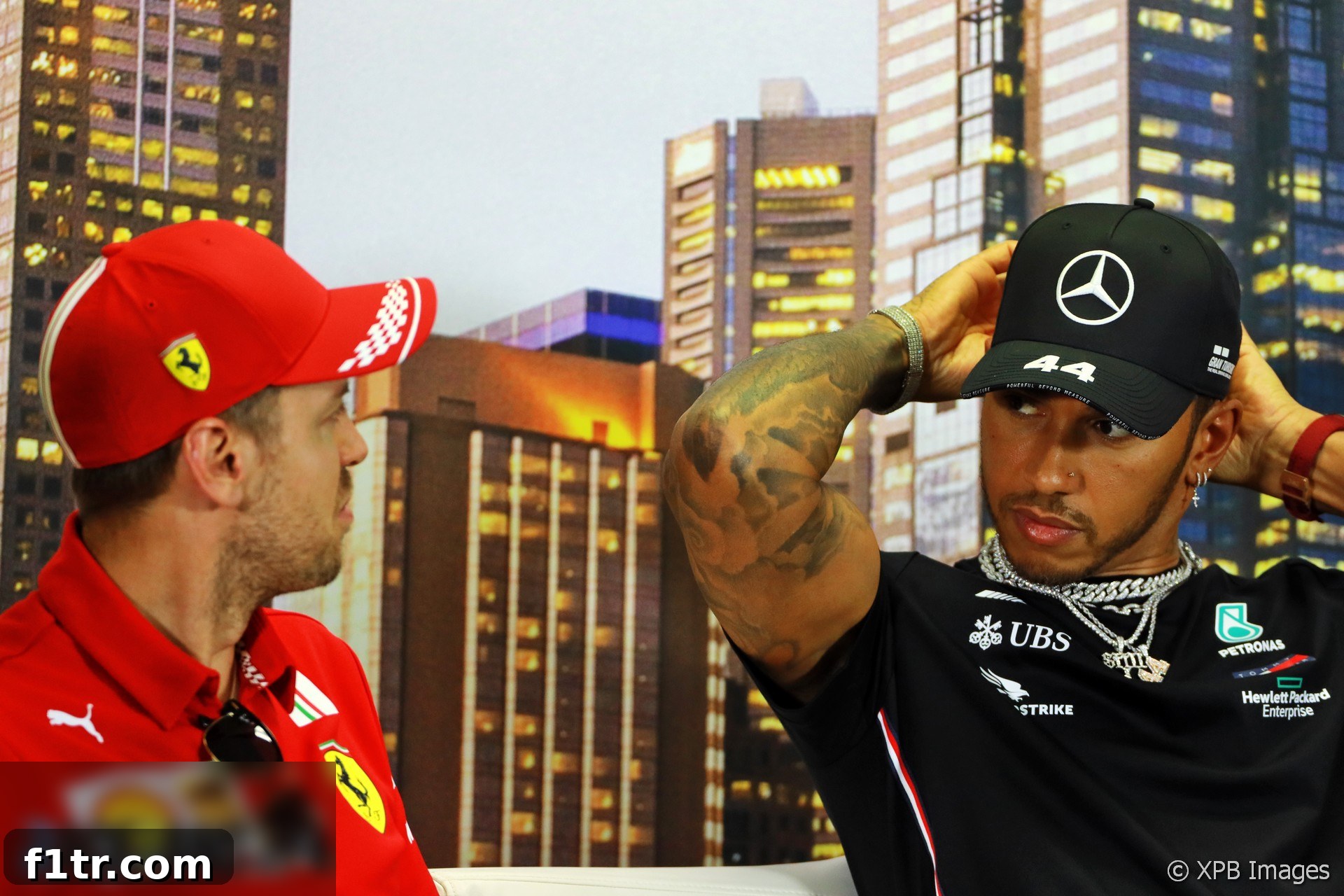
Lewis Hamilton, one of Formula 1’s most vocal champions for integrity, emphasized the critical importance of a level playing field for all competitors in the wake of the controversial settlement between the FIA and Ferrari concerning its 2019 power unit. The Mercedes driver’s comments highlighted a widespread sentiment within the paddock, underscoring the necessity for transparency and fairness at the sport’s highest echelons.
FIA’s Confidential Settlement with Ferrari Fuels Paddock Outcry
The sporting world was rocked when Formula 1’s governing body, the Fédération Internationale de l’Automobile (FIA), announced a private agreement with Scuderia Ferrari at the conclusion of pre-season testing for the 2020 season. This unexpected revelation confirmed that the FIA had harbored significant doubts regarding the legality of the power unit utilized by Ferrari throughout the 2019 championship. However, the exact details of this settlement were kept confidential, sparking immediate and intense criticism from rival teams and fans alike.
The controversy stemmed from allegations that Ferrari’s engine in 2019 may have circumvented fuel flow regulations, potentially providing an unfair performance advantage. While the FIA issued several technical directives during the latter half of the 2019 season to clarify rules around fuel systems, the lack of a definitive public ruling or explanation regarding Ferrari’s alleged breach, followed by a confidential settlement, left many questions unanswered. This perceived lack of transparency ignited a firestorm, challenging the fundamental principles of sporting governance.
Hamilton and Vettel Address the Power Unit Controversy
Amidst the swirling controversy, Lewis Hamilton, alongside his long-standing rival, Sebastian Vettel of Ferrari, addressed the media in an FIA press conference. Hamilton, representing one of the seven teams that collectively signed a letter criticizing the terms of the deal, expressed his views on the matter, while also clarifying that the dispute would not impact his personal relationship with Vettel.
“Between us, our respect has continued to grow over the years and that doesn’t change,” Hamilton stated, drawing a clear distinction between inter-driver camaraderie and the political machinations behind the scenes. “I think what goes on in the background between teams and the governing body, it’s a separate issue.” This distinction highlighted the professional ethos among drivers, who often compartmentalize team rivalries from personal respect earned through years of fierce competition.
Hamilton’s Call for Fair Play and Transparency
However, Hamilton did not shy away from voicing his disappointment with the handling of the situation, suggesting that “things could have been handled better, for sure. But that’s really something that should be directed to Toto [Wolff, Mercedes team principal].” This comment subtly deflected the political aspects to team management, aligning with his preference to focus on pure racing. Yet, the underlying message was potent and clear.
“For us athletes, us drivers, you just want to arrive at the races, naturally all the teams are different in their performance, but you want to feel that you’re playing on fair grounds,” Hamilton articulated. This sentiment encapsulates the core desire of any competitor: to believe that success is achieved through genuine skill, engineering prowess, and hard work, not through exploiting regulatory loopholes or benefiting from opaque agreements. The expectation of a truly level playing field is paramount for the integrity and credibility of any sport, especially one as technologically advanced and competitive as Formula 1.
Hamilton’s cautious phrasing – “I don’t want to add much more because it’ll just cause more trouble” – further indicated the sensitive nature of the topic and the palpable tension within the paddock. His words, though measured, conveyed a strong message about the need for clearer processes and more public accountability from the sport’s governing body.
Sebastian Vettel’s Perspective: Trust in Ferrari and the FIA
Sebastian Vettel, naturally, offered a different perspective, expressing unwavering trust in his team and the FIA. “For me it’s very simple. Obviously I trust my team to do the right thing within the regulations at all time,” Vettel affirmed. This statement is typical of a driver’s loyalty to their squad, particularly one with the storied history and engineering reputation of Ferrari. For a driver, believing in the team’s integrity is fundamental to their ability to perform at the highest level.
Vettel extended this trust to the regulatory body as well: “And I think we trust all of us, all drivers, the governing body, as in the FIA, to do their job for all teams on the grid. I think that’s probably the answer.” His response aimed to quell the debate, implying that the matter had been dealt with appropriately by the relevant authorities, even if the details remained private.
Echoing Hamilton’s sentiments on driver relations, Vettel reiterated, “For me it doesn’t change anything in terms of the relationship that I have with other drivers and in particular with Lewis. I think the respect that we share, we’ve grown over the years, is untouched and I don’t think it’s at threat.” This mutual acknowledgment of respect between two of the sport’s greatest rivals served as a testament to their professionalism, demonstrating that while team politics might rage, personal admiration can endure.
The Broader Implications for Formula 1’s Integrity
The Ferrari power unit saga and the subsequent opaque settlement cast a long shadow over the start of the 2020 Formula 1 season. Seven of the ten competing teams – including powerhouses like Mercedes and Red Bull Racing, along with McLaren, Racing Point, AlphaTauri, Renault, and Williams – united in their dissatisfaction, sending a joint letter to the FIA demanding full disclosure. Their collective concern was rooted not just in potential competitive disadvantage, but in a deeper worry about the integrity and reputation of Formula 1 itself.
The core issue revolved around the FIA’s duty to ensure fair competition. When a doubt exists about the legality of a critical component like a power unit, and a confidential settlement is reached without public explanation of the findings or the remedies, it inevitably erodes trust. Teams invest hundreds of millions of dollars annually in research, development, and personnel, all within a meticulously defined regulatory framework. Any hint that rules might be bent or penalties circumvented through secret agreements undermines the entire competitive ecosystem.
For fans, the controversy raised uncomfortable questions about the sport’s transparency. Formula 1 thrives on exhilarating competition, but also on the belief that all teams are operating under the same set of clear, enforceable rules. A lack of clarity surrounding such a significant issue can alienate spectators and diminish their confidence in the sport’s governance. The perception of unfairness can be as damaging as actual unfairness.
FIA’s Dilemma and the Path Forward
The FIA, as the sport’s ultimate regulator, found itself in a difficult position. While they stated that they concluded a thorough analysis and settled the matter, the decision to keep the details private was explained as a pragmatic choice to avoid lengthy and complex litigation, which they believed would be detrimental to the sport. However, this pragmatic approach came at a significant cost to their perceived impartiality and transparency.
Moving forward, the incident highlighted the critical need for robust and explicit technical regulations, coupled with clear, consistent, and transparent enforcement mechanisms. For Formula 1 to maintain its status as the pinnacle of motorsport, both competitors and fans must have absolute confidence in the integrity of its rules and the fairness of its adjudication processes. The episode served as a stark reminder that while technological innovation is celebrated, it must always operate within the bounds of fair play.
Conclusion: Upholding the Spirit of Competition
The reactions from Lewis Hamilton and Sebastian Vettel, though distinct, collectively underscored the profound importance of fair competition in Formula 1. While the drivers maintained their mutual respect, the underlying tensions within the paddock over the FIA-Ferrari settlement exposed deeper issues regarding transparency and trust in the sport’s governance. For athletes who dedicate their lives to competing at the absolute limit, the assurance of a level playing field is not merely a desirable ideal; it is a fundamental prerequisite for genuine achievement and the spirit of sport itself.
As Formula 1 continues to evolve, the lessons from controversies like the 2019 power unit saga will hopefully lead to enhanced clarity and accountability. The pursuit of sporting excellence must always be matched by an unwavering commitment to integrity, ensuring that the battles on track are won through legitimate prowess, and that the world’s most technologically advanced motorsport remains a true test of skill and engineering genius, under rules that are clear, fair, and transparent for all.
Related Topics & Context for the 2020 F1 Season
Delve deeper into the discussions and developments surrounding the Formula 1 season and its key figures.
Browse all 2020 F1 season articles and analysis