Formula 1’s Long-Awaited Return to Africa: Kyalami Poised for a Grand Comeback
The exhilarating prospect of Formula 1 engines roaring across the African continent has been a fervent dream for motorsport enthusiasts and a strategic imperative for the sport’s governing bodies. While discussions for a return have intensified significantly in recent years, 2023 is emerging as the most probable timeline for Formula 1’s highly anticipated comeback. At the heart of these ambitious plans lies South Africa’s historic Kyalami circuit, a venue steeped in racing lore and ideally positioned for a grand re-entry into the global motorsport calendar.
Warren Scheckter, the dynamic CEO of SAGP – the company spearheading the dedicated efforts to revive the Formula 1 World Championship round at Kyalami – has thoughtfully acknowledged the shifting realities. While an initial target for 2022 was set, the multifaceted complexities and logistical challenges posed by the ongoing global pandemic have naturally led to a more pragmatic outlook. Scheckter now indicates that 2023 represents a more realistic and achievable goal for this monumental return, allowing ample time for comprehensive planning and execution to ensure a flawless and impactful event.
Kyalami, a name synonymous with Formula 1’s rich heritage, last hosted a Grand Prix in 1993, leaving a significant void that has been felt keenly by fans and stakeholders alike. However, under the visionary guidance of SAGP, with the iconic 1979 Formula 1 world champion Jody Scheckter serving as chairman of the board, the circuit is being meticulously prepared for its illustrious comeback. Warren Scheckter, nephew to the legendary Jody, expresses unwavering confidence that Kyalami stands as the “most logical place” for F1 to rekindle its ties with Africa. He highlights its profound historical significance, meticulously maintained modern infrastructure, and strategic location as undeniable advantages.
A Legacy Reimagined: Kyalami’s Enduring Appeal and Readiness
The Kyalami Grand Prix Circuit holds a revered status in the annals of Formula 1 history. From its inaugural World Championship race in 1967, which witnessed iconic battles and legendary drivers carving their names into motorsport folklore, to its final race in the early nineties, Kyalami consistently captivated audiences with its unique track layout, challenging corners, and vibrant atmosphere. This history is not merely a nostalgic memory; it serves as a robust foundational element of its current appeal and intrinsic value to the sport.
The circuit’s enduring significance is deeply intertwined with South Africa’s vibrant motorsport heritage. This is a nation that not only hosted its own highly competitive Formula 1 racing series during the 1970s but also proudly produced a Formula 1 world champion in Jody Scheckter, an achievement that continues to inspire. This deep-rooted connection ensures a passionate and knowledgeable fanbase ready to embrace the return of the pinnacle of motorsport.
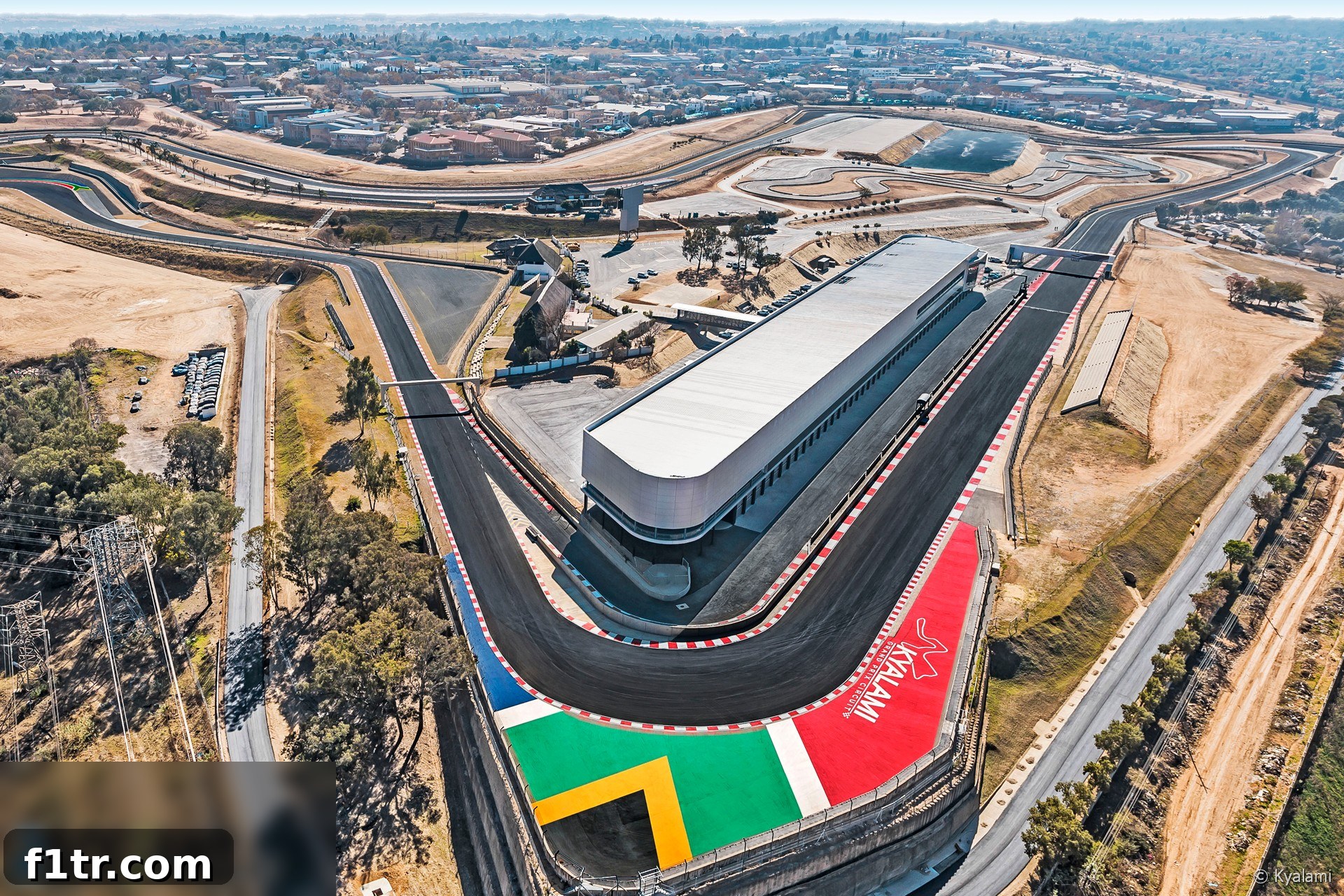
Crucially, the Kyalami circuit underwent substantial and far-reaching renovations in 2015. This comprehensive upgrade was meticulously designed to elevate the circuit to modern international motorsport standards. This strategic foresight has positioned Kyalami exceptionally well, requiring what Warren Scheckter confidently describes as “little work” to meet the stringent requirements for hosting a contemporary Formula 1 Grand Prix. These extensive renovations encompassed vital improvements, including complete track resurfacing, significant upgrades to safety barriers and run-off areas, and enhancements to crucial spectator facilities and hospitality suites. This proactive investment has laid a robust and impressive foundation for F1’s return, making it an incredibly attractive proposition compared to the colossal undertaking of building an entirely new circuit, both from a financial and logistical perspective.
Formula 1’s Global Vision: Why Africa Now Is More Important Than Ever
Under the visionary leadership of President and CEO Stefano Domenicali, Formula 1 has unequivocally made global expansion a cornerstone of its strategic agenda. The sport is actively and aggressively seeking to broaden its footprint beyond its traditional European strongholds, exploring new and emerging markets with immense potential. Africa, with its vast, diverse, and incredibly enthusiastic population, represents one of the final untapped frontiers for Formula 1, offering unparalleled potential for fan growth, commercial opportunities, and a more inclusive global presence.
Domenicali himself has been a vocal proponent of the sport’s fervent desire to return to the African continent. He revealed earlier this year that significant expressions of interest had been received from credible promoters in both “north Africa [and] South Africa.” This concerted and deliberate effort underscores F1’s unwavering commitment to becoming a truly global sport, one that authentically reflects its diverse international fanbase and dramatically expands its cultural and economic influence. While a planned Formula 1 Fan Festival in Johannesburg in March 2020 was regrettably cancelled due to the unprecedented onset of the global pandemic, the underlying enthusiasm, strategic intent, and commitment from F1 have remained undiminished, if anything, growing stronger.
The Champion’s Endorsement: Lewis Hamilton’s Powerful and Influential Voice
The growing campaign for an African Grand Prix has received an unparalleled and significant boost from one of Formula 1’s most influential and iconic figures: seven-time world champion Lewis Hamilton. Hamilton has consistently and passionately championed the return of F1 to Africa, articulating its profound and multifaceted importance for the sport’s future trajectory. His passionate advocacy resonates deeply, not just within the tightly-knit motorsport community but globally, adding substantial moral and strategic weight to the dedicated efforts led by SAGP and other stakeholders.
“It’s great that Lewis, a person as high-profile and influential as himself, has indicated his unequivocal support for an African Grand Prix,” enthusiastically remarked Warren Scheckter. Hamilton’s support is particularly impactful given his widely recognized commitment to promoting diversity, inclusion, and equality within Formula 1 and across wider sports. He views an African race not merely as another event on the competitive calendar but as a vital and transformative step towards making the sport more representative, accessible, and globally relevant. His powerful message emphasizes that Africa is “such an important place” for Formula 1 to return to, highlighting the continent’s untapped talent pools, its passionate and growing fan base, and the profound, transformative power that motorsport can wield in inspiring new generations.
Beyond the immediate competitive and commercial aspects, an African Grand Prix would serve as an incredibly powerful symbol of Formula 1’s evolving identity and global responsibility. As Scheckter astutely notes, “An African Grand Prix is going to be a huge boost for bringing diversity to the sport at all levels.” This extends from inspiring young, aspiring talents on the continent to pursue challenging and rewarding careers in motorsport – whether as drivers, engineers, or strategists – to engaging entirely new fan demographics, and fostering a more inclusive and equitable global sporting culture. The symbolic value of F1 returning to its last remaining unrepresented continent would be immeasurable, sending a clear and unambiguous message about the sport’s unwavering commitment to global reach, accessibility, and the celebration of human potential in all its forms.
Kyalami’s Unique Strengths: More Than Just a Circuit
When critically evaluating potential venues for an African Grand Prix, Kyalami’s advantages extend far beyond its historical significance and recent upgrades. South Africa, as a vibrant and diverse nation, boasts a substantial and deeply entrenched following for Formula 1, cultivated over decades of engagement with the sport. This existing, passionate fan base provides a ready, eager, and enthusiastic audience, significantly minimizing the effort required to build interest from scratch for a new event.
Furthermore, the logistical infrastructure surrounding Kyalami is already robust and well-established. Johannesburg, as a major economic powerhouse and one of Africa’s most developed cities, offers excellent international connectivity through its airport, abundant accommodation options catering to all budgets, and a comprehensive support network essential for successfully hosting an event of Formula 1’s monumental magnitude. The compelling combination of a circuit that is practically race-ready, an eager and knowledgeable fan base, and formidable supporting urban infrastructure makes Kyalami an undeniably compelling and difficult-to-match choice. As Warren Scheckter emphatically reiterates, “Most importantly it has a race track that’s really ready to go, that’s very close to being F1-standard. If there were to be an African Grand Prix, South Africa and Kyalami is the most logical place that it would happen.”
Navigating the Path Forward: The Strategic Importance of a 2023 Timeline
While the initial ambition for a 2022 return was undeniably strong and enthusiastic, the practical realities of staging a global sporting spectacular amidst ongoing pandemic recovery efforts have wisely prompted a pragmatic and strategic shift. The extensive planning, meticulous negotiation of complex commercial agreements, intricate logistical arrangements, and seamless calendar integration required for a new Grand Prix typically demand a lead time of several years. The unprecedented disruption caused by the global COVID-19 pandemic naturally pushed back these intricate and interconnected processes.
Opting for a 2023 return date offers several profound strategic advantages. It provides promoters and Formula 1 leadership with ample time to finalize all necessary arrangements with precision, secure robust and sustainable funding, and build an incredible wave of momentum and anticipation for what would be an unequivocally landmark event. It also allows for greater stability and predictability in global travel regulations and public health conditions, ensuring a safer, more accessible, and ultimately more spectacular experience for all participating teams, essential personnel, and, critically, the legions of loyal fans.
This measured and thoughtful approach reflects a deep-seated commitment to ensuring the long-term success and enduring sustainability of an African Grand Prix, rather than rushing into a potentially compromised or under-prepared debut. The economic impact of such an event for South Africa would be substantial and far-reaching. A Formula 1 Grand Prix attracts significant international tourism, injecting vital revenue into local economies through extensive spending on hospitality, retail, transport, and ancillary services. It also creates numerous direct and indirect job opportunities across various sectors. Furthermore, it provides an unparalleled global marketing platform, showcasing South Africa’s beauty, dynamism, and capabilities to hundreds of millions of viewers worldwide, potentially attracting further foreign investment and boosting the nation’s international profile. Beyond the immediate financial gains, the intangible benefits of fostering immense national pride and inspiring a new generation of engineers, athletes, and innovators cannot be overstated.
Conclusion: A Future Forged on African Soil Awaits
The thrilling prospect of Formula 1 returning to the African continent, with Kyalami confidently leading the charge in South Africa, is far more than just a mere calendar addition; it represents a powerful and resounding statement about the sport’s progressive future. It signifies an unwavering commitment to global diversity, a recognition of untapped potential, and a heartfelt tribute to a rich and captivating motorsport history that deserves to be celebrated on the world stage. With the unwavering dedication and relentless efforts of figures like Warren and Jody Scheckter, the strategic and visionary leadership of Stefano Domenicali, and the influential and passionate advocacy of Lewis Hamilton, the dream of an African Grand Prix is closer than ever to becoming a vibrant, spectacular, and enduring reality.
As the meticulous planning progresses with earnest towards the targeted date of 2023, the anticipation continues to build to a fever pitch. The return of Formula 1 to Kyalami would not only bring the absolute pinnacle of motorsport back to a continent yearning for its presence but also usher in a transformative new era of global engagement and truly diverse representation for the sport. This return will undoubtedly reinforce Formula 1’s rightful position as a genuinely international spectacle, thrilling fans and inspiring generations across the globe. The chequered flag awaits, ready to wave over a new, glorious, and long-anticipated chapter in African motorsport history.