The Bare Carbon Controversy: Are Formula 1 Liveries Losing Their Identity?
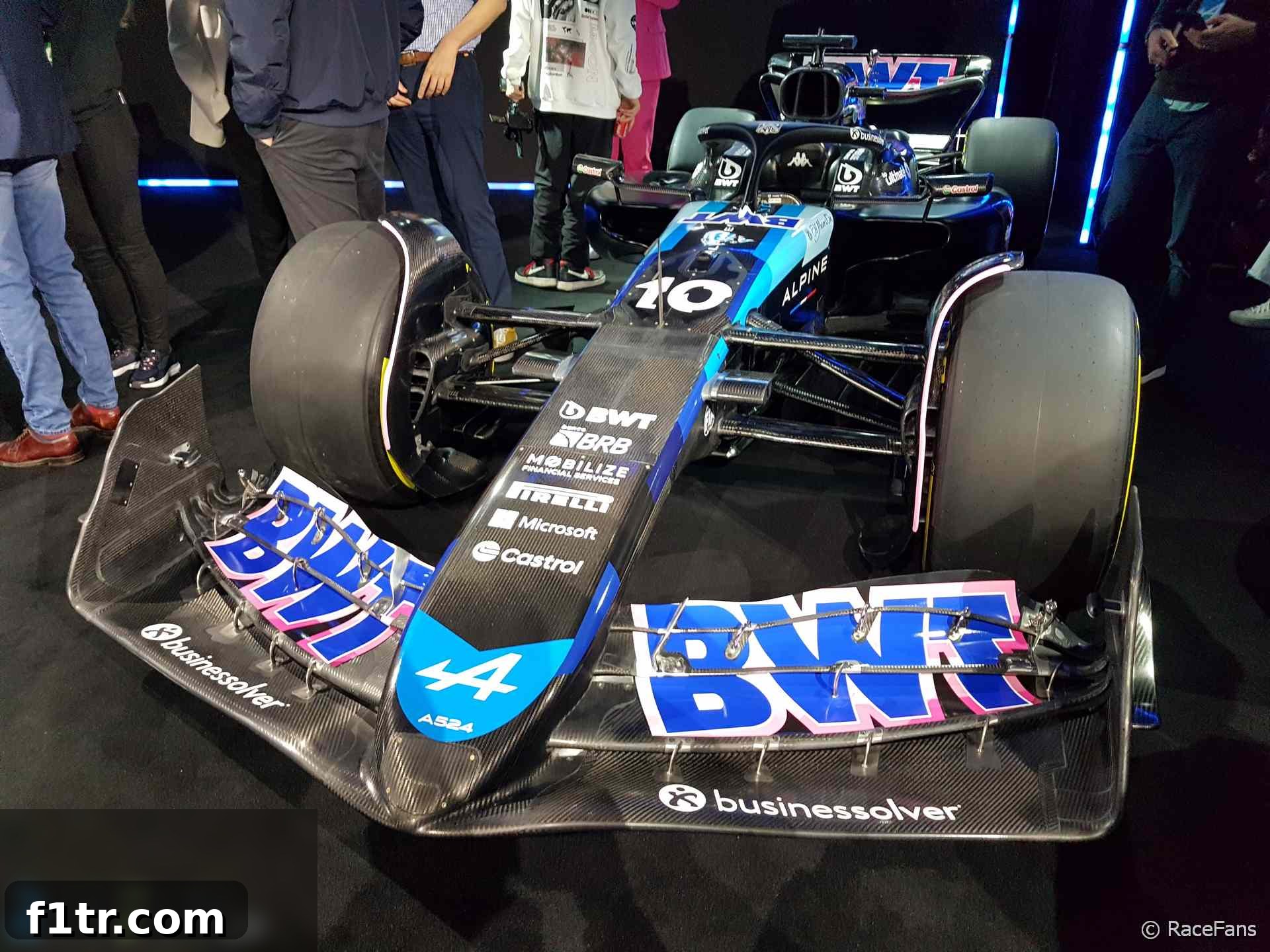
Launch season is undoubtedly one of the most thrilling periods for any Formula 1 enthusiast, marking the highly anticipated unveiling of the new machinery before a wheel is even turned in anger. Yet, for the 2024 season, this annual spectacle has been met with a noticeable undercurrent of disappointment. A striking trend has emerged, with an overwhelming prevalence of bare carbon fiber on the newly revealed cars, seemingly dulling the visual excitement that fans have come to expect.
Of the initial liveries showcased for the upcoming season, a significant majority — five out of six teams, to be precise — have prominently featured the raw, unpainted carbon weave as a core element of their design. This marks a stark contrast to previous years, where vibrant colors and intricate designs dominated. Only one team, RB, appears to have bucked this trend with a substantial amount of paint coverage, standing out amidst a sea of dark, exposed composite. As Mercedes prepares to unveil their W15 challenger, many anticipate a continuation of their all-black aesthetic from last season, further solidifying the bare carbon look across more than half the grid.
The Relentless Pursuit of Performance: Why Weight is King
The primary driver behind this growing trend is the relentless pursuit of weight reduction. Despite the current minimum weight limit for Formula 1 cars being at an unprecedented high, every single gram saved can translate into a tangible performance advantage on track. Teams are meticulously scouring every component and surface for even the slightest opportunity to shed weight, and paint, surprisingly, represents a significant target.
Modern F1 cars are complex beasts, laden with heavy hybrid power units, robust safety structures, and intricate aerodynamic components. Even a thin layer of paint across the entire surface of a car can add several kilograms. When you consider multiple layers – primer, base coat, intricate livery details, and a protective clear coat – the total weight quickly escalates. In a sport where lap times are measured in milliseconds and margins are razor-thin, sacrificing aesthetics for a performance edge, no matter how small, becomes an almost non-negotiable decision. Furthermore, in the era of budget caps, teams must allocate their resources wisely. Opting for less paint allows them to potentially invest those saved grams or budget elsewhere, perhaps in heavier but more durable or performance-enhancing components.
Fan Reactions: Identity vs. Performance
The fan base, naturally, has expressed a mixed bag of reactions to this aesthetic shift. For some, the exposed carbon is a badge of honor, a visible testament to the extreme engineering and cutting-edge materials that define Formula 1. They appreciate the raw, functional look, viewing it as a symbol of pure, unadulterated speed and efficiency. These fans often prioritize the technical brilliance and competitive aspect of the sport above all else, seeing livery as secondary to performance.
However, a vocal segment of the fanbase feels a profound sense of loss. They argue that the distinctive visual identities of teams are being eroded, replaced by a monotonous palette of black and dark hues. Formula 1 liveries are more than just elaborate advertising spaces; they are an integral part of a team’s heritage and a crucial element in building a connection with fans. Iconic color schemes like Ferrari’s Rosso Corsa, Mercedes’ Silver Arrows, McLaren’s Papaya orange, or Lotus’s JPS black and gold have historically created lasting impressions, becoming synonymous with legendary eras and drivers. The fear is that younger generations might struggle to differentiate between cars or connect with the visual storytelling that once made F1 so captivating.
This sentiment has even led to calls for regulatory intervention. Some fans believe the FIA (Fédération Internationale de l’Automobile), the sport’s governing body, should step in. Proposals range from mandating a minimum percentage of painted surface on cars to adjusting the weight limit to include a specified allowance for paint, thereby removing any disadvantage for teams choosing a more colorful, fully painted design. This raises a fundamental question about the balance between engineering freedom, competitive advantage, and the sport’s overall appeal.
The Great Debate: Should the FIA Regulate Liveries?
Arguments For Intervention
Formula 1 car liveries transcend mere sponsorship advertising; they are a vital component of the sport’s identity and appeal. They serve multiple crucial functions beyond simply promoting brands.
- Visual Identity & Heritage: A distinct livery helps fans immediately identify cars and teams, fostering loyalty and creating iconic imagery that can endure for decades. Think of the timeless designs that resonate with fans across generations. Without unique liveries, teams risk losing a significant part of their brand recognition and historical narrative.
- Fan Engagement & New Audiences: Aesthetics undoubtedly play a role in sports. Vibrant, unique liveries can capture the imagination of new and younger fans, drawing them into the spectacle of F1. A grid of largely identical-looking, dark cars might struggle to generate the same level of excitement and visual distinction, potentially hindering the sport’s ability to attract diverse audiences.
- Differentiation & Clarity: In the heat of battle, especially during rapidly unfolding race incidents, clear visual differentiation is paramount. When multiple cars share similar dark schemes, it can become challenging for commentators, officials, and even seasoned viewers to tell them apart, diminishing the viewing experience.
- Protecting the Spectacle: While performance is paramount, F1 is also a global spectacle. The FIA has historically intervened in design elements for safety, cost, or even aesthetic reasons (e.g., nose cone regulations). Preventing teams from sacrificing all visual appeal for “mere grams” of weight could be seen as protecting the overall entertainment value and distinctiveness of the sport.
Intervention could involve setting a minimum percentage of the car’s surface that must be painted, or perhaps offering a slight weight tolerance for teams that opt for full liveries, neutralizing the weight penalty.
Arguments Against Intervention
In a sport already characterized by extensive regulations governing virtually every aspect of car design and team operations, the notion of the governing body dictating livery aesthetics is met with strong skepticism by many within and outside the paddock.
- Pinnacle of Motorsport: Formula 1 prides itself on being the absolute pinnacle of motorsport, a platform where teams push the boundaries of technology and engineering in relentless pursuit of performance. Any regulation that prioritizes aesthetics over competitive advantage could be seen as undermining this core philosophy.
- Freedom to Innovate Within Rules: Teams operate under a strict minimum weight limit. How they achieve that weight, and how they allocate it across the car, is a fundamental part of their engineering freedom and competitive strategy. If running bare carbon allows them to shed weight and redistribute it to other areas for performance gains (e.g., stronger suspension components, better ballast positioning), then that is a legitimate strategic choice within the existing regulations.
- Slippery Slope Argument: If the FIA starts regulating car colors, where does it stop? Could they then dictate wing shapes, or tire compounds, based on visual appeal rather than performance or safety? Such intervention could lead to an overly prescriptive rulebook that stifles innovation and homogenizes design far beyond just paintwork.
- Focus on Core Issues: Critics argue that the FIA should concentrate its efforts on more pressing issues within the sport, such as safety, sustainability, cost control, or competitive balance, rather than delving into subjective aesthetic preferences.
- Adaptation and Evolution: Like any sport, F1 evolves. While traditional liveries are cherished, the sport must also adapt to technological advancements and competitive pressures. The current trend could be viewed as a natural evolution driven by the extreme demands of modern F1 engineering.
Ultimately, for proponents of this view, F1 is about speed, technology, and competition. If the fastest car happens to be mostly bare carbon, then so be it. Performance, not paint, should be the ultimate arbiter.
My Perspective: Performance Over Paint, But With a Glimmer of Hope
It’s undeniably easy to empathize with the legions of fans who feel a degree of disappointment with the livery designs showcased during this launch season. In recent years, F1 liveries have, for some, become somewhat uninspiring. Now, the proliferation of predominantly black cars presents a practical challenge: distinguishing between them, particularly under the artificial lights of the many night races on the calendar, can be genuinely difficult at first glance.

It’s also striking that this issue of ‘naked’ cars seems to be almost exclusively a Formula 1 phenomenon. Other major motorsport series, from IndyCar and NASCAR to the World Endurance Championship (WEC) and the World Rally Championship (WRC), rarely feature cars stripped down to such an extent. This difference likely reflects the unparalleled competitiveness and the unique technical demands at the bleeding edge of F1 development. With modern, bulky ground effect cars, every millisecond of lap time is ruthlessly hunted, leading teams to shed aspects of their visual identity for even marginal gains.
Should Formula 1 or the FIA intervene with new regulations solely to mandate more color on cars in the future? In my view, no. While the aesthetic decline is regrettable, there are far more critical areas where F1’s rule-makers should focus their attention. Over-regulating subjective elements like livery design risks diluting the core spirit of innovation and performance that defines the sport.
The most preferable and sustainable solution, which would address the root cause of the issue, would be for the sport to find a way to significantly reduce the minimum weight limit. Moving towards lighter, more agile cars, reminiscent of past eras, would naturally lessen the extreme pressure on teams to strip every gram, including paint. This would allow them more freedom to express their brand identity without sacrificing crucial performance. Thankfully, discussions are already underway to achieve precisely this goal for the next major rules overhaul scheduled for 2026. Until then, it seems we may have to grudgingly accept a bit more black on the grid as the price of peak performance.
Your Voice: Does F1 Need a Splash of Color?
Does the sport need to take action to inject more color back onto the cars on the grid? Should the FIA step in and enforce a rule regarding livery coverage? We want to hear your thoughts on this pressing debate that has captivated the F1 community.
Should the FIA enforce a rule requiring teams to paint the majority of their cars?
- No opinion (1%)
- Strongly disagree (37%)
- Slightly disagree (8%)
- Neither agree nor disagree (4%)
- Slightly agree (17%)
- Strongly agree (34%)
Total Voters: 191
(Note: An account is typically required to vote in polls. The results above reflect a past poll. Participate in future discussions to share your view!)
Continue the F1 Debate: More Discussions and Polls
- What must Formula 1 fix with its new rules – and what should it leave unchanged?
- ADUO: Do F1 teams who fall behind deserve to get help to catch up?
- F1 is considering doubling its sprint races. Do you want more or fewer?
- Will this be a fight or a rout? 20 questions for the 2026 Formula 1 season
- Which Formula 1 team has the best-looking car – and the worst – for the 2026 season?
Browse all debates and polls