Motorsport Insights: Navigating F1’s Future, Driver Salaries, and Regulatory Shifts
In this comprehensive round-up, we delve into the most pressing issues and captivating narratives shaping the world of motorsport. From the financial future of Formula 1’s elite drivers to the intricate dance of regulatory changes and groundbreaking technical innovations, we cover the essential stories. Former F1 CEO Bernie Ecclestone weighs in with a bold prediction regarding driver salaries, while key figures across F1, IndyCar, and GT racing share their perspectives on the sport’s evolving landscape.
The Future of F1 Driver Salaries: Ecclestone’s Forecast and Financial Realities
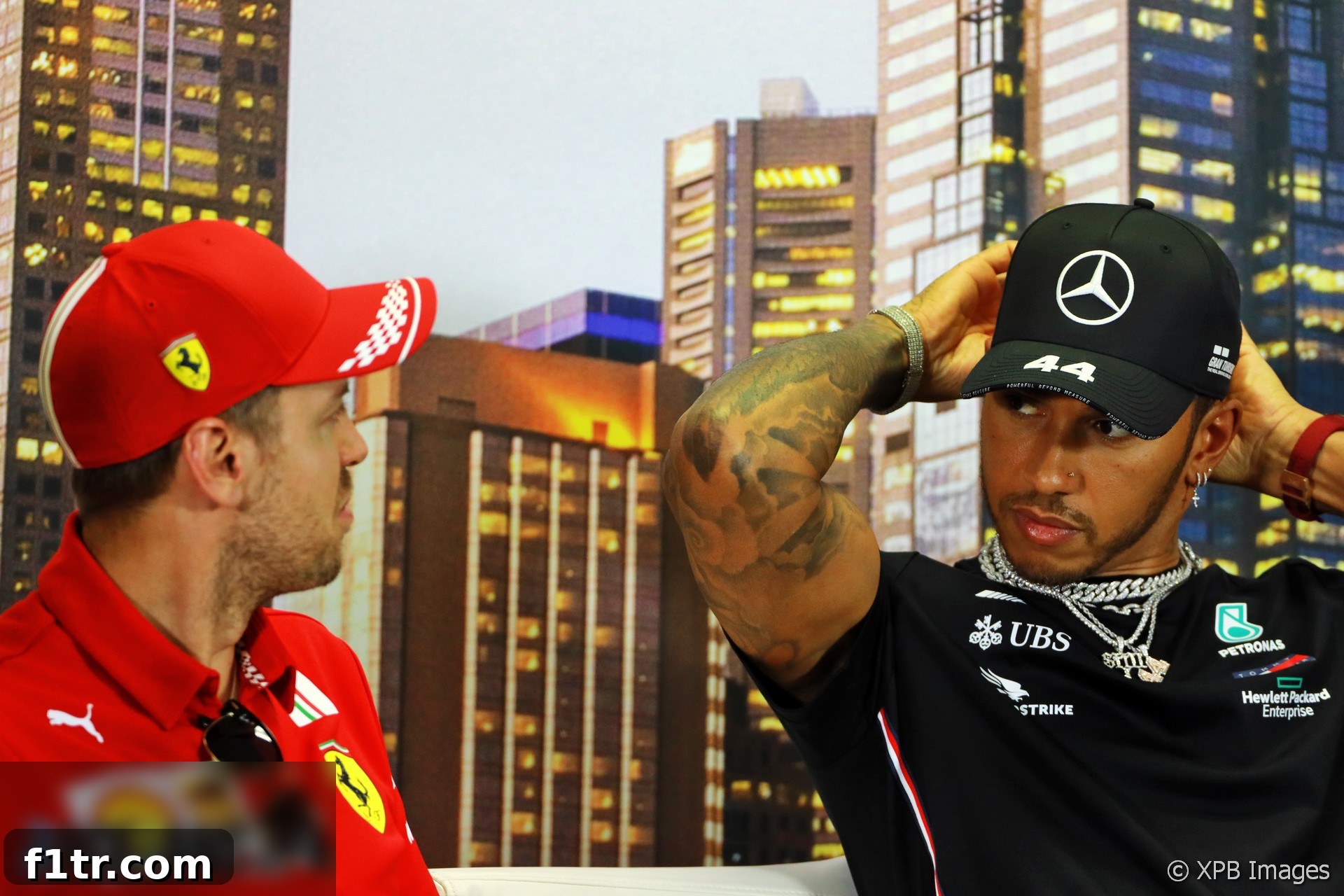
The conversation around Formula 1 driver salaries has always been a hot topic, often fueled by the astronomical figures associated with the sport’s biggest stars. However, a recent prediction from none other than Bernie Ecclestone, the venerable former F1 supremo, suggests a significant shift is on the horizon. Ecclestone, renowned for his shrewd business acumen and unparalleled insight into F1’s commercial machinery, foresees a future where even top drivers, including seven-time world champion Lewis Hamilton, will have to accept substantially lower salaries.
This stark prediction comes at a time when Formula 1, like many global sports, is grappling with the economic fallout and evolving financial models. The sport has already introduced a stringent budget cap for teams, aiming to create a more level playing field and ensure the long-term sustainability of all competitors. Ecclestone’s comments, specifically referencing a figure like Hamilton “never receiving €50 million euros (per season) again,” underscore the gravity of these anticipated financial adjustments.
For decades, F1 driver salaries have reflected not just performance, but also star power, brand appeal, and the perceived value of an elite athlete to a team’s commercial success. Lewis Hamilton, as one of the most recognizable and successful figures in global sports, currently commands one of the highest salaries in F1 history. Any reduction in such a prominent driver’s earnings would signal a fundamental recalibration of the sport’s economic structure. This could lead to intense negotiations between drivers, their agents, and teams, potentially altering the landscape of driver contracts and career trajectories in the coming years. The long-term implications for attracting new talent and retaining existing champions in F1 are undoubtedly a key point of discussion.
Social Media: Key Announcements and Fan Engagement
Notable posts from Twitter, Instagram and more offer a quick snapshot of the motorsport world’s pulse:
Motorsport social media channels continue to provide real-time updates and behind-the-scenes glimpses that engage fans worldwide. Official team and driver accounts frequently share insights into their preparations, personal lives, and reactions to racing events.
|@PWehrlein announces he is leaving @FIAFormulaE team @MahindraRacing #FE pic.twitter.com/VsuoqX0sFu
— RaceFans (@racefansdotnet) June 8, 2020
A significant development highlighted on social media was Pascal Wehrlein’s announcement regarding his departure from the FIA Formula E team Mahindra Racing. This move signifies the dynamic nature of driver contracts and team lineups within electric motorsport, a series that continues to grow in global prominence and attract top talent from various racing disciplines. Driver changes often spark considerable discussion among fans and experts alike, speculating on the reasons behind such decisions and the potential implications for both the driver’s career and the team’s future performance.
Advert | Become a RaceFans supporter andgo ad-free
- For an even broader network of official F1 accounts and key personalities to follow, explore the extensive F1 Twitter Directory.
Links: Diving Deeper into Motorsport’s Trending Topics
More motor racing links of interest, offering diverse perspectives and detailed analyses:
Advert | Become a Supporter & go ad-free
Bernie: ‘Lewis kassiert nie mehr 50 Millionen!’ (Blick – German)
As reiterated by Bernie Ecclestone, the era of exorbitant salaries for Formula 1 drivers, particularly figures like Lewis Hamilton commanding upward of €50 million per season, is drawing to a close. Ecclestone’s prediction stems from the sport’s renewed focus on financial prudence, spearheaded by the new budget cap regulations. This shift aims to ensure the longevity and competitiveness of all teams by curbing spending, and driver salaries, historically a significant expenditure, are inevitably part of this broader financial restructuring. The former F1 boss suggests that major cuts are inevitable, forcing even the sport’s biggest names to adapt to a new financial reality.
- Poll: Should Formula 1 limit how much teams can pay drivers? – This question delves into a crucial aspect of F1’s financial future: the possibility of a driver salary cap. While a budget cap for teams is now in place, the idea of extending this principle to individual driver earnings raises complex questions about fair compensation, market value, and the unique appeal of F1’s star athletes.
- How (not) to negotiate a contract with Bernie Ecclestone – A nostalgic look back at the formidable negotiating skills of Bernie Ecclestone. Throughout his tenure, Ecclestone was known for his uncompromising approach to contract talks, often outmaneuvering even the savviest of individuals. This piece serves as a reminder of his powerful influence and the strategic challenges faced by those seeking to strike a deal with the sport’s long-time ringmaster.
Penske on Indy 500: ‘We will run it only with fans’ (Racer)
Roger Penske, the visionary owner of the Indianapolis Motor Speedway and the IndyCar Series, has made a resolute declaration regarding the running of the iconic Indy 500: “We’re on for fans in August and planning on it and we feel good. It’s still almost three months from now and I think we’ll be OK. But we will run it only with fans.” This statement underscores the profound importance of spectators to major motorsport events, not just for atmosphere but also for financial viability and the overall experience. The Indy 500, often dubbed “The Greatest Spectacle in Racing,” thrives on its massive crowd, and Penske’s commitment highlights the integral role fans play in the sport’s identity and success, even amidst challenging global circumstances.
NBC Sports delivers most-watched IndyCar race since 2016 (IndyCar)
In a testament to the surging popularity of the IndyCar Series, NBC Sports’ presentation of the IndyCar series (Texas) 300 on NBC achieved remarkable viewership figures. The broadcast in primetime on Saturday night became “NBC Sports’ most-watched IndyCar race on record and the series’ most-watched race since 2016, excluding Indy 500s.” This impressive statistic speaks volumes about the growing appeal of open-wheel racing in North America. Strong television ratings are crucial for any sport, attracting sponsors, solidifying broadcast partnerships, and ultimately contributing to the series’ long-term health and expansion. The competitive racing and compelling narratives within IndyCar are clearly resonating with a wider audience.
Red Bull has nothing to fear about cost cap (Autosport)
Amidst the introduction of Formula 1’s budget cap, Red Bull Racing, a team often associated with significant spending and aggressive development, has expressed confidence. Their stance, articulated as, “I’ve taken a holistic view of this, and I believe the cream will always rise to the top at the end of the day. So whatever the regulations are, it’s down to us to adapt to ensure that we’re as competitive as we can be,” reflects a belief in their engineering prowess and adaptive capabilities. The cost cap aims to level the playing field, making efficiency and intelligent resource allocation paramount. Red Bull’s optimism suggests they see this as an opportunity to demonstrate their innovative spirit and maintain their competitive edge through smarter, rather than simply bigger, spending.
Mercedes introduces a mechanical third suspension element (Motorsport Week)
In the relentless pursuit of performance, technical innovations are a cornerstone of Formula 1. Mercedes, a dominant force in recent years, has reportedly introduced a sophisticated mechanical third suspension element on their W11 challenger. This advancement, described as offering a “lighter behaviour and transmits the asphalt disconnections in a more linear way, without pitch peaks” compared to traditional hydraulic systems, highlights the intricate engineering involved in F1. Furthermore, the W11 is said to feature greater rake, meaning the front of the car sits significantly lower than the rear. These subtle yet profound aerodynamic and mechanical adjustments are critical for optimizing grip, tire wear, and overall car stability, demonstrating Mercedes’ ongoing commitment to pushing the boundaries of what’s possible in F1 design.
Are the days of full factory GT racing numbered? (Daily Sportscar)
The landscape of GT racing is also facing significant economic challenges, leading to questions about the long-term sustainability of full factory-backed efforts. The article posits, “The problem today is if you put one pro driver in the car, you need someone to pay for the pro driver in the car. You have a very limited number of pro drivers that can buy themselves in, or their family can support them with, the cost of them racing in a GT3 car.” This statement illuminates the financial model prevalent in many GT series, where a professional driver often needs to be subsidized by an amateur “gentleman driver” or external funding. As costs rise and corporate sponsorships become more scrutinised, the viability of maintaining extensive factory programs becomes increasingly difficult, potentially ushering in an era of more privateer-focused GT racing.
We always endeavour to credit original sources. If you have a tip for a link to feature in the next RaceFans round-up please send it in via the contact form.
Advert | Become a RaceFans supporter andgo ad-free
Comment of the Day: Unpacking F1’s Regulatory Dilemmas
Advert | Become a Supporter & go ad-free
Does F1’s aero handicap show the sport is on a slippery slope?
I’m a little concerned by all this.
First a budget cap was agreed – something I think we all agreed was well overdue.
Then all of a sudden, it gets reduced and in addition this handicap (yes Ross it is a handicap system) is introduced to assist in getting the backmarkers further forward and to handicap the top teams development efforts.
I had the impression that the aero regulations had been added to temporarily try to get more balance, albeit artificially, in the short term. I’d actually thought I’d seen that referenced somewhere (that it was a temporary measure) but maybe I just misinterpreted the rules.
What bothers me though is that what seemed to be a solid plan to limit budgets, change the technical regulations to reduce dirty air and converge team’s performance is now turning into a bit of a “let’s throw in a whole heap of things and something hopefully will work” routine.
Surely we can at least measure the effect of the 2022 changes and 2021 budget cap before we need to throw up yet more regulations. What to me seemed like a sensible path now seems to be becoming a panic path when there’s no need for it.
DB-C90 (@dbradock)
Today’s featured comment from DB-C90 (@dbradock) encapsulates a growing sentiment among F1 enthusiasts and analysts regarding the sport’s ever-evolving regulatory framework. The initial agreement on a budget cap was widely hailed as a positive, long-overdue step towards sustainability and competitive parity. However, the subsequent reduction of this cap, coupled with the introduction of an “aero handicap” system (often referred to as Aerodynamic Testing Restrictions or AER), has sparked considerable debate.
The core concern raised by the commenter is the perception that F1 might be moving down a “slippery slope” of over-regulation. The aero handicap system is explicitly designed to limit the aerodynamic development capabilities of top-performing teams, granting more wind tunnel and CFD time to those lower down the constructors’ standings. While the intention is to help backmarkers catch up and make the grid closer, it introduces an artificial element of convergence.
DB-C90 questions the timing and cumulative effect of these changes. The implementation of the 2022 technical regulations, designed to promote closer racing by reducing “dirty air,” and the 2021 budget cap are significant shifts in their own right. The sentiment is that these major reforms should be given time to mature and demonstrate their impact before additional, potentially reactive, measures like the aero handicap are layered on. The fear is that a “panic path” of introducing too many regulations simultaneously could lead to unintended consequences, muddying the waters and making it difficult to ascertain which changes are truly beneficial for the sport. This ongoing dialogue highlights the delicate balance F1 must strike between maintaining a meritocracy driven by innovation and engineering excellence, and creating an accessible, exciting spectacle for fans.
Happy Birthday!
A warm happy birthday shout-out to our community members, Stevo and Ricardo Marques! We hope you have a fantastic day celebrating.
If you’d like to receive a birthday shout-out in our future round-ups, please share your special day with us via the contact form or by adding your details to our dedicated list here.
On This Day in F1: Celebrating Legends
- Exactly 30 years ago today, the legendary Ayrton Senna showcased his unparalleled skill by securing pole position for the Canadian Grand Prix at the iconic Circuit Gilles Villeneuve. Senna’s pole laps were often a masterclass in car control and raw speed, and this achievement at one of F1’s most challenging tracks further cemented his status as one of the sport’s all-time greats. His legacy continues to inspire generations of drivers and fans.