Ross Brawn’s Apology: Unpacking the Chequered Flag Incident at the 2018 Canadian Grand Prix
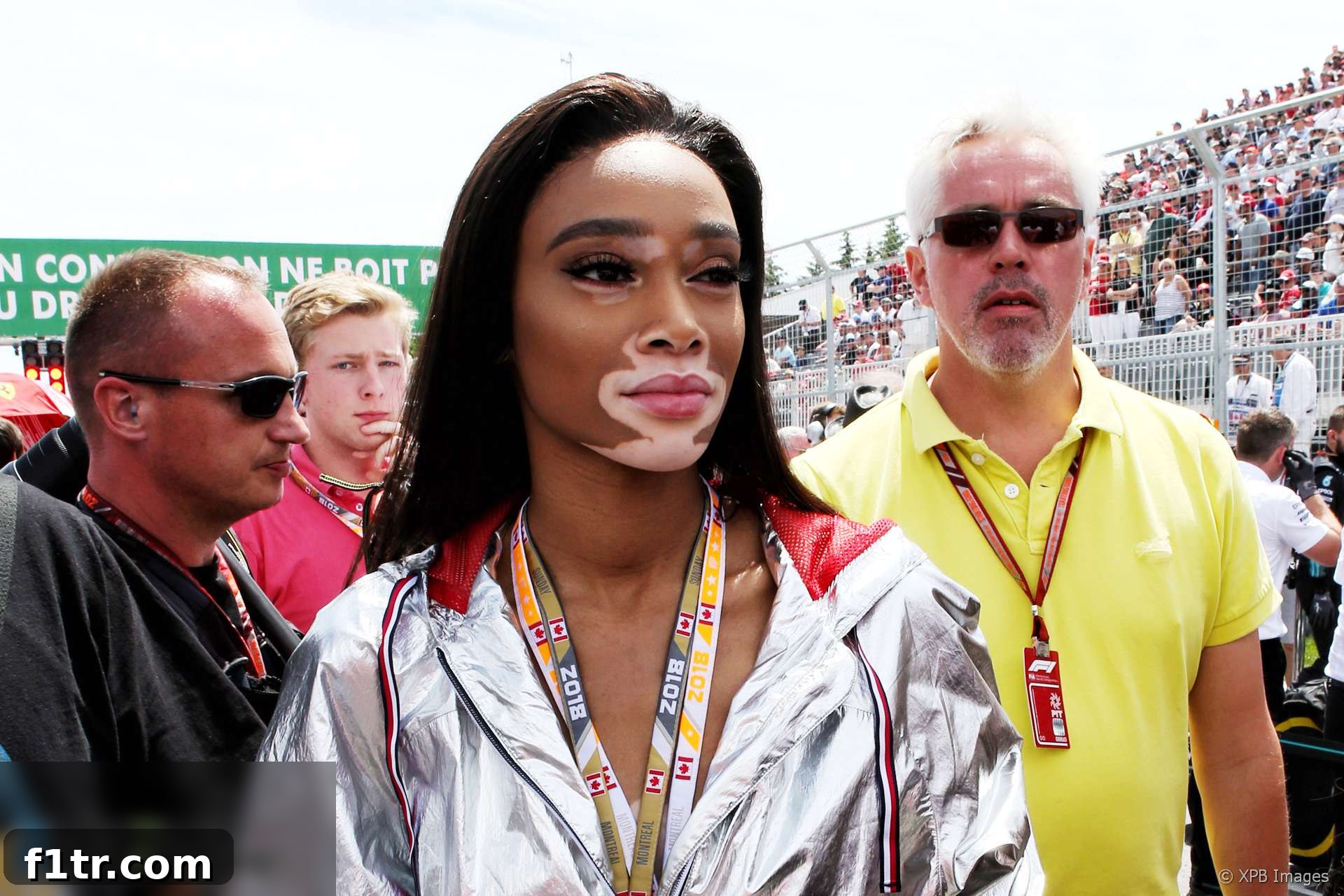
The exhilarating world of Formula 1 is often a theatre of precision, speed, and strategic brilliance. However, even in this meticulously managed environment, human error can sometimes take centre stage, leading to unexpected moments that spark widespread discussion. One such incident occurred at the 2018 Canadian Grand Prix, where a premature waving of the chequered flag by celebrity guest Winnie Harlow inadvertently cast a shadow over the race’s conclusion. This event, initially met with public criticism directed at Harlow, soon prompted a decisive intervention from Formula 1’s then-Managing Director of Motorsports, Ross Brawn, who issued a heartfelt apology on behalf of the sport.
This article delves into the specifics of the incident, the subsequent public reaction, Ross Brawn’s powerful statement defending Winnie Harlow, and the broader implications for race control and celebrity involvement in Formula 1. It underscores F1’s proactive approach to accountability and its unwavering commitment to learning from mistakes, ensuring the integrity and smooth running of future events.
The Premature Chequered Flag Incident: A Moment of Confusion
The 2018 Canadian Grand Prix was a thrilling spectacle, culminating in Lewis Hamilton securing a dominant victory. As the race neared its anticipated conclusion, excitement mounted for the final lap. However, a moment of confusion unfolded when international model Winnie Harlow, invited as a celebrity guest to wave the chequered flag, did so a full lap too early. Instead of signalling the end of the 70-lap race, the flag was waved after just 69 laps had been completed.
The chequered flag is arguably the most iconic symbol in motorsport, signifying the official end of a race. Its premature display can have serious ramifications, potentially impacting official results or, at the very least, creating disarray among teams and drivers. In this particular instance, while the early flag didn’t alter the race winner – as Hamilton was already well on his way to securing victory – it did raise questions about procedural accuracy and communication within race control. The immediate aftermath saw discussions begin amongst officials to ascertain the root cause of this highly visible error.
Unfair Scrutiny: Winnie Harlow as an “Innocent Victim”
Following the incident, the initial public response, particularly across social media platforms, was swift and often severe. Winnie Harlow found herself subjected to widespread criticism and blame from a segment of Formula 1 fans. Many were quick to point fingers, attributing the error directly to her without full knowledge of the underlying circumstances. This wave of online negativity highlighted the often-unforgiving nature of public scrutiny, especially when celebrities are involved in high-profile incidents.
However, the narrative quickly shifted as the truth emerged. FIA Race Director Charlie Whiting, a highly respected figure in motorsport, promptly clarified the situation. He explained that Harlow had simply followed the instructions given to her by race officials. The error, he confirmed, stemmed from a miscommunication between two officials regarding the precise timing of the flag wave, leading to the incorrect instruction being passed on. This crucial clarification painted Harlow not as the perpetrator of a mistake, but as an unsuspecting participant caught in an operational oversight.
Ross Brawn’s Decisive Apology and Defence
In response to the escalating criticism directed at Winnie Harlow and to address the incident transparently, Ross Brawn, then Formula 1’s Managing Director of Motorsports, issued a comprehensive statement. Brawn emphatically described Harlow as an “innocent victim” in the mix-up, taking full responsibility on behalf of Formula 1. His intervention was a crucial moment, demonstrating the sport’s commitment to fairness and accountability.
Brawn’s statement was not merely an apology for the error itself, but also a strong defence of Harlow, who had endured unwarranted public backlash. He reiterated Charlie Whiting’s explanation, confirming that Harlow had merely acted upon the instructions she received. “I was sad to see her so heavily criticised when, as race director Charlie Whiting explained, it was all down to a misunderstanding between two officials. Winnie simply followed the instructions she was given and I want to apologise for the grief she received and thank her for supporting Formula 1,” Brawn stated, highlighting the importance of protecting individuals who are guests of the sport.
His apology served multiple purposes: it cleared Harlow’s name, underlined the institutional responsibility for operational errors, and reinforced Formula 1’s ethos of learning and improvement. This act of leadership helped to restore balance to the public discourse and demonstrated the sport’s respect for its guests and fans.
A History of Human Error: Learning from Precedents
The 2018 Canadian Grand Prix incident, while notable for its celebrity involvement, was not an isolated event in the history of motorsport. Ross Brawn himself acknowledged this, referencing a similar occurrence in 2014 at the Chinese Grand Prix. In that instance, the chequered flag was also waved prematurely, signalling the end of the race a lap too early. Crucially, Brawn pointed out that the 2014 error involved an official, not a celebrity guest, underscoring that human error is a factor irrespective of who holds the flag.
The FIA’s sporting regulations have specific clauses to address such situations. For example, Article 57.2 of the F1 Sporting Regulations states that if a race is stopped early, the results are taken from the end of the penultimate lap before the lap the signal was given. This provision ensures that despite an error, the integrity of the race results can be maintained. These historical precedents serve as vital reminders that even in highly regulated and technologically advanced sports like Formula 1, human elements can introduce unforeseen challenges. The saying, “to err is human,” holds particular relevance in this context, extending to everyone involved in the intricate machinery of Grand Prix racing – from drivers and engineers to race officials and organisers.
The Critical Role of Communication and Protocol in F1 Race Control
The Canadian Grand Prix flag incident vividly illustrated the critical importance of clear, unambiguous communication and robust protocols within Formula 1 race control. F1 is a sport operating at the highest echelons of speed and pressure, where every decision and instruction has the potential to impact the outcome, safety, and official proceedings of a race.
Race control is a complex hub where numerous officials monitor every aspect of the event, from track conditions and driver movements to flag signals and regulatory compliance. The incident highlighted a momentary breakdown in the communication chain, where a crucial instruction regarding the timing of the chequered flag was delivered incorrectly. This underscores the need for redundant checks, streamlined information flow, and comprehensive briefings, especially for ceremonial duties like flag waving where external personalities are involved. Ensuring that all personnel, regardless of their role or celebrity status, receive accurate and timely information is paramount to maintaining the seamless operation expected of a world-class sporting event. Continuous review and refinement of these protocols are essential to mitigate the risk of similar errors occurring in the future.
Learning from Mistakes: A Continuous Pursuit of Perfection
Ross Brawn’s concluding remarks in his statement encapsulated Formula 1’s philosophy towards incidents of this nature: “The important thing is to learn from them and try to prevent them happening again in the future.” This sentiment reflects a fundamental principle in F1 – the relentless pursuit of perfection and continuous improvement. Every incident, no matter how minor, presents an opportunity for analysis, adaptation, and enhancement of procedures.
In the wake of the Canadian Grand Prix error, it is highly probable that F1 and the FIA reviewed their protocols for guest involvement and flag-waving duties. This might include more thorough briefings for celebrity guests, clearer communication lines between race control and flag marshals, or even the implementation of electronic flag systems to provide a definitive signal that complements or even supersedes traditional flag waving. The incident served as a powerful reminder that while technology plays an increasingly dominant role in F1, the human element remains vital, and thus, robust training, communication, and oversight are indispensable. By proactively addressing these issues, Formula 1 reinforces its commitment to delivering flawless sporting events for its global audience.
Conclusion: Reinforcing Trust and Integrity
The chequered flag incident at the 2018 Canadian Grand Prix, initially a source of confusion and unfair blame, ultimately became a testament to Formula 1’s integrity and leadership. Ross Brawn’s prompt and empathetic apology not only vindicated Winnie Harlow but also underscored the sport’s commitment to accountability and learning. It reinforced the message that while errors are an inevitable part of any human endeavour, how those errors are addressed defines an organisation’s character.
Formula 1 continues to evolve, pushing the boundaries of technology and competition. However, this incident served as a valuable reminder that meticulous attention to detail, clear communication, and the human touch remain at the heart of its operations. By taking responsibility and implementing lessons learned, F1 ensures that it not only maintains its reputation as the pinnacle of motorsport but also fosters a culture of respect and continuous improvement, ensuring that the magic of Grand Prix racing remains untarnished for generations of fans to come.
Explore More from the 2018 F1 Season
- F1 feared “death knell” for Drive to Survive after Ferrari and Mercedes snub
- McLaren staff told us we were “totally crazy” to take Honda engines in 2018 – Tost
- ‘It doesn’t matter if we start last’: How Red Bull’s junior team aided Honda’s leap forward
- Honda’s jet division helped F1 engineers solve power unit problem
- McLaren Racing losses rise after Honda split
Browse all 2018 F1 season articles