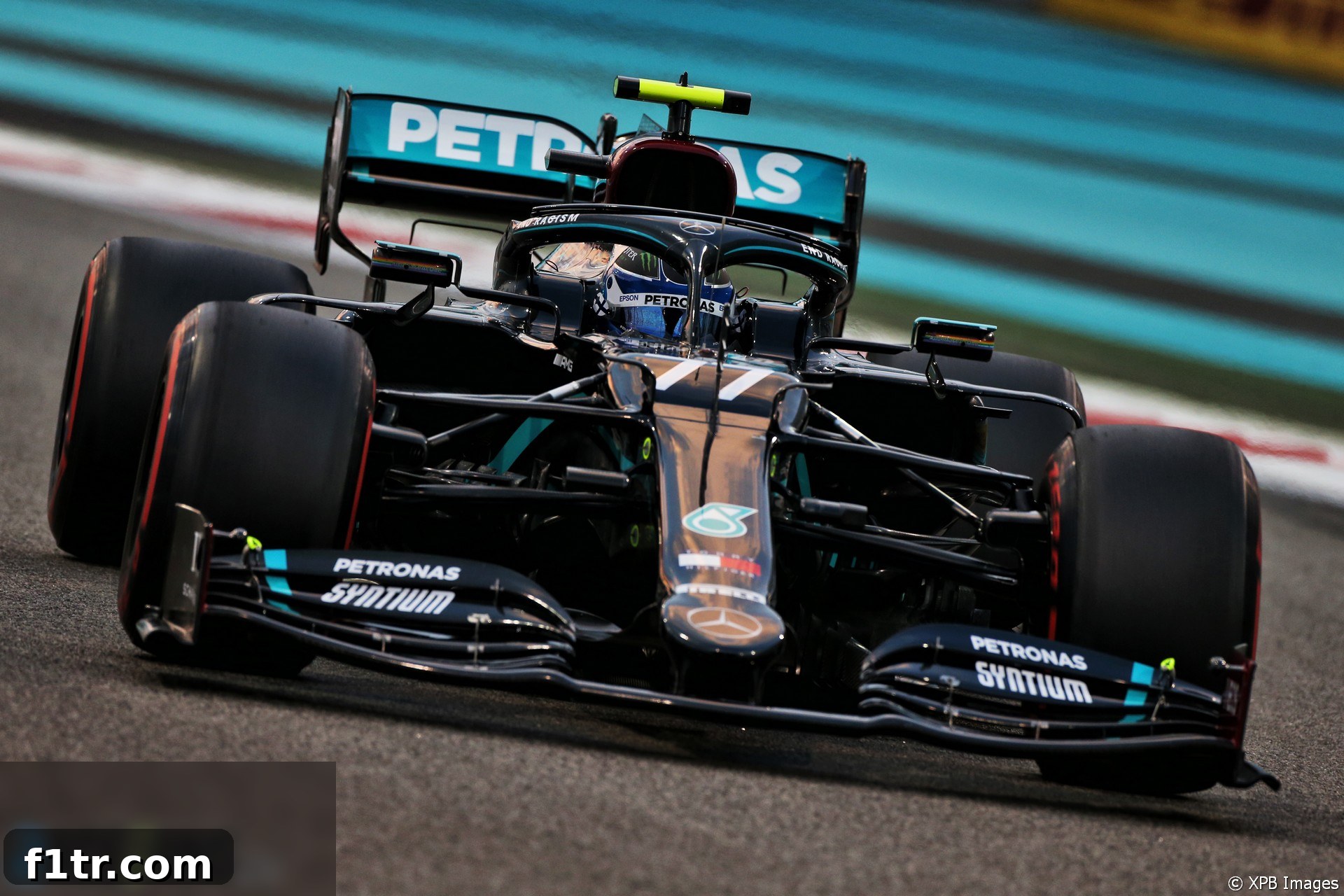
Toto Wolff’s Rare Radio Intervention Ignites Valtteri Bottas’s Qualifying Performance
In a rare and notable departure from his usual silence on the team radio, Mercedes-AMG F1 Team Principal Toto Wolff delivered a direct message of encouragement to Valtteri Bottas during a high-stakes qualifying session. This unusual communication, which occurred during the critical final segment of qualifying, was not a spontaneous act but the result of prior discussions between the Finnish driver and his Austrian team boss. The incident provided a fascinating glimpse into the intricate psychology of elite motorsport and the nuanced dynamics within one of Formula 1’s most successful teams.
Toto Wolff is widely known for his reserved approach to team radio communication during live sessions. Unlike some other team principals who might frequently interject with strategic advice or motivational shouts, Wolff has long maintained that his deliberate absence from the airwaves is a conscious decision designed to allow his drivers maximum focus. His rare appearances on the radio have almost exclusively been reserved for congratulating a driver on a significant victory or milestone. However, this convention was broken during the Abu Dhabi Grand Prix qualifying session, marking a pivotal moment in the battle for pole position.
The Unprecedented Message: “All You Have, Valtteri”
During the intense final pole position shoot-out in Q3, as Bottas prepared for his crucial second run, Wolff’s voice unexpectedly cut through the radio chatter. His concise and powerful message – “All you have, Valtteri” – was a clear and direct plea for maximum effort, delivered at a moment when every thousandth of a second mattered immensely. This direct appeal from the team principal underscored the immense pressure and the fine margins at play in Formula 1 qualifying, where a single lap can define a driver’s weekend.
Following this encouraging message, Bottas responded with a blistering lap that initially placed him in provisional pole position. He impressively outpaced his esteemed teammate, Lewis Hamilton, by less than a tenth of a second, showcasing the kind of raw speed and precision for which he is renowned. The excitement, however, was short-lived. Red Bull Racing’s Max Verstappen then delivered an even more extraordinary lap, clocking a time just 25 thousandths of a second quicker than Bottas. This agonizingly narrow margin denied Bottas what would have been his sixth pole position of the year, a result that highlighted both his exceptional performance and the ruthless competitiveness at the pinnacle of motorsport.
Bottas’s Perspective: A Personal Connection and Team Support
When questioned about the unusual intervention, Bottas offered a candid explanation, shedding light on the personal and professional understanding between him and Wolff. “He can always talk to us if he wants,” Bottas stated, downplaying the surprise element while acknowledging the significance of the interaction. He elaborated, “The last days we’ve had a chat about different things. We’re a team and we support each other. If we feel like you can support another person in the team with encouragement or certain words, you do it.”
Bottas’s response highlighted the deep-seated ethos of mutual support within the Mercedes team. He emphasized that this wasn’t a one-way street of encouragement but a reciprocal dynamic. “I would do the same for any team member,” he affirmed, underscoring a culture where psychological and emotional backing is as crucial as technical and strategic input. He concluded by describing the event as “more of a personal thing,” suggesting a deeper, perhaps unspoken, understanding between himself and Wolff that transcends standard professional boundaries. This personal aspect is crucial in the high-pressure environment of F1, where a driver’s mental state can be as impactful as their car’s performance.
Wolff’s Rationale: A Tailored Approach to Driver Management
Toto Wolff himself later confirmed the pre-discussed nature of the radio communication in an interview with Sky Sports. He acknowledged the delicate balance involved in such interventions: “It’s always tricky when you talk to the driver before qualifying or the race, but it’s something we discussed.” Wolff’s revelation that Bottas had expressed a need for “a little feedback” from him is particularly insightful. It reveals a personalized approach to driver management, where Wolff adapts his leadership style to the individual needs of his drivers.
This willingness to break from established protocol, specifically at a driver’s request, speaks volumes about Wolff’s leadership philosophy. It demonstrates a profound trust and open communication channel between the team principal and his driver. For Bottas, who has often faced intense scrutiny and pressure as Lewis Hamilton’s teammate, a direct message from Wolff could have provided a vital boost of confidence or a crucial mental reset in the heat of the moment. It suggests that Wolff recognized Bottas might benefit from a more direct, personal touch to unlock his full potential under extreme pressure, moving beyond the usual focus on engineering and strategy.
The Psychology of Performance in Formula 1
The incident between Wolff and Bottas offers a compelling case study into the psychology of high-performance athletes in Formula 1. Drivers operate at the absolute limit, not just physically but mentally, where split-second decisions and unwavering focus are paramount. The smallest external factor, whether positive or negative, can impact their performance. A well-timed word of encouragement from a respected figure like Wolff can act as a powerful motivator, reaffirming trust and boosting confidence at a critical juncture. It can help a driver clear their mind, redouble their efforts, and find that extra fraction of a second.
Conversely, an ill-timed or distracting message could be detrimental. This is precisely why Wolff’s usual policy is to stay off the radio. The fact that he deviated from this policy, and that it was a pre-arranged agreement, highlights the deliberate and strategic thinking behind the communication. It wasn’t about giving tactical instructions, but rather providing psychological reinforcement, tailored to Bottas’s specific requirements in that intense qualifying moment.
Mercedes Team Dynamics and Leadership Insights
This episode also provides deeper insights into the internal dynamics of the Mercedes-AMG F1 team. Widely regarded as one of the most professional and successful organizations in F1 history, Mercedes thrives on a blend of cutting-edge engineering, strategic prowess, and a highly cohesive team environment. Wolff’s action demonstrates a flexible and empathetic leadership style that prioritizes the well-being and optimal performance of his drivers.
It’s a testament to the strong relationship between Bottas and Wolff, built on years of collaboration and shared successes. Such an open dialogue, where a driver feels comfortable enough to request a specific type of support from their team principal, is not common across the entire grid. It reflects a culture of trust where personal needs are acknowledged and addressed, rather than being overshadowed by purely technical or results-driven demands. This approach has undoubtedly contributed to Mercedes’ sustained dominance, allowing their drivers to perform at their peak by addressing both their technical and psychological needs.
Valtteri Bottas’s Ongoing Quest for the Top Step
For Valtteri Bottas, the battle for pole position at the Abu Dhabi Grand Prix was emblematic of his season – often incredibly close to the front, yet sometimes just narrowly missing out on the ultimate prize. Competing alongside a seven-time world champion like Lewis Hamilton, Bottas has faced immense pressure to perform consistently at an elite level. Moments like this, where he took provisional pole and was then pipped by mere milliseconds, underscore both his undeniable talent and the formidable challenge of competing against the very best.
Wolff’s intervention can be seen as an act of faith and support for Bottas, a reinforcement of the team’s belief in his capabilities. It’s a subtle but powerful reminder that despite the intense competition, both internal and external, the team leadership is fully invested in his success. This kind of personalized motivation can be invaluable for a driver striving to find that extra edge and maintain mental fortitude throughout a demanding Formula 1 season.
Conclusion: A Glimpse Behind the Curtain
The unusual radio message from Toto Wolff to Valtteri Bottas was more than just a fleeting moment during qualifying; it was a revealing glimpse behind the curtain of Formula 1. It underscored the intricate psychological demands placed upon drivers, the nuanced leadership required to manage elite athletes, and the profound trust that underpins successful team dynamics. It demonstrated that even in a sport driven by technological innovation and strategic precision, the human element – encouragement, empathy, and personal connection – remains absolutely vital in the relentless pursuit of perfection.
This incident will likely be remembered not just for the battle for pole position, but for the unexpected and impactful communication that briefly illuminated the complex relationship between a driver and their team principal in the high-octane world of Formula 1.
Related Articles: 2020 Abu Dhabi Grand Prix
- Mercedes also had MGU-K concerns over Russell’s car
- Ferrari hail “outstanding professional” Vettel after his final drive for team
- 2020 Abu Dhabi Grand Prix Star Performers
- Driver line-up confirmed for Yas Marina test, two teams won’t attend
- Paddock Diary: Abu Dhabi Grand Prix
Browse all 2020 Abu Dhabi Grand Prix articles