IndyCar’s Hybrid Revolution: Powering into a New Era in 2022
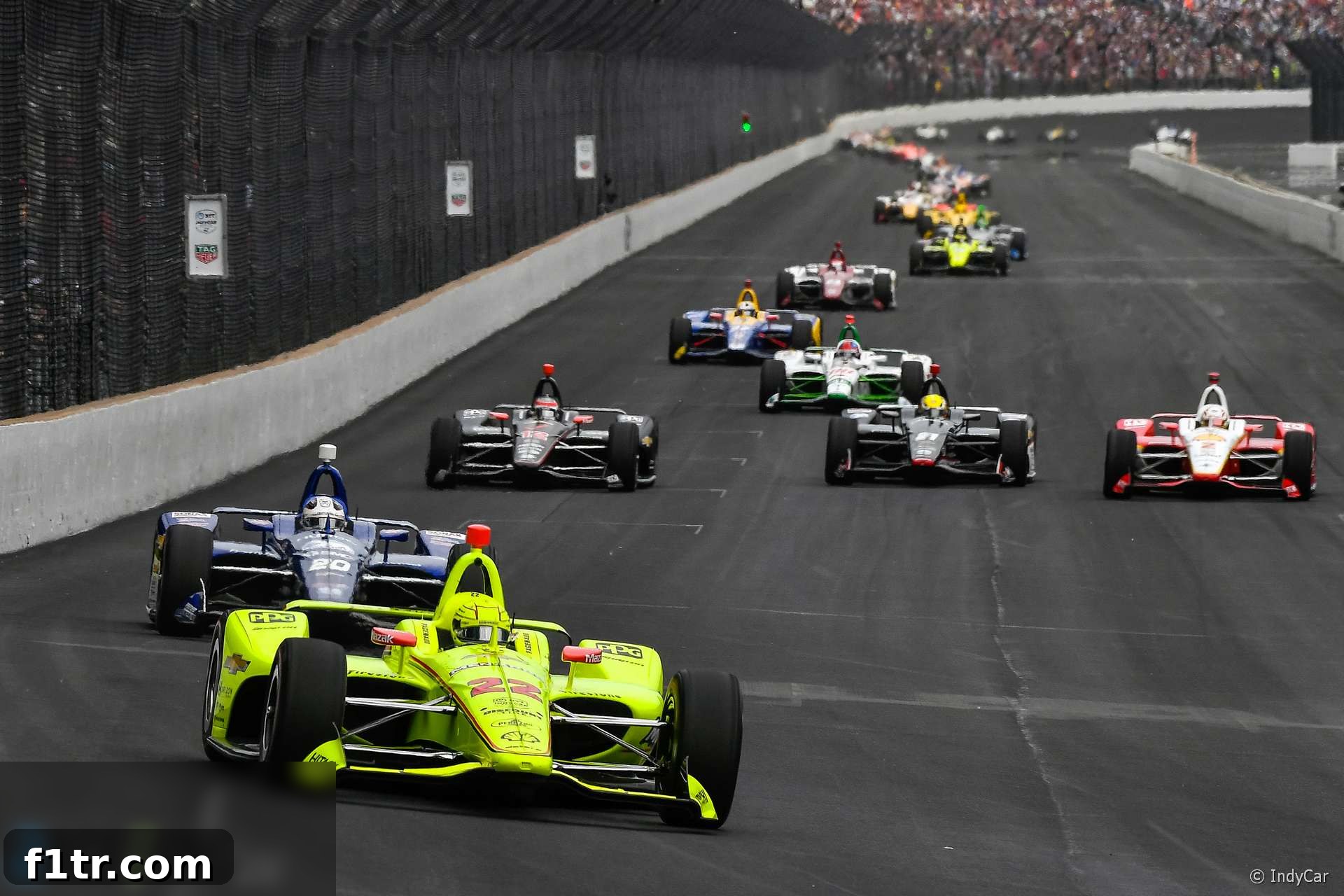
The electrifying world of IndyCar racing is poised for a monumental shift, as the championship strategically delays the introduction of its next-generation engine format from 2021 to the highly anticipated 2022 season. This pivotal decision is engineered to facilitate the seamless integration of a cutting-edge hybrid system, a technological leap that promises to fundamentally reshape the performance, strategy, and overall spectacle of North America’s premier open-wheel series. This move underscores IndyCar’s unwavering commitment to embracing advanced automotive technology while meticulously preserving the core elements that have long defined its thrilling brand of racing: raw speed, distinctive sound, and authentic competition.
Advert | Become a Supporter & go ad-free
Unleashing Unprecedented Power: The Leap to Over 900bhp
Currently, the formidable machines of IndyCar are propelled by robust twin-turbocharged 2.2-litre V6 engines, which are engineered to produce an impressive maximum output of up to 700 brake horsepower (bhp). This powertrain configuration has consistently delivered high-octane races and breathtaking speeds across the diverse challenges of IndyCar’s schedule, from high-banked ovals to intricate street circuits and demanding road courses. However, the future promises an even more potent and exhilarating spectacle. Commencing in 2022, the series will adopt an innovative “single-source” hybrid power unit. This advanced new system is projected to elevate the total power output to an astounding figure exceeding 900 bhp. Such a substantial increase in horsepower represents a significant stride forward in racing technology, promising not only faster lap times and more explosive acceleration but also placing an even greater emphasis on precision driving skill and sophisticated engineering strategies.
Strategic Advantages on Track: Enhanced Push-to-Pass and Self-Starting Engines
The integration of hybrid technology within IndyCar is far more profound than a mere increase in raw power; it represents a strategic evolution in intelligent power delivery and dynamic race management. IndyCar envisions these new hybrid engines bringing a multitude of tactical and operational benefits that are set to fundamentally alter how races unfold. One of the most eagerly anticipated enhancements is the significant amplification of the series’ iconic push-to-pass system. In its current form, push-to-pass offers drivers a temporary, calculated burst of horsepower, often proving decisive for executing overtakes or fending off aggressive rivals. With the additional reserves provided by the hybrid power, this system is anticipated to become even more potent and impactful, offering a more dramatic and effective strategic advantage. This will undoubtedly lead to more intense wheel-to-wheel battles and make the judicious deployment of push-to-pass an even greater differentiator for successful drivers and highly astute race engineers.
Beyond the immediate performance boost, the hybrid system introduces a critical operational innovation: the invaluable ability for drivers to restart their engines without requiring external assistance. Under the existing regulations, should an IndyCar stall on track – whether due to a spin, a collision, or a mechanical issue – a dedicated safety crew must physically attend to the vehicle with an external starter motor. This process inevitably leads to delays, extends caution periods, and can fragment the flow of a race. The new self-restart capability, a standard feature in many modern hybrid motorsport categories globally, will drastically minimize the time lost during these caution periods. The direct consequence will be fewer laps run under the yellow flag, preserving the integrity and continuity of the race, maximizing precious green flag racing action, and ultimately delivering a more uninterrupted and engaging spectacle for dedicated fans. The championship’s official statement underscored this potential, noting that this innovation could “potentially improve the pace and overall time of races,” hinting at a more efficient and consistently action-packed race duration.
Synchronizing Innovation: Engine and Chassis Evolution for Optimal Performance
The astute decision to delay the new engine format’s introduction aligns perfectly with another monumental technological undertaking: the planned replacement of IndyCar’s enduring DW12 chassis. The DW12, which first graced the racetracks in 2012, has served as the stalwart backbone of the series for almost a decade, proving itself as a stable, robust, and reliable platform. However, the rapidly evolving demands of contemporary motorsport, coupled with the imminent introduction of significantly more powerful and complex hybrid engines, necessitate a thoroughly updated and advanced chassis design. Bringing both the new engine and chassis introductions into perfect synchronicity in 2022 offers a holistic and integrated approach to vehicle development. This carefully coordinated evolution empowers engineers to design and optimize the chassis and power unit in tandem, ensuring that aerodynamics, weight distribution, structural integrity, and overall vehicle dynamics are meticulously tailored to best harness the formidable new hybrid power while simultaneously upholding the highest safety standards and preserving the distinctive aesthetic appeal of an IndyCar.
Paving the Way for New Engine Manufacturers and Enhanced Competition
One of the most compelling and strategically vital potential outcomes of this comprehensive technological overhaul is the considerably increased opportunity for new engine manufacturers to enter and compete on the IndyCar grid. Currently, the championship features a highly competitive yet limited duopoly between two established automotive giants: Chevrolet and Honda. The adoption of a sophisticated, relevant, and cutting-edge hybrid power unit makes IndyCar a significantly more attractive and compelling proposition for other global automotive brands seeking a prominent platform for technological demonstration and marketing. Hybrid technology, being central to contemporary road car development and sustainable mobility strategies, offers a direct and powerful link between innovations forged on the racetrack and the consumer vehicles driven on public roads. The addition of a new manufacturer would not only inject fresh competition and accelerate further innovation but also potentially elevate the global profile and reach of the series. IndyCar’s far-sighted commitment to retaining its next engine format in place until 2027 provides a crucial and stable regulatory framework, which is essential for attracting and securing long-term manufacturer investment, fostering continuous competitiveness, and ensuring sustained technological advancement within the sport.
IndyCar President Jay Frye on Balancing Tradition with Progressive Technology
IndyCar President Jay Frye eloquently articulated the series’ guiding philosophy regarding these monumental impending changes. He stated, “As we move toward the future, we will remain true to our racing roots of being fast, loud and authentic, and simultaneously have the ability to add hybrid technology that is an important element for the series and our engine manufacturers.” This powerful statement perfectly encapsulates the delicate yet crucial balance IndyCar aims to strike: evolving dynamically with the times and enthusiastically embracing highly relevant automotive technology, all without sacrificing the inherent DNA that fundamentally defines its unique and thrilling brand of open-wheel racing. The visceral, roaring sound of IndyCars, their incredible, blistering speed, and the raw, authentic physical and mental challenge they present to elite drivers are all integral components of the championship’s enduring appeal to fans worldwide. The strategic introduction of hybrid power is thus envisioned not as a compromise or dilution of these cherished values, but rather as an enhancement – a sophisticated layer that ensures IndyCar remains at the forefront of motorsport innovation while consistently delivering the breathtaking and unpredictable spectacle that fans have come to eagerly anticipate and profoundly love.
The Unanswered Question: Weight Implications and Performance Trade-offs
While the myriad benefits of the new hybrid system are unequivocally clear and highly anticipated, one significant and pertinent question remains unaddressed by the championship at this juncture: whether the integration of these new complex systems and the new chassis design will result in an increase to the cars’ current dry and driver-less weight, which stands at up to 740 kilograms. Hybrid systems, by their very nature, introduce additional and substantial components such as advanced battery packs, sophisticated electric motors, and intricate control units – all of which invariably contribute to the overall vehicle mass. The engineering challenge of maintaining or even reducing this critical weight while simultaneously integrating complex hybrid technology is a formidable one. Any substantial increase in overall vehicle weight could potentially impact the cars’ inherent agility, their braking performance, and critically, tire degradation and wear, thus altering the dynamic characteristics and racing nuances for which IndyCar is renowned. Teams and manufacturers will undoubtedly be engaged in an intensive and tireless effort to mitigate any potential weight penalty, striving with utmost precision to maximize the performance gains derived from the increased horsepower while meticulously preserving the nimble handling and responsive chassis for which IndyCar is celebrated. The series organizers will need to carefully manage and refine regulations to ensure that the new generation of cars remains thrilling, competitive, and captivating for both drivers and spectators, finding that optimal, intricate balance between sheer power, manageable weight, and aerodynamic efficiency.
Advert | Become a RaceFans supporter andgo ad-free
Related IndyCar News & Features
Explore more insights, breaking news, and in-depth features from the dynamic world of IndyCar racing:
- IndyCar driver McLaughlin cleared of injury after crashing through barrier at Barber
- Schumacher says his IndyCar feels like ‘an F2 car, just with better tyres’
- IndyCar “way faster than Formula 1” in some corners, says Grosjean
- FIA to award more F1 superlicence points to IndyCar drivers from 2026
- Schumacher to race full-time in IndyCar with RLL in 2026
Browse all IndyCar articles