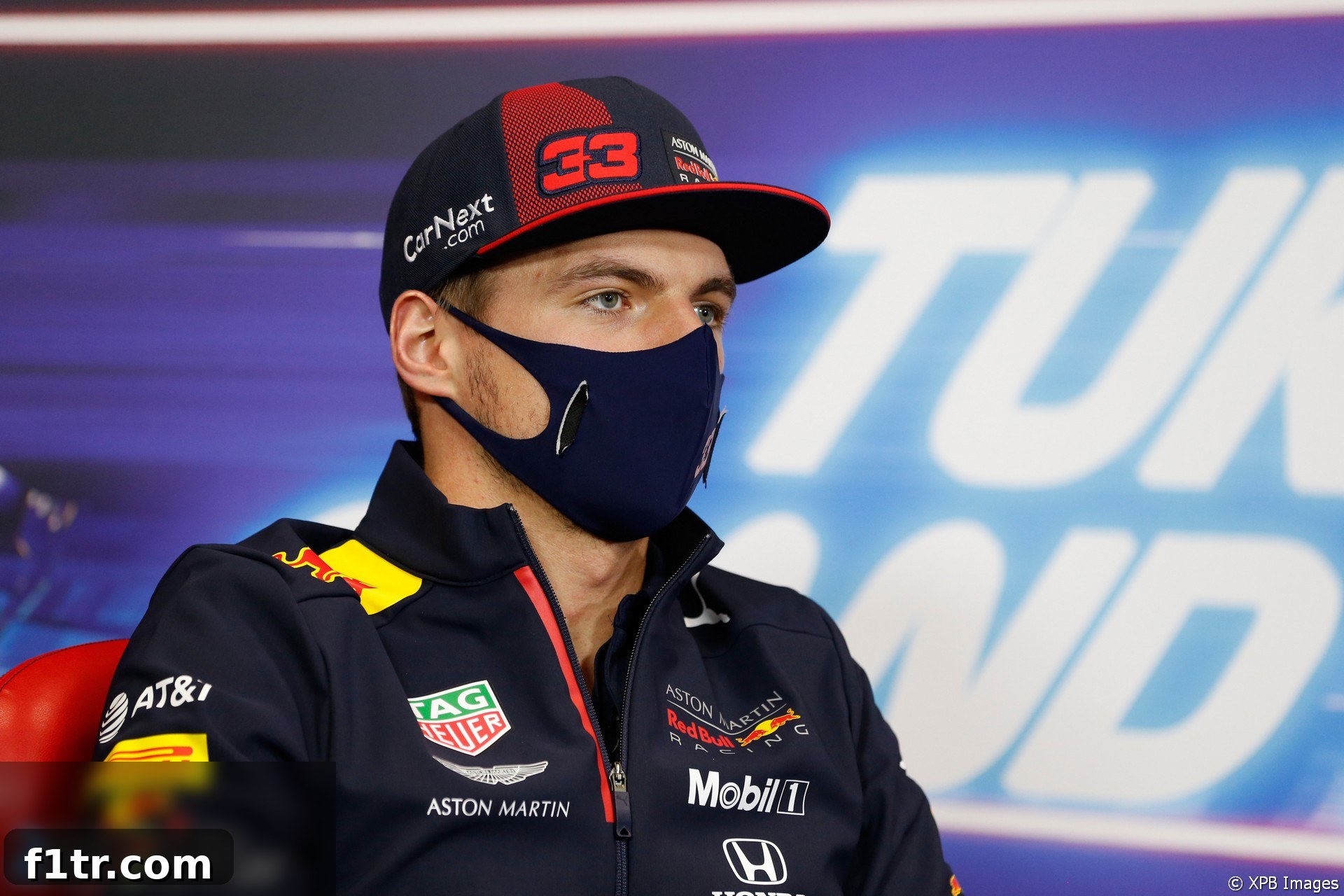
Max Verstappen has voiced a strong opinion regarding the future composition of the Formula 1 calendar, advocating for the inclusion of more “old-school” tracks reminiscent of those temporarily added during the unique 2020 season. The Red Bull Racing driver suggests that several existing rounds should be removed to make way for these classic circuits, arguing for a return to a more challenging and traditional racing environment.
Advert | Become a Supporter & go ad-free
The announcement of a record-breaking 23 races for the 2021 F1 calendar, with one venue still awaiting confirmation, has sparked considerable debate within the paddock and among fans alike. While the sport seeks to expand its global reach and commercial opportunities, drivers like Verstappen are emphasizing the importance of preserving the essence of racing through circuit design.
Max Verstappen’s Vision: Prioritizing Classic Circuits for F1’s Future
The 2020 Formula 1 season, reshaped by the global Covid-19 pandemic, inadvertently offered a glimpse into an alternative calendar, featuring five new tracks that hadn’t been on the schedule for years, or in some cases, ever. These additions – including Portimão, Imola, Nürburgring, and Mugello – largely received positive feedback from drivers for their demanding layouts and historical significance. While none of these circuits have been confirmed for 2021, Verstappen expressed a clear desire for their return.
“We have had a few good races. Portimão was cool, I just hope we have a bit more grip if we would ever come back there,” Verstappen commented, reflecting on the challenging Portuguese circuit known for its undulating nature. He continued, “Imola was nice, I think the track was very old-school. Nürburgring I also enjoyed so there are actually a few which could replace some grands prix we have on the calendar.”
Verstappen’s preference for these circuits stems from their inherent characteristics – layouts that punish mistakes, demand precise driving, and often feature less forgiving run-off areas compared to many modern, purpose-built tracks. This “old-school” philosophy resonates with many purists and drivers who appreciate the higher stakes involved in navigating these challenging courses. Such circuits often lead to more dramatic racing, where driver skill is paramount and a slight error can have significant consequences, unlike the more forgiving nature of some contemporary designs.
Expanding on his preference, Verstappen singled out Imola. “I would go for Imola,” he stated unequivocally. “It’s a bit more old-school, you are running with some corners all the way up to the gravel so if you would go too wide you’re off. Mugello was nice as well.” The Dutch driver’s comments highlight a key differentiator: the consequence for exceeding track limits. Unlike many modern circuits with vast tarmac run-off areas, circuits like Imola and Mugello feature gravel traps or grass, which often result in immediate penalties or retirement from the race, thus adding a layer of excitement and demand for driver precision. This unforgiving nature is what many drivers crave, as it truly separates the best from the rest and makes for more compelling viewing.
Ultimately, Verstappen believes that any new additions should not simply expand the calendar but rather enhance its quality through strategic replacements. “But like I said it’s better to remove maybe a few of the ones we have now and then add these back in.” This stance suggests a preference for quality over quantity, arguing that the F1 calendar should prioritize circuits that genuinely test drivers and provide compelling racing spectacles, even if it means discontinuing some less favored venues. The debate between traditional, challenging layouts and modern, safety-conscious designs continues to be a central theme in Formula 1’s ongoing evolution.
The Expanding F1 Calendar: Saturation Points and the Welfare of Team Personnel
The continuous growth of the Formula 1 calendar has sparked various discussions, not least the concern that it might reach a “saturation point” for fans. A protracted season with numerous races could potentially diminish the exclusivity and excitement of each Grand Prix, leading to viewer fatigue. However, Sebastian Vettel, the four-time world champion, articulated a different, arguably more pressing concern: the profound impact of such an extensive schedule on the dedicated members of the Formula 1 teams.
“We have a large following, not just on track, but also on the screens. And at some point, obviously, you saturate and people probably don’t want to see another Formula 1 race on the weekend,” Vettel acknowledged, touching upon the fan perspective. Yet, he quickly shifted focus to the human element, stating, “But that’s not for me really to think about. I think far more important is whether the teams will be able to make 23 races because it’s quite a bit of an effort. It’s not just the one and a half hours you see on the Sunday, it’s a lot more work behind the scenes.”
The Unseen Effort: The Toll on F1 Team Personnel
Vettel’s insights underscore a critical aspect often overlooked by casual viewers. A Formula 1 Grand Prix weekend extends far beyond the Sunday race. Team personnel, including engineers, mechanics, logistics crews, and support staff, often arrive at circuits days in advance, working incredibly long hours to prepare cars, set up garages, and manage the intricate operations required for a race weekend. This demanding schedule, when replicated across 23 global venues, places immense physical and mental strain on individuals. Frequent long-haul travel across different time zones, significant jet lag, limited time with family and friends, and the relentless pressure of a high-stakes, competitive environment can lead to significant burnout and negatively impact overall well-being and mental health.
The logistics involved in moving vast amounts of sophisticated equipment, multiple cars, spare parts, and hundreds of personnel across continents within short timeframes are staggering. Each race is a monumental undertaking, involving meticulous planning and flawless execution. Stretching these intensive efforts across nearly half a year, with few breaks, creates an unprecedented challenge for team management in terms of resource allocation, staff rotation, and ensuring the long-term sustainability of their human capital. The dedicated individuals behind Formula 1 are its backbone, and ensuring their physical and mental health is as crucial for the sport’s long-term success as its financial viability and global appeal.
The Lingering Shadow of the Pandemic on the 2021 Season
Beyond the structural considerations of the calendar, Vettel also highlighted the continued uncertainty surrounding the global pandemic and its potential influence on the 2021 season. The remarkable success of the 2020 season in navigating the crisis, albeit with significant modifications, offers valuable lessons but provides no absolute guarantees for the future.
“The other [thing] even before that is what type of beginning of the season we will have and how long the situation around the pandemic will last. I think that will dictate also next year’s calendar and probably at least the start of the season,” Vettel explained. This cautious outlook acknowledges that despite the best laid plans for a packed schedule, external factors, particularly evolving public health situations, government travel restrictions, and local regulations, could necessitate further adjustments and contingency planning for the upcoming season. The dynamic nature of the pandemic means that flexibility will remain paramount for Formula 1 for the foreseeable future, impacting everything from race attendance to international logistics.
Ultimately, there is a collective hope for a return to normalcy within the Formula 1 community. “But we all hope that by then we are back to normal, people are allowed to come to the races, et cetera, and we can focus on the racing again,” Vettel concluded. The anticipated return of passionate fans to the grandstands, the vibrant atmosphere of crowded paddock areas, and the ability to operate without the stringent bio-secure bubbles seen in 2020 are all aspirations for the upcoming season. These elements are not only vital for the sport’s financial health but also for its intrinsic appeal, restoring the full spectacle of Grand Prix racing that fans globally have come to cherish.
Shaping the Future F1 Calendar: A Balance of Excitement and Sustainability
The discussions initiated by Max Verstappen and Sebastian Vettel highlight a fascinating dichotomy in modern Formula 1: the relentless drive for commercial growth and global expansion versus the deep-seated desire to preserve the sport’s core racing heritage and ensure the well-being of its most crucial participants. Verstappen’s passionate call for more “old-school” tracks speaks directly to a core fan base and driver preference for challenging, classic circuits that demand raw talent, precision, and bravery. These tracks, often steeped in history, provide unique racing narratives and truly test the limits of both man and machine. Their unforgiving nature stands in stark contrast to some newer venues, which, while offering state-of-the-art facilities, can sometimes be criticized for their lack of distinctive character or overly safe designs that diminish the challenge.
On the other hand, Vettel’s pragmatic concerns about the expanding calendar’s impact on team personnel introduce a crucial element of sustainability into the conversation. A schedule that pushes teams to their absolute physical and mental limits risks widespread burnout, a decline in morale, and potentially even compromises in the quality of work and competitiveness. Finding a harmonious balance between a commercially successful global series that reaches new markets and a sustainable, enjoyable environment for all involved is a complex, multifaceted challenge. Perhaps a future calendar strategy could involve a rotation system for certain circuits, allowing beloved classic venues to feature regularly while also exploring new markets, without excessively burdening teams with an ever-increasing number of events. Such a system could maintain freshness for fans and provide much-needed respite for personnel.
As Formula 1 looks to its future, the invaluable input from its star drivers and experienced veterans like Verstappen and Vettel offers critical perspectives that cannot be ignored. Their insights collectively suggest that while expansion and global reach are inevitable and desirable, they must be carefully managed. The goal should be to ensure that the sport remains thrilling, challenging, and most importantly, sustainable for everyone involved, from the drivers battling on track to the dedicated personnel meticulously working behind the scenes. The debate over the optimal F1 calendar is far from over, and its thoughtful evolution will undoubtedly shape the spectacle of Grand Prix racing for decades to come, balancing tradition with modernity, and excitement with responsibility.
Advert | Become a RaceFans supporter andgo ad-free
Related F1 Content: 2020 Turkish Grand Prix
Browse all 2020 Turkish Grand Prix articles