The FIA is set to implement significant changes to Formula 1 testing regulations starting in 2025. These comprehensive updates aim to introduce tighter restrictions on the amount of testing teams can conduct with cars built for previous seasons, known as Testing of Previous Cars (TPC). Simultaneously, the revised rules are designed to foster new talent by providing more opportunities for inexperienced drivers to get crucial track time, shifting the focus away from regular championship contenders.
FIA Revamps F1 Testing: Balancing Strictness, Driver Development, and Heritage
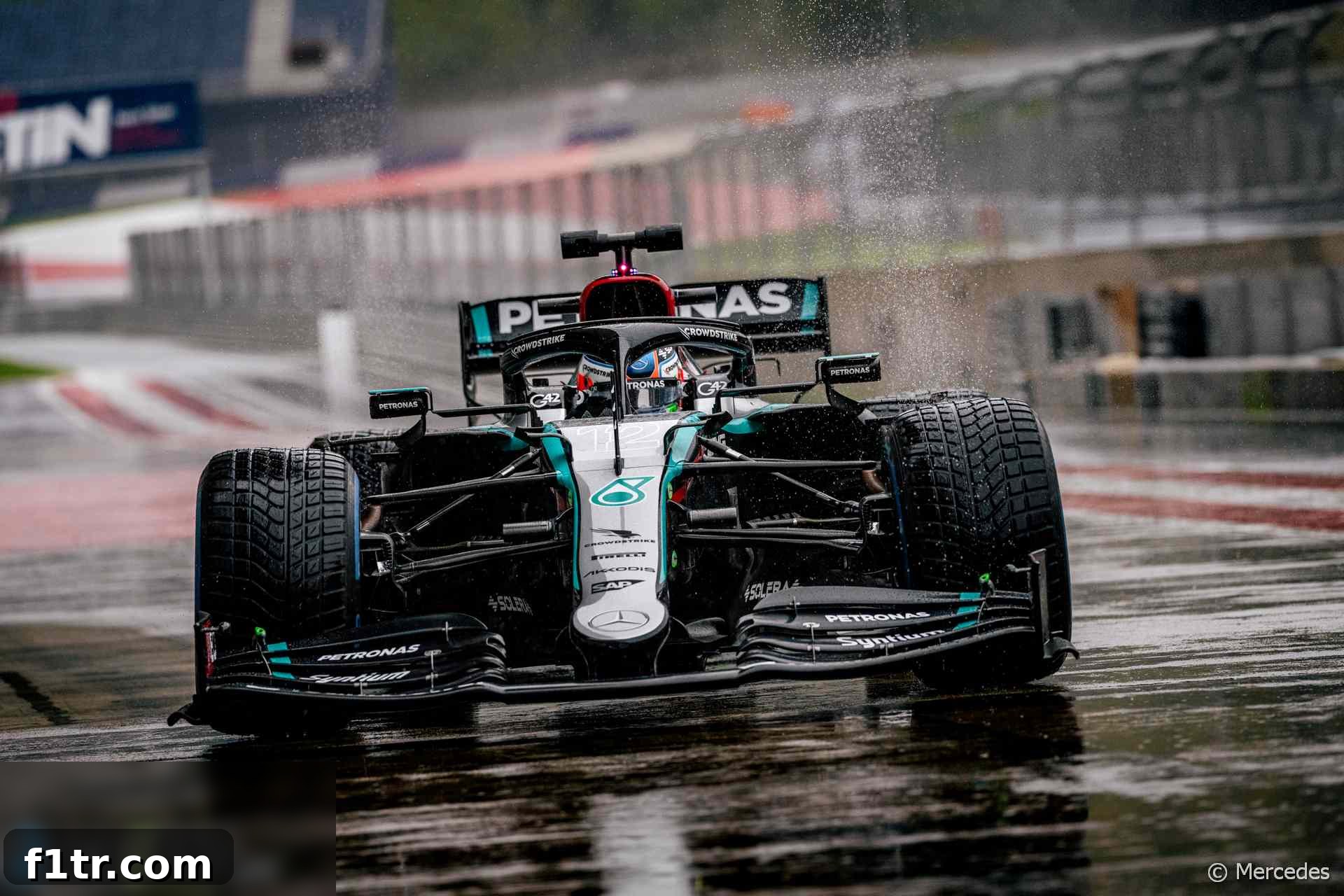
For years, Formula 1 teams have leveraged TPC regulations to fine-tune their operations, develop future technologies, and crucially, train emerging talent. With current car testing outside of official race weekends being severely limited, TPC has become an invaluable resource. Leading teams like Mercedes have utilized this pathway for their prospective 2025 driver Andrea Kimi Antonelli, while Alpine has done the same for Jack Doohan, illustrating a widespread strategy across the grid.
However, the FIA has recognized the need for a more structured approach to TPC, introducing a cap on the total running teams may undertake. This marks the first time such a limitation has been imposed, signaling a deliberate move towards greater fairness and potentially, cost control within the sport.
New TPC Regulations for 2025: Key Limits and Opportunities
From the 2025 season, each Formula 1 team will be permitted a maximum of 20 days for TPC running throughout the year. Within this allocation, a distinct set of rules applies to drivers who are actively entered in the championship:
- Championship Drivers: Regular F1 drivers will be collectively limited to a total of 1,000 kilometres of testing across a maximum of four days within the 20-day team allowance. This significant reduction in track time in older machinery emphasizes the FIA’s intention to prevent current drivers from gaining an undue advantage through extensive private testing.
- Inexperienced Drivers: The new regulations offer a considerable boost for aspiring F1 talent. Drivers not entered in the championship face no mileage limit within the team’s 20 available TPC days. Their track time is only restricted by the total number of days available to their respective teams. This policy is a clear strategic move to enhance driver development pathways, allowing young drivers to gain invaluable experience in a Formula 1 car without consuming the limited resources earmarked for their seasoned counterparts. It provides a vital bridge from junior categories to the pinnacle of motorsport, enabling teams to thoroughly assess and prepare their next generation of stars.
This dual approach ensures that while teams are restricted in their competitive testing, they are actively encouraged to invest in their driver academies and foster the talent necessary for the sport’s future. The emphasis on nurturing inexperienced drivers through extensive track time is a progressive step, designed to ensure a robust pipeline of talent ready to step into F1 when opportunities arise.
Strategic Circuit Restrictions to Level the Playing Field
Beyond the mileage and day caps, the FIA has introduced stringent rules concerning the locations where TPC running can take place. These measures are designed to prevent teams from gaining an unfair competitive advantage by testing at circuits featured on the current F1 calendar, particularly in the lead-up to a Grand Prix event:
- The 60-Day Embargo: A critical new clause forbids any TPC running at a circuit within 60 days before it is scheduled to host a Grand Prix. This rule directly addresses concerns that teams might use older cars to gather real-time data or optimize setup parameters for an upcoming race weekend, which could then be extrapolated for current machinery, despite the technical differences. This ensures that race weekends remain the primary stage for competitive data acquisition and strategy formulation.
- Significantly Modified Circuits: Teams are also prohibited from testing at any circuit currently on the F1 calendar “if the circuit is deemed, at the sole discretion of the FIA, to have undergone significant modification” since F1’s last visit. This provision prevents teams from exploiting changes to track layouts or infrastructure for pre-race data collection, maintaining fairness and preventing an unfair advantage from early access to new circuit configurations.
- No Testing on Disused F1 Tracks: Furthermore, the FIA has moved to prevent teams from testing at circuits that have long been absent from the Formula 1 calendar. Under the new regulations, teams will not be allowed to test at any track which F1 did not visit in the current or preceding season. This explicitly rules out venues such as Mugello and Magny-Cours, which have historically been popular testing locations due to their challenging layouts and excellent facilities. The rationale behind this restriction is to focus testing efforts on circuits relevant to the current championship, streamlining logistics and preventing the accumulation of data from irrelevant track conditions.
These circuit-specific restrictions highlight the FIA’s commitment to maintaining competitive integrity and ensuring that the outcome of Grand Prix events is determined by performance during the race weekend itself, rather than through extensive private testing advantages.
A New Chapter for Historic Racing: Honoring F1’s Legacy
In a separate but equally significant development, the FIA has introduced what it describes as a “rare and significant update” to the regulations governing historic motorsport. This landmark change opens the door for a new generation of iconic racing machinery to participate in FIA-sanctioned competitions.
The updated regulations now permit cars from three distinct decades of racing to enter these prestigious events. Specifically, this includes:
- F1’s ‘Turbo Era’ Cars: Legendary machines from Formula 1’s exhilarating turbo era of the 1980s will now be eligible. This period is celebrated for its incredible power, technological innovation, and often dramatic racing, and their reintroduction to competition will be a treat for fans and participants alike.
- Post-Turbo F1 Cars (1987-2000): Other Formula 1 machinery from the period spanning 1987 to 2000 will also be allowed to participate in FIA competitions for the first time. This era encompasses a wide variety of engineering philosophies and represents some of the most visually stunning and sonically powerful cars in F1 history.
- Formula 3000 Cars (1985-2004): The Formula 3000 category, which served as a crucial stepping stone to F1 between 1985 and 2004, will also see its cars become eligible. These powerful single-seaters provided thrilling racing and nurtured many future F1 stars, and their inclusion enriches the historic racing landscape significantly.
This expansion of eligibility is a testament to the FIA’s dedication to preserving and celebrating motorsport heritage. It allows enthusiasts and historic racers to experience these magnificent machines in their natural competitive environment, offering a unique blend of nostalgia and high-octane action. The move not only enriches the historic racing scene but also provides a dynamic platform for generations to appreciate the engineering marvels and sporting achievements of past eras.
Conclusion: A Holistic Approach to F1’s Future
The FIA’s latest regulatory updates demonstrate a holistic vision for Formula 1 and its broader motorsport ecosystem. By tightening TPC restrictions for championship drivers and on specific circuits, the governing body aims to maintain competitive fairness, manage costs, and prevent the exploitation of testing loopholes. Simultaneously, the increased opportunities for inexperienced drivers underline a commitment to nurturing future talent, ensuring a robust and dynamic F1 grid for years to come.
The significant update to historic racing regulations further showcases the FIA’s appreciation for motorsport’s rich legacy, allowing iconic cars from pivotal eras to once again grace the circuits. These comprehensive changes reflect a careful balancing act – pushing F1 forward with fairness and new talent, while respectfully looking back at its glorious past. As these rules come into effect from 2025, they are set to redefine testing strategies, accelerate driver development, and rejuvenate the historic racing calendar, marking a new chapter for the sport.
Related Formula 1 Articles
- One of F1’s greatest races happened 15 years ago today. Or did it?
- “Overtaking is overtaking”: Domenicali denies F1’s yo-yo racing is “artificial”
- The crashes F1 is trying to prevent may be rare – but the danger is obvious
- F1 returning to India soon after 2027 sounds like wishful thinking
- Verstappen loathes F1’s new generation of cars – but what do his rivals reckon?
Browse all Formula 1 articles