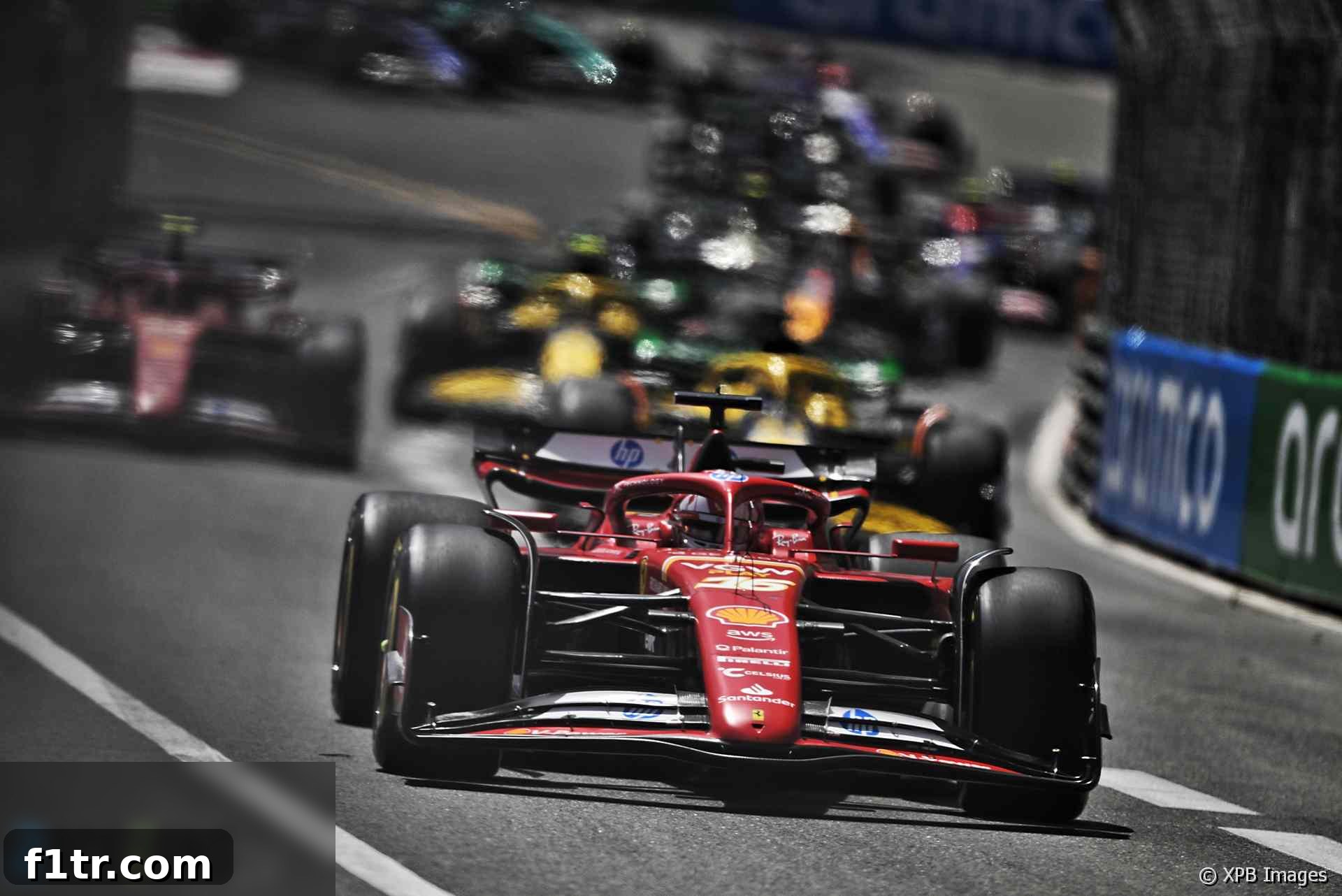
Monaco Grand Prix Set for Strategic Shake-Up: F1’s New Pit Stop Rules and Leclerc’s Cautious Optimism
Charles Leclerc, the Monegasque superstar and a beacon of hope for Ferrari, has voiced a note of cautious support regarding the FIA’s ambitious plans to introduce significant new regulations for his home race, the illustrious Monaco Grand Prix. The proposed changes aim to inject much-needed excitement into what has, in recent years, become a processional affair, prompting a wider discussion about the future of racing at the sport’s most iconic venue.
Advert | Become a Supporter & go ad-free
The Formula 1 Commission, a pivotal body in the sport’s governance, has formally agreed in principle to implement a novel regulation. This new rule will mandate an increased number of pit stops for drivers competing on the legendary street circuit, fundamentally altering the strategic landscape of the race. While the specific details and precise wording of this groundbreaking proposal are currently under meticulous review and discussion by the Sporting Advisory Committee, its intent is clear: to force teams and drivers into more dynamic strategic decisions, thereby creating a less predictable and more engaging spectacle for fans worldwide.
The Monaco Conundrum: A Glorious Past, a Challenging Present
The Monaco Grand Prix holds a unique, almost sacred, place in the hearts of Formula 1 enthusiasts. Its narrow, winding streets, historic charm, and the sheer audacity of racing modern F1 cars through its labyrinthine layout have long made it the jewel in the crown of the championship. However, the very characteristics that make it so iconic – the tight confines, the lack of traditional overtaking zones, and the relentless proximity of barriers – have, paradoxically, become its greatest challenges in the era of wider, more aerodynamically complex cars introduced in 2017. These factors combine to make the grand prix notoriously processional, with on-track overtakes being a rare and often risky occurrence.
This issue reached a critical point during last year’s race, which served as a stark reminder of Monaco’s susceptibility to becoming a tactical stalemate. A first-lap red flag incident, a not uncommon occurrence on such a demanding circuit, inadvertently allowed every driver to complete their mandatory change of tyre compounds without the need for a traditional pit stop under green flag conditions. This effectively neutralized any potential for strategic variation, leading to a race where positions were largely set from the outset, much to the disappointment of fans and officials alike. Following this incident, Formula 1 CEO Stefano Domenicali, a vocal advocate for enhanced racing spectacle, articulated his firm stance, vowing that “we must not let that happen again.” His words underscore the growing imperative within F1 to address the unique challenges presented by the Monaco event.
Monaco’s Unique Rules and the Drive for Change
It is important to note that the Monaco Grand Prix is already an anomaly within the F1 calendar, governed by certain special rules that differentiate it from other rounds of the world championship. For instance, the total distance of its grand prix is capped at 260 kilometres, a significant 45km less than the standard distance for every other race. This existing deviation from the norm highlights Monaco’s special status and the historical understanding that its unique layout necessitates tailored regulations. The FIA’s recent announcement, just two days prior, regarding their intent to introduce yet another specific rule for Monaco’s race – mandating drivers to change tyres more than once and consequently make multiple pit stops – is therefore not entirely unprecedented, but rather an escalation of efforts to manage the circuit’s distinctive characteristics.
Leclerc, speaking on the proposed changes, acknowledged the potential for improvement. He articulated his belief that increasing the strategic options available to drivers and teams could indeed render the race more captivating. “Because strategy will become a bit more of the thing, I think [that] is a good thing,” Leclerc stated, recognizing the potential for more dynamic racing. He elaborated on the dichotomy of the Monaco experience: “Monaco is super-exciting on a Saturday – for us drivers it’s incredible, it’s the best qualifying of the year. Then on the Sunday it can get a little bit… there’s not much happening.” This sentiment perfectly encapsulates the frustration felt by many: the unparalleled thrill of navigating the circuit at the absolute limit in qualifying, contrasted with the often muted excitement of the race itself.
Strategic Implications and Leclerc’s Call for Open-Mindedness
The introduction of mandatory multi-stop strategies could fundamentally reshape how teams approach the Monaco Grand Prix. Currently, the primary focus is on track position, with a single pit stop typically executed to manage tyre degradation and optimize for the shortest possible race time. With two or more mandatory stops, teams will have to consider multiple tyre compound choices, varying pit windows, and the potential for undercut or overcut strategies to gain track position. This could lead to more varied car performance at different stages of the race, creating opportunities for drivers to push harder or manage their tyres differently, potentially leading to closer racing and more genuine overtaking attempts, even if they are strategic rather than on-track passes.
However, Leclerc’s support comes with an important caveat: the necessity for flexibility and a willingness to reassess if the rule does not yield the desired results. “So I think this is a way to spice the things up a bit more,” he continued, “But then we’ve got to be open-minded. If it’s the direction that we are going today, then we need to see if that actually makes a difference or not and be open to change back if that’s not the right solution.” This reflects a pragmatic approach, recognizing that not all rule changes designed to enhance the spectacle ultimately succeed. The sport has a history of experimenting with regulations, some of which prove highly successful, while others are swiftly abandoned.
Lessons from Past Innovations and the Path Forward
A pertinent example of a rule change introduced with the aim of improving the show, yet ultimately deemed ineffective, is the bonus point awarded for the fastest lap during a Grand Prix. This rule, designed to encourage drivers to push for extra performance even outside of their immediate battle for position, has been scrapped for this year after failing to consistently deliver the intended excitement or impact on the championship. The removal of the fastest lap point underscores the challenging balance Formula 1 faces: innovating to enhance the racing product without inadvertently creating artificial scenarios or diluting the essence of the sport.
For the new Monaco pit stop rule to be considered a success, it must genuinely increase strategic variability and create more moments of on-track tension. This means teams should be faced with genuine dilemmas regarding tyre choices, pit stop timing, and how to react to safety car periods or rival strategies. If the rule simply results in every team following a predictable two-stop strategy with no real variation, then Leclerc’s call for “open-mindedness” and a willingness to revert will become highly relevant. The FIA, F1, and the teams must continuously evaluate the impact of this change, using data and driver feedback to determine if it truly elevates the Monaco Grand Prix from a qualifying spectacle to a captivating race day event.
The ultimate goal is to preserve the unique legacy of Monaco while ensuring it remains a relevant and thrilling part of the Formula 1 calendar in a rapidly evolving sporting landscape. The proposed multi-stop rule is a significant step in this direction, signaling F1’s commitment to addressing its most persistent challenges. The upcoming Monaco Grand Prix will undoubtedly be under intense scrutiny, with all eyes on whether this strategic shake-up can truly transform the race into the dynamic and unpredictable contest that fans and drivers alike crave.
Advert | Become a RaceFans supporter andgo ad-free
Formula 1 Insights
- One of F1’s greatest races happened 15 years ago today. Or did it?
- “Overtaking is overtaking”: Domenicali denies F1’s yo-yo racing is “artificial”
- The crashes F1 is trying to prevent may be rare – but the danger is obvious
- F1 returning to India soon after 2027 sounds like wishful thinking
- Verstappen loathes F1’s new generation of cars – but what do his rivals reckon?
Browse all Formula 1 articles