Formula 1 Accelerates Sustainability Drive: Canadian Grand Prix Shifts to May for Reduced Emissions
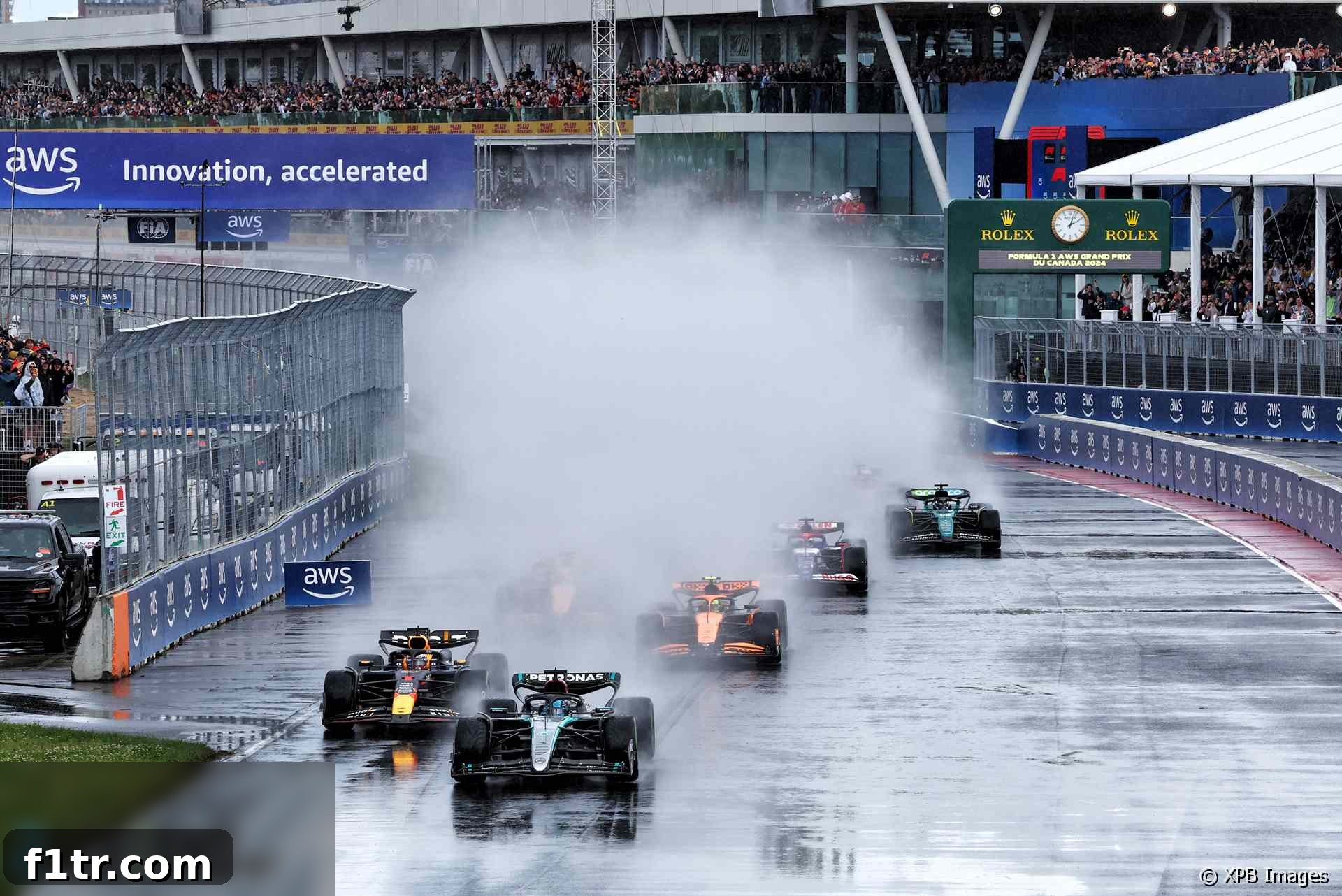
Formula 1 has officially confirmed a significant calendar change for the Canadian Grand Prix, set to move to an earlier date in 2026. This strategic shift is a direct response to the championship’s ambitious commitment to drastically reduce its carbon emissions and achieve “net zero by 2030.” The move aims to streamline logistics, minimize unnecessary travel, and reinforce F1’s leadership in sustainable global sports.
The decision to reposition the event, held at the iconic Circuit Gilles Villeneuve in Montreal, Canada, marks another pivotal step in Formula 1’s ongoing efforts to create a more environmentally conscious and operationally efficient racing season. By bringing the Canadian round forward, F1 is taking tangible action to mitigate its environmental impact, setting a precedent for future sporting events worldwide.
Advert | Become a Supporter & go ad-free
A Strategic Move for Enhanced Environmental Responsibility
The precise change in date for the Canadian Grand Prix will see it move closer to the Miami Grand Prix on the calendar. This calculated proximity is designed to significantly reduce the number of transatlantic crossings required for teams, personnel, and freight during the season. By grouping North American races, Formula 1 can substantially cut down on the extensive air travel, which is currently the single largest contributor to its carbon footprint.
While next year’s Canadian Grand Prix in 2025 is scheduled for June 15th, the new arrangement from 2026 onwards will see the race “planned to be scheduled on the third or fourth weekend of May each year,” as stated by F1. This represents a notable historical shift, as the earliest the event has ever been held was June 2nd, way back in 1991. The alteration underscores F1’s resolve to prioritize sustainability over traditional scheduling norms.
This date adjustment is not merely about logistics; it also carries environmental implications related to local conditions. Moving the race to May means it is likely to occur in significantly cooler temperatures. The average temperature in Montreal during May hovers around 13.5°C, a stark contrast to the 18.7°C average experienced in June. Cooler ambient temperatures can subtly impact race operations, potentially reducing the energy demands for cooling systems within hospitality areas and garages, further contributing to a lower carbon footprint for the event itself.
Stefano Domenicali Praises Collaborative Effort Towards Net Zero
The announcement from Formula 1 follows closely on the heels of other calendar adjustments, including last week’s confirmation of a new date for the Monaco Grand Prix, which will shift from the last week of May to the beginning of June. These changes are part of a wider, coordinated strategy to optimize the entire F1 calendar for maximum efficiency and sustainability.
F1 CEO Stefano Domenicali emphasized the collaborative spirit behind these transformative decisions. “I am incredibly grateful to the promoter and all of the government stakeholder partners involved in the Canadian Grand Prix, from the local, to the provincial and national government,” Domenicali stated. He applauded “the tremendous effort from all involved to accelerate the temporary build of the event, to be ready to host the Formula 1 community earlier than in the past.” This highlights the complex operational challenges and the dedication required from all parties to implement such significant changes.
Domenicali further elaborated on the long-term benefits of these adjustments, stating, “The change will make the future flow of our calendar not only more sustainable, but logistically more sensible for our teams and personnel. Our ‘net zero by 2030’ commitment continues to be a priority for us as a sport and it is thanks to changes like this that we are on track to hitting our goal.” His comments reinforce the idea that these calendar modifications are not isolated incidents but integral components of a comprehensive environmental strategy designed to reshape Formula 1’s operational philosophy.
F1’s Holistic Approach to Calendar Optimization and Emissions Reduction
Formula 1 has been proactively implementing various changes to its calendar with the explicit aim of reducing the distances its personnel and freight travel each year. This travel, involving thousands of individuals and tons of equipment, represents by far the largest source of the sport’s carbon emissions. The objective is clear: to cluster races geographically, minimizing transit times and fuel consumption.
Beyond the Canadian and Monaco Grands Prix, another prime example of this “regionalization” strategy is the Japanese Grand Prix. This year, the race moved from its traditional autumn slot to the spring, positioning it alongside the Chinese Grand Prix in the schedule. This thoughtful grouping allows for a more efficient logistical chain across Asia, preventing unnecessary long-haul flights back and forth across continents for individual events. Such calendar optimization not only reduces emissions but also lessens the burden on teams, drivers, and support staff, who endure grueling travel schedules throughout the season.
The strategic re-evaluation of the F1 calendar is a multifaceted endeavor, considering various factors such as climate, local events, commercial agreements, and traditional race slots. However, the overarching principle now guiding these decisions is environmental stewardship. By making these sometimes challenging adjustments, Formula 1 demonstrates a deep-seated commitment to its sustainability goals, acknowledging its responsibility as a global sport to lead by example.
Beyond Calendar Shifts: A Broader Sustainability Agenda
While calendar optimization is a crucial element of F1’s “net zero by 2030” strategy, it is by no means the only initiative underway. The sport is pursuing a multi-pronged approach to reduce its environmental impact across all areas of its operations. A cornerstone of this broader agenda is the introduction of 100% sustainable fuels in the new engine regulations set for 2026. This technological leap will revolutionize the power units, making them not only more efficient but also completely carbon-neutral.
Furthermore, Formula 1 is actively working with circuit promoters to enhance the sustainability of race venues themselves. This includes encouraging the use of renewable energy sources at circuits, implementing robust waste management and recycling programs, and promoting sustainable transport options for fans attending events. Efforts are also being made to optimize logistics for non-race weekends, exploring alternatives to air freight, such as sea and rail transport, wherever feasible for equipment movement.
The engagement extends to the entire F1 ecosystem, including teams, suppliers, and partners, encouraging them to adopt more sustainable practices. From reducing single-use plastics in the paddock to investing in greener technologies and supply chains, the drive for sustainability is permeating every aspect of the sport. By fostering a culture of environmental responsibility, Formula 1 aims to not only meet its own targets but also inspire broader change within the motorsport industry and beyond.
Advert | Become a RaceFans supporter andgo ad-free
Pioneering a Greener Future in Motorsport
Formula 1’s proactive measures, exemplified by the Canadian Grand Prix date change, underscore its commitment to pioneering a greener future for motorsport. This isn’t just about complying with environmental regulations; it’s about leading the charge in developing and implementing sustainable solutions that can have a tangible impact. The sport’s high-tech nature and global platform provide a unique opportunity to innovate and showcase how performance and environmental stewardship can go hand-in-hand.
The journey to “net zero by 2030” is ambitious and challenging, requiring continuous innovation, collaboration, and adaptation. However, F1’s consistent actions, from calendar restructuring to technological advancements in sustainable fuels, demonstrate a steadfast dedication to this goal. These changes are crucial for the long-term viability and relevance of Formula 1 in a world increasingly conscious of climate change and environmental impact.
By making these bold strategic shifts, Formula 1 is not only safeguarding its future but also inspiring millions of fans and other industries to consider their own roles in building a more sustainable planet. The Canadian Grand Prix’s new May slot serves as a powerful symbol of F1’s unwavering resolve to race towards a more sustainable and environmentally responsible future.
Miss nothing from RaceFans
Get a daily email with all our latest stories – and nothing else. No marketing, no ads. Sign up here:
Formula 1 News & Updates
- One of F1’s greatest races happened 15 years ago today. Or did it?
- “Overtaking is overtaking”: Domenicali denies F1’s yo-yo racing is “artificial”
- The crashes F1 is trying to prevent may be rare – but the danger is obvious
- F1 returning to India soon after 2027 sounds like wishful thinking
- Verstappen loathes F1’s new generation of cars – but what do his rivals reckon?
Browse all Formula 1 articles