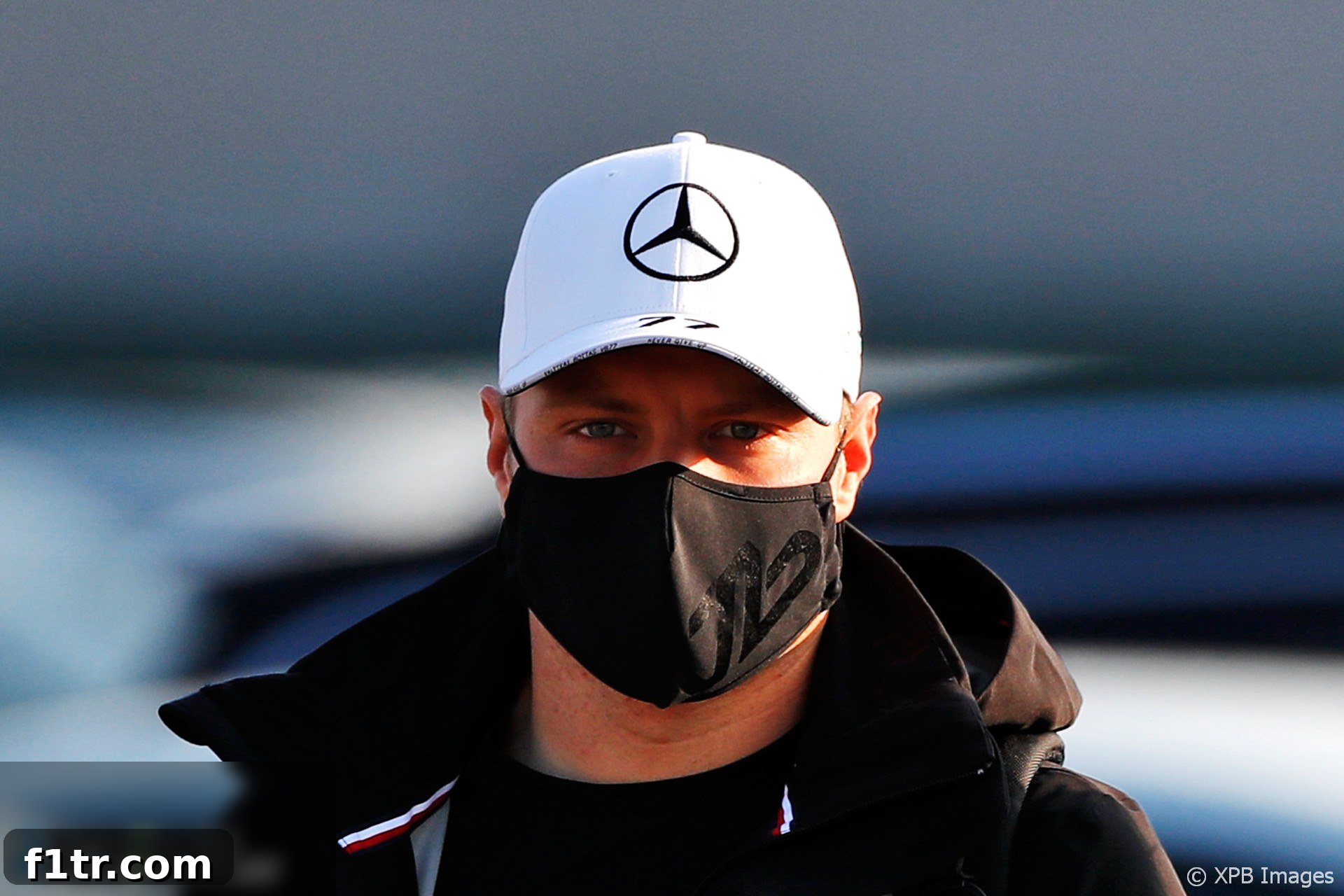
Valtteri Bottas’s Post-Race Remark Prompts Mercedes’s Urgent Clarification on Global Social Platforms
In the high-octane world of Formula 1, where emotions run as fast as the cars, a single, ill-timed remark can quickly escalate into a global incident. Such was the case following the intense 2020 Turkish Grand Prix, when Valtteri Bottas, driver for the Mercedes-AMG Petronas Formula One Team, made a joke referencing the origins of the Covid-19 pandemic. This comment, uttered in a moment of profound personal disappointment, swiftly drew widespread criticism, particularly across Chinese social media. The ensuing backlash prompted his team, Mercedes, to issue a comprehensive and apologetic statement on one of China’s most prominent microblogging platforms, Sina Weibo, highlighting the intricate balance global brands must maintain in a culturally diverse and digitally interconnected world.
The Tumultuous Turkish Grand Prix: A Race to Forget for Bottas
The 2020 Turkish Grand Prix at Istanbul Park was an exceptionally challenging and pivotal event in the Formula 1 calendar. Held under treacherous wet conditions, the race was a true test of skill, resilience, and adaptability for every driver on the grid. For Valtteri Bottas, it proved to be a particularly grueling and ultimately disastrous afternoon. Starting from a promising position, his hopes for championship contention were irrevocably dashed early in the race. An unfortunate first-lap incident resulted in significant damage to his car, severely compromising its performance and handling. This initial setback cascaded into a series of errors, as Bottas struggled mightily with grip and control on the slippery surface. Over the course of the Grand Prix, he suffered an astonishing six spins, each one eroding his position and confidence further.
The Finnish driver eventually limped across the finish line in a disheartening 14th place, a full lap down from the race winner. This result not only marked one of his most challenging performances in Formula 1 but, more significantly, extinguished any remaining mathematical chances he had of overcoming his formidable teammate, Lewis Hamilton, for the prestigious world championship title. While Hamilton delivered a masterful performance to secure his historic seventh World Drivers’ Championship crown on that very day, Bottas was left to confront a season-defining defeat. It was in the immediate aftermath of this deeply frustrating and emotionally charged race that the controversial remarks were made, underscoring the immense pressure and raw emotion that define top-tier motorsport.
The Ill-Advised Remark: A Joke Gone Astray
In the immediate aftermath of a race that saw his championship aspirations evaporate, a visibly dejected Valtteri Bottas faced the media. During a post-race interview with Dutch television broadcaster Ziggo, he was posed a seemingly innocuous question designed to explore his feelings about the challenging day. The interviewer asked, “If there was one day from 2020 you could skip from your calendar, would it be today?” Bottas’s initial response was a straightforward, “Today, yes.” However, he then added a follow-up comment that would rapidly ignite a firestorm of controversy. With what he later described as a joking tone, Bottas stated, “or maybe the day when someone bought a bat in Wuhan.”
While seemingly intended as a light-hearted, albeit dark, attempt at humor to deflect from his personal disappointment, the remark quickly resonated far beyond the confines of a post-race interview. The specific reference to Wuhan and bats immediately linked his comment to the prevailing, and often sensitive, discussions surrounding the origins of the Covid-19 pandemic. In a global climate still grappling with the profound human and economic toll of the virus, a joke touching upon such a delicate and often politicized subject, especially from a public figure representing a global brand like Mercedes-Benz, was bound to be met with intense scrutiny and disapproval. It highlighted the precarious tightrope athletes walk when their personal expressions intersect with global sensitivities.
The Global Shadow of Covid-19: Why the Joke Was Problematic
To fully grasp the gravity of Valtteri Bottas’s remark, it is crucial to recall the pervasive and devastating impact of the Covid-19 pandemic in 2020. The novel coronavirus, which first emerged in the Chinese city of Wuhan at the beginning of the year, had by the time of the Turkish Grand Prix, wrought unimaginable havoc across the globe. It had transformed daily life, disrupted economies, and, most tragically, claimed over 1.3 million lives worldwide, a figure that continued to climb relentlessly. The pandemic was not merely a health crisis; it was a profound human tragedy that touched virtually every corner of the planet, instilling fear, grief, and unprecedented levels of uncertainty. For many, discussions around the virus’s origins were deeply intertwined with national pride, geopolitical tensions, and raw emotions stemming from personal loss and collective suffering.
In this global context, any comment, even one intended as humor, that appeared to make light of or simplify the complex and sensitive issue of the pandemic’s genesis was inherently risky. For a high-profile athlete representing a multinational corporation, such a statement carried even greater weight. It demonstrated a lack of sensitivity to the immense suffering and the ongoing global health crisis, particularly in regions that had been severely impacted. Furthermore, the politicization of the virus’s origin meant that Bottas’s casual reference could easily be misinterpreted or amplified in ways unintended, potentially causing offense and alienating a significant portion of the global fanbase, especially in China, where the pandemic originated and where the brand Mercedes holds considerable importance.
The Social Media Storm and Mercedes’s Urgent Response
Predictably, Bottas’s comment did not go unnoticed, especially within the highly engaged and dynamic landscape of Chinese social media. Platforms like Sina Weibo, with its hundreds of millions of active users, quickly became the epicentre of a significant backlash. Chinese fans and netizens expressed their disappointment, anger, and feelings of disrespect towards Bottas and, by extension, the Mercedes team. The incident highlighted the unique challenges faced by global brands and public figures operating in diverse cultural markets, where nuances in language and humor can have profound and unintended consequences. China represents a colossal and critically important market for Formula 1 and, even more so, for Mercedes-Benz as a premium automotive manufacturer. Alienating this demographic carried substantial commercial and reputational risks.
Recognizing the swift escalation and the potential for long-term damage to their brand image and fan relations, the Mercedes-AMG Petronas Formula One Team acted with remarkable speed and strategic precision. They understood the imperative of addressing the controversy directly and authentically within the affected market. Therefore, a comprehensive statement was promptly issued on Sina Weibo, demonstrating a clear commitment to cultural sensitivity and responsible communication. This proactive approach underscored Mercedes’s dedication not only to its sporting endeavors but also to upholding its corporate values and fostering strong, respectful relationships with its global fanbase, particularly in a region as vital as China.
Dissecting Mercedes’s Apology: A Masterclass in Crisis Communication
The statement released by Mercedes on Sina Weibo was a carefully crafted piece of crisis communication, designed to mitigate the damage, clarify intent, and reaffirm respect for their Chinese audience. Addressed directly to “Dear Chinese fans,” it immediately established a tone of direct engagement and respect, acknowledging the importance of this specific fanbase. The team began by contextualizing Bottas’s emotional state, stating, “as we all know, sport makes us emotional, particularly with the highs and lows brought by wins and losses.” This served to humanize Bottas, framing his remark as a consequence of intense personal disappointment rather than malice.
Crucially, the statement directly addressed the core issue of intent: “Last Sunday, Valtteri had a tough and disappointing race, in which he lost world title. He didn’t intend to offend anyone in front of the TV cameras straight after the race, and certainly meant no disrespect to China and Chinese fans.” This clear declaration of no harmful intent was paramount in dispelling accusations of deliberate insult. Furthermore, Mercedes went on to reassure their fans about Bottas’s character: “He still is the Valtteri we all know, he cares about every fan in China as much as we do, wishes each of you the best and to stay safe in such a difficult time, and carries the commitment to showcase exciting racing for all of you.” This passage aimed to rebuild trust by reaffirming his personal values and expressing empathy for the global challenges posed by the pandemic, specifically wishing safety to fans. The statement concluded with a forward-looking message of goodwill, “We wish you [to] have a good week and look forward to the final races of the season together. Team China,” reinforcing a sense of solidarity and shared passion for the sport.
This meticulously worded apology demonstrated Mercedes’s understanding of the cultural landscape, their commitment to their global audience, and their agility in responding to a significant brand challenge. It successfully navigated a delicate situation, aiming to restore confidence and prevent a momentary lapse in judgment from undermining years of brand building and fan engagement in a crucial market.
Broader Implications: Athletes, Brands, and Global Sensitivity
The incident involving Valtteri Bottas and Mercedes serves as a potent reminder of the heightened scrutiny public figures and global brands face in the contemporary digital era. In a world where social media instantaneously amplifies comments across borders and cultures, the responsibility of athletes and their teams extends far beyond the racetrack or playing field. Every statement, particularly from individuals associated with multinational corporations like Mercedes-Benz, carries significant weight and can have far-reaching consequences for brand reputation, sponsorship deals, and fan loyalty.
For Formula 1, a sport with a truly global reach and an incredibly diverse fanbase, cultural sensitivity is not merely a courtesy but a strategic imperative. This event underscored the critical importance of comprehensive media training for athletes, preparing them not only for interviews but also for the potential pitfalls of off-the-cuff remarks, especially when emotional. It also highlighted the necessity for teams and organizations to have robust crisis communication protocols in place, enabling swift and appropriate responses to safeguard their brand integrity and maintain strong relationships with their global audience. In an interconnected world, understanding and respecting cultural nuances is paramount for sustained success and positive public image in international sports.
Conclusion: A Lesson in Modern Global Communication
The episode surrounding Valtteri Bottas’s Covid-19 joke after the 2020 Turkish Grand Prix, and Mercedes’s rapid and thoughtful response, stands as a clear illustration of the complexities inherent in modern global communication. While Bottas’s remark was undoubtedly born out of the immense pressure and raw disappointment of a lost championship battle, its immediate resonance across social media, particularly in the vital Chinese market, underscored the delicate balance required of public figures and international brands. Mercedes’s swift and culturally attuned apology on Sina Weibo was a masterclass in crisis management. By acknowledging the emotional context of Bottas’s statement, clarifying intent, expressing empathy, and reaffirming their commitment to their Chinese fanbase, the team effectively mitigated potential long-term damage to its brand image and fostered continued trust.
This incident offers valuable lessons for the entire world of motorsport and beyond: that in an increasingly interconnected and sensitive global landscape, genuine empathy, cultural awareness, and clear communication are not just beneficial, but absolutely essential for maintaining a positive brand presence and fostering strong relationships with a diverse global audience. It’s a testament to the fact that even in the adrenaline-fueled world of Formula 1, respect and understanding off the track are just as crucial as performance on it.
2020 F1 season
- Grosjean to make F1 test return tomorrow for first time since Bahrain horror crash
- Pictures: Wrecked chassis from Grosjean’s Bahrain fireball crash to go on display
- Bottas vs Rosberg: Hamilton’s Mercedes team mates compared after 78 races each
- F1 revenues fell by $877 million in Covid-struck 2020 season
- Hamilton and Mercedes finally announce new deal for 2021 season
Browse all 2020 F1 season articles