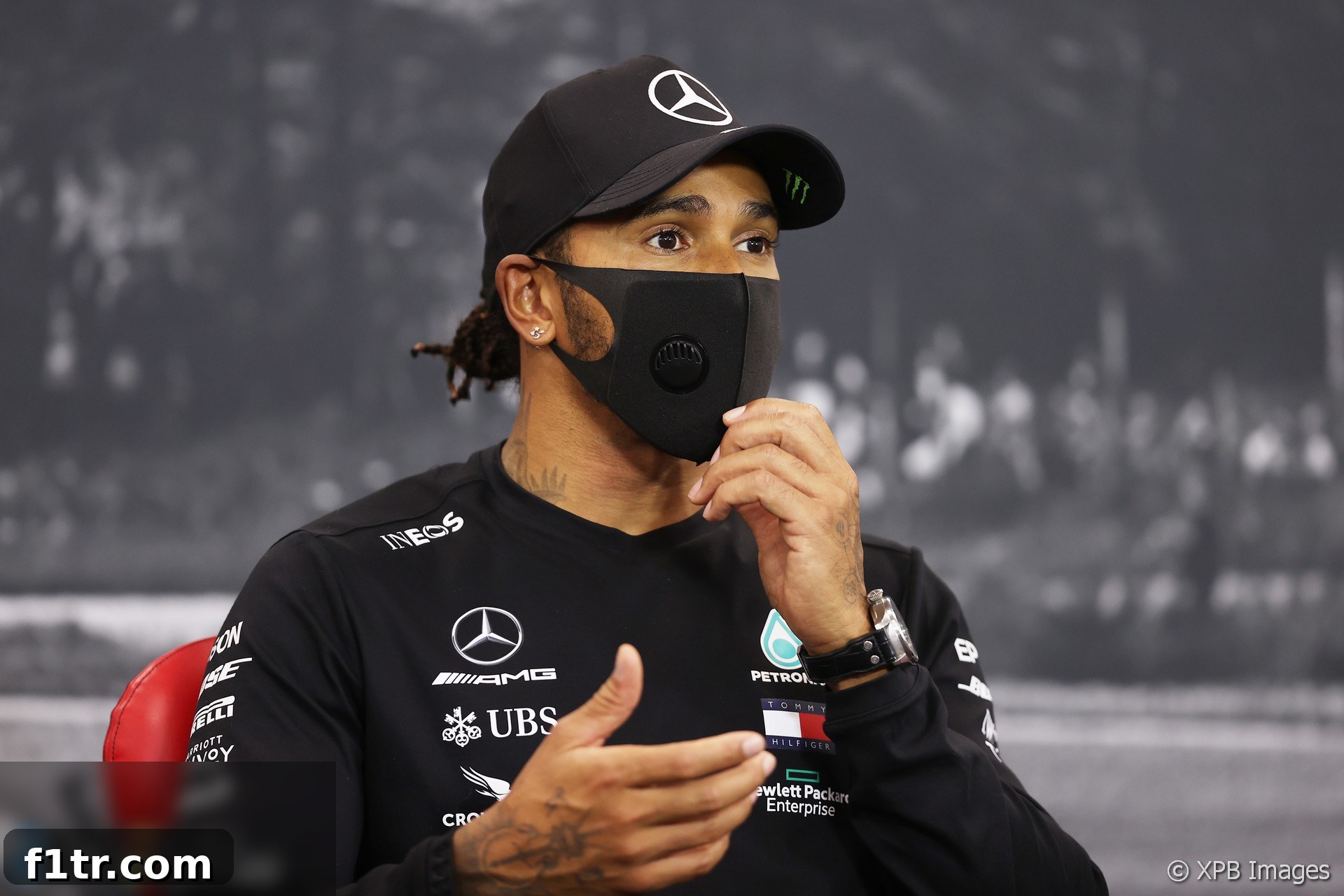
The exhilarating world of Formula 1, renowned for its speed, innovation, and intense competition, occasionally faces scrutiny over the quality of its races. Following the Belgian Grand Prix at Spa-Francorchamps, a race widely perceived as processional, Mercedes driver Lewis Hamilton candidly addressed the criticism, asserting that the onus for improving the spectacle does not lie with the drivers themselves. His comments sparked a broader conversation about the sport’s fundamental structure, car design, and the regulations that dictate race dynamics, highlighting a persistent tension between pure technological advancement and the desire for gripping on-track battles.
The Heart of the Debate: Drivers vs. Regulations
Hamilton’s stance is clear: drivers, as elite athletes, consistently push the boundaries of performance and dedication, but their ability to deliver thrilling wheel-to-wheel action is ultimately constrained by the machinery they operate and the rules governing the sport. “People need to, hopefully, understand that this isn’t our fault,” Hamilton stated, emphasizing the immense effort and commitment each driver brings to every race weekend. He elaborated that their journey through various racing ranks, culminating in Formula 1, is a testament to their skill and determination. These individuals are geared towards delivering their absolute best, extracting every ounce of performance from their cars, regardless of whether the prevailing regulations foster an exciting show for spectators.
The Belgian Grand Prix served as a stark example of this predicament. Hamilton dominated the race from start to finish, leading all 44 laps at the iconic Spa-Francorchamps circuit. Behind him, rivals Valtteri Bottas and Max Verstappen largely maintained their positions without significant challenge or threat, underscoring the difficulties of overtaking on a track often celebrated for its flowing corners and long straights. This lack of strategic variation or genuine on-track duels led many fans and pundits to label the event as uneventful, prompting renewed calls for changes that would inject more unpredictability and excitement into Formula 1 races.
Hamilton firmly redirected the focus towards those who hold the levers of power within the sport: the decision-makers responsible for designing the cars and establishing the technical regulations. He suggested that these are the entities that should face pressure to “do a better job moving forwards,” if the goal is to enhance the quality of racing. This perspective highlights a critical dichotomy in Formula 1: while driver skill is paramount, the inherent design philosophy of the cars and the rulebook can either promote or hinder genuine competition. When cars struggle to follow closely due to aerodynamic disturbances, or when performance gaps between teams are too vast, even the most talented drivers find their opportunities for dramatic overtakes severely limited.
Shaping the Future: The Promise of 2022 F1 Regulations
For several years, Formula 1 has grappled with the challenge of creating an environment where cars can race in closer proximity, thereby fostering more consistent and engaging battles throughout the grid. The sport was on the verge of introducing a radical overhaul of its technical regulations, specifically engineered to achieve this very objective, initially slated for the following year. These new rules aimed to drastically simplify aerodynamics, reducing the “dirty air” effect that makes it incredibly difficult for a pursuing car to follow another closely without losing significant downforce and grip, a primary culprit behind many processional races.
However, the unprecedented challenges posed by the global Covid-19 pandemic introduced an unforeseen obstacle. The financial implications of disrupted seasons and reduced revenues compelled Formula 1 to make difficult decisions, one of which was the postponement of these highly anticipated technical regulations to 2022. This delay was a strategic move to help teams manage costs and ensure the long-term sustainability of the sport, yet it also meant a longer wait for the fundamental changes intended to address the very issue of monotonous races.
Despite the delay, Hamilton remains optimistic about the potential impact of these future regulations. He expressed hope that the “new type car” introduced in 2022 would usher in a “different form of racing where you can follow” more closely. The vision behind these regulations is to create a more level playing field and empower drivers to engage in sustained wheel-to-wheel combat, rather than relying on brief opportunities under specific conditions like DRS zones. The prospect of cars being able to battle for position throughout an entire lap, rather than just in designated overtaking spots, is a tantalizing one for both drivers and fans, promising a future where race outcomes are less predetermined and more dynamically contested.
The proposed 2022 regulations represent a significant philosophical shift, prioritizing entertainment and competition alongside technological prowess. They aim to reduce the reliance on complex aerodynamic appendages, which are often the source of ‘dirty air,’ and instead focus on ground-effect aerodynamics to generate downforce. This design choice is intended to allow cars to maintain more consistent performance when following another, thereby enhancing the chances of successful overtakes and reducing the likelihood of single-file processions. The success of these regulations in achieving their stated goals will be crucial for the sport’s appeal in an increasingly competitive global entertainment landscape.
Echoes of the Past: Learning from the Schumacher Era
In putting the current state of racing into perspective, Hamilton drew parallels to an earlier era of Formula 1 dominance: the reign of Michael Schumacher. With 89 Grand Prix victories under his belt at the time, Hamilton was just two shy of Schumacher’s all-time record of 91, making his observations on the German legend’s era particularly poignant. He recounted his own experiences as a fan growing up, watching Schumacher’s unparalleled success, and acknowledged that many of those races, despite being won by a legendary figure, were also often processional in nature.
“I can’t speak for the fans but having been a fan, growing up, having lived in different eras watching the Schumacher era, I know what it’s like,” Hamilton explained. He noted that once the initial start or a safety car restart was completed, and a dominant driver like Schumacher had established a lead, the outcome often felt predictable. The sheer consistency and minimal errors from top drivers, combined with the difficulty of overtaking on certain circuits, meant that positions could remain static for extended periods, leading to less on-track drama.
Hamilton’s candid revelation about his personal viewing habits during Schumacher’s dominant years resonated with many long-time Formula 1 followers. “I was a teenage kid, I would have woken up, had my bacon sarnie and probably watched the start and gone to sleep and then woke up to watch the end,” he confessed. This humorous yet truthful anecdote perfectly illustrates the challenge F1 faces when a single team or driver achieves an extended period of superiority. While dominance is a testament to engineering excellence and driving prowess, it can inadvertently diminish the excitement for the casual viewer seeking unpredictable thrills and competitive action.
The comparison to the Schumacher era serves as a vital reminder that periods of single-team dominance are not new to Formula 1. Whether it was the McLaren-Honda era, the Ferrari-Schumacher years, or more recently, the Mercedes-Hamilton era, the sport has consistently grappled with the balance between allowing technical innovation to flourish and ensuring a captivating spectacle. Hamilton’s experience as both a participant and a fan offers a unique vantage point, underscoring the cyclical nature of these challenges and the constant imperative for the sport to evolve and adapt to maintain its global appeal.
The Fan Experience: Why Engagement Matters
Hamilton further elaborated on the modern fan experience, admitting that if he were watching today, he would “most likely” opt for highlights rather than enduring an entire race, “unless a friend told me there was a super exciting race on TV so that you watch the whole thing.” This perspective highlights a significant shift in media consumption habits, where instant gratification and curated content often take precedence over lengthy live broadcasts. In an age of digital platforms and abundant entertainment options, Formula 1 must constantly strive to produce compelling content that justifies dedicated viewing time, especially for those new to the sport or with limited attention spans.
The desire for “super exciting races” is at the core of Formula 1’s commercial viability and long-term popularity. Fans crave unpredictable moments, strategic gambles, and nail-biting finishes. When races become processional, the narrative shifts from dramatic sporting contests to technical showcases, which, while impressive in their own right, often fail to ignite the passion of a broader audience. Therefore, the drive to improve racing quality is not merely about aesthetic preference; it is a fundamental business imperative for Formula 1 to retain and grow its global fanbase, particularly among younger demographics who have countless alternatives for entertainment.
The constant pursuit of competitive balance and thrilling action is a delicate dance for Formula 1. While embracing cutting-edge technology is intrinsic to its identity, the sport also needs to ensure that technological advancements do not inadvertently stifle on-track competition. Striking the right balance between showcasing unparalleled engineering marvels and delivering captivating sporting theatre is the ongoing challenge for F1’s governing bodies. It requires continuous innovation in car design, thoughtful regulation changes, and a keen understanding of what truly engages and excites the global fanbase, ensuring that the legacy of speed and bravery is always matched by the thrill of genuine competition.
Lewis Hamilton’s Legacy and the Quest for Sporting Excellence
As Lewis Hamilton continued his relentless pursuit of Formula 1 records, closing in on Michael Schumacher’s all-time Grand Prix victory tally, his articulate and honest reflections on the state of racing solidify his position not just as a driving legend, but also as a powerful voice for the sport’s future. His achievements, including his 89th victory at the time of these comments, place him firmly among the pantheon of F1 greats, yet he consistently uses his platform to advocate for improvements that would benefit the sport as a whole, rather than solely focusing on his own triumphs.
His insights into processional races and the role of regulations underscore a deeper understanding of Formula 1’s intricate ecosystem. Hamilton recognizes that the responsibility for creating a compelling product extends beyond the drivers’ capabilities and rests significantly with the architects of the sport itself. His advocacy for a future where cars can follow closer and races are more closely contested is a testament to his desire for Formula 1 to be the best it can be, offering an unparalleled spectacle to millions of fans worldwide.
Ultimately, the quest for truly exciting and unpredictable Formula 1 races is an ongoing journey. It involves a perpetual dialogue between innovation and entertainment, between engineering prowess and sporting drama. Lewis Hamilton’s comments serve as a critical reminder that while the dedication and talent of the drivers are unquestionable, the structural elements of the sport—namely car design and regulations—hold the key to unlocking a more consistently thrilling experience for everyone involved, from the competitors on track to the millions watching around the globe, ensuring Formula 1 remains at the pinnacle of motorsport for generations to come.
2020 F1 Season & Related Articles
- Grosjean to make F1 test return tomorrow for first time since Bahrain horror crash
- Pictures: Wrecked chassis from Grosjean’s Bahrain fireball crash to go on display
- Bottas vs Rosberg: Hamilton’s Mercedes team mates compared after 78 races each
- F1 revenues fell by $877 million in Covid-struck 2020 season
- Hamilton and Mercedes finally announce new deal for 2021 season
Browse all 2020 F1 season articles