In a significant development reshaping the future of Formula 1, reigning constructors’ champions Red Bull Racing announced their strategic alliance with Ford, which will see the American automotive giant co-produce power units for the team starting in the 2026 season. This revelation naturally brings Honda, Red Bull’s current and highly successful technical partner, into sharp focus. Despite this high-profile switch, Honda remains resolute, asserting that they do not perceive Red Bull’s new partnership as a missed opportunity or a setback for their own ambitions in the pinnacle of motorsport.
The decision by Red Bull to align with Ford marks a pivotal moment, especially given the history between the Austrian team and its Japanese engine supplier. Just last year, Christian Horner, Red Bull’s influential team principal, had hinted at Honda’s potential engagement with the 2026 regulations, stating the manufacturer was “making noises about 2026.” However, the landscape shifted, culminating in Red Bull Powertrains (RBPT) forging a deal with Ford, signaling a new era for both entities as F1 prepares for a comprehensive overhaul of its power unit regulations.
The Unconventional Journey: Honda and Red Bull’s Successful Partnership
Honda’s journey in Formula 1 has been characterized by dramatic highs and lows, including a declaration in late 2020 that they would withdraw from the sport at the conclusion of the 2021 season. This announcement, somewhat ironically, coincided with a remarkable resurgence in performance for the Red Bull-Honda partnership. The 2021 season saw Max Verstappen clinch a dramatic drivers’ championship, breaking Mercedes’ long-standing dominance. This success was then amplified in 2022, where Red Bull, powered by Honda engines, utterly dominated the season, securing both the drivers’ and constructors’ titles with impressive authority.
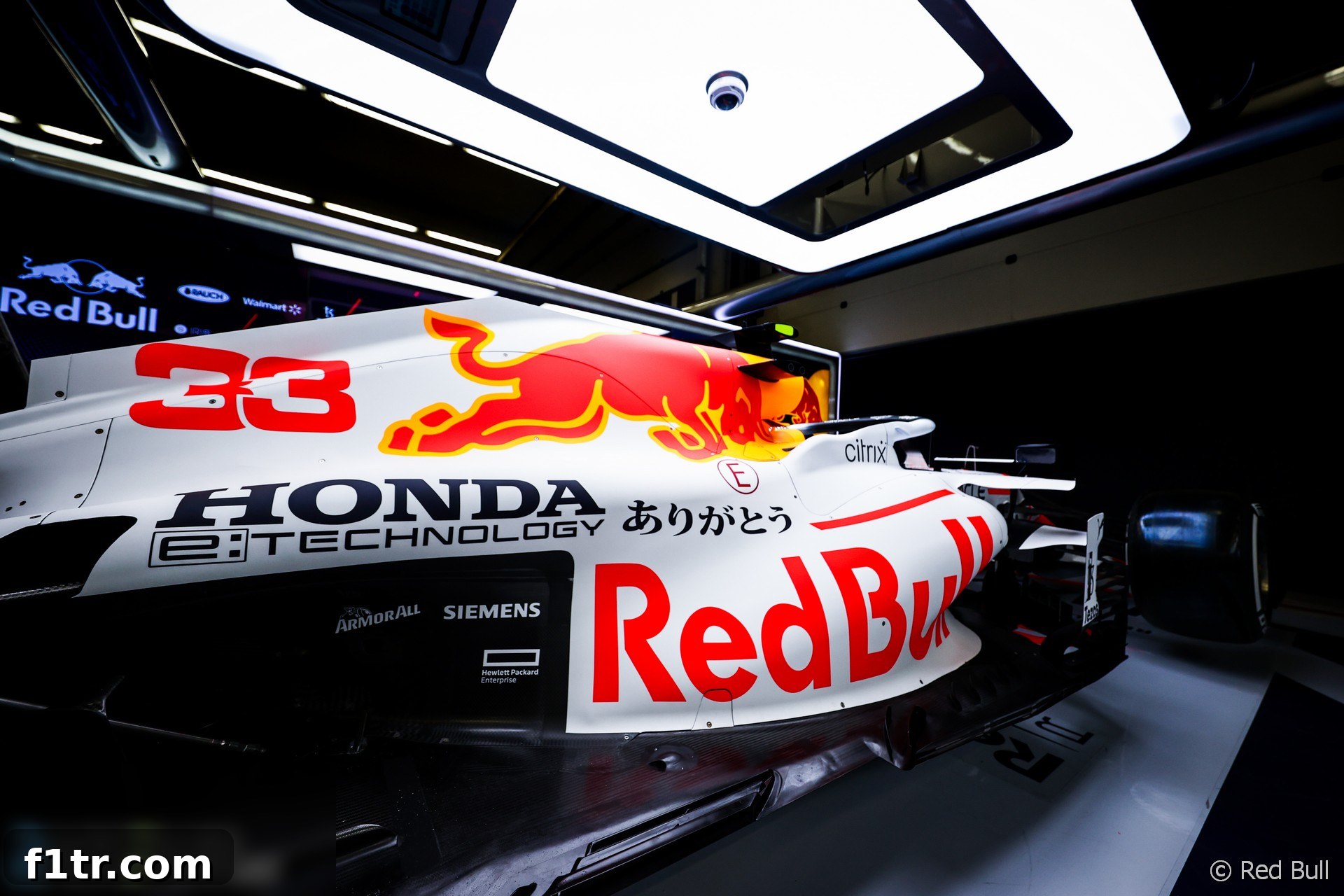
Despite Honda’s official withdrawal, the technical collaboration with Red Bull continued in an unconventional manner. In 2022, Honda’s direct branding was initially scaled back, with engines carrying the ‘HRC’ (Honda Racing Corporation) modest logos. This subtly underlined Honda’s continued technical involvement, albeit with a reduced public profile. However, the immense success on track eventually led to a reinstatement of the full Honda name on the side of Red Bull’s cars. This significant moment occurred just four days before Max Verstappen secured his second drivers’ title at Honda’s spiritual home circuit, Suzuka, a poignant tribute to their shared triumphs.
For the upcoming 2023 season, the power units will once again see an evolution in their designation, being renamed to Honda RBPT, with the specific model identified as Honda RBPTH001. This naming convention continues to reflect the intricate technical collaboration that has proven so potent, ensuring the engines benefit from Honda’s world-class engineering expertise while acknowledging Red Bull’s increasing self-sufficiency through Red Bull Powertrains.
Honda’s Clear Vision for 2026 and Beyond
Looking ahead to the radical changes planned for the 2026 season, Honda has taken a proactive stance. They have formally registered as one of the six engine manufacturers poised to compete under the new regulations. This crucial step underscores their unwavering commitment to Formula 1 as a platform for technological innovation and global marketing, despite the absence of a confirmed chassis partner. Koji Watanabe, President of Honda Racing Corporation (HRC), unequivocally dismissed any notion of regret regarding Red Bull’s future choice.
“It was not a failure,” Watanabe stated emphatically, addressing the perceived missed opportunity to continue with Red Bull beyond 2025. “We never really saw that as any failure of any sort.” His statement clarifies that the parting of ways for the post-2025 era was not a unilateral decision or a reflection of dissatisfaction, but rather an outcome of ongoing discussions between two independent entities pursuing their respective strategic objectives. “As a technical partner, we’re always in contact with Red Bull. So there are many topics that we discussed and many that we have discussed. But out of this dialogue, it was decided that we will not continue this partnership beyond 2025. So there’s nothing that’s fixed from 2026. It is as simple as that,” Watanabe elaborated, painting a picture of mutual understanding and strategic alignment rather than a breakdown in relations.
This perspective from Honda is crucial for understanding the shifting dynamics within Formula 1. The 2026 regulations represent a significant departure, emphasizing sustainable fuels and an increased electrical component in the power unit. For Red Bull, partnering with Ford brings not only financial backing and marketing reach but also access to Ford’s extensive R&D capabilities, particularly in electrification and sustainable technologies, which align perfectly with the new technical directives. For Honda, registering as an independent power unit supplier indicates a desire to re-enter F1 as a full-fledged manufacturer, potentially seeking a works team partnership or a more direct involvement, allowing them to fully leverage their technological prowess and brand.
Unwavering Commitment to Red Bull Until 2025
While the long-term paths diverge, the immediate future sees Honda and Red Bull’s collaboration remaining steadfast. Honda confirmed its commitment to providing comprehensive support to Red Bull in operating its engines right up to the culmination of the current regulatory formula at the end of 2025. This ensures a seamless transition and allows both parties to focus entirely on on-track performance in the intervening seasons.
“From 2026, Red Bull and Ford will be partnering, and in advance, we received the notification for Honda and Red Bull until 2025,” Watanabe explained, reinforcing the transparency and mutual respect underpinning their relationship. “We continue to have trust and great partnership, and we aim to win the championship until 2025. So we have an unwavering policy on that.” This declaration leaves no doubt about Honda’s dedication to securing further titles with Red Bull, demonstrating professionalism and a shared goal to maximize their remaining time together in this highly successful alliance.
Watanabe also clarified that while their F1 partnership concludes after 2025, other forms of collaboration with Red Bull in different racing categories might continue, highlighting the broader relationship between the two motorsport powerhouses. “But after 2026 and onward, Red Bull would partner with Ford, and we are not in the position to say anything about that. But in other races, we have the partnership with Red Bull, so we continue to work together.”
Honda’s Search for a New F1 Partner
The registration for 2026 without an immediate chassis partner naturally puts Honda in a unique position. The company is now actively seeking a new team to supply, and potentially partner with, under the new regulations. Given their championship-winning pedigree and proven reliability, Honda represents an incredibly attractive proposition for any team looking to elevate its performance.
There are several independent teams on the grid who might benefit immensely from a direct works engine partnership with Honda. Teams like Williams, Aston Martin (despite their current Mercedes engine deal, their aspirations are high), or even Sauber (soon to become Audi) could be potential candidates, although the landscape is complex and continually evolving. Honda’s desire to remain “close to F1” signifies their determination to find a strong, symbiotic relationship that allows them to once again compete at the highest level with their own branded power units.
The challenges of designing and manufacturing a competitive new power unit for 2026 are immense, requiring significant investment and technical expertise. However, Honda has demonstrated its capability repeatedly throughout its storied F1 history. Their current unwavering commitment to the sport, coupled with a track record of innovation and championship success, positions them as a formidable force in the future of Formula 1. The stage is set for Honda to write the next chapter of its F1 legacy, even as Red Bull embarks on a new journey with Ford.
Explore More F1 Insights
Discover additional articles and insights from the thrilling world of Formula 1:
- FIA president cleared of alleged interference in two 2023 races
- First week viewing figures for new Drive to Survive season fall again
- Max who? Drive to Survive season six prefers its favourite faces
- Complete 2023 season review
- The F1 drivers who pulled off the 10 biggest charges through the field in 2023
Browse all 2023 F1 season articles