The Unseen Battleground: Mastering the Formula 1 Pit Stop
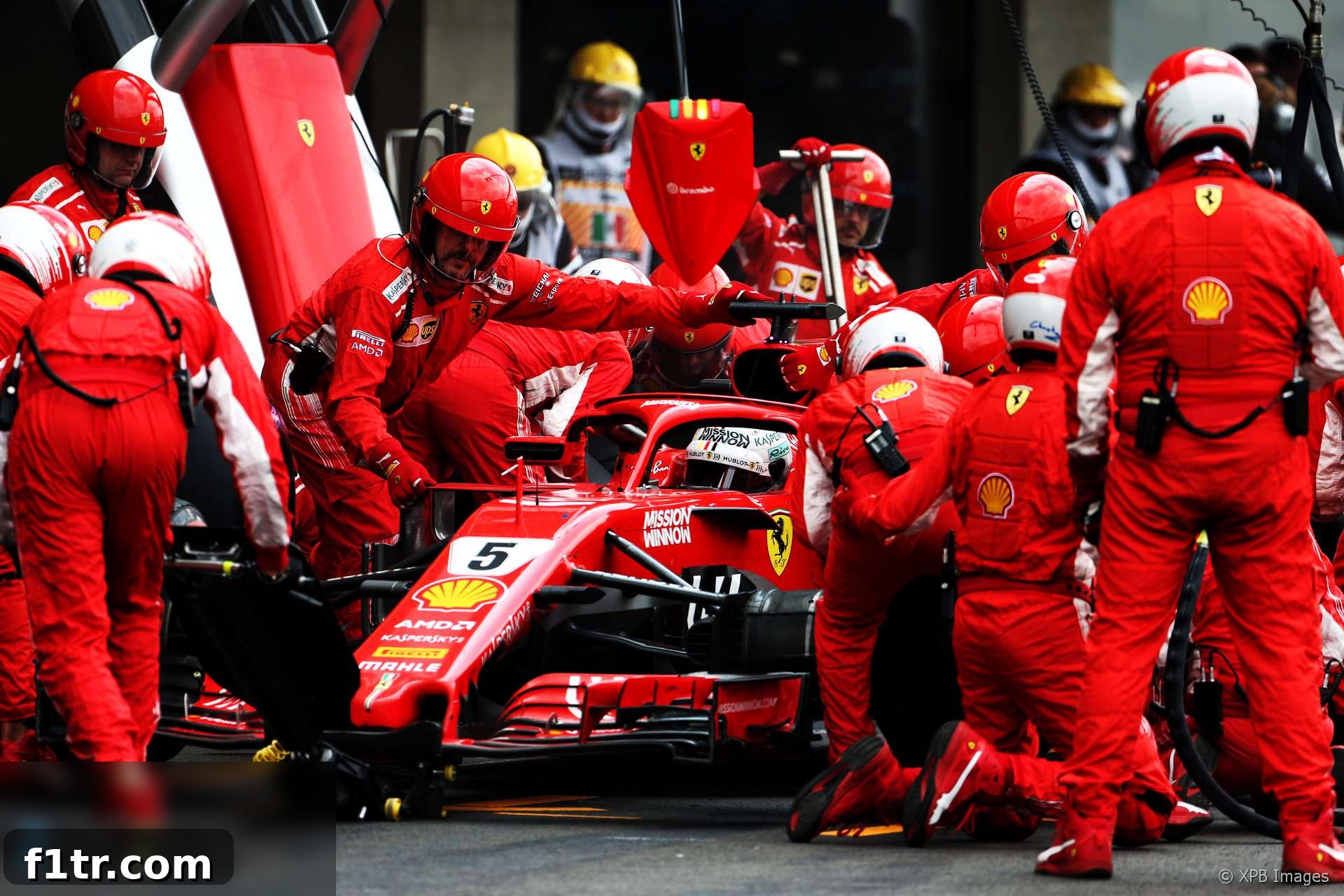
While the roar of engines and the blur of speed dominate the spectacle of Formula 1, another crucial battle unfolds in milliseconds, often deciding the fate of a race or even a championship: the pit stop. Months before the 2019 F1 season even began, the relentless pursuit of perfection was already underway in team factories, far from the track. Air guns weren’t silent; instead, they echoed through garages as crews practiced as many as 60 pit stops per week. This intensive training isn’t just about shaving off precious tenths of a second from the stopwatch; it’s about achieving an equally, if not more, vital target: unwavering consistency.
A flawless pit stop is a testament to synchronized human and mechanical precision, a ballet of skill performed under immense pressure. Conversely, a single misstep can unravel an entire race strategy, costing valuable points and, ultimately, millions in prize money. The repercussions of a botched pit stop were starkly highlighted in the 2018 Australian Grand Prix, where both Haas drivers were forced to retire due to improperly tightened wheels. Team principal Guenther Steiner later lamented that this error alone potentially cost them fourth place in the constructors’ championship, a difference worth millions of pounds.
With most drivers typically making only one pit stop per race, especially in seasons prior to strategic rule changes, the stakes attached to that sole opportunity are astronomically high. This immense pressure frequently took its toll; the 2018 season alone saw a dozen penalties handed out for ‘unsafe releases’, incidents where cars were sent back into the pit lane or track before it was safe to do so. The most grievous of these occurred in Bahrain, where Ferrari mechanic Francesco Cigarini suffered a broken leg when Kimi Raikkonen’s car was released prematurely. The incident underscored the inherent dangers in the quest for speed and led to a tightening of safety protocols.
The Evolution of Precision: From Fuel to Feathers
The Formula 1 pit stop has undergone a dramatic transformation over the decades. In the early years, stops were lengthy affairs, primarily used for refueling and tyre changes. Crews were smaller, and the process was far less refined, often taking upwards of 10-15 seconds, sometimes even longer. The crucial shift came with the ban on in-race refueling in 2010. This singular rule change transformed the pit stop from a multifaceted maintenance break into a hyper-focused tyre-changing sprint. Suddenly, the entire process revolved around minimizing the time it took to swap four wheels, pushing teams to innovate equipment, refine techniques, and perfect human coordination to an unprecedented degree.
Today’s pit stops are a marvel of engineering and human performance, with top teams routinely achieving times well under three seconds, sometimes dipping below two. This remarkable speed is a testament to advanced hydraulic jacks, ergonomically designed wheel guns, and specially designed wheel nuts that allow for lightning-fast removal and attachment. Yet, as mechanics become increasingly capable of turning an F1 car around in what seems like the blink of an eye, the law of diminishing returns has begun to apply. The relentless pursuit of another few hundredths of a second, while still a target, is not as valuable as ensuring every single pit stop is performed as quickly and flawlessly as it possibly can be, every single time.
The Human Symphony: Training, Teamwork, and the Quest for Consistency
Achieving a sub-two-second pit stop isn’t a fluke; it’s the result of countless hours of dedicated practice and an intricate understanding between 18 to 20 highly specialized crew members. Each individual has a precise role, and their movements must be synchronized like a perfectly choreographed ballet. During the off-season and between races, teams utilize old chassis or custom-built rigs to simulate race conditions, performing those 60-plus practice stops a week. This isn’t just about muscle memory; it’s about building trust, refining communication, and ingraining a collective intuition that allows them to perform under the most intense pressure imaginable.
The training involves a meticulous breakdown of every single movement: from the jack operators raising the car, to the three crew members at each wheel (one to loosen the nut, one to remove the old tire, and one to fit the new one, with the first then tightening it), and the front wing adjusters. Every stance, every grip, every sequence is rehearsed ad nauseam. The psychological aspect is just as critical; pit crew members must maintain intense focus and composure, knowing that a fraction of a second lost or a single error could cost their driver a podium finish, or worse, lead to a dangerous incident. They are athletes in their own right, combining strength, agility, and mental fortitude.
On the pit wall, the team’s strategists rely implicitly on the pit crew’s ability to perform consistently. It’s no good if a team can occasionally crack a sub-two-second stop if the crew fumbles every fifth one, costing the driver precious seconds. Strategic decisions like the ‘undercut’ or ‘overcut’ – where a driver pits early or stays out longer to gain track position – are predicated on the assumption that the pit stop itself will be executed within a predictable, rapid timeframe. Mercedes, for example, consistently demonstrated this blend of speed and reliability, often being among the quickest in the pits. Their performance in China, where a superb strategic call combined with a rapid tyre change propelled Valtteri Bottas into the lead, stands as a prime example. Had it not been for an ill-timed Safety Car period later in the race, that perfectly executed pit stop might very well have secured him the victory.
The Mechanics of a Two-Second Marvel: A Step-by-Step Breakdown
So, what exactly unfolds in those fleeting two seconds, transforming a stationary F1 car back into a racing machine? It’s a rapid, intricate sequence:
- The Precision Stop: The car screeches to a halt at the exact designated spot, guided by a crew member holding a ‘stop board’ or increasingly, by sophisticated pit-stop lights and sensors. Driver precision here is paramount to save precious milliseconds.
- Car Elevation: Almost instantaneously, front and rear jack operators swiftly raise the car using powerful hydraulic jacks, lifting it just enough for the wheels to be changed. Their timing must be perfect, engaging the car’s jacking points securely.
- The Wheel Change Frenzy: This is the core of the operation. At each of the four corners, a trio of mechanics springs into action.
- Wheel Gun Operator: Approximately 0.5 seconds after the car stops, the wheel gun operator uses a high-powered pneumatic gun to quickly remove the single, large wheel nut.
- Old Tyre Remover: A second mechanic swiftly pulls off the old, worn tyre.
- New Tyre Fitter: Simultaneously, a third mechanic positions the fresh, pre-heated tyre onto the hub.
- Nut Re-tightening: The wheel gun operator then re-attaches the wheel nut, tightening it securely. Modern wheel guns often have sensors that indicate a successful tightening, with the operator pressing a button to signal completion to the pit wall.
- Ancillary Tasks and Fine-Tuning: While the wheels are being changed, other vital adjustments and checks are underway. Front wing levels are often tweaked using electrically-operated equipment to optimize aerodynamic balance for the next stint. Mechanics might also quickly clean the driver’s visor, check mirrors, or clear debris from the car’s radiators, though these are secondary to the tyre change.
- The Green Light: Finally, the ‘lollipop man’ (or increasingly, an automated traffic light system) monitors the entire process and the pit lane traffic. Once all wheels are securely attached, the car is lowered, and the fast lane is confirmed clear, the signal is given for the car to emerge safely back into the race, marking the completion of the pit stop.
Old #F1 cars never die…we just dust them off for pit stop practice!
Putting the #VF17 to work Wednesday. #HaasF1 🏎🇺🇸💪 pic.twitter.com/rebeHbvFnw
— MoneyGram Haas F1 Team (@HaasF1Team) January 9, 2019
Beyond Speed: The Future of Pit Stop Excellence
The modern F1 pit stop is a dazzling display of high-speed human interaction and cutting-edge technology. Yet, the relentless pursuit of perfection continues. Teams constantly analyze telemetry data, use slow-motion cameras, and employ sophisticated simulation tools to identify even the most minuscule opportunities for improvement. The focus remains on marginal gains, not just in speed, but in robustness and reliability. Future innovations might include even more advanced sensor feedback systems, further integration of AI into strategy, or even minor equipment tweaks that shave off fractions of a second.
However, the human element will likely always remain at the core of the F1 pit stop. It’s a delicate balance between pushing the limits of speed and ensuring the safety of both the driver and the pit crew. The lessons learned from incidents like the one in Bahrain have led to stricter regulations and improved safety mechanisms, ensuring that while speed is king, safety is never compromised. The pit stop is more than just a routine tire change; it’s a microcosm of Formula 1 itself – a high-stakes blend of engineering prowess, strategic brilliance, and the incredible dedication of a finely tuned team.
2019 F1 season
- Crying in the Melbourne car park at 2019 grand prix was my career low – Ocon
- McLaren Racing reports reduced £71 million loss in 2019
- Kvyat: Hockenheim podium last year was “my biggest achievement” so far
- How the FIA’s new encrypted fuel flow meter targets Ferrari’s suspected ‘aliasing’ trick
- “He smashed my office door”: 23 must-see moments from ‘Drive to Survive’ season two
Browse all 2019 F1 season articles