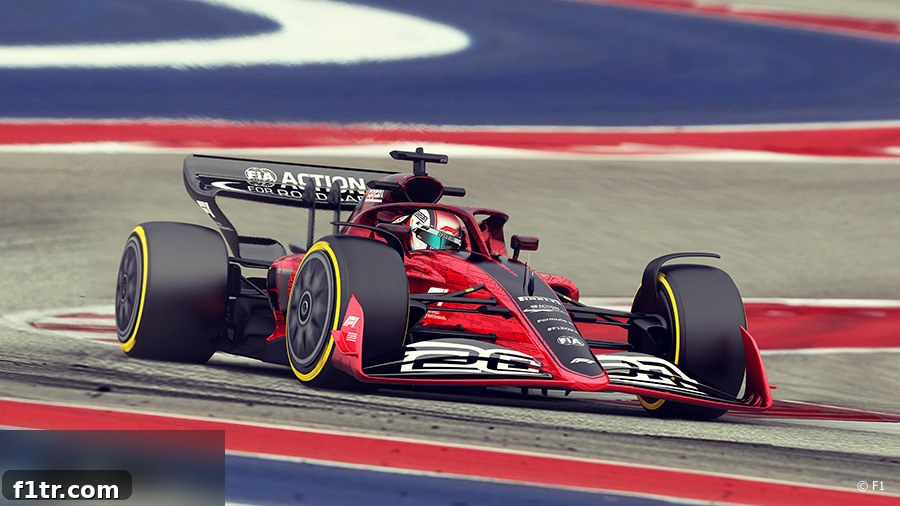
In a momentous decision reflecting the unprecedented challenges of the global COVID-19 pandemic, Formula 1, the FIA, and all ten participating teams have unanimously agreed to postpone a significant portion of the sport’s radical new technical regulations. Originally slated for introduction in the 2021 season, these sweeping aerodynamic changes, designed to revolutionize racing and promote closer competition, will now be deferred until the 2022 F1 season. This strategic move aims to alleviate the severe financial pressures exerted on teams by the abrupt halt to the 2020 championship, ensuring the long-term sustainability and stability of Formula 1.
The core of this agreement involves teams committing to utilize their 2020 chassis for the entire 2021 season. This immediate measure provides substantial cost relief by eliminating the need for extensive design, development, and manufacturing of completely new chassis components for the intermediate year. Furthermore, discussions are ongoing regarding the potential freezing of additional components between the two seasons, which could extend the cost-saving benefits even further across various car parts, minimizing expenditure on areas like gearboxes, suspension elements, and other non-performance-critical systems.
The technical regulations, which were initially conceived to introduce a new era of Formula 1, represent one of the most comprehensive overhauls in the sport’s history. Their primary objective is to fundamentally alter car aerodynamics, reducing the turbulent “dirty air” generated by cars and thereby enabling drivers to follow each other more closely and engage in more wheel-to-wheel battles. Concepts like simplified front wings, revised undertrays utilizing ground effect, and standardized components were central to this vision. While the sport’s enthusiasts eagerly anticipate these innovations, the current economic climate necessitated a pragmatic approach, prioritizing fiscal prudence over immediate technical evolution.
The disruption caused by the COVID-19 pandemic has been profound, forcing the cancellation or postponement of the initial seven races of the 2020 season. This unprecedented schedule upheaval has had a cascading effect on team revenues, which are heavily reliant on race fees, sponsorship deals, and prize money linked to competitive performance. Smaller, independent teams, in particular, face existential threats without robust financial planning. The deferral of the technical rules directly addresses this by preventing teams from undertaking the colossal investment required to develop an entirely new car concept in a period of extreme financial uncertainty. It allows them to focus resources on navigating the immediate crisis while maintaining a clear vision for the sport’s future.
Crucially, amidst this regulatory deferment, Formula 1 remains committed to pressing ahead with its new financial regulations, commonly known as the budget cap. This landmark initiative is set to be introduced as planned in 2021, limiting each team’s annual spending to a maximum of $175 million, with specific exceptions for areas such as driver salaries, top three personnel salaries, and marketing expenses. The implementation of the budget cap is now more vital than ever, serving as a cornerstone for creating a more level playing field and ensuring the long-term economic viability of all teams, from the giants of the sport to the smaller privateer outfits. It promotes efficiency, innovation within financial constraints, and reduces the risk of teams spending their way to success.
The budget cap is not merely a reactive measure to the pandemic but a fundamental shift in Formula 1’s economic model, designed to foster a more competitive and sustainable ecosystem. By capping expenditure, the sport aims to prevent the runaway spending that often leads to a significant performance gap between the wealthiest teams and those with more modest budgets. This ensures that ingenuity, strategic thinking, and operational excellence become paramount, rather than sheer financial might. The decision to proceed with the budget cap in 2021, despite the delay in technical rules, underscores its critical role in shaping a healthier, more balanced future for Formula 1.
The unanimous nature of this agreement between the FIA, Formula 1 management, and all ten teams is a testament to the collective understanding of the gravity of the situation and a shared commitment to the sport’s future. This collaborative spirit highlights the industry’s ability to unite in times of crisis, making difficult but necessary decisions for the collective good. While the agreement awaits final ratification from the FIA World Motor Sports Council, its broad support indicates that it is an almost certainty, paving the way for a more stable path forward.
In an official statement, the FIA detailed the planned adjustments: “Following unanimous agreement between the FIA, Formula 1 and all teams, the implementation of the Technical Regulations due to take effect from the 2021 season will be postponed until 2022. All parties further discussed the current situation of the 2020 championship and how the sport will react to the ongoing challenges caused by the Covid-19 pandemic. Due to the currently volatile financial situation this has created, it has been agreed that teams will use their 2020 chassis for 2021, with the potential freezing of further components to be discussed in due course.”
The statement continued, confirming the financial regulatory path: “The introduction and implementation of the Financial Regulations will go ahead as planned in 2021, and discussions remain ongoing between the FIA, Formula 1 and all teams regarding further ways to make significant cost savings. All teams expressed their support for the FIA and Formula 1 in their ongoing efforts to restructure the 2020 calendar as the global situation regarding Covid-19 develops. All of these commitments will be referred to the relevant governing structures for final ratification.” This reiterates the dual focus: immediate cost control and long-term financial reform.
The postponement of the new technical rules also provides teams with an unexpected bonus: an additional year to refine their designs and strategies for the 2022 cars. This extra development time, combined with the constraints of the budget cap, could lead to even more innovative and thoroughly engineered machines, potentially enhancing the spectacle of the “new era” of Formula 1 when it eventually arrives. It allows engineers to delve deeper into the complexities of the regulations without the immediate pressure of a rapidly approaching deadline in a financially constrained environment.
Looking ahead, the 2021 season is set to be a fascinating bridge year. With teams running essentially updated versions of their 2020 cars and operating under a brand-new budget cap, the emphasis will shift from radical development to optimization, strategic expenditure, and shrewd operational management. This could lead to a highly competitive season where fine-tuning and reliability play an even greater role, while simultaneously laying the groundwork for a truly transformative 2022 season where the technical and financial regulations converge to redefine the pinnacle of motorsport. The decisions made today underscore Formula 1’s adaptability and commitment to a vibrant, equitable, and thrilling future.
Related F1 Season Insights
- Analyzing the Financial Impact on F1 Teams
- Prospects for the Transitional 2021 F1 Season
- The Budget Cap: Shaping Formula 1’s Competitive Future
- Deep Dive into the Delayed 2022 Technical Regulations
- Revisions to the F1 Race Calendar Amidst Global Challenges
Browse all articles on F1’s Strategic Decisions