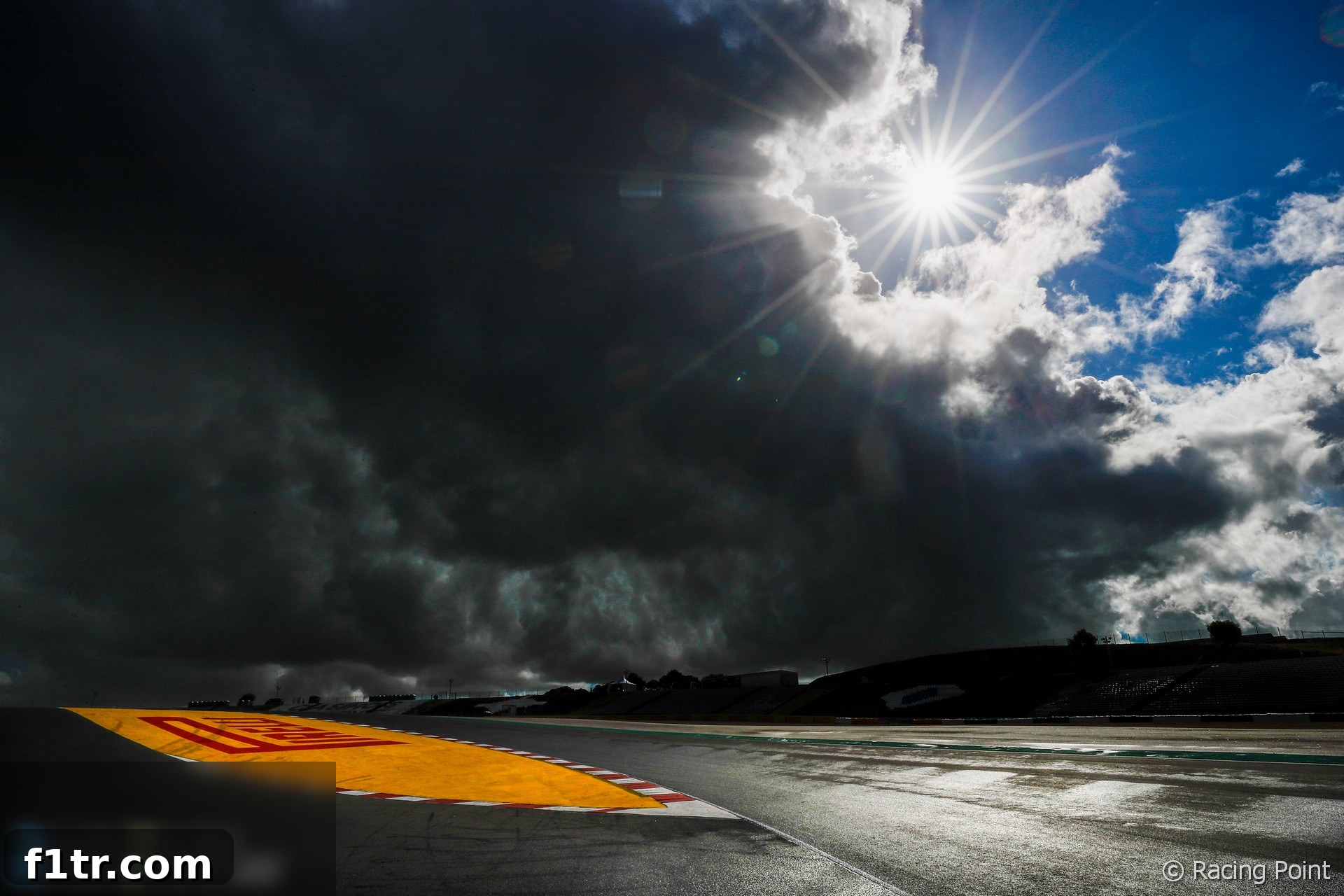
As the Formula 1 circus returns to the picturesque Autódromo Internacional do Algarve for the 2021 Portuguese Grand Prix, anticipation is building for a weekend that promises not just high-octane racing but also intriguing weather dynamics. Located near the vibrant city of Portimão, this undulating circuit, celebrated for its challenging elevation changes and sweeping corners, is set to host an event under conditions distinctly different from its previous F1 outing. Spectators and teams alike can expect a notably cooler and more overcast atmosphere compared to the sun-drenched spectacle of the 2020 race, adding another layer of complexity to an already demanding circuit.
The Autódromo Internacional do Algarve, often referred to simply as Portimão, made a memorable debut on the F1 calendar in 2020, offering a fresh challenge to drivers and engineers. Known for its roller-coaster feel and wide track allowing for multiple racing lines, it quickly established itself as a fan favourite. However, the unique microclimate of the Algarve region means that weather can be a significant variable, and the 2021 edition, scheduled earlier in the season, is poised to underscore this.
Last year’s race, held later in the year, saw air temperatures peak at a relatively mild 22°C. This year, however, forecasts indicate a significant drop, with temperatures expected to hover around 3°C lower across all sessions. More importantly, extensive cloud cover is predicted to blanket the circuit for much of the weekend, a factor that will have profound implications for tire performance, car setup, and ultimately, race strategy. The interplay between ambient temperature, track temperature, and cloud cover creates a delicate balance that teams must master to extract maximum performance.
Advert | Become a Supporter & go ad-free
The direct consequence of cooler ambient temperatures and increased cloud cover will be a noticeable reduction in track temperatures. Track temperature is a critical parameter in Formula 1, directly influencing tire grip, degradation rates, and the operating window for each compound. For comparison, the first practice session in 2020 recorded an air temperature high of 21°C, but the track temperature soared to a scorching 34°C, providing ample heat for tires to work optimally. This year, Free Practice 1 is anticipated to feature an ambient high of just 17°C under largely cloudy skies, suggesting track temperatures will remain significantly lower, possibly struggling to reach the ideal operating windows for the softer compounds.
This substantial difference in track conditions will demand a meticulous approach from teams and drivers. Cooler track temperatures generally mean less grip, increased tire warm-up times, and a higher risk of graining, especially with softer compounds. Engineers will need to adjust car setups to compensate for the reduced adhesion, potentially running higher downforce or altering suspension settings to generate more mechanical grip. Drivers, on the other hand, will face the challenge of bringing their tires up to temperature quickly on out-laps and managing them carefully over long runs to prevent excessive wear or loss of performance. The undulating nature of Portimão, with its high-speed corners and heavy braking zones, will only amplify these challenges, making the precise management of tires an even more critical component of success.
The forecast for Free Practice 2 indicates a slight increase in air temperature to around 19°C, but with a significant addition: wind. Breezes are expected to pick up considerably, reaching speeds of up to 23 kilometers per hour. Wind is another often-underestimated factor in Formula 1, capable of dramatically impacting aerodynamic performance and car stability. Crosswinds can unsettle cars in high-speed corners, leading to unpredictable oversteer or understeer, while headwinds or tailwinds can affect braking points and straight-line speed. Teams will be using FP2, typically dedicated to longer runs and race simulations, to understand how their cars behave under these windier conditions and make necessary aerodynamic adjustments. Drivers will need to adapt their driving style, anticipating how the wind might push or pull the car through different sections of the track, particularly in the exposed areas of the circuit.
Saturday’s sessions, encompassing Free Practice 3 and the crucial Qualifying hour, are expected to follow a similar pattern. Temperatures should remain consistent with Friday’s slightly elevated levels, hovering around 19°C, still beneath cloudy skies. The wind, however, is predicted to pick up slightly again, adding another layer of complexity to qualifying. FP3 will be the final opportunity for teams to fine-tune their setups, often making last-minute adjustments based on driver feedback and data gathered from Friday. The focus will be on optimizing the car for a single-lap qualifying performance, which can be particularly tricky with varying wind conditions impacting the car’s balance through Portimão’s demanding corners like the fast Turn 1 and the sweeping Turn 15. A strong qualifying position is always vital, but adapting to the evolving conditions will be key to unlocking maximum potential.
Qualifying under these conditions demands absolute precision. Drivers will be pushing the limits of grip, relying on their intuition and the feedback from the car to judge the constantly changing balance. A gust of wind at the wrong moment could easily compromise a lap, highlighting the fine margins that define success and failure in F1 qualifying. Tire management on a single lap will also be paramount; getting the tires into their optimal operating window for a flying lap, especially in cooler conditions, requires careful out-lap execution and perfect timing. The pressure will be immense, as teams vie for every tenth of a second that could make the difference between pole position and a mid-pack start.
Optimism is growing for race day, as early predictions suggest a welcome turn for the better in conditions. Much sunnier weather is expected to grace the Autódromo Internacional do Algarve just in time for the Grand Prix. This shift from overcast to clear skies could lead to a significant rise in track temperatures, potentially bringing them into a more favorable range for tire performance. Even with the sun shining, the atmosphere is expected to remain relatively brisk, with an air temperature high of around 24°C during the scheduled race time. Furthermore, the winds are projected to persist, albeit at a slightly stronger 24 kph, meaning drivers will still have to contend with aerodynamic disturbances throughout the 66-lap race.
The change in conditions from Saturday to Sunday will add an intriguing strategic element to the race. Teams will need to consider how the expected increase in track temperature will affect tire degradation and overall race pace. A warmer track might open up different tire strategies, potentially making the harder compounds more viable or shifting the ideal pit stop windows. Drivers will need to quickly adapt to the altered grip levels and car balance that come with higher track temperatures. The Portimão circuit, with its wide array of corner types and significant elevation changes, provides ample opportunities for strategy to play out, and the fluctuating weather forecast only amplifies this. Overtaking opportunities, particularly into Turn 1 and the final corner, will depend heavily on tire management and car stability under braking and acceleration, all of which are influenced by the prevailing conditions.
Crucially, the risk of rain is projected to remain consistently low throughout the entire Portuguese Grand Prix weekend. This comes as a relief to teams and fans alike, especially after the challenging and unpredictable wet conditions witnessed at the previous race in Imola. While a wet race certainly adds an element of drama, it also introduces significant unpredictability and safety concerns. The low probability of rain means that teams can focus purely on dry weather setups and strategies, simplifying their planning to some extent, but still leaving them to grapple with the nuances of cooler temperatures, increased cloud cover, and persistent winds. Therefore, spectators can anticipate a traditional dry F1 race, with all the usual strategic battles and on-track excitement, rather than a lottery influenced by sudden downpours.
Advert | Become a RaceFans supporter andgo ad-free
The combination of Portimão’s unique circuit layout and the anticipated weather conditions sets the stage for a truly fascinating weekend of Formula 1 action. From the initial data gathering in FP1 under cool, cloudy skies to the high-stakes qualifying with increasing winds, and finally, to a potentially sunnier but still breezy race day, every session will present its own set of challenges. Teams will need to demonstrate exceptional adaptability and strategic acumen, while drivers will be tested on their ability to extract maximum performance from their machines in constantly evolving environments. For the latest updates on track conditions, minute-by-minute session reports, and all the unfolding drama from the Autódromo Internacional do Algarve, make sure to keep a close eye on RaceFans Live and follow the official RaceFans Twitter account. The 2021 Portuguese Grand Prix promises to be a compelling chapter in the Formula 1 season, shaped as much by the elements as by the incredible skill of its competitors.
2021 Portuguese Grand Prix
- Pirelli’s tyre choice for Portuguese GP wasn’t “too hard”, Hamilton concedes
- Who are the top F1 juniors bidding for a grand prix debut in 2022?
- 2021 Portuguese Grand Prix Star Performers
- Race gains encourage Ricciardo after ‘unacceptable’ qualifying performance
- Sainz says top-five finish was possible after first no-score for Ferrari
Browse all 2021 Portuguese Grand Prix articles