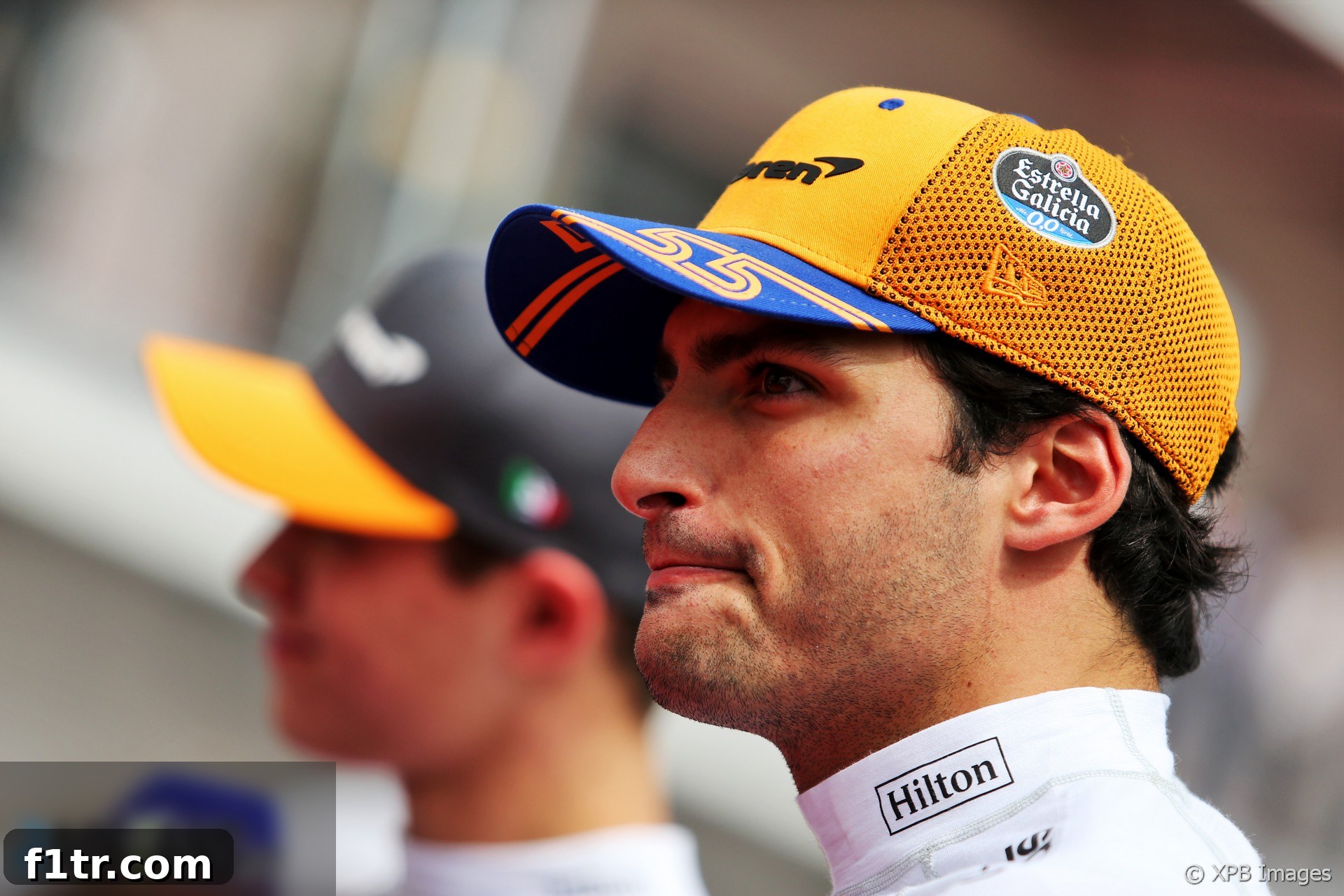
In the fast-paced world of Formula 1, the debate surrounding calendar expansion is a hot topic, particularly among the drivers who bear the brunt of an increasingly demanding schedule. Carlos Sainz Jnr, a prominent voice in the paddock, has expressed his clear reservations about the sport’s push towards a more packed season. While acknowledging the allure of new venues and the strategic benefits of global reach for Formula 1, Sainz maintains a firm stance against the prospect of a 25-race calendar, which is slated to become the maximum number of rounds from 2021 onwards. This sentiment reflects a growing concern within the F1 community about the sustainability of such an intense schedule, not just for the athletes but for the entire ecosystem of teams, engineers, and support staff.
Drivers’ Dilemma: Quality vs. Quantity in F1
The 2020 F1 calendar, featuring 22 races, already marked a significant increase in the sport’s global footprint. With discussions actively underway to potentially add another high-profile event in Miami, the prospect of further expansion looms large. This proposed addition has sparked a nuanced reaction from drivers like Carlos Sainz, who weigh the excitement of racing in new, vibrant locations against the escalating pressures of a relentlessly growing schedule.
I like Miami, I’ve been there before and I enjoy it so I would be open to race racing in Miami.
But I wouldn’t be open to a 25-race calendar.
Sainz’s comments encapsulate the core conflict many drivers face: the desire to compete on iconic tracks and embrace new opportunities versus the need to maintain a reasonable work-life balance and avoid burnout. Miami, with its vibrant culture and growing interest in motorsport, represents an attractive proposition for Formula 1, promising to bring the spectacle of grand prix racing to a significant new audience in the United States. Drivers, naturally, are keen to experience fresh challenges and engage with diverse fan bases. However, this enthusiasm is tempered by the very real physical and mental toll that an ever-expanding calendar takes.
The transition from 21 to 22 races was already felt across the paddock, and the leap to 25 would represent an unprecedented level of commitment. Such a schedule impacts not only the drivers but also the thousands of team personnel, mechanics, engineers, and logistics staff who spend an increasing proportion of their lives away from home. The implications stretch beyond individual well-being, touching upon the quality of preparation, potential for mistakes due to fatigue, and the overall sustainability of the sport’s human element. Striking a balance between F1’s commercial ambitions and the welfare of its participants remains a critical challenge as the sport navigates its future.
Quotes: Dieter Rencken
Advert | Become a RaceFans supporter andgo ad-free
Social Media Pulse: Connecting F1 with Fans
In the contemporary landscape of Formula 1, social media serves as a vital bridge between the sport and its global fanbase, offering an unfiltered glimpse into the lives of drivers, teams, and the thrilling world of motorsport. Notable posts from platforms like Twitter and Instagram frequently capture key moments, celebrations, and personal updates that resonate deeply with fans.
Let’s gooo 🔥 @alfaromeoracing pic.twitter.com/NSIpyYyA3k
— Juan Manuel Correa (@JMCorrea__) November 1, 2019
This particular tweet from Juan Manuel Correa, an inspiring figure in the racing world, ignited a wave of excitement among fans. His declaration of “Let’s gooo 🔥 @alfaromeoracing” accompanied by an image, symbolizes not just a return to racing activities but a profound testament to resilience and determination. Correa’s journey back to the cockpit, following a career-threatening injury, has been closely followed by the motorsport community, making every update a source of motivation and anticipation. Such posts underscore the emotional connection fans have with drivers and teams, extending beyond mere race results to personal stories of triumph and challenge.
Social media also provides a platform for teams to showcase their partnerships, unveil new liveries, and share behind-the-scenes content that humanizes the high-tech world of F1. For fans, it’s an immediate source of news, opinions, and interactive engagement, fostering a sense of community. The dynamic nature of platforms like Twitter ensures that the conversation around Formula 1 is continuous, vibrant, and incredibly diverse, reflecting the global appeal of the sport. It’s a place where fans can express their passion, debate strategies, and celebrate the heroes of the track, often directly interacting with their idols. This direct line of communication is invaluable in maintaining and growing F1’s dedicated audience.
- For a comprehensive guide to official F1 accounts and key figures to follow, explore the extensive F1 Twitter Directory.
Further Insights from the World of Motor Racing
Beyond the immediate headlines, the broader motor racing world is consistently buzzing with developments, ranging from infrastructure projects to event logistics and fascinating driver perspectives. Here, we gather some noteworthy links that offer deeper insights into the diverse aspects of Formula 1 and other top-tier motorsport categories.
Advert | Become a Supporter & go ad-free
Racing Point’s Formula One HQ at Silverstone given planning permission (Northampton Chronicle)
The approval for Racing Point’s new Formula One headquarters at Silverstone marks a significant milestone for the team, solidifying its long-term commitment to the sport and the iconic British racing hub. This development is not merely about constructing a new building; it represents a substantial investment in the team’s future, aiming to provide cutting-edge facilities that will foster innovation, efficiency, and ultimately, on-track performance. The quoted anecdote, “The gentleman funding this has a helicopter. It would be career-damaging for me to suggest that he use facilities nearby! He visits the site once a fortnight. I could call Lawrence now, but I think I know what the answer would be,” offers a humorous yet telling glimpse into the high-stakes world of F1 ownership, highlighting the dedication and personal involvement of financial backers like Lawrence Stroll, who are deeply invested in their teams’ success. Such infrastructure projects are crucial for F1 teams to remain competitive, attracting top talent and providing the environment necessary to challenge for podiums and championships.
Formula E Confident Santiago E-Prix Will Go Ahead (E-racing365)
The resilience of motorsport often shines through challenging circumstances, and Formula E’s confidence in the Santiago E-Prix proceeding despite widespread social unrest in Chile is a testament to this spirit. “After days of violence and protest over social inequality issues in Chile, several people were killed and widespread damage has been inflicted to businesses in the capital. In addition, two major international summit conferences have been cancelled in recent days.” This context underscores the complexities involved in hosting international sporting events in regions experiencing political or social instability. While the safety and well-being of all participants and spectators are paramount, the determination to move forward with the race reflects the commitment to the calendar and the belief in the power of sport to provide a sense of normalcy and entertainment, even amidst turmoil. It also highlights the meticulous planning and contingency measures required by international motorsport series to navigate such global challenges.
Practice recap (Haas)
Friday practice sessions in Formula 1 are crucial for teams and drivers to fine-tune their cars and adapt to the track conditions. This recap from Haas offers a candid look into a driver’s immediate sensations behind the wheel. The quote, “The car felt like it had a lot of grip, maybe that’s because I drove the NASCAR yesterday, and then jumped back in a Formula One car and thought, oh okay, I’ve got some grip now,” provides a humorous yet insightful comparison of the driving experience between two vastly different racing disciplines. This illustrates the incredible adaptability of top-tier drivers, who can transition between machines with dramatically different handling characteristics. It also subtly emphasizes the raw performance and sophisticated aerodynamics of an F1 car, which provides a level of grip and precision unmatched by many other forms of motorsport. Such direct driver feedback is invaluable for engineers in understanding car performance and making critical setup decisions for the qualifying and race sessions.
Verstappen Talks The U.S. Grand Prix, Red Bull Doesn’t Want To Talk Mexico (Updated) (Jalopnik)
The world of Formula 1 media interactions can be a delicate dance, as highlighted by this exchange involving Max Verstappen. “I wasn’t even halfway through the question about the Mexican Grand Prix when the PR person politely cut in and requested, ‘We’d like something more relevant to the upcoming weekend, please.'” This incident perfectly captures the careful management of narratives by F1 teams and their press officers. While journalists often seek to delve into past events or potential controversies, teams frequently prefer to maintain focus on the immediate future, particularly the upcoming race weekend, to control messaging and minimize distractions. This example underscores the constant tension between media’s investigative role and a team’s strategic communication. For a high-profile, fiercely competitive driver like Verstappen, every word can be scrutinized, making PR intervention a common occurrence to ensure focus remains on performance and current objectives.
We always endeavour to credit original sources and appreciate contributions from our readers. If you have a compelling link or a news tip that you believe would enhance the next RaceFans round-up, please do not hesitate to send it in via our contact form. Your insights help us keep the community informed and engaged.
Advert | Become a RaceFans supporter andgo ad-free
The Podium Puzzle: Nico Hulkenberg’s Legacy and F1 Futures
The impending departure of Nico Hulkenberg from the Formula 1 grid sparked considerable debate among fans and pundits alike, prompting many to question whether his exit was truly “deserved” given his talent and consistent performances. Hulkenberg, often lauded for his speed and reliability, has the unenviable record of being the driver with the most Grand Prix starts without a single podium finish. This statistic inevitably frames discussions about his career, leading to comparisons with other drivers who have secured top-three results, sometimes in seemingly less capable machinery.
Grosjean has 10 podiums at least three of which were in cars no better than a Racing Point and certainly one in a car that was dreadful. Magnussen scored one on the only chance he had a car capable of it. Perez scored podiums in the same car as Hulkenberg. Stroll scored a podium in a car that was inferior to Hulkenberg’s on the only chance he got. Kvyat has scored podiums in good (Red Bull) and bad (Toro Rosso – in 2019) cars. I’d go as far as to say that apart from Stroll (or maybe on a damp fast track), all of said drivers are probably as fast as Hulkenberg on one lap.
OK, some of them have got a reputation for not being as stable and regular, but I’d actually argue some have cars that are difficult to drive compounding the matter. And of course, all of them will retire with a podium story to talk about.
I do wish Hulkenberg could do so too.
@Tango
As eloquently argued by ‘@Tango’, the discussion around Hulkenberg often brings into focus the capricious nature of Formula 1, where opportunity and timing can be as critical as raw talent. The cited examples of Romain Grosjean, Kevin Magnussen, Sergio Perez, Lance Stroll, and Daniil Kvyat all having secured podiums, sometimes under challenging circumstances or with less competitive cars, underscores the fine margins that define success at the pinnacle of motorsport. While Hulkenberg’s one-lap pace and consistency have rarely been questioned, the elusive podium has become a defining, and perhaps unfairly negative, aspect of his F1 narrative. This leads to the fundamental question of whether a driver’s career should be solely judged by trophy cabinet rather than overall performance, adaptability, and team contribution.
The comment highlights that while some drivers might be perceived as less “stable and regular,” their ability to seize a unique chance—be it in chaotic wet conditions or during an unexpected turn of events—often makes the difference. This underscores that Formula 1 is not just a test of consistent speed but also of capitalizing on rare opportunities, a skill that requires a blend of aggression, strategy, and sometimes, sheer luck. The sentiment of wishing Hulkenberg could also “retire with a podium story to talk about” resonates deeply, reflecting a desire among fans to see deserving talents achieve that significant milestone, regardless of their overall statistical standing. It’s a poignant reminder that while F1 is a team sport, individual achievements, particularly podiums, hold immense personal and professional value for drivers, shaping their legacies long after they leave the grid.
Engage and Connect: Highlights from the RaceFans Forum
- Our vibrant community often sparks insightful discussions on various Grand Prix experiences. For those planning their trip, @JungleMartin has initiated a fascinating question about optimizing race commentary at the Abu Dhabi Grand Prix. This thread is a valuable resource for attendees seeking tips on enhancing their live race experience, from understanding circuit commentary systems to engaging with fellow fans.
The RaceFans forum serves as a dynamic hub for F1 enthusiasts to connect, share experiences, and exchange knowledge. From travel tips for upcoming races to in-depth analyses of race strategies and driver performances, the forum fosters a sense of camaraderie among fans worldwide. These discussions not only enrich the individual fan experience but also contribute to a collective understanding and appreciation of Formula 1. Whether you’re a seasoned Grand Prix veteran or a first-time attendee, engaging with the forum provides unparalleled insights and a sense of belonging within the global F1 community.
Celebrating Our Community: Happy Birthday!
A very special happy birthday goes out to our esteemed community members: Narboza22, Rafael, and G! We hope you have a fantastic day filled with joy and perhaps some thrilling motorsport moments.
At RaceFans, we cherish our community, and celebrating your special milestones is a small way we show our appreciation. If you’d like to receive a birthday shout-out in an upcoming round-up, simply let us know your birth date via our contact form. Alternatively, you can contribute directly by adding your details to our dedicated birthday list here. It’s a wonderful way to connect with fellow F1 fans and share in the excitement of the sport.
F1 History Revisited: Significant Moments On This Day
- Reflecting on five years ago today, we revisit a pivotal moment in Lewis Hamilton’s illustrious career. On November 3, 2014, Lewis Hamilton delivered a masterful performance at the United States Grand Prix, skillfully passing his then-teammate Nico Rosberg to claim a crucial victory. This win was not just another notch on his belt; it significantly narrowed the gap in the championship standings, setting the stage for a dramatic conclusion to the 2014 season. Hamilton’s triumph at Circuit of the Americas showcased his exceptional race craft and strategic brilliance, further cementing his reputation as one of the sport’s all-time greats. Moments like these underscore the high stakes and intense rivalries that define Formula 1, shaping legacies and captivating fans worldwide.
Commemorating historical moments in Formula 1 allows us to appreciate the sport’s rich tapestry and the enduring impact of its legendary figures. Each “On This Day” entry serves as a reminder of the drama, skill, and sheer determination that have characterized Grand Prix racing through the decades. These historical anecdotes not only entertain but also provide valuable context to the ongoing narratives of competition and excellence in F1. They help us understand the evolution of strategies, the emergence of new talents, and the ever-present pursuit of championship glory, connecting past triumphs with present challenges.