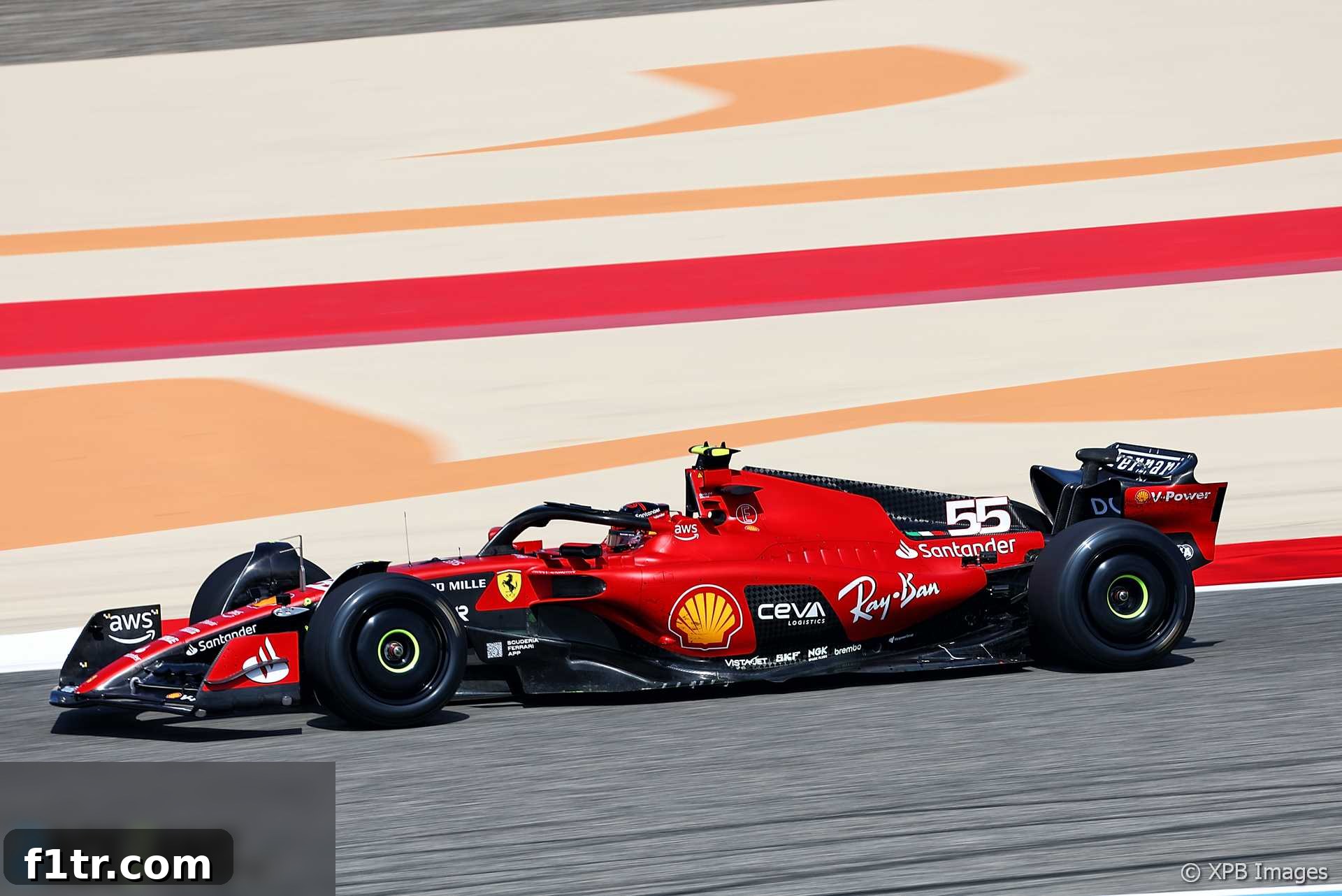
2023 F1 Pre-Season Testing: Day Two Unveiled at Bahrain International Circuit
The anticipation for a new Formula 1 season is always palpable, but it’s during pre-season testing that the first whispers of performance and potential begin to emerge. The 2023 F1 season kicked off its critical testing phase at the renowned Bahrain International Circuit, a venue synonymous with demanding conditions and spectacular racing. This article delves deep into the events and implications of the second day of testing, offering insights into what teams and drivers experienced, and what it could mean for the thrilling season ahead.
For fans and technical observers alike, pre-season testing is a crucial window into the competitive landscape of Formula 1. It’s where theories are put to the ultimate test, where new regulations truly impact car design, and where drivers get their first real feel for their new machinery at speed. Day two in Bahrain was particularly enlightening, providing extended track time under varied conditions, allowing teams to push their 2023 challengers further than ever before. From comprehensive reliability runs to initial performance assessments, every lap carried significant weight.
The Critical Role of F1 Pre-Season Testing
Pre-season testing is far more than just a glorified shakedown; it’s an intense period of data collection, validation, and problem-solving. Teams arrive with thousands of hours of development poured into their new cars, and the track is where theory meets reality. The three-day format for the 2023 season, down from previous years, placed an even greater emphasis on efficiency and maximizing every minute of track time. With only a limited number of laps available, every team aimed to gather as much information as possible on various aspects of their cars.
What Teams Aim to Achieve
- Reliability Verification: The absolute priority is to ensure the new car can withstand race distances without critical failures. Mechanical integrity, cooling systems, and all electronic components are rigorously tested.
- Aerodynamic Validation: Teams use intricate sensor arrays and aero rakes to compare on-track aerodynamic performance with their sophisticated simulation models. This helps identify any discrepancies and fine-tune aero packages.
- Tyre Understanding: Pirelli’s latest compounds are put through their paces. Teams need to understand degradation rates, optimal operating windows, and how different compounds interact with their specific car designs.
- Driver Adaptation: Drivers spend crucial time familiarizing themselves with the car’s balance, handling characteristics, and new controls. They provide invaluable feedback to engineers.
- Setup Optimization: A wide range of setup parameters, including suspension stiffness, ride height, wing angles, and differential settings, are explored to find the sweet spot for performance and driveability.
- Race Simulations: Towards the latter half of testing, teams often conduct longer runs mimicking race distances, complete with pit stops and fuel loads, to assess race pace and strategy.
Day Two Highlights at Bahrain International Circuit
The second day of testing at the Bahrain International Circuit unfolded with its own set of dramas and revelations. The desert climate presented its usual challenges, with warm temperatures during the day giving way to cooler conditions in the evening, and the ever-present threat of sand affecting track grip. These variable conditions offered valuable data for teams planning for races in similar environments.
Key Observations and Trends
While specific lap times during testing can often be misleading due to varying fuel loads, tire compounds, and engine modes, certain trends and standout performances invariably capture attention. Day two saw a clearer picture begin to emerge regarding the pecking order and potential strengths and weaknesses of the 2023 contenders.
- Consistent Performers: Some teams demonstrated exceptional consistency, logging high lap counts and showing strong pace on both short and long runs. This often indicates a well-balanced car with good reliability from the outset.
- Addressing Challenges: Other teams faced more visible hurdles, whether it was dealing with the persistent “porpoising” effect, mechanical gremlins, or simply struggling to find a comfortable balance for their drivers. These early challenges are crucial to identify and address before the season opener.
- New Aero Concepts: The paddock buzzed with discussion over innovative aerodynamic solutions unveiled by various teams. Sidepod designs, floor edges, and front wing configurations all came under intense scrutiny as engineers sought performance advantages within the strict regulations.
- Driver Feedback: Post-session interviews provided initial reactions from drivers, ranging from cautious optimism to frank admissions of areas needing improvement. This direct feedback is paramount for engineering teams to refine their development paths.
- Tyre Strategy Exploration: With a comprehensive range of Pirelli compounds available, teams experimented with different tire strategies, assessing which compounds offered the best performance and durability for the Bahrain track.
The Bahrain International Circuit itself is an excellent testing ground. Its mix of fast straights, challenging braking zones, and technical corners provides a thorough examination of a car’s all-round performance. The abrasive asphalt is particularly hard on tires, making it an ideal location to understand tire degradation – a factor that will be critical throughout the 2023 season.
The Visual Story: Capturing the Essence of F1 Testing
Beyond the technical data and lap times, F1 testing is a visually rich spectacle. Photographers and media personnel work tirelessly to capture the essence of these crucial days. From the vibrant liveries of new cars speeding down the main straight to the intricate details of pit lane operations, F1 pictures tell a compelling story. These images are not just for news reports; they become cherished memories for fans, providing a closer look at the machinery and the human element of Formula 1.
The Art of F1 Photography
Capturing Formula 1 cars at speed requires immense skill and precision. Photographers brave the harsh sun and high-speed action to deliver stunning visuals. During testing, they focus on:
- Action Shots: Dynamic images of cars cornering, braking, and accelerating, showcasing their speed and agility.
- Detail Shots: Close-ups of new aerodynamic elements, tire wear, suspension details, and driver interaction with the cockpit. These are invaluable for technical analysis and fan interest.
- Human Element: Photos of drivers discussing with engineers, mechanics meticulously working on cars, and team principals observing from the pit wall. These moments highlight the human effort behind the glamour.
- Atmospheric Shots: Pictures that convey the unique environment of the Bahrain desert, with its vast skies and dramatic lighting, especially during the twilight sessions.
These F1 pictures serve multiple purposes. They inform the public, generate excitement for the upcoming season, and provide a historical archive of car development and racing moments. Many fans eagerly seek out high-resolution F1 wallpapers to adorn their desktops, keeping the spirit of motorsport alive in their daily lives. The visual narrative is an integral part of the Formula 1 experience, making the sport accessible and engaging for a global audience.
Looking Ahead to the 2023 F1 Season
With day two of testing concluded, and the final day of pre-season running fast approaching, teams will be poring over mountains of data. The insights gained from the 2023 F1 season testing in Bahrain will directly influence the development trajectory for the entire year. While no championship is won or lost in testing, a strong showing can build momentum, and early struggles can indicate areas where significant work is needed.
The performance gaps observed, the reliability shown, and the general comfort expressed by drivers will all contribute to pre-season predictions. Fans worldwide are now eagerly awaiting the first Grand Prix of the season, which will also take place at the Bahrain International Circuit. This unique arrangement means that the data gathered during testing will be immediately relevant, providing teams with an unparalleled head start for the opening race weekend.
The 2023 season promises to be another thrilling chapter in Formula 1 history. With new regulations having settled in, teams are now finely tuning their designs to extract every ounce of performance. The competitive landscape appears set for intense battles, and the insights from testing have only fueled the excitement.
Stay tuned for more updates and comprehensive coverage as the 2023 F1 season officially gets underway. For a visual recap and ongoing galleries, explore our collection of stunning F1 pictures.
More F1 Pictures and Galleries
Dive deeper into the world of Formula 1 through our extensive photo galleries. From qualifying drama to exhilarating race action and behind-the-scenes moments, our collection captures the thrill of motorsport.
- 2026 Japanese Grand Prix in Pictures
- 2026 Japanese Grand Prix Qualifying Day in Pictures
- 2026 Japanese Grand Prix Practice in Pictures
- 2026 Chinese Grand Prix in Pictures
- 2026 Chinese Grand Prix Qualifying and Sprint Race Day in Pictures
View More F1 Pictures and Wallpapers