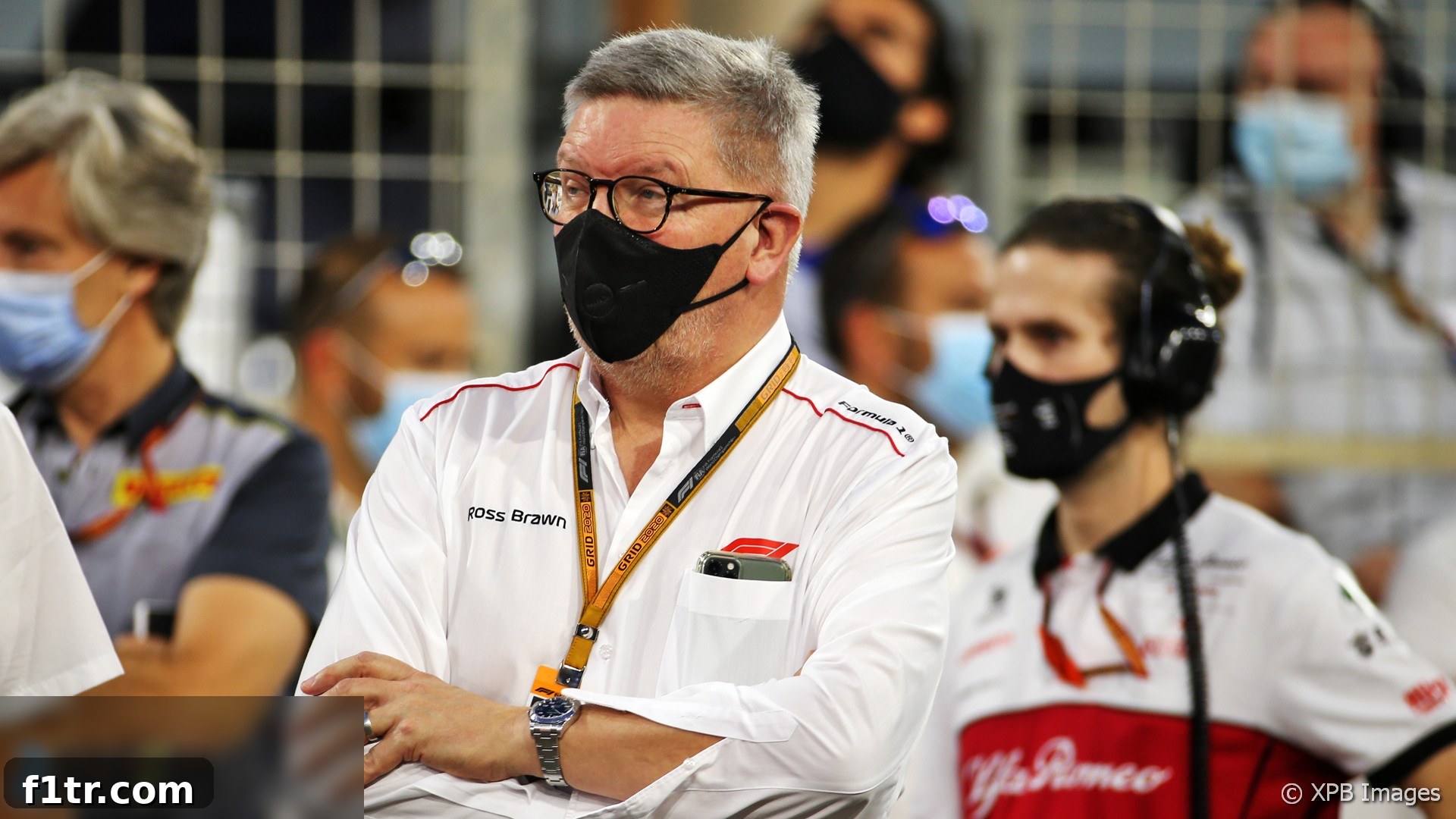
Ross Brawn Extends Pivotal Role as Formula 1’s Sporting Architect
In a significant development for the pinnacle of motorsport, Ross Brawn, a figure synonymous with engineering brilliance and strategic foresight, has officially confirmed his continuation as Formula 1’s Managing Director of Motorsports. This reaffirmation of his commitment ensures stability and strategic direction for the sport as it navigates a dynamic era of technical innovation and leadership transitions. His decision to remain in a role he has held for four impactful years underscores his dedication to seeing through the transformative changes he has spearheaded, particularly the radical overhaul of the sport’s technical regulations designed to enhance racing spectacle and competitiveness.
Forging the Future: Ross Brawn’s Vision for Formula 1 Regulations
Since taking the helm in 2017 following Liberty Media’s acquisition of Formula 1, Ross Brawn has been the driving force behind the sport’s most ambitious regulatory shift in decades. His mandate was clear: create a set of rules that would foster closer racing, increase overtaking opportunities, and ensure the long-term sustainability of the sport. The culmination of this monumental effort was the unveiling of the new technical regulations, originally slated for implementation in 2021. However, the unforeseen global challenges posed by the COVID-19 pandemic necessitated a pragmatic delay, pushing their introduction to the 2022 season as a crucial cost-saving measure for teams.
Revolutionizing the Technical Landscape for Closer Racing
Brawn’s vision for these regulations extended beyond mere tweaks; it represented a fundamental rethinking of how Formula 1 cars generate performance and interact on track. A primary focus was on addressing the detrimental effects of “dirty air” – the turbulent air created by cars that severely hinders a following car’s ability to stay close and attempt overtakes. The new rules, prominently featuring ground-effect aerodynamics, aimed to simplify car aerodynamics, reducing their sensitivity to turbulent air and allowing drivers to follow more closely without losing significant downforce. This technical philosophy was meticulously crafted to ensure that aerodynamic performance was less dependent on complex, high-cost solutions, thus promoting greater parity among teams and placing a greater emphasis on driver skill and strategic execution.
Beyond aerodynamics, Brawn’s influence also extended to the introduction of a comprehensive budget cap, a crucial measure to curb escalating costs and level the playing field. This financial regulation, alongside other sporting and technical directives, formed a holistic package designed to make Formula 1 more competitive, accessible, and exciting for fans worldwide. The anticipation for these rules, as Brawn himself expressed in an exclusive interview with RaceFans, was palpable: “I’m very excited about the challenges we face at the moment. It would have been frustrating not to see the new cars running.” His continued presence guarantees that the foundational principles and objectives behind these rules will be diligently upheld and refined, ensuring that Formula 1 maintains its trajectory towards a more thrilling and equitable future.
Continuity Amidst Change: Leadership Transitions within Formula 1 Management
Ross Brawn’s journey with Liberty Media began in 2017 as part of a new executive triumvirate tasked with steering Formula 1 into its next chapter, succeeding the long-reigning Bernie Ecclestone. This initial leadership team comprised Brawn as Sporting Director, Sean Bratches overseeing commercial operations, and Chase Carey as CEO and Chairman. Over the past four years, Brawn has emerged as the sole enduring figure from this original trio, providing an invaluable thread of continuity during significant organizational shifts that have reshaped the sport’s executive structure.
Evolving Executive Structure and Renewed Partnerships
The first change saw Commercial Director Sean Bratches step down approximately 12 months prior to this announcement, marking an initial shift in the executive landscape. More recently, the beginning of the year heralded another major transition with Chase Carey, who had guided Formula 1 through its initial Liberty Media phase, being succeeded by Stefano Domenicali as CEO and Chairman. Domenicali, a highly respected figure within motorsport, brings a wealth of experience, including a successful tenure as Team Principal of Ferrari and CEO of Lamborghini.
Domenicali’s return to Formula 1 has reunited him with Ross Brawn, rekindling a successful partnership forged during their shared time at Scuderia Ferrari, a period defined by unparalleled success in the early 2000s. Brawn eloquently described this reunion: “With Stefano coming on board, obviously we renew a partnership.” This established working relationship is a significant asset, ensuring seamless collaboration at the highest levels of Formula 1 management. Brawn emphasized that the dynamic challenges presented by the COVID-19 pandemic, coupled with the renewed partnership, have served to keep him motivated and eager to contribute to the sport’s ongoing evolution, reinforcing his commitment to its strategic direction.
The Importance of a Steady Hand in F1 Leadership
In the wake of Chase Carey’s departure, Brawn highlighted the critical need for continuity, especially during such pivotal periods for the sport. “I’ll have to stop at some point in the future, we all do, but I’m not planning it at the moment,” he stated. “I think with Chase stepping back, it was useful or important to have some continuity and I’m glad to carry on. So [it’s] exciting times.” His continued presence provides a crucial anchor, ensuring that strategic initiatives remain on track and that the institutional knowledge garnered over decades in the sport is preserved and utilized effectively. His “pretty flexible” remit allows him to adapt his contributions as needed, serving as a trusted advisor and key operational figure within the Formula 1 hierarchy.
“Stefano’s joined, I’m probably the person he knows best in our organisation. So I’ve been a reference for him on any number of things,” Brawn explained. This role as a primary point of reference is vital for Domenicali as he settles into his new position, offering strategic insights, historical context, and guidance across various aspects of Formula 1’s sporting and technical direction. As Domenicali builds his relationships across the organization, Brawn’s support ensures a smooth transition and continued momentum for the sport’s ambitious plans, cementing his role as an indispensable figure in Formula 1’s ongoing transformation and future success.
Ross Brawn: A Legacy Forged in Motorsport Excellence
Ross Brawn’s influence on Formula 1 extends far beyond his current role as Sporting Director. His career is a testament to sustained success and an unparalleled understanding of motorsport at its most intricate levels. Prior to his current executive position, Brawn was celebrated as one of the most brilliant technical directors and team principals in Formula 1 history. His illustrious career includes pivotal roles that shaped championship-winning eras for multiple teams, earning him a legendary status within the sport.
From Benetton to Ferrari Dominance and Beyond
Brawn first gained widespread recognition as Technical Director for Benetton, where he played a crucial role alongside Michael Schumacher in securing the team’s Drivers’ and Constructors’ Championships in the mid-1990s. This success laid the groundwork for one of the sport’s most legendary partnerships when Brawn followed Schumacher and Team Principal Jean Todt to Ferrari. As Technical Director at Ferrari, Brawn was instrumental in orchestrating an era of unprecedented dominance, guiding the Scuderia to six consecutive Constructors’ Championships and five consecutive Drivers’ Championships with Michael Schumacher from 1999 to 2004. His strategic acumen, particularly his ability to master race strategy and technical innovation, became a hallmark of Ferrari’s success, fundamentally altering the competitive landscape of Formula 1.
The Triumph of Brawn GP and Mercedes’ Ascendancy
Following a sabbatical, Brawn returned to the sport in a dramatic fashion, acquiring the Honda Racing F1 Team at the eleventh hour before the 2009 season. Renaming it Brawn GP, he masterminded a miraculous championship victory, securing both the Drivers’ and Constructors’ titles with Jenson Button in what remains one of Formula 1’s most improbable underdog stories. This triumph showcased his exceptional leadership and ability to extract maximum performance from limited resources and a groundbreaking double-diffuser design. After selling Brawn GP to Mercedes, he continued as Team Principal, laying the crucial foundations that would lead to Mercedes’ own era of unparalleled dominance in the hybrid era, overseeing the recruitment of key personnel and strategic development that shaped the team’s future.
This rich tapestry of experience – from technical innovation and strategic brilliance to team leadership and championship success – provides Ross Brawn with a unique perspective and authority in his current role. He understands the sport from every angle, making him an indispensable asset in shaping its future direction and ensuring its health and growth. His enduring commitment to Formula 1 is not merely a job; it is a continuation of a lifelong passion and a profound dedication to a sport he has helped define for decades, consistently pushing boundaries and striving for excellence.
Explore More from the World of F1
- Masi ‘basically gifted the championship’ to Verstappen says 2021 FIA steward Sullivan
- Las Vegas race backers looking to extend F1 deal beyond 2025
- Why Mercedes put ‘a reminder of joy and pain’ on display in their factory lobby
- Verdict on error in GT race suggests Mercedes would have lost 2021 Abu Dhabi GP appeal
- Title ‘stolen’ from Mercedes made us ‘underdogs people cheer for’ – Wolff
Browse all 2021 F1 season articles