The timeless marketing mantra, ‘Win on Sunday, sell on Monday,’ has resonated through the automotive industry for decades, serving as the bedrock argument for connecting motorsport success with tangible car sales. Hand-in-hand with this, engineers champion the complementary adage, ‘Racing improves the breed,’ underscoring the vital role of competitive racing in accelerating technological innovation and refining vehicle performance. When presented in unison, these two powerful slogans form an undeniable case for corporate investment in high-stakes motorsport programs, often swaying boardroom decisions and justifying significant expenditures.
However, the efficacy of this strategy is not without its critical caveats. For a motorsport venture to truly deliver, the chosen championship must impeccably align with the brand’s image, core values, and future aspirations. For instance, it would be commercially illogical for a family-oriented brand like Skoda to enter the prestigious, high-tech world of Formula 1. Conversely, a luxury marque like Rolls-Royce would appear profoundly out of place tackling the brutal terrain of the Safari Rally. Beyond brand congruence, the specific technological platform offered by a racing category must provide genuinely relevant insights and development opportunities for the manufacturer’s road car division. Ultimately, motorsport engagement is fundamentally a numbers game, where the paramount concern is the return on investment (ROI). Series with lower entry and operational costs, coupled with regulations that foster direct technological relevance, naturally yield superior ROI. A global calendar of events further amplifies appeal, extending brand exposure across diverse markets.
The Green Revolution in Motorsport: A Myriad of Power Unit Options
As global environmental consciousness has dramatically heightened, motorsport has been compelled to adapt, embracing sustainability as a core principle. Virtually every major racing series has either integrated or is actively planning to adopt some form of ‘green’ technology. This ranges from fully electric powertrains and sophisticated hybrid systems to the cutting edge of e-fuels, bio-fuels, and alternative energy sources such as hydrogen. Hydrogen, in particular, presents intriguing versatility, capable of powering advanced internal combustion engines or fueling highly efficient fuel cells for electric propulsion. This paradigm shift underscores motorsport’s commitment to mirroring and driving broader automotive industry trends towards a more sustainable future.
During the FIA’s recent annual member club conference in Monte Carlo, Secretary-General for Sport Peter Bayer highlighted the sheer complexity of this evolving landscape, enumerating a dizzying array of potential power unit options. He listed traditional fossil- or synthetic-fuelled spark, compression, or rotary internal combustion engines (ICEs), each with potential hybrid elements. He further noted variants powered by hydrogen or compressed natural gas, alongside purely electric motors. These electric motors, in turn, could be energised by one of three primary variants: conventional batteries, hydrogen fuel cells, or range-extended batteries charged by any of the aforementioned ICE types. This creates a challenging and fragmented technological environment.
This intricate landscape potentially translates into a minimum of ten distinct basic power unit alternatives, each with at least one significant sub-option. As Bayer candidly admitted, the industry faces “a power unit jungle out there,” with no single option emerging as a universal panacea. This lack of a clear, dominant solution presents ongoing challenges for sporting applications, commercial transportation, and everyday commuter vehicles alike. The diversity of options, while offering innovation, also complicates standardization and long-term strategic planning for manufacturers.
Formula E’s Early Promise and the Allure of Electric Racing
Given the rising emphasis on sustainability and the technological imperative for electrification, Formula E should, in theory, represent a prime target for motor manufacturers. Not only are its entry and operational costs substantially lower than those of Formula 1, but its very raison d’être is to provide a ‘green,’ global, and cutting-edge alternative to the FIA’s established premier series. The fact that Formula E meticulously checked these critical boxes was dramatically evidenced by the significant influx of prestigious manufacturers it attracted during its relatively short lifespan, solidifying its position as a serious contender in motorsport.
Launched in 2014, Formula E rapidly evolved, culminating in its recognition as a full world championship, theoretically attaining equal status to Formula 1, the World Endurance Championship (WEC), and the World Rally Championship (WRC) in its most recent seasons. Over this period, the series successfully drew ‘works’ entries from an impressive roster of global automotive brands. In alphabetical order, these included Audi, BMW, DS (Citroen), Jaguar, Mahindra, Mercedes, Nissan, Porsche, and Renault, alongside a number of emerging electric vehicle brands. This diverse and high-profile participation underscored the series’ initial appeal and perceived strategic importance.
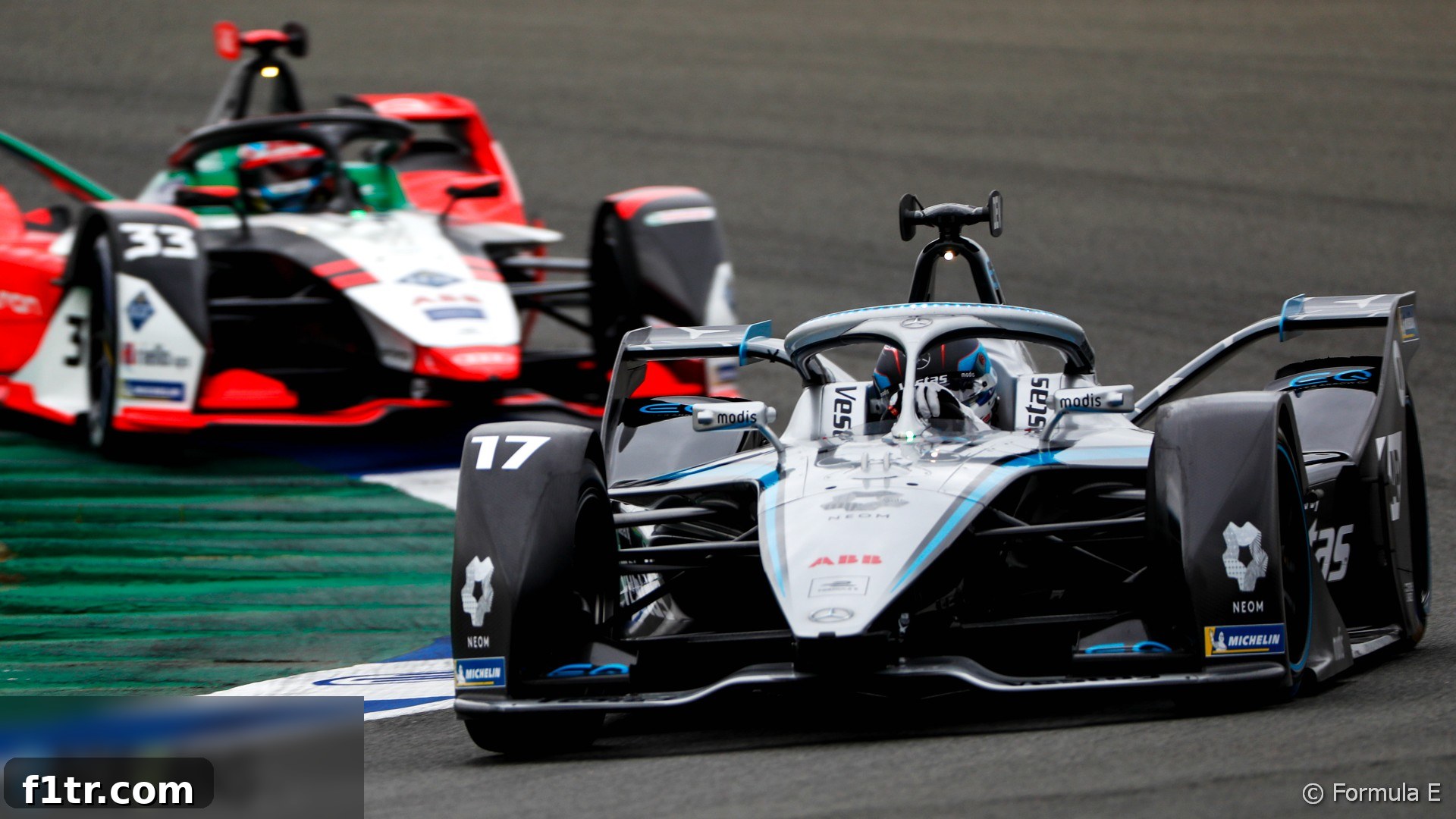
This truly was an impressive roll call for a series still in its nascent stages, even considering that Nissan effectively replaced fellow Renault-Nissan-Mitsubishi Alliance brand Renault, and Mahindra, while a significant player in certain markets, doesn’t possess the global brand recognition of its European counterparts. What proved even more striking was the high concentration of premium brands within Formula E, many of whom boast rich F1 pedigrees or have been historically linked to motorsport’s pinnacle. Notably, Mercedes-Benz, demonstrating its commitment to both facets of motorsport, ran its Formula E program in parallel with its dominant Formula 1 campaign. The brand not only clinched the Formula E title with Nyck de Vries but also continued its commanding lead in Formula 1, showcasing its engineering prowess across different racing disciplines.
The Exodus: Audi, BMW, and Mercedes Depart Formula E
Yet, this initial period of success and growth for Formula E has been tempered by a worrying trend. The good news of its burgeoning manufacturer list has been followed by concerning announcements. Audi and BMW were the first to signal their departures in late 2020. More recently, Mercedes-Benz, after initially delaying its commitment despite winning the inaugural world championship, confirmed its exit at the conclusion of the upcoming season. This mass departure of three premium German automotive giants has sent ripples of concern throughout the electric racing community and beyond.
Audi’s factory operation was ultimately discontinued after the brand failed to find suitable takers for its racing infrastructure. However, the former BMW team will continue to compete under the banner of Andretti Autosport, which had effectively managed the racing operations on behalf of the Munich-based manufacturer. While the Andretti name carries immense heritage and respect in American motorsport, it undeniably lacks the global resonance and marketing power of a major automotive OEM, particularly one renowned for slogans like ‘Sheer Driving Pleasure.’ This transition highlights the challenges of retaining a strong brand presence without direct factory backing.
As for the Mercedes EQ team, various alternative options are currently under intense exploration, though it is not entirely inconceivable that the team might ultimately follow a fate similar to Audi’s complete withdrawal. The broader implications of these manufacturer exits are significant and far-reaching. The collective departure of three leading German premium sports brands has understandably caused potential new entrants to become increasingly wary and hesitant about committing to the series. McLaren, a legendary name in motorsport that has diversified into other racing categories, including Formula E’s off-road sibling Extreme E, serves as a prime example of this cautious approach, actively monitoring the situation before making any definitive commitments.
“On Formula E, we are looking to see how it continues to develop,” McLaren Racing CEO Zak Brown confided to RaceFans even prior to Mercedes’ official exit announcement. “Obviously, with Audi and BMW leaving it’s a bit of a concern. We’re not quite sure what Mercedes is going to do and when we make a decision, ‘is it commercially viable?’ We’re still looking at that…” Brown’s comments underscore the precarious position Formula E finds itself in, with major players questioning its long-term commercial viability and strategic value amidst these high-profile withdrawals.
Unpacking the Reasons: Why Manufacturers are Leaving
The automotive industry is characterized by constantly shifting marketing objectives, and manufacturers frequently enter and exit various motorsport disciplines. Therefore, the departure of one brand might be considered an inevitable part of the cycle. However, the simultaneous withdrawal of no fewer than three premium brands – Audi, BMW, and Mercedes – all of whom are deeply committed to their respective electric vehicle sub-brands (e-Tron, i, and EQ, respectively) – from a world championship that seemingly ticks every box (environmental, financial, global, and technological) demands closer scrutiny. There are multifaceted reasons behind this concerning exodus, ranging from financial pressures to technological constraints.
Financial Realities and the Lack of Revenue Sharing
For one, corporate accountants become particularly apprehensive when their brand competes in a crowded manufacturer field. The immutable logic dictates that despite tens of millions being poured into a racing program, one of their illustrious number will inevitably finish at the back of the pack. Even worse, there is a strong probability that a well-run privateer team could outperform a factory-backed ‘works’ entry – a scenario that played out this past season when Envision Virgin Racing impressively finished ahead of BMW, and Venturi out-ranked Porsche. Such results undermine the ‘Win on Sunday, sell on Monday’ narrative and complicate the justification of substantial investment.
Then there is the crucial question of financial structure and revenue distribution. Formula 1, for example, operates on a model where a significant portion of its colossal income is distributed to competing teams as prize money, primarily based on their overall performance throughout the season. This prize money significantly offsets a substantial portion of the teams’ operating costs, providing a vital financial lifeline. While direct comparisons between the financial intricacies of Formula 1 and Formula E are complex and not perfectly analogous, the average amount distributed to F1 teams from this year, for instance, amounts to roughly half of their capped $145 million spend. Such a substantial contribution goes a long way towards keeping the bean-counters satisfied and ensuring the long-term financial stability and commitment of the participating teams and manufacturers.
During an exclusive interview with Formula E founder and then-CEO (now chairman) Alejandro Agag in January 2019, he acknowledged the critical need for a robust independent team base. This would serve as a crucial safety net, ready to step into the breach should one or more manufacturers decide to withdraw. This insight naturally raised a pertinent follow-up question: at what point would Formula E begin to share its revenues with the teams, mirroring the established models in other major championships?
“I know the system, and so on and so forth,” replied Agag, who famously owned the 2011 GP2 championship-winning team Addax and was even considered a potential F1 entrant at one stage. “I can see it from both sides of the fence. Here, what you have to do is apply common sense. We’ve invested a big amount of effort, but cash funds this venture.” He articulated a clear, business-first approach to revenue distribution, prioritizing the series’ own financial health. “What makes sense is that first we recover our investment, then we make some profit from our investment, and then we start the conversation with the teams on how we’re going to do [any] distribution.” However, RaceFans understands that regrettably, little if any, tangible progress has been made in this crucial area of revenue sharing since that interview, leaving teams in a financially uncertain position compared to other major series.
Technological Stagnation and Road Relevance
Finally, a significant contributing factor to the manufacturer exodus lies in the critical question of technology and the genuine road relevance of Formula E’s hardware. Here, BMW’s statement at the time of its withdrawal notice is particularly revealing and incisive. The company strongly implied that it had essentially exhausted the opportunities for meaningful technological learning and development from its Formula E campaign, primarily due to the highly restrictive nature of the series’ regulations. These regulations, predominantly designed to reduce costs, mandate standardized chassis and battery packs, severely limiting manufacturers’ ability to innovate in crucial areas of electric powertrain development.
“As a partner from the word ‘go’, BMW has been instrumental in the success story of Formula E,” the company stated in its December 2020 announcement, which closely followed Audi’s withdrawal. However, the statement continued with the crucial caveat: “When it comes to the development of e-drivetrains, BMW Group has essentially exhausted the opportunities for this form of technology transfer in the competitive environment of Formula E.” This frank assessment highlights a fundamental tension: while cost control is essential for new series, it must not come at the expense of allowing manufacturers to push the boundaries of technology, which is their primary motivation for being involved in motorsport.
The most obvious alternative to this technological stagnation is for Formula E to relax its regulations and open up battery development to its participating manufacturers. However, such a move is almost certain to result in burgeoning budgets, spiraling costs as manufacturers invest heavily in R&D to gain a competitive edge. This directly contradicts Formula E’s stated goal of capping costs. “In partnership with the FIA, we will introduce financial regulations to enhance the financial sustainability for Formula E’s teams and manufacturers, ensuring our sport continues to serve as the driving force in the shift to electric mobility,” stated FE CEO Jamie Reigle in the wake of Mercedes’ exit, underscoring the delicate balancing act between cost control and technological freedom.
The inherent problem is that battery technology for road cars is currently developing at an extraordinarily ferocious pace, potentially outpacing and even rendering Formula E’s current technological framework somewhat obsolete. Dr. Burkhard Goeschel, president of the FIA Manufacturers Commission, a former technical head of BMW, and a long-standing proponent of alternative energy solutions, predicts that solid-state batteries will be the next major breakthrough across the entire automotive industry. These advancements, largely happening outside the confines of Formula E, are raising questions about the series’ ability to remain at the forefront of electric vehicle innovation.
The primary distinguishing characteristic between current lithium-ion (Li-ion) batteries and emerging solid-state cells lies in their electrolyte. While Li-ion batteries rely on liquid electrolytic solutions to regulate current flow, solid-state cells employ solid electrolytes, enabling them to pack up to three times the energy density. Crucially, solid-state batteries are also inherently less combustible and require fewer toxic materials, addressing key safety and environmental concerns. Although they currently present significant manufacturing and scaling challenges, ongoing intensive research and development efforts across the globe could resolve these hurdles much sooner than anticipated, potentially revolutionizing the electric vehicle market and making current battery solutions in motorsport quickly outdated.
Porsche CEO Oliver Blume emphatically referred to the battery cell as “tomorrow’s combustion chamber,” a statement that carries profound implications for the automotive industry. The message is unmistakably clear: far from being a mere commoditized component, the battery cell is rapidly becoming as potent and crucial a performance differentiator in electric vehicles as the internal combustion engine ever was in traditional cars. This shift necessitates deep, in-house expertise and development, a capability that Formula E’s standardized regulations largely inhibit for its manufacturers.
At the Volkswagen Group’s recent ‘Power Day,’ the company unveiled ambitious plans to develop three main cathode chemistries tailored for specific applications. These include Lithium Iron Phosphate (LFP) for its entry-level, non-performance vehicle ranges, high-manganese variants for its high-volume models, and high-nickel solutions for its premium and high-performance brands, such as Audi, Porsche, and Lamborghini. This multi-pronged strategy for battery development mirrors similar intentions revealed by Tesla, and aligns broadly with strategies announced during Renault’s ‘eWays ElectroPop’ event in June, Stellantis’ ‘EV Day’ in July, and Daimler’s own EV strategy announcement that same month. With such impressive and comprehensive battery technologies being developed extensively away from the circuit, the question arises: do manufacturers truly need Formula E with its prescriptive, standardized battery packs to advance their EV goals?
Alternative Paths: Audi, Mercedes, and the Allure of F1
While paddock gossip initially suggested that Audi’s exit from Formula E was linked to an unwritten internal Volkswagen Group policy preventing sister brands from directly competing against each other – implying that Porsche was mandated to remain in FE – the reality appears to be quite the opposite. Audi and Porsche are, in fact, aggressive market competitors, and squaring up on-track in any series would serve to enhance their combined brand images against external rivals. Moreover, there is compelling speculation that both brands may eventually go head-to-head in Formula 1, indicating a much broader strategic competition than just electric single-seaters.
Instead of Formula E, Audi has strategically replaced its commitment with two highly ambitious and technologically relevant motorsport programs. Firstly, the LMDh (Le Mans Daytona h) platform allows the Four Rings to compete both at the iconic Le Mans 24 Hours and in the USA’s prestigious IMSA series with fundamentally the same car, offering immense cost efficiency and global exposure in endurance racing. Secondly, Audi has embarked on an intriguing ‘range-extender’ Dakar Rally program, a bold venture into extreme off-road competition. This demonstrates a clear pivot towards disciplines that offer greater freedom for powertrain innovation and brand storytelling.
The Dakar program is particularly fascinating from a technological perspective: the Audi RS Q e-Tron uniquely combines a 600bhp internal combustion engine derived from its former DTM program with a motor-generator unit adapted from Formula E technology. This system, in turn, charges 52kWh batteries that power two 335bhp Formula E electric motors. This innovative setup allows the car to complete grueling desert stages without requiring regular external charging, though the plan incorporates overnight charging via auxiliary generators. The concept of range extenders is gaining traction, with rumors even circulating about a project combining a Mazda rotary engine running at a constant, efficient speed to charge batteries for potential application at Le Mans, indicating a strong trend towards hybrid and multi-modal powertrains in endurance racing.
In announcing his company’s withdrawal from Formula E, Marcus Schaefer, the Mercedes board member for research and development, articulated a clear strategic redirection. He stated, “Formula E has been a good driver for proving our expertise and establishing our Mercedes EQ brand, but in future we will keep pushing technological progress – especially on the electric drive side – focusing on Formula 1.” Schaefer’s rationale emphasized that Formula 1 remains the ultimate arena where Mercedes can consistently test and refine its cutting-edge technology in the most intense and unforgiving competitive environment the automotive world offers. He concluded, “The three-pointed star hardly shines brighter anywhere else. F1 offers rich potential for technology transfer.” This highlights a fundamental belief within Mercedes that F1, despite its hybrid nature, provides a superior platform for advancing electric drive technology relevant to future road cars.
F1’s Unexpected Advantage and the Future Outlook
The implications of Mercedes’ statement, alongside Audi’s and BMW’s strategic pivots, are profound and introduce a neat twist to the prevailing narrative. While Formula E is losing prominent manufacturers precisely because of its restrictive technologies and limited scope for innovation, brands like Alfa Romeo, Alpine/Renault, and Mercedes have unequivocally reaffirmed their long-term commitments to Formula 1. This commitment stands firm despite their respective corporate plans to transition towards entirely all-electric product ranges in the near future. These manufacturers clearly harbor a strong belief that Formula 1’s highly sophisticated hybrid technology, far from being obsolete, could play a pivotal and accelerated role in advancing crucial battery development, ultimately serving both current hybrid vehicles and future full electric vehicles.
Crucially, manufacturers are choosing to commit to Formula 1 even though the series has implemented a freeze on power unit development until at least the end of 2024, with a more likely extension to 2025. This suggests that even under ‘frozen’ regulations, Formula 1’s technological framework is inherently less restrictive and permits a far greater degree of technological development and innovation compared to Formula E’s highly prescriptive rulebook. This advantage will only be amplified once F1’s incoming new engine formula is put into place, which makes explicit provision for an impressive up to 300kW in recovered energy. Such capabilities offer unparalleled opportunities for pushing the boundaries of energy recovery and battery technology, making F1 an increasingly attractive testbed for future road car advancements.
Just when it appeared that Formula E was poised for a brighter, more relevant future in the era of electric mobility, the tables have turned with remarkable speed. The advantage now seemingly rests with Formula 1, which is actively gearing up for a compelling new ‘hyper hybrid’ era. This forthcoming chapter could conceivably attract new high-profile entrants like Audi or Porsche – perhaps even both – further cementing F1’s position at the pinnacle of automotive technological development and competitive motorsport. This evolving landscape ensures a dynamic future for both series, albeit with differing strategic appeals to manufacturers.
Such inter-formula rivalry, however, ultimately benefits the entirety of motorsport. It fosters innovation, pushes technological boundaries, and most importantly, provides the vital road car relevance that translates into sales on Monday mornings. Formula E will undoubtedly need to undergo significant evolution to remain pertinent and attractive to manufacturers, especially as costs and rapidly advancing external technologies threaten to overtake a series that was once hailed as a pioneer. By adapting and innovating, Formula E can emerge stronger and more resilient. Ultimately, the core truth holds: racing truly does improve the breed, regardless of the specific format.
Further Reading
- The year of sprints, ‘the show’ – and rising stock: A political review of the 2021 F1 season
- The problems of perception the FIA must address after the Abu Dhabi row
- Why the budget cap could be F1’s next battleground between Mercedes and Red Bull
- Todt defied expectations as president – now he plans to “disappear” from FIA
- Sir Frank Williams: A personal appreciation of a true racer
Browse all RacingLines columns