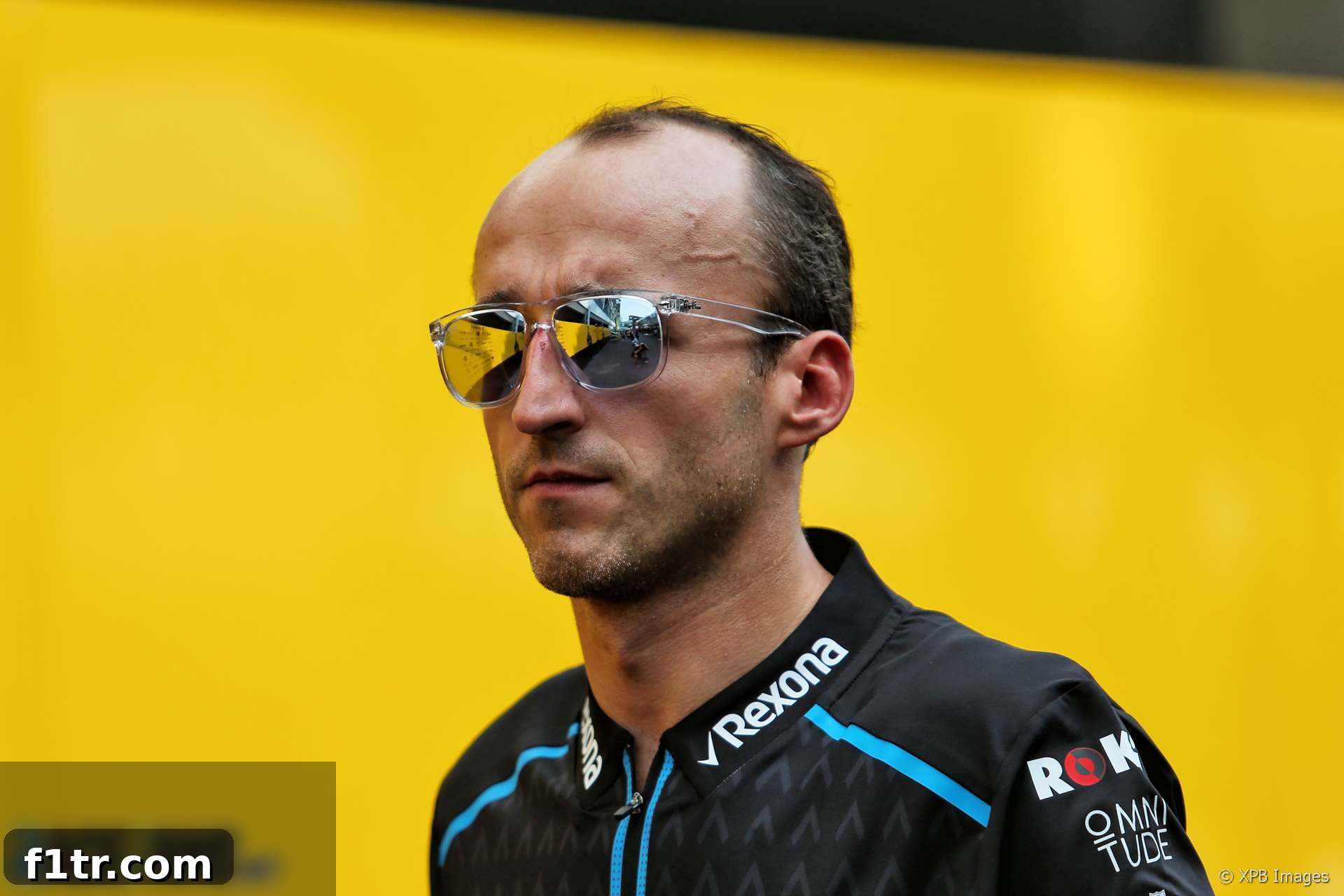
As the Formula 1 circus rolled into Singapore for the highly anticipated 2019 Grand Prix, the paddock was alive with speculation, not just about the upcoming race, but also about the intricate political landscape of the sport. Among the most talked-about topics was the uncertain future of Robert Kubica, the soon-to-be ex-Williams driver. Whispers about his potential landing spot for the 2020 F1 season dominated conversations, offering a glimpse into the high-stakes decisions being made behind the scenes.
The Calm Before the Storm: Race Day Begins
11am
Race day in Singapore follows a unique rhythm. With the main event scheduled for the evening, the morning begins with a distinct sense of anticipation rather than immediate urgency. My hotel check-out, set for midday, was a full eight hours before the engines would roar to life. There was no rush to descend into the bustling paddock just yet. After neatly packing away my belongings and settling the bill, I indulged in the rare luxury of catching up on the Sunday papers, enjoying the quiet interlude before diving into the electrifying atmosphere of a Formula 1 Grand Prix.
2:45pm
As expected, the journey into the paddock was a longer affair than usual. The unique demands of a travel-intensive season meant that many F1 personnel, myself included, were juggling not only their essential work rucksacks but also personal travel luggage. This inevitably led to extended security checks, creating a queue that snaked its way towards the heart of the action. This mandatory waiting period, however, offered a valuable opportunity to immerse myself in the informal chatter circulating amongst the teams. The impending budget cap, a seismic shift in Formula 1 regulations, was a prominent and palpable concern. Employees, particularly those earning higher salaries but falling outside the exempted top three earners within each team, expressed genuine apprehension about their job security. The new cap threatened to put many in the firing line, forcing teams to make difficult decisions about headcount and compensation.
One astute observer highlighted a critical flaw in the budget cap’s structure: with administration costs explicitly excluded, an IT or finance manager earning a substantial $300,000 might find their position secure. However, an engineer on the same salary, whose role is directly linked to car performance, could potentially face retrenchment because their salary would count towards the performance cost cap. “That simply can’t be right or fair,” he remarked, underscoring the perceived inequity. Another source voiced concerns that Formula 1 risked being “dumbed down” over time. Their theory suggested that as teams sought to maximize their headcount within the constrained budget by limiting salaries, the most talented engineers might be tempted to seek opportunities outside F1, leading to a gradual exodus of top-tier talent. Whether this gloomy prediction would materialize remained to be seen, but it certainly added a layer of anxiety to the paddock discussions.
3pm
Entering the paddock at this hour felt almost surreal. It was eerily quiet, a stark contrast to the usual hive of activity. Most personnel had yet to arrive, and those who were present were either meticulously preparing in their team buildings or diligently working within the confines of their garages. The combination of intense heat and oppressive humidity, coupled with the significant time shifts for many who had just flown in, made it easy to lose track of conventional time. Mid-afternoon in Singapore, with the sun still high, mentally equated to a fresh 9am on a ‘normal’ Grand Prix Sunday in Europe. This unique circadian rhythm added to the challenge and allure of the Singapore event, demanding a different kind of focus from everyone involved.
4pm
The afternoon continued its slow march towards the evening race, with still over four hours remaining until the lights went out. Amidst the methodical preparations, a significant piece of news began to circulate: Esteban Ocon had reportedly been relieved of all simulator duties by Mercedes. This development, while notable, was not entirely unexpected. Mercedes team principal Toto Wolff had already hinted at such a move in Monza, recognizing the strategic implications of Ocon’s impending transfer. Ocon had previously served both Mercedes and its close associate team, Racing Point, playing a crucial role in their development work. However, with his confirmed move to Renault for the 2020-21 seasons, Mercedes had to prioritize the protection of its highly sensitive intellectual property and strategic secrets. The decision underscored the intensely competitive nature of Formula 1; with Renault being a direct grid rival to Racing Point, it became imperative for the Three-Pointed Star to prevent any potential leakage of confidential information that Ocon might inadvertently carry to his new employer. This move, while understandable from a corporate perspective, highlighted the cutthroat decisions made in the motorsport world to maintain a competitive edge.
Engines Roar and Deals Unfold: Evening Approaches
7pm
As the clock neared 7pm, a palpable frisson of excitement rippled through the paddock. The air, already thick with humidity, now vibrated with the mechanical symphony of engines being fired up. This was the prelude to a grueling two-hour battle on what is arguably the toughest circuit on the calendar, made even more challenging by the unique spectacle of racing under the floodlights. An immediate perkiness was discernible among the personnel; everyone moved with a renewed sense of purpose, methodically going about their pre-race checks. Guests, often a little subdued earlier in the day, now raised their voices in response to the spine-tingling sound of the revving engines. Even as hybrids, these modern Formula 1 power units produce a truly awesome auditory experience that electrifies the senses and reminds everyone of the raw power about to be unleashed.
Amidst this escalating tension, I continued to follow up on various sponsorship activities, particularly the unfolding saga surrounding Polish oil company Orlen and Robert Kubica. The question of Kubica’s 2020 seat was inextricably linked to Orlen’s substantial financial backing, making his future a highly sought-after commodity in the paddock. It appeared that several teams were initially in the running for this lucrative sponsorship and, by extension, Kubica’s services. McLaren, whose fuel and lubricant deal with Petrobras was set to conclude at the end of the year, was a potential candidate. Racing Point, currently without an explicit oil brand sponsor, and Haas, in a similar position, also seemed like viable options. However, McLaren eventually dropped out of the running, making it clear that they already had their own established roster of simulator drivers and, crucially, no strategic interest in employing the Pole. This revelation significantly narrowed Kubica’s options, intensifying the speculation about where Orlen’s investment, and Kubica himself, would ultimately land for the upcoming season, turning the spotlight onto Racing Point and Haas as the remaining contenders.
7:30pm
With pre-race preparations reaching their crescendo, it was time to head for the grid. The grid walk at any Formula 1 Grand Prix is always a special experience, a unique opportunity to be incredibly close to the cars and drivers just moments before the start. But in Singapore, it’s elevated to an entirely different level. The spectacularly lit evening skyline of the city-state casts an ethereal glow over the Marina Bay Street Circuit, making the pre-start walk doubly, if not triply, magnificent. The intricate network of floodlights illuminates every detail of the cars, the pit lane, and the surrounding urban landscape, creating a truly cinematic backdrop. Singapore stands as one of very few cities – arguably the only one – that possesses the infrastructure, ambition, and aesthetic appeal to pull off such a grand spectacle. This is underscored by the enduring fact that it remains the only true night street race in global motorsport, a testament to its pioneering spirit and unparalleled atmosphere. The combination of speed, danger, and dazzling lights creates an unforgettable sensory overload, setting the stage for an epic race to come.
The Final Act: Race Conclusion and Departure
11:30pm
The 2019 Singapore Grand Prix concluded in dramatic fashion, true to its reputation, with the traditional explosion of fireworks illuminating the night sky. For the fifth time in its twelve-year history, Sebastian Vettel emerged as the victor. However, the manner in which he secured the win, ahead of his younger, in-form teammate Charles Leclerc, immediately provoked widespread debate and strategic analysis. Despite the controversy surrounding the team orders or perceived tactical decisions, Ferrari had much to celebrate. They unexpectedly scored their first one-two finish of the season at a track where they had, by their own admission, expected to struggle against their rivals. This remarkable turnaround injected a new dynamic into the championship battle, demonstrating Ferrari’s capability to deliver surprising results.
Post-race, the paddock quickly adopted a different kind of quiet. Most team bosses and senior personnel had already departed, either due to the late hour or to catch midnight flights. These strategically timed departures were designed to take advantage of the east-west time zone difference, ensuring they would land mid-morning and minimize disruption to their demanding schedules. As the final sessions wound down and the last media duties were completed, I too made my way from the circuit to the hotel. From there, a waiting cab swiftly whisked me to Changi Airport, ready for my 2:15 am flight home via Qatar. The relentless pace of the Formula 1 calendar meant there was little time for rest, as preparations were already underway for the next race, with a flight to Sochi scheduled just ahead of Wednesday’s practice sessions. Such is the demanding, globe-trotting life within the pinnacle of motorsport.
2019 Singapore Grand Prix – Further Reading
- Top ten pictures from the 2019 Singapore Grand Prix
- 2019 Singapore Grand Prix Star Performers
- Vettel lights up Singapore again as Ferrari keep Leclerc in the dark
- Ferrari score first hat-trick of wins for more than a decade
- Mercedes slowed Bottas to protect Hamilton from Albon
Browse all 2019 Singapore Grand Prix articles