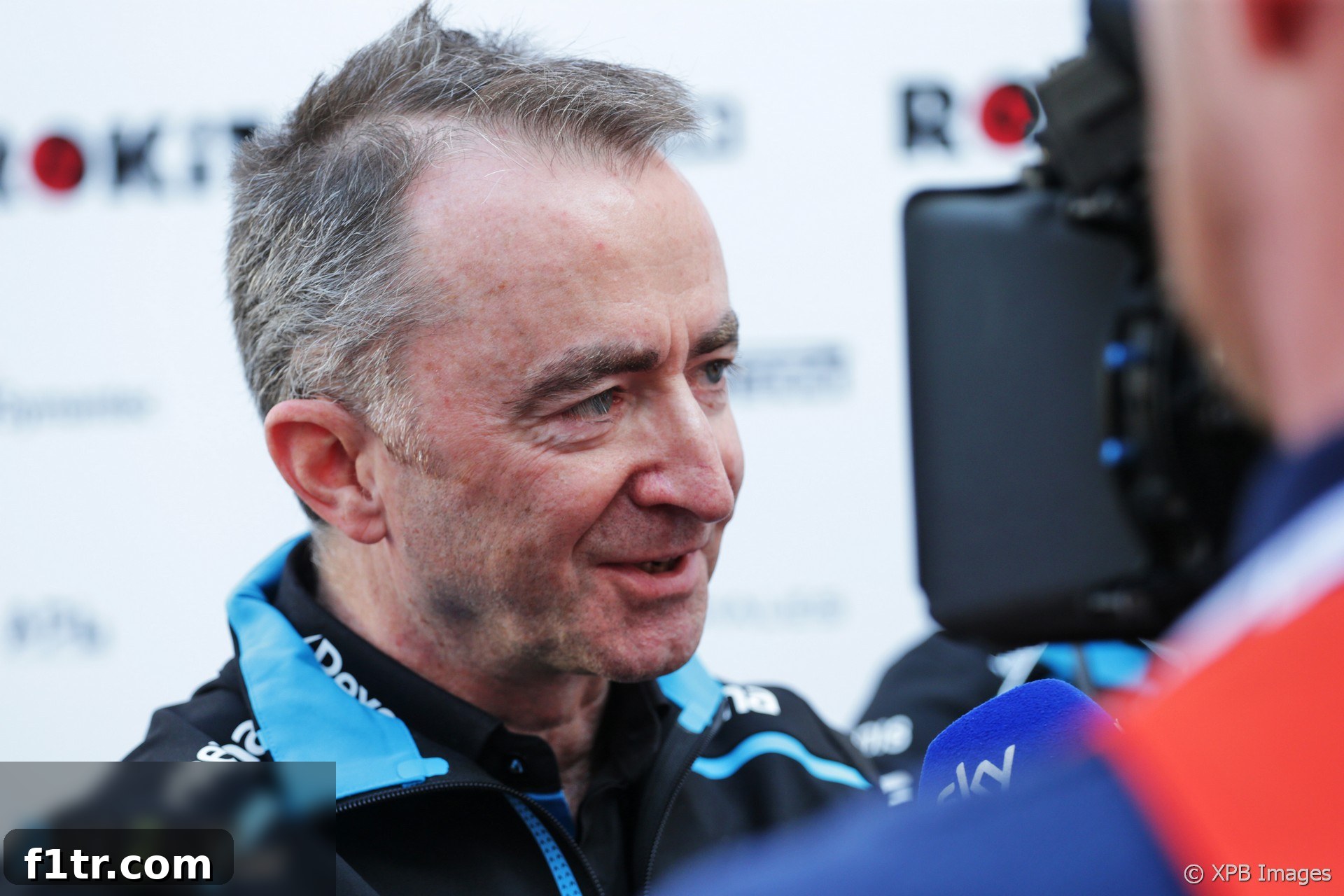
Paddy Lowe Departs Williams F1 Team Amidst Deepening Performance Crisis
After a three-month leave of absence, former Williams Racing Chief Technical Officer (CTO), Paddy Lowe, has officially confirmed he will not be returning to the struggling Formula 1 outfit. This high-profile departure marks a significant moment for the team based in Grove, signalling an end to a challenging chapter and underscoring the formidable hurdles Williams faces in its arduous journey back to competitiveness.
The announcement, made by the team on Tuesday, stated unequivocally that Lowe “will be leaving Williams and will step down from the board of directors with immediate effect.” This move brings to a definitive close a tenure that began with immense hope and expectation, but ultimately coincided with one of the most difficult periods in the team’s illustrious history.
Paddy Lowe’s Illustrious Career and the Allure of Williams
Paddy Lowe arrived at Williams in 2017 with an exceptional pedigree, widely regarded as one of Formula 1’s most accomplished engineers and technical leaders. His career had been nothing short of stellar, marked by significant contributions to multiple championship-winning campaigns. He spent over two decades at McLaren, where he played a pivotal role in engineering triumphs, including the development of cars that secured world championships. His reputation was further cemented during his highly successful stint at Mercedes, where as Executive Director (Technical), he was instrumental in establishing the team’s dominance during the sport’s hybrid era, overseeing the design and development of championship-winning machinery that reshaped the F1 landscape.
For Williams, the acquisition of Lowe was seen as a major coup. The team, a revered name in Formula 1 with a rich history of nine Constructors’ Championships and seven Drivers’ Championships, had been in a gradual decline for several years. Financial constraints, an exodus of key personnel, and difficulties in adapting to the sport’s ever-evolving technical landscape had pushed them further down the grid. Lowe’s arrival was heralded as the potential catalyst for their revival – a seasoned technical guru who could inject fresh ideas, modern processes, and winning methodologies back into the Grove factory. The challenge was immense, but the prospect of restoring a British motorsport icon to its former glory was an undeniable draw for a figure of Lowe’s stature.
A Troubled Tenure: The 2018 Season and Early Warning Signs
Despite the initial optimism, Lowe’s tenure at Williams was plagued by difficulties from the outset. The 2018 season, his first full year overseeing the technical department, proved to be particularly challenging. The FW41, the car designed under his technical leadership, suffered from fundamental aerodynamic instabilities and a significant lack of overall pace. It quickly became apparent that the car was inherently difficult to drive, struggling with unpredictable handling characteristics that hampered both qualifying and race performance. Drivers Lance Stroll and Sergey Sirotkin frequently found themselves battling at the very back of the grid, a stark contrast to Williams’ championship-winning past.
The team finished a disappointing tenth and last in the Constructors’ Championship in 2018, scoring a meagre seven points. This poor performance was not merely a matter of missing targets; it highlighted deep-seated issues within the team’s design and development processes. The gap to even their closest competitors was often substantial, raising serious questions about the direction and effectiveness of the technical program under Lowe. While a Formula 1 team’s struggles are rarely attributable to a single individual, the technical leadership ultimately bears the responsibility for the car’s conceptualization and development, placing Lowe squarely in the spotlight.
The Catastrophic Start to 2019 and Lowe’s Leave of Absence
The difficulties of 2018 intensified into a full-blown crisis at the start of the 2019 season. The development of the FW42, the car intended to reverse the team’s fortunes, encountered severe delays. In an unprecedented and highly embarrassing turn of events for a Formula 1 team, the car was not completed in time for the first day of pre-season testing in Barcelona. Williams missed crucial track time, robbing them of invaluable opportunities to shake down the new car, collect data, and address initial reliability and performance issues. While the car eventually made it to the track a few days into testing, the damage was already done. The team was severely compromised in its preparation for the season, effectively starting the year on the back foot with minimal understanding of its new challenger.
It was amidst this unfolding pre-season disaster that Paddy Lowe took a leave of absence, just prior to the first race of the season in Australia. The timing of his departure, coinciding with the peak of the team’s operational crisis, fuelled widespread speculation about the internal pressures and challenges he faced. Since then, Williams has consistently raced at the very back of the field, often more than a second per lap off the next-slowest car – a gaping performance deficit that underscores the severity of their technical predicament and the urgent need for a turnaround.
Lowe’s Reflective Statement and Williams’ Response
In his official statement, Paddy Lowe offered a candid reflection on his decision: “After a period of careful reflection, I have reached the decision that I will not return to work at Williams.” This suggests a deeply personal and considered choice, likely influenced by the immense pressures and the lack of progress during his tenure. He extended his best wishes to his former colleagues, expressing confidence in their ability to overcome the challenges ahead: “I wish all my previous colleagues the very best to meet the challenges ahead, which I am sure they will do.” Lowe also took a moment to acknowledge the unwavering loyalty of the team’s fanbase, stating, “I would especially like to thank the Williams fans who are so supportive.”
Williams Deputy Team Principal Claire Williams, who had initially championed Lowe’s arrival, acknowledged his decision with understanding and respect. She stated, “We understand and respect the decision Paddy has reached and wish him well for the future.” This professional exchange, while respectful, highlights the difficult reality that even with the best intentions and talent, the complexities of modern Formula 1 can sometimes lead to unforeseen outcomes and the painful necessity for change.
The Broader Technical Exodus at Grove
Lowe’s departure is not an isolated incident but rather the latest in a series of significant exits from Williams’ technical department. Since the beginning of 2018, the team has lost several other major figures, further depleting its engineering talent pool and compounding its challenges. Chief Designer Ed Wood and Head of Aerodynamics Dirk de Beer both left Williams during 2018, critical losses for a team already struggling with fundamental car performance issues. The consistent bleeding of top technical talent suggests deeper structural and systemic problems within the organisation – issues that extend beyond the responsibilities of a single individual and point to broader concerns about strategic direction, resource allocation, and workplace culture.
The exodus leaves Williams with a considerable void to fill, particularly in the realm of technical leadership. In an era where technological innovation and meticulous car development are paramount to success in Formula 1, securing top engineering talent is more crucial than ever. The challenge for Williams now is to attract and retain individuals capable of rebuilding the technical department, instilling confidence, and guiding the team through its current crisis.
Implications for Williams’ Future: A Critical Juncture
Paddy Lowe’s departure marks a critical juncture for Williams Racing. The team now faces the daunting task of not only finding a new Chief Technical Officer but also embarking on a comprehensive overhaul of its technical structure and development philosophy. This period of transition offers an opportunity for deep introspection and radical change, but also carries the risk of further instability if not managed effectively.
For Williams to recover, they will need to implement a clear, long-term strategic vision for their technical department. This will likely involve:
- **New Leadership:** Identifying a strong technical leader with a proven track record, capable of inspiring a team and delivering results under pressure.
- **Structural Reorganization:** Potentially redefining roles and responsibilities within the engineering department to improve efficiency and communication.
- **Investment:** Securing the necessary financial backing to invest in modern facilities, tools, and, crucially, top-tier personnel.
- **Cultural Shift:** Fostering an environment that promotes innovation, collaboration, and accountability, while also addressing any underlying issues that may have contributed to the recent departures.
The road ahead for the Grove-based team will undoubtedly be long and arduous, but navigating this technical vacuum decisively will be paramount to their survival and eventual resurgence in the highly competitive world of Formula 1. The F1 community watches closely, hoping to see the venerable team rediscover its championship-winning form.
Paddy Lowe’s Next Chapter
As for Paddy Lowe, his future in Formula 1 remains uncertain but his formidable reputation as an elite engineer is unlikely to be diminished by his challenging stint at Williams. With decades of experience at the pinnacle of motorsport, contributing to numerous championships, Lowe possesses a wealth of knowledge that could be valuable in various capacities. He may choose to take a complete break from the sport, explore opportunities in other engineering fields, or perhaps eventually return to Formula 1 in a consultancy role or even with another team once the dust has settled. Regardless of his next step, Lowe’s legacy in Formula 1 is firmly established as one of its most innovative and successful technical minds.
Conclusion: A Defining Moment for Williams
Paddy Lowe’s decision not to return to Williams is more than just a personnel change; it represents a defining moment in the team’s current crisis. It underscores the profound challenges Williams faces and highlights the urgent need for a clear, decisive path forward. As Williams embarks on a renewed search for technical direction and leadership, the entire Formula 1 paddock will be watching to see how one of the sport’s most storied teams attempts to rebuild and reclaim its place among the elite. The hope remains that the resilience and fighting spirit synonymous with Williams will ultimately prevail, guiding them back towards the competitive successes that have defined their extraordinary history.