Chinese Grand Prix Secures Future with New Deal Until 2025, Cementing F1’s Presence in Asia
Formula 1 enthusiasts and industry insiders alike are buzzing with the news: the Chinese Grand Prix is set to remain a fixture on the prestigious F1 calendar until at least 2025. This long-anticipated agreement, widely expected to be formally announced by both Formula 1 management and the Shanghai International Circuit promoters, marks a crucial milestone for the sport’s strategic ambitions in the bustling Asian market.
The new five-year contract underscores Formula 1’s unwavering commitment to China, a region brimming with motorsport potential and a rapidly growing fanbase. This extension is particularly significant given the challenges faced by the event in recent years. RaceFans understands that negotiations have progressed smoothly, culminating in a ready-to-be-confirmed deal that is also anticipated to help offset the financial implications stemming from the regrettable cancellation of this year’s race due to the global pandemic.
The Impact of the 2020 Cancellation and F1’s Resilience
The 2020 Formula 1 season was dramatically affected by the unprecedented global health crisis. The 17th running of the Chinese Grand Prix, originally scheduled for April 19th, was among the first major sporting events to be impacted, with its postponement announced in February as the COVID-19 pandemic began to grip the country. This initial delay eventually led to the outright cancellation of the race, a decision that saddened fans but was ultimately made in the interest of public health and safety.
The cancellation of the Chinese Grand Prix, a cornerstone event on the early-season calendar, presented considerable logistical and financial challenges for Formula 1. However, the sport showcased remarkable resilience, adapting quickly by revising its schedule to include multiple races at European venues and implementing stringent health protocols. This ability to navigate an extraordinary period and still deliver a compelling championship speaks volumes about F1’s operational capabilities. The new contract with China demonstrates a forward-looking approach, ensuring the stability and return of one of F1’s most important international races as the world emerges from the pandemic.
Shanghai International Circuit: A Modern Marvel of Motorsport
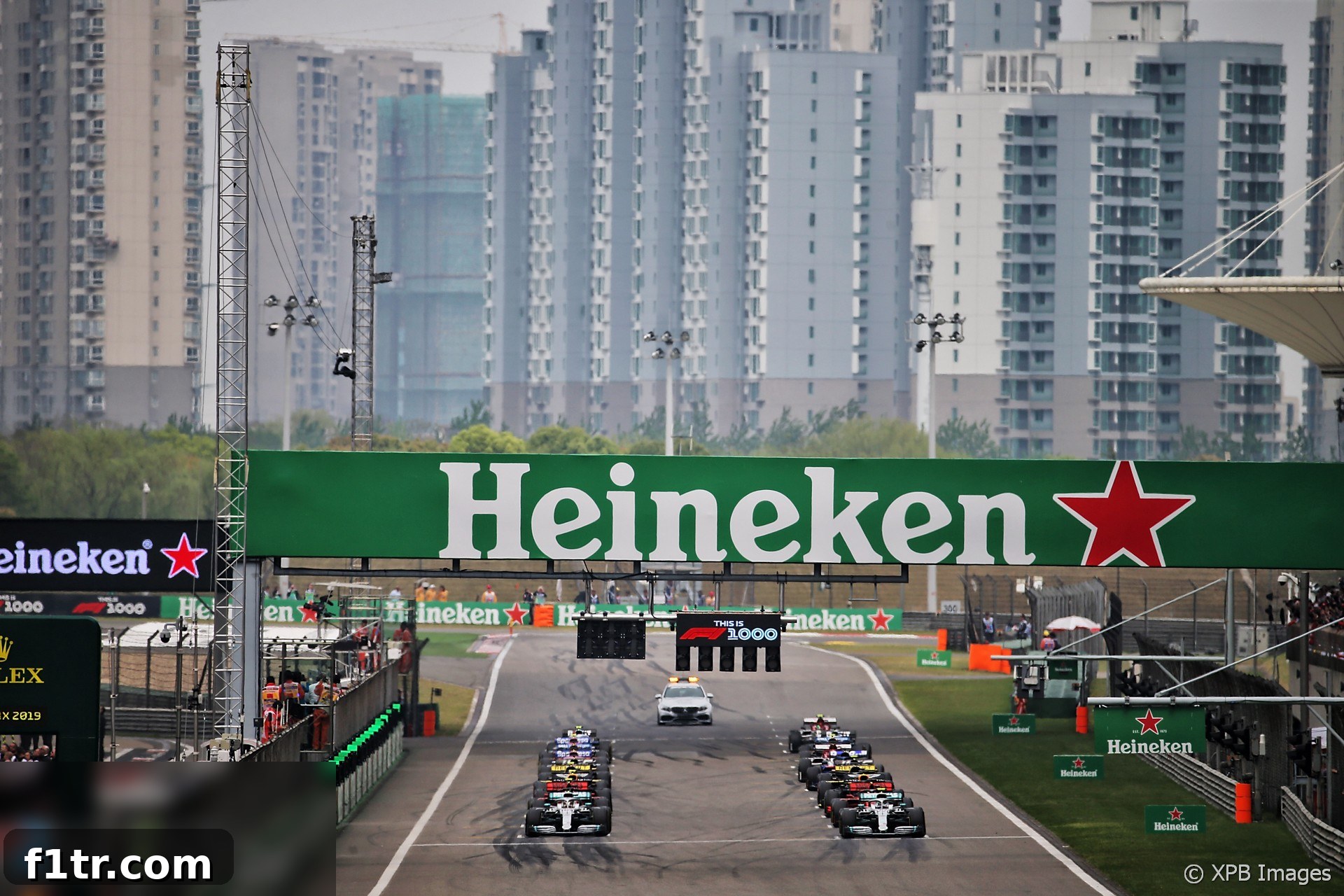
The Shanghai International Circuit, a purpose-built facility, burst onto the Formula 1 scene in 2004, hosting China’s inaugural round of the FIA Formula One World Championship. Designed by the renowned German architect Hermann Tilke, the circuit is famed for its distinctive layout, which resembles the Chinese character ‘shang’ (上), meaning “above” or “ascend.”
Spanning 5.451 kilometers (3.387 miles), the track is a challenging blend of high-speed straights and technically demanding corners. Its most iconic features include the unique ‘snail’ turns at the beginning of the lap – a tightening Turn 1 leading into a sweeping Turn 2 – which push drivers’ tire management skills to the limit. The circuit also boasts an incredibly long back straight, stretching over 1.2 kilometers, providing ample opportunities for slipstreaming and thrilling overtakes, especially into the heavy braking zone of Turn 14.
Since its debut, the Shanghai International Circuit has been a constant presence on the F1 calendar, annually welcoming the pinnacle of motorsport and delivering memorable races. From Michael Schumacher’s final F1 victory in 2006 to Lewis Hamilton’s numerous triumphs, the circuit has etched itself into the annals of Formula 1 history as a true test of car and driver alike.
China’s Aspirations: The Search for a Homegrown F1 Hero
Despite successfully hosting Formula 1 for nearly two decades, China is yet to produce a full-time Formula 1 race driver. The nation’s immense population and rapidly expanding interest in motorsport present a vast talent pool, and the quest for a Chinese F1 star is a highly anticipated development.
Over the years, a few hopefuls have come close. Ma Qing Hua made history in 2012 by becoming the first Chinese driver to participate in an F1 Grand Prix weekend, appearing in four practice sessions for HRT. He followed this with another practice session outing for Caterham at the Chinese Grand Prix in 2013, demonstrating the raw talent present within the country.
More recently, the spotlight has fallen on Guanyu Zhou. As a reserve driver for Alpine (formerly Renault) and a standout performer in Formula 2, Zhou has ignited the hopes of millions of Chinese fans. Last year’s top Formula 2 rookie has consistently shown speed and maturity, putting him firmly on the path towards Formula 1. However, the stringent superlicence points system, which requires drivers to accumulate a certain number of points from various championships, means he does not yet have enough to secure a seat in a Grand Prix. Zhou’s progress is keenly watched, as his eventual promotion to a full-time F1 seat would not only be a personal triumph but a seismic event for motorsport in China, potentially sparking an even greater surge in popularity and participation.
The Strategic Importance of China for Formula 1’s Global Growth
The extension of the Chinese Grand Prix contract is not merely about maintaining a presence; it’s a strategic pillar of Formula 1’s global expansion strategy. China represents one of the largest and most dynamic consumer markets in the world, with a burgeoning middle class and a growing appetite for international sports and luxury brands.
For Formula 1, cultivating this market is paramount. A sustained presence through a popular Grand Prix event allows the sport to engage with a massive new audience, attract lucrative sponsorship deals, and bolster its global media footprint. The race provides a platform for both local and international brands to showcase their products and services to an affluent and engaged demographic.
Beyond the commercial aspects, the Chinese Grand Prix serves as an inspiration for the next generation of motorsport talent. Exposure to Formula 1 cars, drivers, and the sheer spectacle of a Grand Prix helps foster grassroots interest, potentially leading to more young Chinese individuals pursuing careers in racing and engineering. This long-term investment in the region is crucial for F1’s continued health and relevance in an increasingly competitive global sports landscape.
Looking Ahead: A Bright Future for F1 in China
The confirmed extension of the Chinese Grand Prix until 2025 sends a clear message about Formula 1’s long-term vision for Asia. It reassures fans and stakeholders that despite temporary setbacks like the 2020 cancellation, the commitment to this vital market remains steadfast. The Shanghai International Circuit is poised to continue its legacy as a premier racing venue, delivering thrilling contests and contributing significantly to the fabric of the Formula 1 World Championship.
As the sport looks towards a future brimming with technological innovation and growing global appeal, the Chinese Grand Prix will undoubtedly play a pivotal role in driving that growth, bringing the roar of F1 engines to millions and inspiring a new generation of motorsport enthusiasts across the continent.