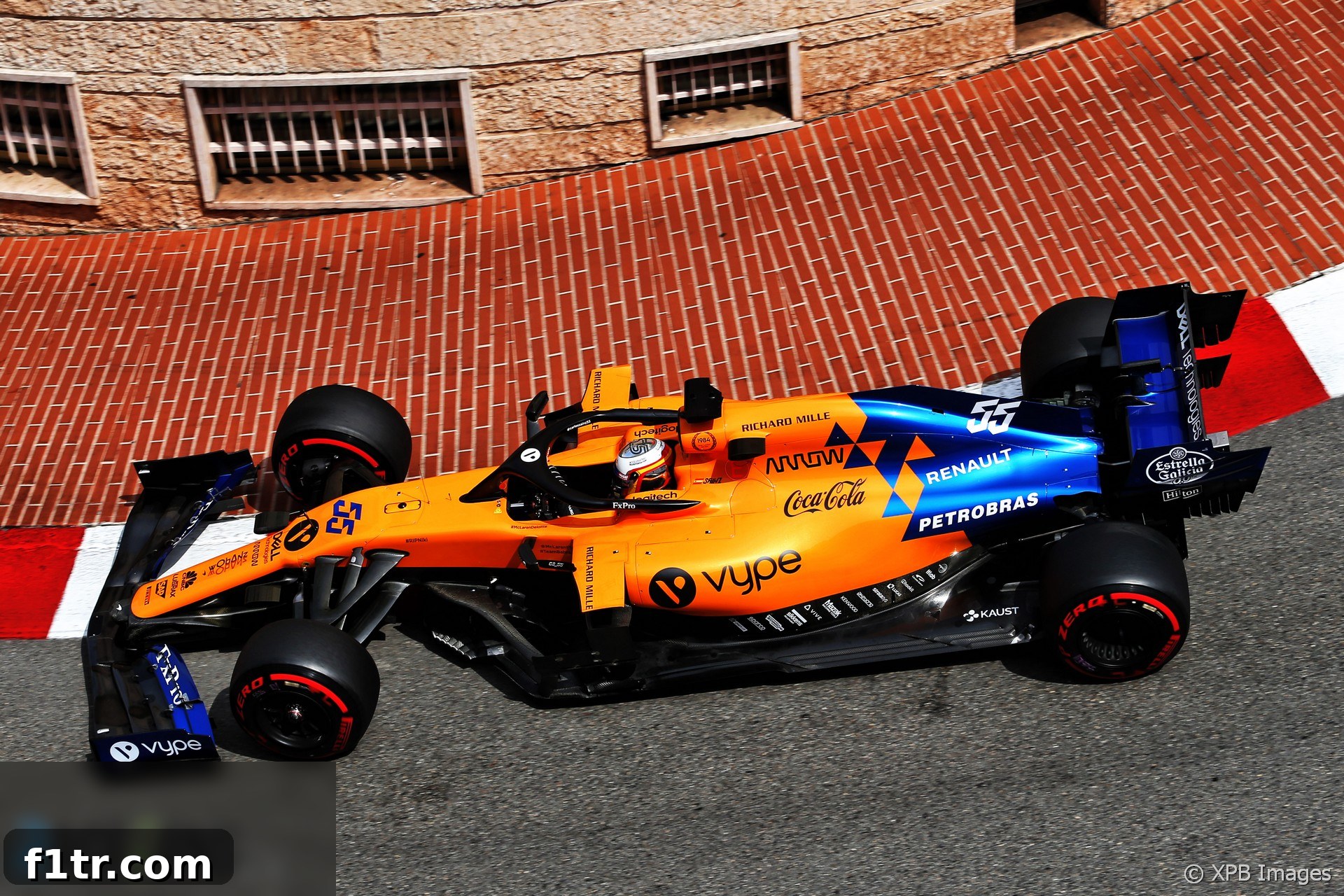
In the illustrious world of Formula 1, few circuits command as much respect and reverence as the iconic streets of Monaco. It’s a track where precision, nerve, and raw talent truly shine. For McLaren driver Carlos Sainz Jnr, this prestigious venue has consistently been a highlight of his racing calendar, leading to an impressive streak of points finishes. Sainz attributes much of this consistent success at the Principality to the invaluable wisdom imparted by his legendary father, motorsport icon Carlos Sainz Snr, a two-time World Rally Champion.
Carlos Sainz Jnr on Mastering Monaco: A Father’s Enduring Wisdom
Carlos Sainz Jnr has achieved a remarkable feat by scoring points in every one of the five Monaco Grands Prix he has entered since his Formula 1 debut. This unbroken run is a testament to his exceptional skill and preparation at one of the sport’s most demanding circuits. Sainz believes this consistent performance stems from a profound piece of advice given to him in his formative years, a sentiment that has deeply influenced his approach to racing in Monte Carlo.
I remember my dad telling me when I was kid that you need to be quick at Monaco. That’s where good talents shine. It stayed in my mind.
I did the Monaco Grand Prix in go-karting and I won it so we started off well when I was 13. And then when I arrived to Formula 1 I’ve always put a special effort into preparing for this grand prix and focusing a bit more and it looks like it pays off every year.
This enduring advice highlights the unique challenge of Monaco. Unlike other tracks where raw power or aerodynamic efficiency can compensate for minor imperfections, Monaco demands absolute precision and an unwavering mental fortitude. Every corner, every metre of the circuit, is a test of a driver’s commitment and ability to dance on the edge of disaster. Sainz’s recollection of winning the Monaco Grand Prix in go-karting at just 13 years old underscores a long-standing affinity for the circuit and an early demonstration of his natural talent for street circuit racing. This foundational experience, coupled with his father’s sagely counsel, has instilled in him a dedicated work ethic specifically tailored for the Monaco event. His meticulous preparation, which involves intense focus and a deeper dive into data and strategy, evidently yields consistent dividends, allowing him to navigate the narrow confines and unforgiving barriers with exceptional skill and confidence year after year. For Sainz, Monaco isn’t just another race; it’s a personal proving ground where the lessons of a champion father continue to guide a rising star.
Quotes: Dieter Rencken
Advert | Become a RaceFans supporter andgo ad-free
Social Media Buzz: F1 Tyre Choices and Insights
The world of Formula 1 is constantly abuzz with news, insights, and engaging content shared across social media platforms. From tyre allocations to race weekend highlights, these digital channels offer fans an immediate connection to the pulse of the sport. Here’s a glimpse at some notable posts from Twitter and Instagram, keeping you informed on the latest developments and discussions within the F1 community:
https://twitter.com/racefansdotnet/status/1134008414919680002
Pirelli will bring the C2 (hard), C3 (medium) and C4 (soft) tyres for the #HungarianGP. #F1 #MonacoGP
— RaceFans (@racefansdotnet) May 30, 2019
Pirelli, as the exclusive tyre supplier for Formula 1, plays a critical role in shaping race strategies and dynamics. Their selection of tyre compounds for each Grand Prix is a carefully considered decision, taking into account track characteristics, anticipated weather conditions, and the need to promote varied race strategies. For the upcoming #HungarianGP, Pirelli has opted for the C2 (hard), C3 (medium), and C4 (soft) compounds. The Hungaroring, known for its tight and twisty layout often compared to a karting track, places a high demand on mechanical grip and can be notoriously difficult for overtaking. The choice of these three compounds – ranging from the durable C2 to the grippier but faster-degrading C4 – will offer teams a spectrum of tactical options. The C2 hard compound provides longevity, crucial for one-stop strategies or long stints, while the C4 soft compound offers maximum performance during qualifying and early race laps, albeit with a shorter lifespan. The C3 medium compound aims to strike a balance between performance and durability, often becoming the workhorse tyre during the main race. Understanding these tyre choices is fundamental for fans, as they directly influence pit stop windows, race pace, and the thrilling strategic battles that unfold on Sunday afternoons.
- For a comprehensive guide to official F1 accounts and more motorsport personalities to follow, be sure to explore the F1 Twitter Directory, your one-stop resource for staying connected with the sport’s digital ecosystem.
Snapshot: MotoGP Star Andrea Dovizioso’s DTM Debut Livery Revealed
The world of motorsport is always exciting when top athletes from different disciplines cross over to test their skills. In a thrilling development, MotoGP star Andrea Dovizioso is set to make a special one-off appearance in the prestigious DTM (Deutsche Tourenwagen Masters) series. Fans eagerly awaited the reveal of the livery he would adorn for his debut, and now we have it: a striking design for his DTM Audi. Dovizioso, a formidable force in MotoGP with numerous victories and championship runner-up finishes, is known for his precision and aggressive riding style on two wheels. His transition to a DTM touring car, a highly sophisticated racing machine with significantly different handling characteristics, presents a fascinating challenge. This is the livery Moto GP star Andrea Dovizioso will use for his one-off appearance in the DTM next week at Misano. This guest appearance not only adds an extra layer of excitement to the DTM weekend at Misano but also allows Dovizioso to explore a different facet of motorsport, potentially showcasing his versatility and adaptability as a driver. The DTM series itself is renowned for its close racing and fiercely competitive field, making Dovizioso’s foray a truly anticipated event for motorsport enthusiasts worldwide.
Further Insights: Top Motorsport Headlines & Analysis
Beyond the immediate headlines, the motorsport world offers a wealth of stories, analyses, and strategic discussions that shape its present and future. From team strategies in major championships to the evolving landscape of racing technology, these links provide deeper dives into the topics capturing the attention of fans and industry insiders alike. Explore these motor racing links of interest to stay fully informed:
Advert | Become a Supporter & go ad-free
McLaren unlikely to enter IndyCar full-time in 2020 (Racer)
McLaren’s potential full-time entry into the IndyCar Series has been a subject of much speculation and strategic consideration. However, it appears the British racing giant is pumping the brakes on such plans for 2020. This decision comes in the wake of their well-documented struggles at the Indianapolis 500, where their highly anticipated entry, featuring two-time F1 champion Fernando Alonso, failed to qualify. This setback underscored the immense challenges and unique demands of IndyCar racing. As McLaren Racing CEO Zak Brown candidly stated, the priority for the team remains firmly on improving its Formula 1 performance, which is seen as the cornerstone of their motorsport identity. The quote, “As enthusiastic as I am for IndyCar, given where we are in Formula 1, given what we just went through at Indy, I’d like to see us go back to Indy and get that right as a next step instead of totally jumping in. So I think it’s highly unlikely we’re in IndyCar full-time in 2020,” reflects a pragmatic approach. McLaren recognizes the need to consolidate its efforts and ensure competitiveness in its primary F1 venture before embarking on another major full-time commitment. The desire to “get that right” at Indy signifies a respect for the series and a determination to compete at the highest level when they do commit fully, rather than rushing into a multi-series program that could dilute resources and focus.
F1 remains confident in US Grand Prix future in Texas (The Washington Post)
The United States has long been identified as a key growth market for Formula 1, and maintaining a strong presence there is crucial for the sport’s global expansion strategy. Amidst various discussions about F1’s presence in North America, the future of the US Grand Prix at the Circuit of the Americas (COTA) in Austin, Texas, appears secure and bright. Sean Bratches, then managing director of commercial operations for F1, expressed unwavering confidence in the long-term partnership with COTA. “We have a great relationship with (the track) and it is a highly regarded and valued part of our season. We look forward to the Grand Prix in Austin this October and for many years to come,” he affirmed. COTA has established itself as a vibrant and challenging circuit, popular with both drivers and fans, consistently delivering exciting races. The event has also become a major cultural and economic highlight for the city of Austin. F1’s commitment to COTA underscores its strategy to cultivate and expand its fanbase in the US, recognizing the significant potential for growth in a market traditionally dominated by NASCAR and IndyCar. This confidence signals a stable future for one of F1’s most modern and purpose-built venues.
Renault must improve quickly to keep Daniel Ricciardo smiling (The Guardian)
Daniel Ricciardo’s high-profile move to the Renault F1 team was one of the most talked-about transfers in recent memory, fueled by the Australian’s desire for a new challenge and Renault’s ambition to climb the grid. However, the initial phase of their partnership proved challenging, with the team struggling to deliver consistent performance and reliability. Ricciardo, known for his infectious smile and positive attitude, found himself facing frustrations, as highlighted by his candid remarks. “It’s frustrating. I have to sit down with the team to understand the reasoning behind that. I’m upset but I’ll try and get an understanding before I lose my shit,” he reportedly stated. This raw sentiment underscores the immense pressure on both driver and team in the cut-throat world of Formula 1. Ricciardo joined Renault with the expectation of helping them challenge the top teams, and his natural competitiveness demands progress. For Renault, retaining a driver of Ricciardo’s calibre and motivation hinges on their ability to rapidly improve their car’s performance and reliability. Failure to do so risks not only losing a marquee driver but also dampening morale and jeopardizing their long-term strategic goals in the sport. The clock is always ticking in F1, and for Renault, the need to deliver is paramount to keep their star driver happy and engaged.
DTM working to add hybrid element to engines (Autosport)
The global automotive industry is rapidly transitioning towards electric and hybrid powertrains, and motorsport series are increasingly following suit, balancing innovation with the core tenets of racing. The DTM (Deutsche Tourenwagen Masters) series is proactively exploring the integration of hybrid technology into its engines, a significant step that reflects this broader trend. Gerhard Berger, the series chairman, outlined the vision for this evolution, emphasizing a cautious and cost-effective approach. “We will make it in a way that does not increase costs, and will not influence the show,” he affirmed. This statement is crucial, as one of the major challenges in introducing new technologies in motorsport is managing the financial burden on teams and ensuring that the racing spectacle remains undiminished. Hybrid elements could offer several benefits, including improved fuel efficiency, potential for strategic energy deployment during races (e.g., ‘push-to-pass’ systems using electric power), and a closer alignment with road car development, which can attract manufacturer interest. By focusing on cost containment and maintaining the thrilling nature of DTM racing, the series aims to embrace technological advancement without compromising its identity, positioning itself at the forefront of sustainable motorsport innovation.
Monaco: a vital step in Kubica’s F1 comeback (Motorsport magazine)
Robert Kubica’s return to Formula 1 following a life-altering rally accident was one of the most remarkable and inspiring comebacks in sports history. His journey back to the pinnacle of motorsport was fraught with immense physical and mental challenges, making every race a testament to his sheer determination. Monaco, with its incredibly tight confines and demand for precise steering input, was viewed by many as a significant test of Kubica’s capabilities, particularly concerning the lingering limitations from his injury. However, as Motorsport Magazine highlighted, his performance at the Principality proved to be a vital step in silencing doubters and reaffirming his incredible talent. The article noted, “He was thwarted in qualifying only by encountering traffic on his out-lap and therefore not being able to get the sensitive tyres in the temperature window. Had it not been for that, he looked capable of out-qualifying around Monaco’s streets – the very circuit around which there were doubts about Kubica’s ability just to turn the wheel – one of the very fastest up and coming young talents.” This observation is immensely powerful. It suggests that despite the physical hurdles, Kubica’s innate skill and understanding of a racing car remained intact. To be capable of out-qualifying a “fastest up and coming young talent” at a circuit like Monaco, a place where even fully fit drivers struggle, speaks volumes about his extraordinary resilience and unwavering commitment to his F1 dream. It was a moment that not only showcased his enduring speed but also served as an emotional victory in his long and arduous road to recovery.
We always endeavour to credit original sources. If you have a tip for a link to feature in the next RaceFans round-up please send it in via the contact form.
Advert | Become a RaceFans supporter andgo ad-free
Comment of the Day: Rethinking the Monaco Grand Prix Format
The Monaco Grand Prix holds an undeniable place in Formula 1 lore, celebrated for its glamour, history, and the unique challenge it presents to drivers. However, in the modern era of F1, the traditional race format at Monaco often draws criticism for leading to processional races with minimal overtaking opportunities. This has sparked frequent discussions among fans and pundits about whether Monaco’s unusual circuit configuration demands a different, perhaps more innovative, set of rules to truly maximize the spectacle.
A compelling suggestion from a RaceFans reader, @Sparkyamg, proposes a radical rethink:
I’d support Monaco being run to a different set of rules. It’s still a decent race track for some of the support categories but for F1 cars it’s generally only good for creating a spectacle during qualifying.
Thinking outside the box; how about something along the lines of a Wimbledon style tournament? Perhaps qualifying could still exist to establish where each car is seeded, and then cars face off two-versus-two on Sunday for a series of short sprint races (10 laps), starting half a lap apart, with the fastest average lap time determining who progresses through to the next round. Ultimately the final could be between the fastest two to four cars.
@Sparkyamg
This “Wimbledon style tournament” concept is a truly outside-the-box idea that addresses the core issue of Monaco’s lack of overtaking. By converting the Grand Prix into a series of head-to-head sprint challenges, it shifts the focus from endurance and tyre management to pure speed and precision in isolated conditions. Qualifying would serve its traditional role of identifying the fastest cars, seeding them into a knockout bracket. The proposed two-versus-two format, with cars starting half a lap apart, would eliminate the problem of traffic and dirty air, allowing drivers to push their cars to the absolute limit without the frustration of being stuck behind a slower car. The winner of each short, ten-lap sprint would be determined by the fastest average lap time, rewarding consistent speed. This structure would create numerous high-stakes, direct competitions throughout Sunday, culminating in a thrilling final between the fastest contenders. While a radical departure from traditional F1, such a format could transform the Monaco Grand Prix from a procession into an unparalleled exhibition of raw speed and individual driver talent, making race day as captivating as qualifying. It offers a fresh perspective on how F1 could leverage Monaco’s unique characteristics to create a distinct and unforgettable event on the calendar.
From the Forum: Exploring Guest Drivers in Formula 1
- How could F1 accommodate guest drivers like the DTM is doing with Dovizioso?
The concept of guest drivers, where prominent figures from other motorsport disciplines make one-off appearances in a different series, is a fascinating topic gaining traction. DTM’s successful integration of MotoGP star Andrea Dovizioso highlights the potential for such crossovers to inject fresh excitement and draw new audiences. This naturally raises the question within the F1 community: how could Formula 1, with its stringent regulations and competitive intensity, accommodate guest drivers? The challenges are significant. F1 cars are notoriously complex and demanding, requiring extensive acclimatization and specialized skills. Furthermore, the sport’s Super Licence system is designed to ensure only the most qualified drivers compete, posing a barrier for outsiders. However, the benefits could be substantial: increased fan engagement, cross-pollination of fan bases, and the unique spectacle of seeing an established legend from another series test themselves against the world’s best F1 drivers. Discussions often revolve around potential formats, such as non-championship races, dedicated “all-star” events, or perhaps a more relaxed Super Licence requirement for specific, promotional appearances. While the logistical and regulatory hurdles are considerable, the potential for elevating F1’s appeal through such innovative approaches makes it a compelling topic for debate among fans and stakeholders alike.
Happy Birthday to Our Fellow RaceFans!
Today, we extend our warmest wishes to members of our passionate RaceFans community! A very Happy Birthday goes out to The Dutch Bear and Duncf1. We hope you both have a fantastic day filled with celebration and all things motorsport. Your enthusiasm helps make this community a vibrant place for F1 and racing discussions.
If you’d like to receive a special birthday shout-out on RaceFans, don’t hesitate to tell us when yours is via the contact form. Alternatively, you can contribute to our growing list of celebrated birthdays by adding your date here. Join us in celebrating the RaceFans community!
On This Day in F1 History: BRM’s Inaugural Victory
- 60 years ago today Jo Bonnier gave BRM their first ever world championship race victory in the Dutch Grand Prix
Sixty years ago, on this very day, a significant milestone was etched into the annals of Formula 1 history. The 1959 Dutch Grand Prix at Zandvoort witnessed a momentous occasion as Swedish driver Jo Bonnier secured the first-ever world championship race victory for the British Racing Motors (BRM) team. This triumph was not just a personal victory for Bonnier but a crucial moment for BRM, a team that had endured a challenging start to its F1 journey. Their win at Zandvoort, a circuit renowned for its fast, flowing corners, validated years of hard work, engineering effort, and perseverance. Bonnier’s masterful drive not only brought him glory but firmly established BRM as a competitive force in Formula 1, paving the way for future successes and cementing their legacy as an iconic constructor in the sport’s golden era. It remains a testament to the dedication and spirit of the early pioneers of Grand Prix racing.