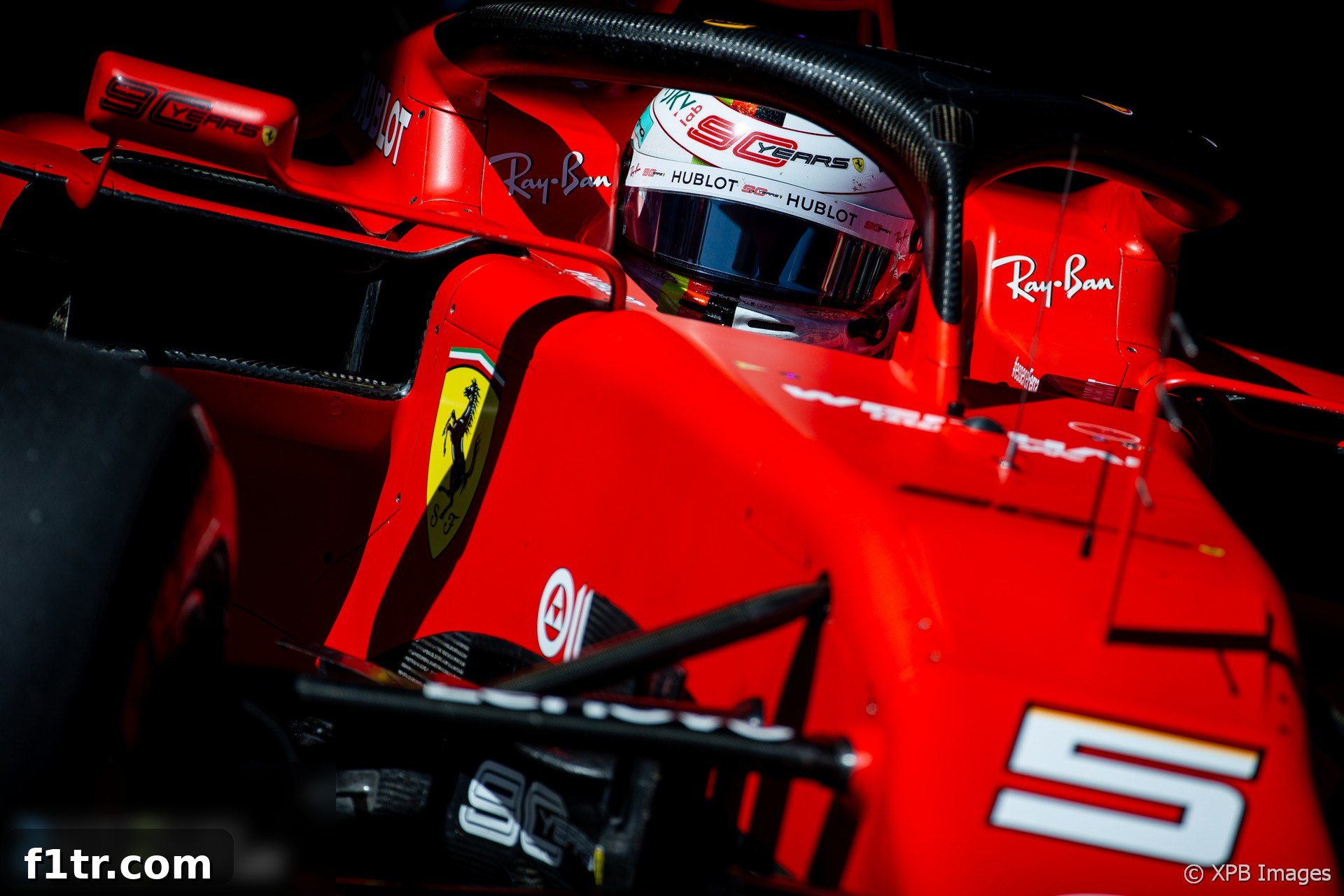
Following intensive testing at the iconic Red Bull Ring, Scuderia Ferrari driver Sebastian Vettel has reported encouraging progress on the team’s latest aerodynamic and mechanical upgrade package. The German racer described the evaluation sessions as “successful,” providing a much-needed boost for the Maranello-based squad as they continue their relentless pursuit of improved performance in what has proven to be a challenging 2019 Formula 1 season.
The introduction of new components has become a critical battleground in modern F1, with teams constantly striving to find marginal gains that can translate into crucial tenths of a second on track. Ferrari had initially brought several new parts to the preceding Paul Ricard Grand Prix, including a significant floor upgrade. However, after initial Friday practice sessions in France, the team opted to remove the updated floor, indicating that the parts did not perform as expected or required further understanding. This decision highlighted the complex and often unpredictable nature of F1 development, where simulator data and wind tunnel results don’t always perfectly translate to real-world track conditions.
The lessons learned from Paul Ricard were evidently put to good use at the Red Bull Ring. Vettel emphasized that the focus wasn’t on introducing entirely new elements, but rather on gaining a deeper comprehension of the components previously tested and the underlying reasons for their varied performance. “We didn’t try [new] upgrades,” Vettel clarified. “We tried to, obviously, understand a little bit more what happened last weekend with the bits that we tried. And I think it was successful.” This methodical approach underscores the engineering rigor required in Formula 1, where empirical data and driver feedback are paramount to unlocking a car’s full potential.
The four-time world champion elaborated on the positive outcome of their analytical work, stating, “At least, we were able to learn. And now we need to take the time that we need to understand what to address next.” This statement signifies not just a temporary fix but a strategic step forward in Ferrari’s ongoing development cycle. Understanding the nuances of how new parts interact with the existing car chassis and aerodynamic profile is crucial for future design decisions. This learning curve is especially vital for Ferrari, who had been under immense pressure to bridge the performance gap to their rivals, particularly Mercedes, throughout the season. The ability to effectively diagnose and respond to performance issues is a hallmark of a championship-contending team, and Vettel’s comments suggest Ferrari is making strides in this area.
Despite the encouraging progress with the upgrades, Vettel also pointed to room for further refinement in the car’s overall setup for the Austrian Grand Prix weekend. The Red Bull Ring, known for its short lap, high-speed straights, and challenging elevation changes, often demands a delicate balance between aerodynamic downforce and straight-line speed. Ferrari’s SF90 often exhibited strong straight-line speed, leading to expectations that the circuit might inherently suit their package. However, optimizing the car for such a unique layout remains a complex task. “In terms of track layout it’s probably true maybe it helps us a bit,” Vettel acknowledged. “But still a tricky track. Very difficult to make much of a difference, it’s very short, so crucial to have a good feel in the car and that’s what we need to work on.” Achieving optimal car balance and driver confidence is paramount on a circuit where lap times are incredibly tight and even minor setup discrepancies can have significant consequences.
The sentiment of cautious optimism was echoed by Vettel’s highly talented team mate, Charles Leclerc. The Monegasque driver also expressed confidence that the team was in a stronger position at the Red Bull Ring compared to previous weekends. His observations provide a valuable second data point, confirming that the improvements felt by Vettel were consistent across both cars and drivers. This synergy in feedback is essential for a team to validate its development path and ensure that upgrades are genuinely enhancing overall vehicle dynamics rather than merely suiting one driver’s particular style.
Leclerc detailed his experience during the practice sessions, noting the challenging environmental factors at play. “In [second practice] the conditions were quite tricky, the wind changed quite a lot,” he explained. Variable wind conditions can significantly impact a car’s aerodynamic stability and balance, making it difficult to assess true performance. Despite these external challenges, Leclerc conveyed a positive impression of the SF90. “But overall the car felt quite good so that’s positive.” This feeling of a ‘good car’ under variable conditions suggests that the recent efforts to understand and optimize the upgrade package are beginning to yield tangible benefits, instilling a renewed sense of confidence within the team.
However, the young Ferrari star remained realistic about the formidable challenge posed by their principal rivals. While feeling closer, he recognized the enduring strength of the Mercedes-AMG Petronas F1 Team. “I still believe we are a little bit behind [Mercedes],” Leclerc admitted. “We are definitely closer than we were in Paul Ricard but I still think we are behind.” This candid assessment highlights the continuous struggle at the sharp end of Formula 1, where closing a significant performance deficit requires monumental effort. The psychological boost of being “closer” is invaluable, but the ultimate goal remains to surpass the reigning champions. Leclerc’s comments underscore the relentless competitive spirit that defines the pinnacle of motorsport, where even fractional improvements are celebrated, yet the ultimate target remains elusive.
The collective feedback from both Ferrari drivers paints a picture of a team diligently working through its challenges, learning from past setbacks, and incrementally improving its competitive standing. The Red Bull Ring, with its distinct character, served as a crucial proving ground for Ferrari’s technical endeavors. While the gap to Mercedes remained a significant hurdle, the positive validation of their upgrade package provided a much-needed foundation for the remainder of the 2019 season. Every data point and every successful test contributes to the larger mosaic of car development, offering hope that Ferrari can continue to refine its SF90 and challenge for victories in the races to come, keeping the championship fight alive.
2019 F1 season
For more insights into the highs and lows of Ferrari’s campaign and other significant events from this memorable year in Formula 1, delve into our comprehensive coverage of the 2019 F1 season:
- Crying in the Melbourne car park at 2019 grand prix was my career low – Ocon
- McLaren Racing reports reduced £71 million loss in 2019
- Kvyat: Hockenheim podium last year was “my biggest achievement” so far
- How the FIA’s new encrypted fuel flow meter targets Ferrari’s suspected ‘aliasing’ trick
- “He smashed my office door”: 23 must-see moments from ‘Drive to Survive’ season two
Browse all 2019 F1 season articles