Formula 1’s Ambitious Return: Navigating Fan Attendance in the 2021 Season
The 2021 Formula 1 season presented a unique blend of challenge and triumph, as the sport grappled with the ongoing global COVID-19 pandemic while striving to reignite the electric atmosphere that only live spectators can bring. As vaccination programs gained momentum worldwide and governments gradually began to ease public gathering restrictions, the prospect of welcoming fans back to the grandstands became a central, albeit complex, objective for many circuits on the F1 calendar. This period marked a pivotal moment for Formula 1, necessitating a delicate balance between the passionate desire for a full return to racing’s traditional spectacle and the paramount commitment to health and safety protocols.
Race organizers across various continents embarked on the intricate task of determining safe spectator capacities for their events. This led to a diverse range of strategies and outcomes throughout the championship year. While the season-opening Bahrain Grand Prix successfully introduced a model that allowed entry for vaccinated and ‘Covid-recovered’ fans, signaling a potential blueprint for the future, other early rounds, such as the Emilia-Romagna Grand Prix, were compelled to proceed behind closed doors. This stark contrast underscored the dynamic and often unpredictable nature of the pandemic’s impact on large-scale sporting events.
The Drive Towards Full Capacity: Rekindling the Grand Prix Spirit
A significant and encouraging trend observed during the 2021 Formula 1 season was the ambitious pursuit of full spectator attendance by several circuits. As many as seven rounds on the calendar openly targeted the return of maximum crowds. This push was driven by multiple factors: a profound desire to restore the vibrant, immersive energy that a packed circuit provides, alongside a critical need to recover the substantial financial losses incurred during the largely spectator-free 2020 season. The reintroduction of a full fanbase promised a vital boost in revenue from ticket sales, hospitality, merchandising, and local tourism, all essential components for revitalizing the Grand Prix experience and the broader F1 ecosystem.
The Vaccine Passport Debate: Silverstone’s Pivotal Role
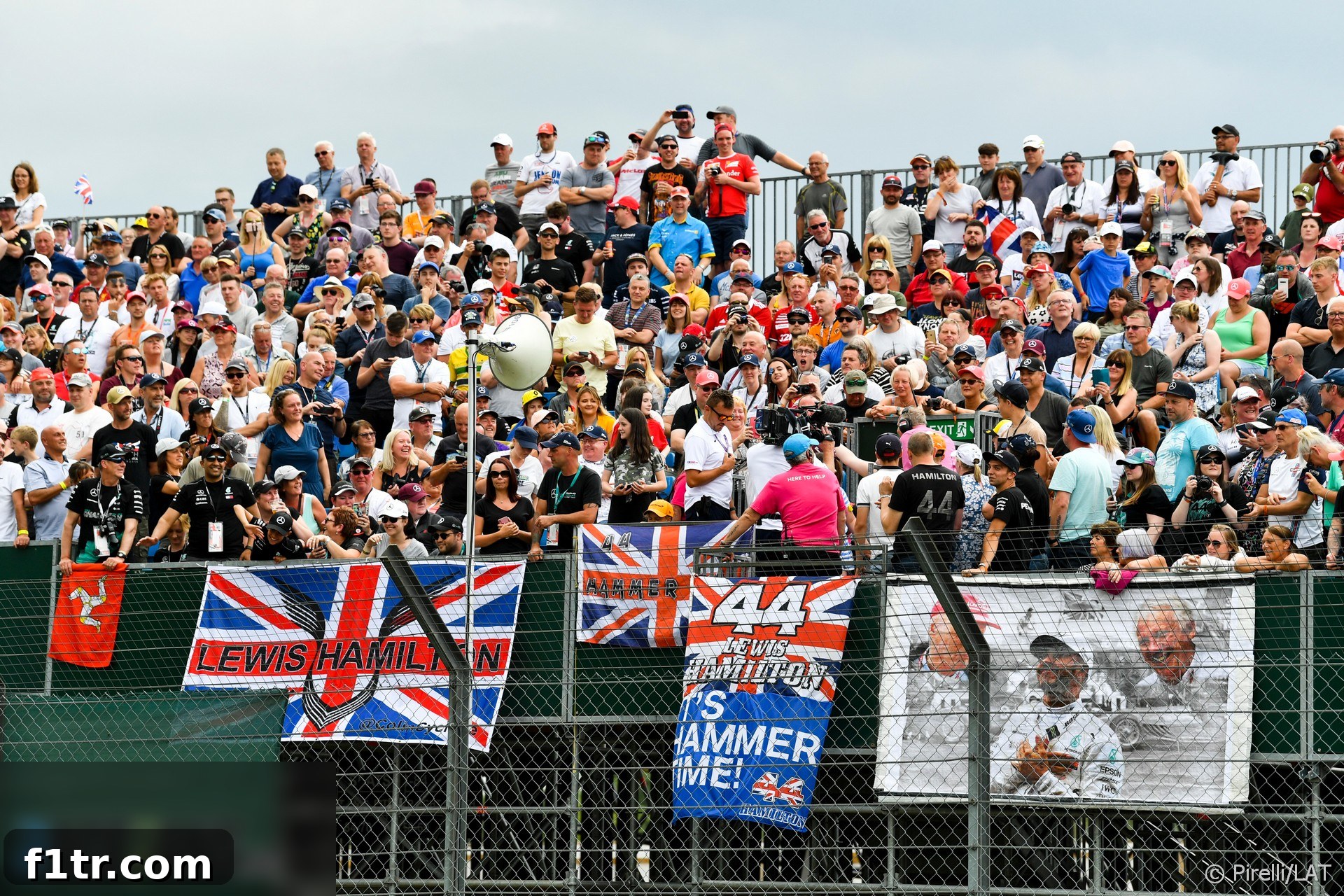
Among the most prominent advocates for a full return of fans was Silverstone, the historic home of the British Grand Prix. The circuit proactively joined forces with other major British sports promoters, urging the government to implement a ‘vaccine passport’ system. This innovative, though widely debated, approach was envisioned as the key to facilitating full attendance at major events, including the highly anticipated British Grand Prix scheduled for July 18th. A vaccine passport system typically involves digital or physical verification of an individual’s vaccination status, a recent negative COVID-19 test result, or documented recovery from the virus. While proponents championed it as a practical pathway to safely reopening mass gatherings, concerns were raised by critics regarding privacy implications, potential accessibility barriers, and the risk of discrimination. Nevertheless, Silverstone’s determined advocacy highlighted the proactive measures and policy engagements that promoters were willing to undertake to ensure the return of their dedicated fanbase.
European Ambitions: Hungary, Netherlands, and Monza Lead the Way
Beyond the UK, several other iconic European venues expressed strong intentions to host full crowds. The rounds in Hungary and the Netherlands, scheduled in the immediate aftermath of the British Grand Prix, were among those actively targeting maximum attendance. The Dutch Grand Prix, in particular, demonstrated its commitment to fan presence by accepting a later calendar slot compared to its originally planned (and subsequently cancelled) 2020 return. This strategic rescheduling was specifically aimed at increasing the likelihood of being able to admit a full complement of spectators, showcasing the immense value placed on the roaring crowd for this eagerly awaited return to the F1 calendar. Similarly, Italy’s legendary Monza circuit, renowned for its passionate ‘Tifosi’ and its rich motorsport heritage, also set its sights on welcoming a capacity crowd, eager to recreate the electrifying atmosphere that is synonymous with Formula 1’s enduring legacy.
Global Aspirations: Russia, United States, and Brazil Face Unique Challenges
As the championship progressed into its final third, three more prominent circuits on the global stage – Russia, the United States, and Brazil – were understood to be pursuing plans for full fan attendance. These aspirations, however, were tempered by the unique public health landscapes and considerations prevalent in each region. Tragically, the United States and Brazil had recorded some of the highest COVID-19 death tolls globally, reporting over 550,000 and 350,000 deaths respectively at the time the season was unfolding. While the US death rate showed promising signs of decline, Brazil’s numbers continued to climb, presenting a particularly challenging backdrop for the organization of mass gatherings. The pursuit of full attendance in these regions underscored the ongoing global disparities in pandemic management, vaccination rollout, and the varying risk tolerances of different governments and health authorities. For Formula 1, navigating these diverse and complex environments demanded meticulous planning, exceptional adaptability, and close, continuous collaboration with local officials to ensure the utmost safety for all participants, teams, and spectators.
Varied Approaches: The Reality of Limited Capacity and Behind Closed Doors
While some circuits ambitiously aimed for full attendance, many others adopted a more measured and cautious approach throughout the 2021 season, opting for limited crowd capacities or, in certain instances, holding events entirely behind closed doors. These decisions were predominantly influenced by prevailing local health regulations, evolving epidemiological trends, and the specific logistical capabilities of each venue to implement and enforce stringent safety protocols effectively.
Early Season Restrictions: Bahrain, Emilia-Romagna, and Azerbaijan
The initial phase of the 2021 season provided clear examples of these varied strategies. While Bahrain commendably allowed a restricted number of vaccinated or recovered fans, the Emilia-Romagna Grand Prix at Imola, a beloved classic on the F1 calendar, was regrettably conducted without any spectators. Similarly, Azerbaijan’s vibrant street circuit race also proceeded behind closed doors. These instances demonstrated that despite an overall optimistic outlook for the return of fans in some regions, a full, immediate return to pre-pandemic normalcy was far from universal. Even without the traditional roar of the crowd, these events showcased the sport’s resilience, its unwavering commitment to delivering exhilarating racing, and its ability to adapt under challenging and unprecedented circumstances.
Phased Reopening: Portugal, Spain, Monaco, and France
As the 2021 season progressed into the European summer, more circuits began to cautiously welcome fans back, albeit with significant limitations on capacity. Both Portugal and Spain indicated plans to open their respective races to limited numbers of spectators, offering a glimmer of hope and excitement for fans eager to witness the high-speed action live. Monaco, globally renowned for its glamorous street race, also planned to accommodate a restricted number of attendees, allowing a select few to experience its unique and prestigious atmosphere. The French Grand Prix at Paul Ricard presented a particularly detailed and innovative plan, aiming to limit its daily capacity to 15,000 spectators. This number was further meticulously divided into three distinct zones, each designed to accommodate 5,000 fans. This zonal approach represented a sophisticated logistical measure engineered to minimize intermingling between different groups and enhance contact tracing capabilities, thereby showcasing the meticulous planning required to host major international events safely during the pandemic.
The promoter of the Paul Ricard race articulated a sentiment of cautious optimism regarding their carefully crafted configuration: “At this moment we are optimistic about the organisation of the grand prix with this configuration. We are also ready for other scenarios.” This statement perfectly encapsulated the delicate balance between hope and realism that characterized event planning throughout 2021, with organizers constantly needing to be prepared for sudden shifts in public health guidelines, governmental policies, or epidemiological conditions.
The Broader Implications for Formula 1 and its Global Fanbase
The fluctuating landscape of fan attendance during the 2021 season had profound and far-reaching implications for Formula 1 as a global sport and entertainment entity. Financially, the disparity between a fully packed house and an empty or sparsely filled stadium was immense, directly impacting crucial revenue streams derived from ticket sales, corporate hospitality, merchandise, and the vital boost to local tourism. For the purists and passionate devotees of the sport, the absence or limitation of crowds undeniably altered the very essence of the Grand Prix weekend, diminishing the visceral roar of the engines combined with the collective excitement and shared emotion that are intrinsic hallmarks of Formula 1. Nevertheless, the unwavering commitment to completing a full calendar, regardless of spectator presence, powerfully underscored F1’s remarkable adaptability and its steadfast determination to maintain its status as a premier global championship.
For the millions of fans watching worldwide, the gradual sight of spectators returning to the circuits, even if in limited numbers, served as a powerful psychological boost. It signaled a slow but steady return to a semblance of normalcy and reinforced the fundamental idea that F1 is not merely a sport but a global spectacle, deeply intertwined with the passion, energy, and collective experience of its immense fanbase. The 2021 season, therefore, stands as a remarkable testament to the sport’s resilience, its capacity for innovation in logistics and safety protocols, and its unwavering dedication to its community, both on and off the track, paving the way for future seasons.
Conclusion: A Season of Adaptation, Innovation, and Renewed Hope
The 2021 Formula 1 season will undoubtedly be etched into the sport’s illustrious history as a unique and defining chapter. It was a year characterized by a complex interplay of optimism, strategic caution, and an unwavering determination to race amidst unprecedented global challenges. From circuits boldly pushing for full attendance through groundbreaking initiatives like vaccine passports, to those meticulously managing limited capacities with intricate zonal systems, each Grand Prix became a microcosm of the broader global effort to navigate a world forever changed by the pandemic. The journey of welcoming fans back was far from uniform, reflecting diverse regional epidemiological challenges and governmental policies, yet it collectively marked a significant and hopeful step forward for the sport. Ultimately, the 2021 season profoundly underscored the vital, irreplaceable role that fans play in the very heart and soul of Formula 1, laying crucial groundwork for a hopeful return to a more vibrant, fully attended, and globally celebrated future for motorsport’s pinnacle.