The roar of Formula 1 engines could soon echo through South Africa once more, as the nation’s government has officially extended an invitation to prospective promoters for hosting a prestigious Grand Prix. This ambitious move signals a determined effort to reintegrate South Africa into the global Formula 1 calendar, promising a decade-long spectacle for motorsport enthusiasts across the continent and beyond.
The Department of Sport, Arts and Culture (DSAC) has issued a comprehensive tender, inviting companies with the necessary vision and capabilities to submit proposals for staging a Formula 1 World Championship race. The proposed timeline indicates a potential commencement in either 2026 or 2027, with the successful bidder securing a significant 10-year term. This long-term commitment underscores South Africa’s dedication to establishing a sustainable and impactful presence in the pinnacle of motorsport.
A Long-Awaited Return: F1’s History in South Africa
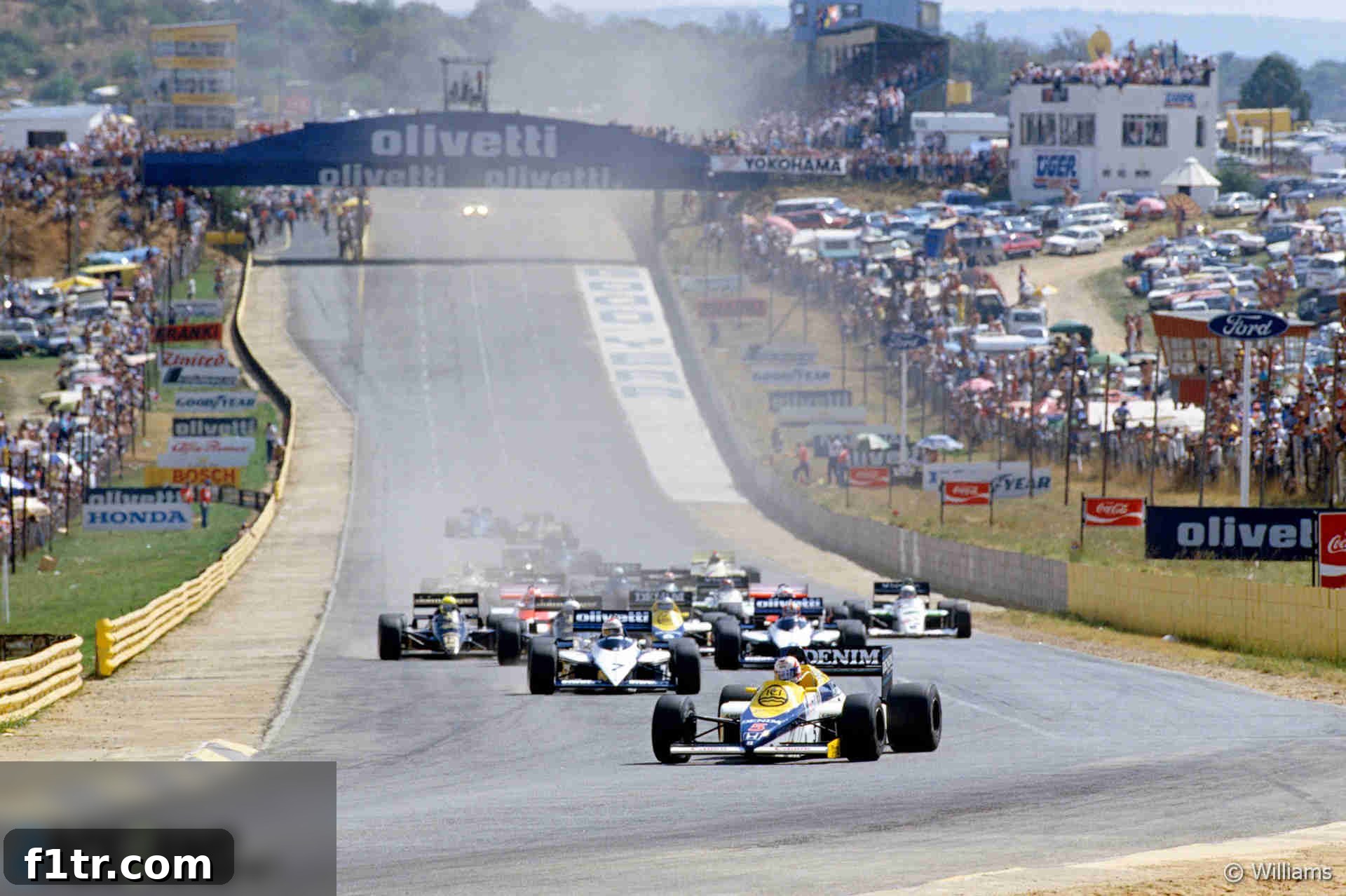
South Africa’s pursuit of a Formula 1 race is not merely an aspiration for novelty; it represents a yearning to rekindle a rich motorsport legacy. The country last hosted a round of the world championship in 1993, at the iconic Kyalami Grand Prix Circuit near Johannesburg. For decades, Kyalami was a staple on the F1 calendar, witnessing legendary battles and crowning champions. Its challenging layout and vibrant atmosphere left an indelible mark on the sport’s history.
Bringing Formula 1 back to South Africa would rectify a notable absence on the global stage. Formula One Management (FOM) has frequently expressed a strong desire to expand its reach into Africa, currently the only inhabited continent not featuring on the 2025 F1 calendar. This strategic objective aligns perfectly with South Africa’s bid, positioning the nation as the natural gateway for F1’s expansion into this vast and passionate market.
The Vision: Crafting a World-Class Sporting Spectacle
The DSAC’s tender outlines stringent requirements for any potential promoter, emphasizing the need for an exceptionally executed event. The chosen promoter must possess a profound level of expertise and robust governmental backing, crucial for orchestrating what is envisioned as an unparalleled world-class sports and entertainment event. This isn’t just about racing; it’s about delivering a holistic experience that captivates audiences and showcases South Africa’s capabilities on a global scale.
Key among the promoter’s qualifications is a proven track record in hosting major international events. This experience is vital for navigating the intricate logistics, safety protocols, and operational complexities inherent in a Formula 1 Grand Prix. Furthermore, applicants are expected to demonstrate the ability to develop sustainable business models, ensuring the longevity and financial viability of the event over its proposed 10-year tenure. This includes innovative strategies for leveraging diverse commercial opportunities, ranging from ticketing and premium hospitality packages to lucrative sponsorship deals that attract both local and international brands.
Crucially, promoters must present a comprehensive vision for the Grand Prix that not only meets but demonstrably exceeds Formula 1’s exacting standards. These standards encompass every facet of the event, from track safety and infrastructure to fan engagement, media facilities, and environmental sustainability. The successful bid will need to articulate how South Africa can offer a unique and compelling proposition that elevates the F1 experience for all stakeholders.
Circuit Design and Location: Flexible Approaches for Optimal Outcomes
In a progressive move, the South African government has invited promoters to submit plans for both dedicated permanent tracks and innovative street circuits. This flexible approach acknowledges the diverse possibilities within the country and encourages creative solutions. The option to develop an existing venue, such as the historic Kyalami circuit, is also firmly on the table. While Kyalami currently does not hold the necessary FIA Grade One certification required for Formula 1 races, the tender implies that proposed development plans to upgrade such facilities would be considered favorably.
Specific criteria for the proposed circuit’s location and design have been meticulously detailed to ensure maximum accessibility and fan enjoyment. The chosen circuit should be conveniently located, accessible within a 30-minute travel radius of a major city or a recognized “desirable destination location.” This accessibility must be facilitated by multiple transport options, ranging from road networks to public transport infrastructure, ensuring ease of access for a vast audience.
The capacity to accommodate a substantial number of spectators is another critical factor. The venue must be capable of hosting 125,000 attendees per day, with a significant emphasis on sustainable transport solutions; at least three-quarters of these spectators are expected to arrive via public transport. This commitment to public transport not only alleviates congestion but also aligns with broader environmental objectives.
From a technical standpoint, the track itself must adhere to precise specifications. It should measure between 4.5 and 5.5 kilometers in length and include a substantial straight or flat-out section of at least one kilometer, designed to facilitate exciting overtakes and high-speed action. Designers are particularly encouraged to incorporate any natural elevation changes present at a proposed site, rather than attempting to flatten the terrain. This directive aims to create a dynamic and challenging circuit layout, reminiscent of classic F1 tracks, enhancing the spectacle for drivers and fans alike.
The Bid Process: Transparency and Expertise
The evaluation of these high-stakes bids will be conducted by a distinguished 12-member panel. This panel will comprise representatives from a broad spectrum of expertise, including motorsport specialists, broadcasting professionals, media experts, and legal practitioners. This multidisciplinary approach ensures a comprehensive and impartial assessment of each proposal, weighing technical feasibility, financial viability, operational excellence, and alignment with national and international sporting objectives.
Applicants are required to submit their bids, accompanied by a refundable deposit of 10 million South African Rand (approximately £438,000), by the end of the current month. This substantial deposit underscores the seriousness of the tender and acts as a commitment from potential promoters, ensuring that only genuinely capable and committed entities participate in the bidding process. The refundable nature of the deposit offers a safeguard while still demanding a significant initial commitment.
Economic and Social Impact: Beyond the Racetrack
The potential return of the Formula 1 South African Grand Prix carries immense significance beyond the confines of motorsport. Economically, a successful bid would inject hundreds of millions into the national economy through tourism, job creation, and foreign investment. The construction or upgrade of a circuit, coupled with the ongoing operational demands of a Grand Prix, would create numerous employment opportunities across various sectors, from hospitality and logistics to technical support and event management.
Socially, hosting an event of F1’s magnitude would significantly boost national pride and international standing. It would showcase South Africa’s capacity to host major global events, attracting international media attention and presenting a vibrant image of the nation. Furthermore, the Grand Prix could inspire a new generation of South African engineers, mechanics, and drivers, fostering the growth of local motorsport talent and infrastructure.
Challenges and Opportunities on the Road Ahead
While the prospect is exciting, the path to bringing F1 back to South Africa is not without its challenges. Securing adequate funding, navigating complex regulatory approvals, and ensuring robust infrastructure development are formidable hurdles. Competition from other potential host nations, also keen to join the F1 calendar, remains a factor. However, South Africa presents unique opportunities: a passionate and diverse fanbase, stunning natural landscapes that could provide a breathtaking backdrop for a race, and a well-established tourism sector ready to welcome international visitors.
F1’s African Ambition: A Perfect Match
Formula 1’s strategic vision for global expansion clearly includes Africa. With its burgeoning economies and enthusiastic sports audiences, the continent represents a crucial frontier for the sport. South Africa, with its strong sporting heritage, developed infrastructure, and enthusiastic government backing, is uniquely positioned to fulfill this ambition. A South African Grand Prix would not only satisfy FOM’s desire for an African presence but would also offer a distinct cultural and sporting experience, enriching the overall F1 calendar.
Conclusion: The Dawn of a New Era for South African Motorsport
The invitation for promoters to bid for a South African Grand Prix marks a pivotal moment in the nation’s motorsport history. It signifies a serious, concerted effort by the government to bring the world’s premier racing series back home. With a comprehensive vision, strict requirements, and a commitment to long-term sustainability, South Africa is laying the groundwork for what could be a thrilling new chapter for Formula 1 on the African continent. The stage is set, and the world watches with anticipation to see which promoter will seize this incredible opportunity to ignite the engines of change and deliver a decade of unparalleled racing spectacle.