As the final checkered flag of the season waved at the Abu Dhabi Grand Prix, a significant chapter in Formula 1 history drew to a close: Alfa Romeo officially confirmed its withdrawal from the sport, concluding its branding partnership with the Sauber-run team. This departure marks the end of a collaboration that brought one of motorsport’s most iconic names back to the pinnacle of racing, leaving behind a legacy woven with both recent efforts and a deep historical connection to the sport’s very beginnings.
Advert | Become a Supporter & go ad-free
The journey of Alfa Romeo with Sauber began in 2018 when the Italian marque initially stepped in as a sponsor for the Swiss outfit. This alliance quickly deepened, and by the following year, Alfa Romeo had fully embraced its role, taking over the naming rights to the team. This partnership transformed the Sauber F1 team into Alfa Romeo Racing, a move that resonated deeply with racing fans worldwide, eager to see the storied brand once again associated with Formula 1 grid competition. The collaboration aimed to leverage Alfa Romeo’s rich motorsport heritage, using the global platform of F1 to boost its brand image and visibility on an international scale, particularly as it sought to expand its premium car offerings.
The Evolution and End of a Significant Partnership
The strategic alliance between Alfa Romeo and Sauber was more than just a sponsorship deal; it was a testament to the enduring appeal of Formula 1 as a marketing platform for automotive brands. For Sauber, the partnership brought crucial financial backing and a high-profile identity that helped stabilize its operations in the intensely competitive world of F1. For Alfa Romeo, it provided an “international showcase at the highest level,” as articulated by its CEO, Jean-Philippe Imparato. This high-octane exposure offered unparalleled opportunities to engage with a global audience, showcasing the brand’s performance pedigree and Italian flair to millions of dedicated motorsport enthusiasts.
During their partnership, the Alfa Romeo-branded Sauber team experienced varying degrees of success. Their performance peaked notably in the previous year, securing a respectable sixth place in the constructors’ world championship standings. This achievement demonstrated the potential of the collaboration and highlighted the dedication of the team in Hinwil. However, the most recent season proved to be a tougher challenge. As they headed into the concluding race weekend in Abu Dhabi, the team found itself just four points ahead of last-placed Haas, a clear indicator of the competitive struggles encountered throughout the year. Despite the fluctuating on-track results, the overall sentiment from Alfa Romeo’s leadership remained overwhelmingly positive regarding the strategic benefits derived from their involvement.
The Audi Factor: A New Dawn for Sauber
The primary catalyst for Alfa Romeo’s departure is Sauber’s pivot towards a new, monumental partnership with German automotive giant Audi. This groundbreaking collaboration, set to fully materialize by the 2026 Formula 1 season, will see Audi not only become a significant stakeholder in the Sauber team but also develop and supply its own power unit under the sport’s new technical regulations. The impending arrival of Audi represents a transformative moment for Sauber, offering an unparalleled opportunity to compete at the very highest echelons of Formula 1 with full manufacturer backing and resources. The 2026 regulations, emphasizing sustainability and innovation with a significant shift towards electric power in the hybrid units, made this long-term commitment from Audi particularly attractive and strategic for Sauber’s future.
This ambitious new venture with Audi inherently meant that Alfa Romeo’s collaboration with Sauber had a definitive expiry date. While the timing of the announcement aligned with the conclusion of the 2023 season, the understanding of this transition had been clear for some time. The transition underscores the dynamic nature of Formula 1, where strategic alliances constantly evolve in response to technological advancements, regulatory changes, and broader corporate objectives. For Sauber, aligning with a major OEM like Audi offers stability, technological prowess, and the potential for championship contention, making it an irresistible proposition for the Swiss team as it looks to build a robust future in the sport.
Alfa Romeo’s Storied Legacy in Formula 1
Alfa Romeo’s presence in Formula 1 extends far beyond its recent association with Sauber; it is deeply embedded in the very fabric of the sport’s foundational history. The Italian marque holds the distinct honor of being the constructor that clinched the inaugural Formula 1 Drivers’ World Championship in 1950 with the legendary Giuseppe Farina at the wheel. This momentous victory was swiftly followed by another triumph in 1951, when the iconic Juan Manuel Fangio secured his first world title driving for Alfa Romeo. These early successes established Alfa Romeo as a dominant force in the nascent years of Formula 1, cementing its place as a true pioneer and a name synonymous with Grand Prix racing excellence.
Following these initial glorious years, Alfa Romeo withdrew from direct competition, only to make a significant return in the 1970s. This second stint as a constructor and engine supplier saw them partner with various teams, attempting to rekindle their earlier magic. While this period did not yield the same championship glory, it further underscored the brand’s unwavering commitment to motorsport and its inherent competitive spirit. Alfa Romeo continued to participate in Formula 1 until 1985, leaving behind a rich tapestry of innovation, passionate racing, and an undeniable impact on the sport’s technical and sporting evolution. This long and intermittent history showcases Alfa Romeo’s deep-seated connection to racing, a heritage that has continuously inspired its road car development and brand philosophy.
The Return on Investment and Future Aspirations
Reflecting on Alfa Romeo’s latest spell in Formula 1, CEO Jean-Philippe Imparato articulated a profound satisfaction with the outcomes. He described the experience not only as an “international showcase at the highest level” but also as a “profound human and sporting experience.” Imparato’s strong endorsement highlights the multifaceted benefits of F1 involvement, extending beyond mere brand visibility to encompass team building, technological transfer, and an enhancement of corporate culture. He further emphasized the exceptional financial returns, stating, “In my humble opinion, the return on investment from the work we have done here has been the most positive in my entire career.” This powerful statement underscores the significant value F1 participation offered Alfa Romeo, validating their strategic decision to return to the grid.
The visibility gains from Formula 1 were not just impactful for Alfa Romeo but also served as a crucial benchmark for the entire Stellantis group, the multinational automotive corporation that owns Alfa Romeo. This suggests that the F1 program demonstrated how high-profile global sports sponsorships could effectively elevate brand perception and deliver tangible marketing dividends across a diverse portfolio of automotive marques. Despite the immediate departure, Imparato’s forward-looking comments suggest that this is not a permanent farewell to Formula 1. He confidently stated, “Alfa Romeo has competition in its DNA and will return to thrill its fans as soon as possible, when the conditions are right.” This open-ended commitment leaves the door ajar for a potential future return, perhaps as an engine supplier, a new constructor, or a renewed title sponsor under different circumstances, reinforcing the brand’s intrinsic link to competitive racing.
A Poignant Farewell at Abu Dhabi
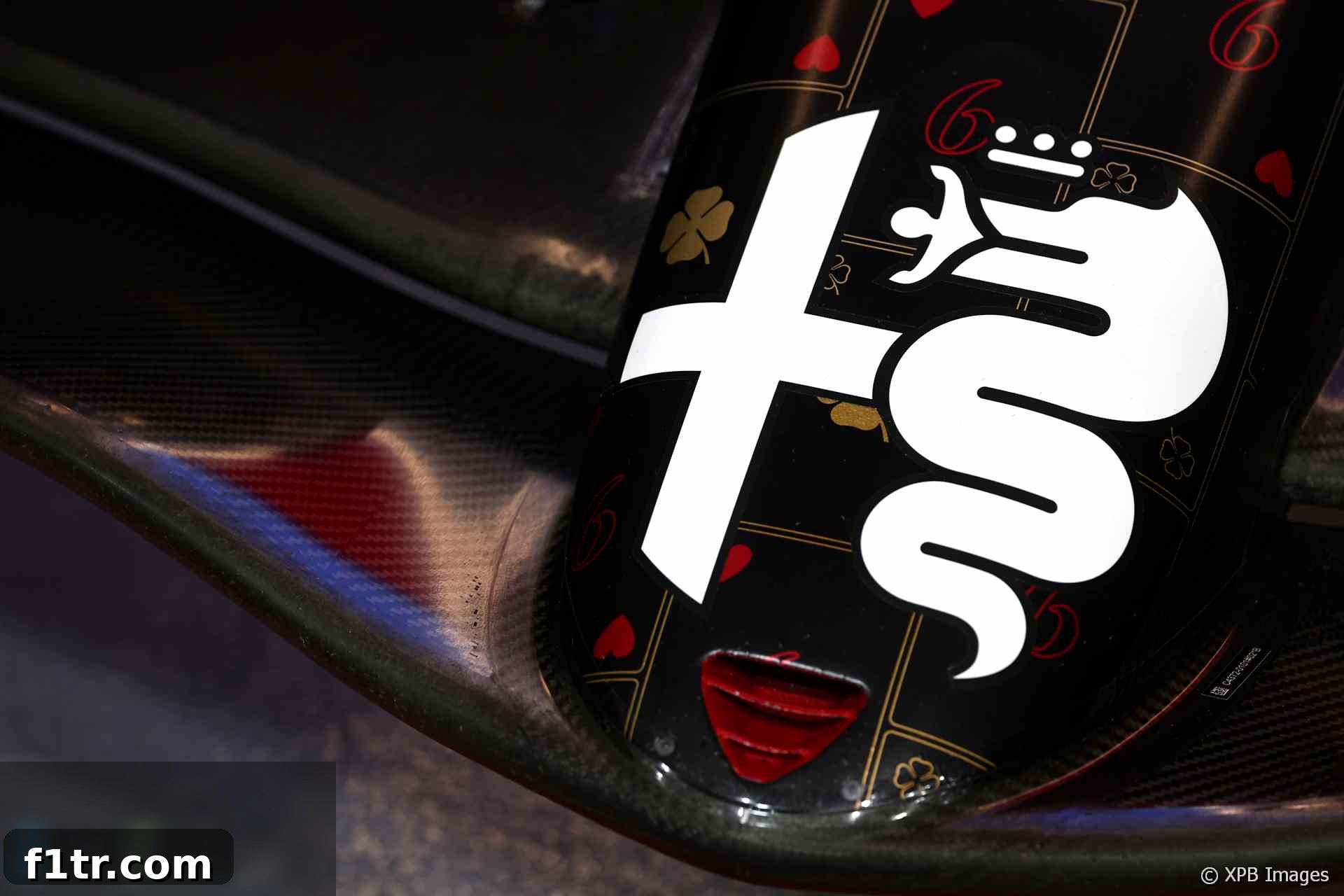
The Abu Dhabi Grand Prix served as a poignant final act for Alfa Romeo’s current F1 chapter. To commemorate their significant tenure with Sauber, the team’s C43 cars sported special liveries for the weekend. Most notably, the cars carried distinctive number ‘six’ logos, a symbolic gesture representing the six years of partnership between Alfa Romeo and Sauber. This visual tribute resonated with fans and team members alike, marking a significant period of collaboration and shared aspirations. Furthermore, the cars also bore the heartfelt slogan, “Alfa Romeo nei nostri cuori,” which translates from Italian to “Alfa Romeo always in our hearts.” This emotionally charged message encapsulated the deep affection and gratitude felt by the team and the brand’s loyal fanbase, serving as a powerful send-off for their current F1 journey.
Advert | Become a RaceFans supporter andgo ad-free
The End of an Era, The Promise of Tomorrow
Alfa Romeo’s departure from Formula 1 marks the conclusion of a distinctive period for both the brand and the Sauber team. While the immediate focus shifts to Sauber’s exciting future with Audi, the legacy of Alfa Romeo’s latest F1 chapter will undoubtedly endure. It served as a vital platform for brand rejuvenation and demonstrated the power of motorsport to connect with global audiences. From its pioneering days clinching the first-ever F1 championships to its recent efforts with Sauber, Alfa Romeo has consistently embodied the spirit of competition and automotive passion. The motorsport world eagerly awaits the “right conditions” for Alfa Romeo’s eventual return, knowing that a brand so intrinsically linked to racing history will always find its way back to the track, ready to thrill its dedicated fans once more. This farewell is less a definitive goodbye and more an intermission, with the promise of future competitive endeavors echoing the brand’s timeless racing DNA.
Related Content & Further Reading
- Mercedes’ diversity efforts and the broader F1 landscape
- Analyzing race incidents and regulatory interpretations in F1
- Driver perspectives on team development and future car designs
- Dominance in F1: The pursuit of perfection by top drivers
- Navigating challenges and pressure in Formula 1 season finales
Explore more articles from the 2023 Formula 1 Season