FIA’s Handling of Hamilton-Verstappen Incident Review Praised Amidst F1 Championship Tension
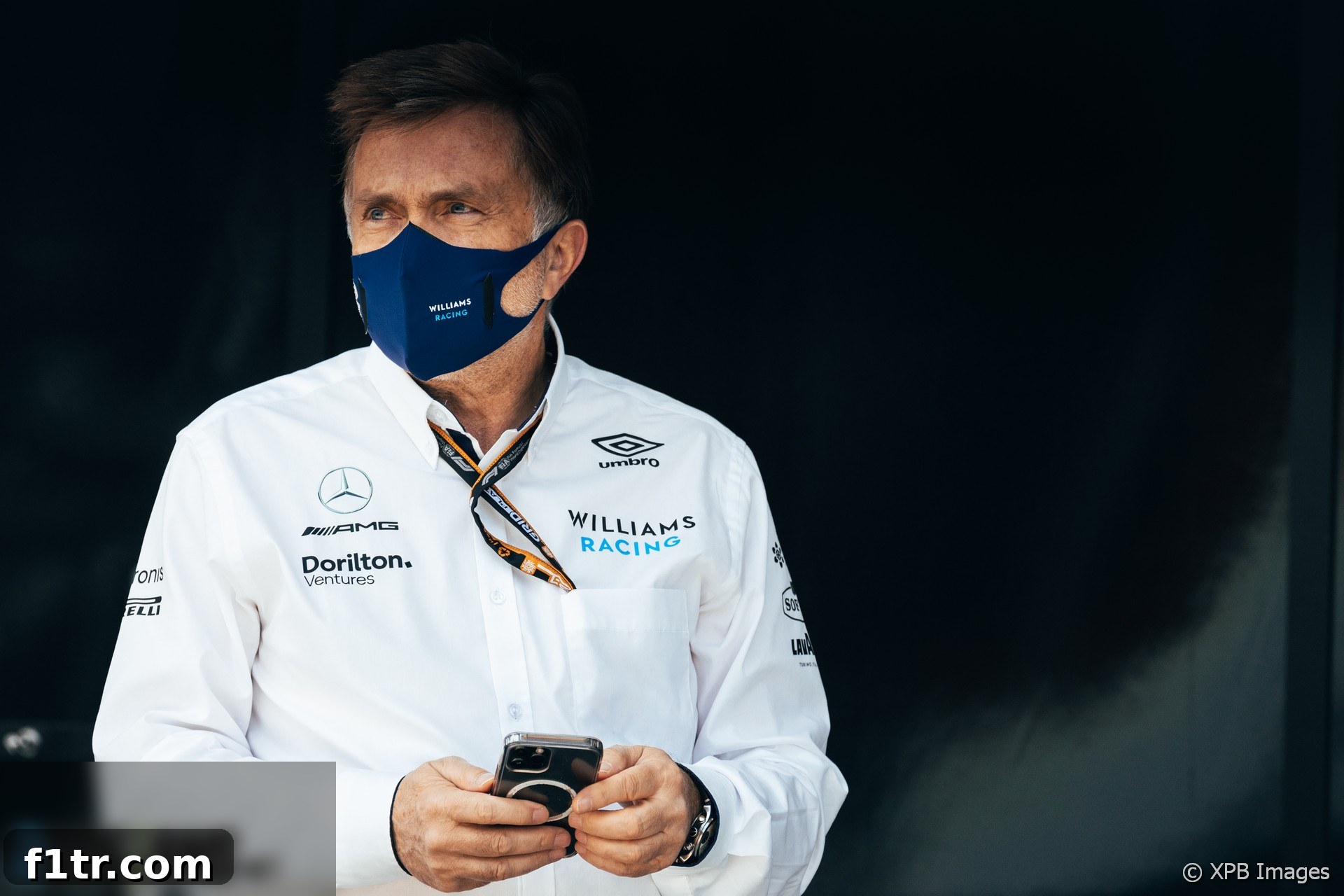
The intense rivalry defining the Formula 1 season reached a fever pitch following the Sao Paulo Grand Prix, particularly concerning a contested on-track incident between championship protagonists Lewis Hamilton and Max Verstappen. In the aftermath, the Mercedes-AMG Petronas F1 Team lodged a formal request with the FIA to review the stewards’ decision not to investigate the skirmish that occurred on lap 48. While this move stirred considerable debate and garnered both criticism and support across the paddock, Williams CEO Jost Capito emerged as a notable voice praising the FIA’s methodical approach to the matter.
Capito’s endorsement highlights the intricate balance required by the sport’s governing body when adjudicating contentious moments, especially those with direct championship ramifications. His comments underscored the importance of stringent adherence to procedural integrity, asserting that the FIA demonstrated “due diligence” in its evaluation, a sentiment that resonated with some observers given the high stakes involved in one of F1’s most compelling title fights in recent memory.
The Controversial Lap 48 Incident at Interlagos
The incident in question unfolded during a critical phase of the Sao Paulo Grand Prix. On lap 48, as Lewis Hamilton attempted an overtake on Max Verstappen for the lead, both cars ran wide at Turn 4, with Verstappen appearing to defend aggressively, forcing both off track. Crucially, no penalty or immediate investigation was initiated by the race stewards at the time, a decision that would later become the subject of Mercedes’ formal petition.
Replays of the incident, particularly onboard footage from Verstappen’s car that was not immediately available to the stewards during the race, showcased the extent of the defensive maneuver. This footage formed the core of Mercedes’ subsequent argument, positing that it constituted “significant new evidence” warranting a re-examination of the non-action taken by the race officials. The perceived lack of immediate scrutiny sparked widespread discussion among fans, pundits, and rival teams alike, drawing comparisons to previous incidents where similar maneuvers had resulted in penalties, fueling demands for greater consistency in stewarding.
Mercedes’ Plea for Review and the “Significant New Evidence” Threshold
Under the FIA’s International Sporting Code, a team has the right to request a review of a steward’s decision if “a significant new element is discovered” which was not available to the officials at the time of their original decision. Mercedes, leveraging this provision, meticulously compiled their case, presenting the previously unseen onboard camera footage from Verstappen’s car to argue that the data and visuals provided a fresh perspective on the intensity and nature of the defense, which they believed warranted a penalty for Verstappen’s driving.
The team’s motivation was clear: they believed the incident constituted a breach of sporting regulations, potentially warranting a time penalty for Verstappen, which could have altered the outcome of the race and, more critically, impacted the championship points standings. The review request placed the FIA in a challenging position, requiring a careful re-evaluation under immense public and internal scrutiny. The stewards ultimately denied Mercedes’ petition, stating that while the new evidence was indeed “new,” it was not deemed “significant” enough to overturn the original decision of no investigation. This distinction—between ‘new’ and ‘significant’—became a central point of contention and discussion, prompting questions about the criteria for such judgments.
FIA’s Diligent Process: A Defense of Procedural Integrity
The prolonged deliberation over Mercedes’ review request meant that a decision was not communicated until just before the first practice session for the subsequent Qatar Grand Prix. This delay, while frustrating for some who sought quicker resolution, was interpreted by Capito as a testament to the thoroughness of the FIA’s process. “Every team has the right to do this, what Mercedes has done, and the FIA has to take the right decisions and have to take it seriously and be very careful and sensitive, not deciding the championship by questionable decisions,” Capito stated, highlighting the weighty responsibility on the stewards’ shoulders in a tightly contested season.
He further elaborated on his view, asserting, “I think they did really due diligence, they did the job properly. I’ve read the explanation, I think that it’s very explicit, very detailed and very well done. So that’s why I think it also took time because they did excellent and detailed work and wanted to be absolutely sure that everything is according to the rules.” Capito’s comments underlined the critical importance of meticulous adherence to regulatory frameworks, particularly when the outcome could sway the destiny of a world championship. In his perspective, the time taken was a necessary investment in ensuring the decision’s legitimacy and impartiality, thereby upholding the sport’s integrity against accusations of bias or rushed judgment.
Industry Reactions and the Quest for Consistency in Stewarding
While Capito lauded the FIA’s approach, the incident and its resolution were not without criticism from other corners of the paddock. Several teams and drivers voiced concerns about the perceived inconsistency in stewarding decisions throughout the season. The long deliberations, culminating in the denial of Mercedes’ review, rekindled long-standing debates within the F1 community regarding the application of penalties for similar on-track infractions. The perceived fluidity of what constitutes a ‘racing incident’ versus a ‘punishable offense’ has been a recurring theme, often leading to frustration among competitors and fans who crave clear, predictable outcomes.
Aston Martin CEO Otmar Szafnauer, while not directly critiquing the FIA’s process, echoed a sentiment shared by many regarding the timing of penalties. He suggested that if a penalty was warranted, it should have been issued immediately during the race. “I think if they were going to give a penalty, they should have given the penalty straight away,” Szafnauer remarked. This viewpoint reflects a desire for clarity and immediacy in decision-making, which can significantly influence race strategies and, by extension, championship outcomes. The delay in the decision, even for a review, meant that speculation lingered, potentially adding an unwelcome layer of distraction to the following race weekend and fueling conspiracy theories.
Championship Implications and the Future of F1 Stewarding
The handling of the Sao Paulo incident review had profound implications, extending beyond the immediate points tally to touch upon the very fabric of championship integrity. With the 2021 season being one of the most fiercely contested in years, every decision, or lack thereof, was magnified under intense scrutiny. The FIA’s role as an impartial arbiter becomes paramount in such circumstances, and the perceived fairness of its judgments is crucial for maintaining confidence among all stakeholders, from teams and drivers to broadcasters and global fan bases.
The incident also served as a valuable case study for the future of F1 stewarding. It highlighted the challenges of real-time decision-making versus post-race analysis, the accessibility of comprehensive evidence, and the subjective interpretation of terms like “significant new evidence.” As Formula 1 continues to evolve, with ever-increasing speeds, advanced telemetry, and sophisticated camera angles, the mechanisms for incident review and penalty application will undoubtedly face ongoing refinement. The emphasis, as articulated by Capito, will likely remain on ensuring thoroughness, transparency, and consistency to safeguard the fairness of the sport’s ultimate prize and to mitigate the impact of human judgment in high-pressure situations.
Conclusion: Navigating the Complexities of High-Stakes Motorsport
The FIA’s decision to deny Mercedes’ request for a review of the Hamilton-Verstappen incident at the Sao Paulo Grand Prix was a pivotal moment in an already dramatic championship season. While the outcome may not have satisfied all parties, particularly Mercedes and their supporters, the defense offered by figures like Jost Capito provides valuable insight into the immense pressure and meticulous process undertaken by the sport’s governing body. Their aim, as articulated, was to ensure that any decision impacting the championship was beyond reproach, grounded in due diligence and strict adherence to established rules.
This episode serves as a powerful reminder of the inherent complexities in high-stakes motorsport, where split-second decisions by drivers are meticulously dissected by officials under immense public scrutiny. The quest for absolute consistency in stewarding remains an ongoing challenge, yet the FIA’s commitment to a detailed and sensitive approach, especially in the context of a title decider, underscores its dedication to maintaining the integrity and credibility of Formula 1. The debates sparked by such incidents are not merely about a single race but contribute to the continuous evolution and refinement of the sport’s regulatory framework, ensuring F1 remains a fair, thrilling, and transparent spectacle for generations to come, adapting to the demands of modern racing while upholding its foundational principles.
Further Reading on F1 Controversies and Regulations
- Examining the Evolution of F1 Stewarding Decisions and Their Impact
- How F1 Regulatory Decisions Shape Championship Integrity and Public Perception
- Understanding Driver Conduct Rules and Penalties in Formula 1
- The FIA’s Incident Review Process: Criteria, Challenges, and Controversies Explained
- Reviewing the Key Incidents and Sporting Battles of the 2021 F1 Season
Browse all Formula 1 Regulations and Incidents Articles