The dust has settled on another thrilling British Grand Prix at Silverstone, and while the race itself delivered drama and unexpected turns, a closer look at the statistics reveals a multitude of remarkable achievements, new records, and intriguing patterns shaping the 2018 Formula 1 season. From legendary drivers equalling the feats of their heroes to teams grappling with fluctuating fortunes, the weekend was a goldmine of data for any F1 enthusiast.
Unpacking the British Grand Prix: Records, Rivalries, and Resilience
The 2018 British Grand Prix was more than just a race; it was a testament to the enduring spirit of Formula 1, filled with high-octane action, strategic masterclasses, and statistical milestones. While Sebastian Vettel claimed a crucial victory, denying Lewis Hamilton a record-breaking sixth home win, the weekend was punctuated by a host of other significant moments. Drivers etched their names into the history books, either by equalling the legends who came before them or by setting new benchmarks in the sport’s rich tapestry.
Lewis Hamilton’s Silverstone Legacy: Equalling Senna and Setting New Benchmarks
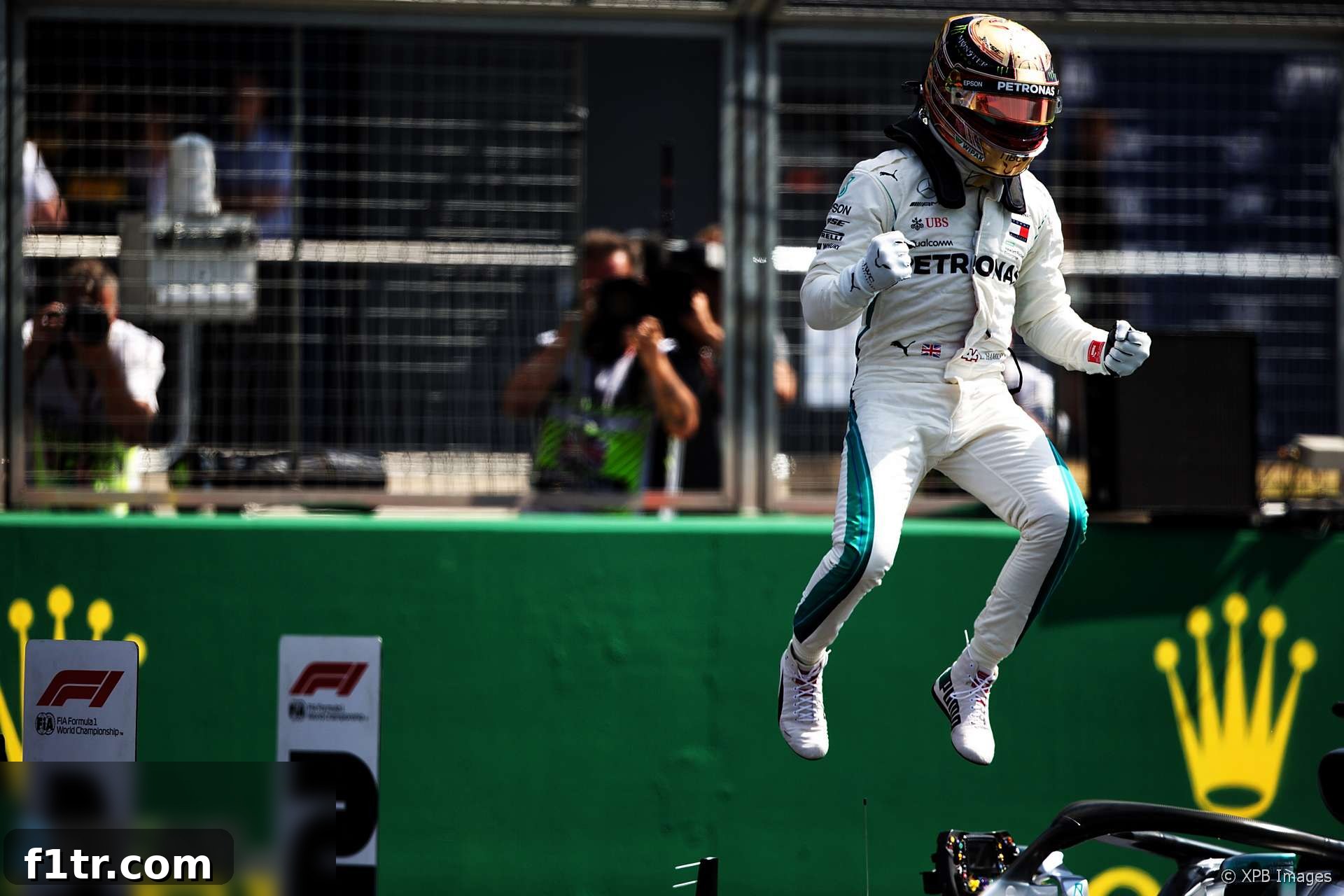
For Lewis Hamilton, the British Grand Prix is always a special occasion, and 2018 proved no different, despite the challenging race outcome. Although he narrowly missed out on a record-setting sixth win at his beloved Silverstone, Hamilton did achieve a poignant milestone, drawing level with his childhood idol, the legendary Ayrton Senna. By securing his sixth pole position at Silverstone, Hamilton matched Senna’s record for the most pole positions achieved at a driver’s home Grand Prix. Senna achieved his six home poles across two different Brazilian circuits – three at Jacarepagua and three at Interlagos – showcasing a similar mastery in front of his adoring fans. This feat underscores Hamilton’s unparalleled connection with the British circuit, a track where he consistently demonstrates exceptional pace and prowess.
Beyond the headline-grabbing pole position, Hamilton also made history in a more subtle, yet equally impressive, manner. He became the first driver in the sport’s storied history to secure eight podium finishes at the British Grand Prix. This remarkable consistency at one of Formula 1’s most iconic venues highlights his sustained excellence and dominance over a significant period. However, in the immediate aftermath of a tumultuous race that saw him involved in an opening-lap collision with Sebastian Vettel’s teammate, Kimi Raikkonen, Hamilton remained philosophical, choosing to focus on the disappointment rather than the accolades. “It doesn’t mean anything to me at the moment,” a visibly frustrated Hamilton stated, still reeling from the incident that compromised his race. “I’m not a record person so it doesn’t really hold much to me.” His reaction, while understandable given the circumstances, only serves to highlight the intense competitive spirit that drives such champions.
Vettel’s Victory and the Pursuit of F1 Immortality
Sebastian Vettel’s victory at Silverstone was not just a crucial moment in the championship battle but also a significant chapter in his illustrious career. The German driver secured his 51st career win, a monumental achievement that propelled him into an elite club, drawing level with four-time World Champion Alain Prost for third place on the all-time winners’ list. This places Vettel in truly legendary company, a testament to his sustained success and formidable talent in Formula 1. Only Michael Schumacher and Lewis Hamilton now stand ahead of him on this prestigious roster, underscoring his position as one of the sport’s all-time greats.
Vettel’s performance was comprehensive, marked by both strategic brilliance and raw pace. During the race, he also notched his 34th career fastest lap, a powerful display of his car’s speed and his ability to push the limits. This was his first fastest lap since the Mexican Grand Prix of the previous year, indicating a return to peak form and a clear signal of Ferrari’s competitive edge. The victory not only extended his lead in the drivers’ championship but also solidified Ferrari’s intent to challenge Mercedes for the constructors’ title, setting the stage for an exhilarating second half of the season.
Ferrari’s Form and Mercedes’ Dominance
Ferrari’s strong showing at Silverstone, with Sebastian Vettel taking the win and Kimi Raikkonen securing third place, marked a significant moment for the Scuderia. This double podium equalled their best result of the year, a clear indication of their growing strength and consistency throughout the 2018 season. While they continue to challenge at the front, the data also highlighted Mercedes’ unique position: the Silver Arrows remained the only team to have achieved a one-two finish so far in the championship, showcasing their inherent speed and operational excellence when all the pieces fall into place. The ongoing tussle between these two giants of Formula 1 has been a defining feature of the season, with each race weekend providing fresh insights into their respective strengths and weaknesses.
Fernando Alonso: The Enduring Icon of Formula 1
Fernando Alonso continues to defy expectations and demonstrate remarkable longevity in a sport that constantly demands peak performance. The two-time World Champion added another significant milestone to his already legendary career at the British Grand Prix, becoming only the fourth driver in F1 history to start 300 Grands Prix. While his 300th race weekend actually occurred in Canada, Silverstone served as another celebration of his incredible dedication and talent over nearly two decades at the pinnacle of motorsport. This puts him in a rare echelon of drivers, a testament to his enduring passion and competitive drive.
Looking ahead, Alonso is poised to break yet another significant record. If he chooses to return for another season in 2019, he is on track to surpass Rubens Barrichello’s record of 322 career race starts, a benchmark set between 1993 and 2011. This potential achievement would cement his place as the most experienced driver in Formula 1 history by sheer number of starts, a truly incredible feat. Furthermore, Alonso shows no signs of slowing down, particularly when measured against his teammates. He maintained his perfect qualifying record against Stoffel Vandoorne at Silverstone, out-qualifying his teammate for the tenth consecutive time in as many races this year. This pristine 10-0 record underscores his continued raw speed and ability to extract the maximum from his machinery, even in a challenging car. For comparison, Sebastian Vettel holds the next-best qualifying record against his teammate, leading Kimi Raikkonen 9-1, further emphasizing Alonso’s extraordinary consistency.
The Shifting Fortunes of Midfield and Backmarker Teams
While the front-runners battled for championship glory, the midfield and backmarker teams faced their own unique struggles and triumphs. McLaren, despite Fernando Alonso’s consistent points-scoring, found themselves in a challenging position. Alonso’s efforts contributed valuable points, but the team’s overall performance saw them lose a position in the Constructors’ Championship for the second consecutive weekend, falling to seventh place. This dip comes despite a significant overall improvement compared to the previous year, where they had only two points after ten races. In 2018, they boasted 48 points at the same stage, a truly massive leap. However, a deeper look reveals a concerning trend: 40 of those points were scored in the first five races, with only eight added in the subsequent five. This suggests a recent downturn in form or perhaps a slower development pace compared to their rivals, a worrying signal for the Woking-based outfit.
Toro Rosso also endured a difficult weekend, posting their fourth consecutive no-score. This unenviable run marked the worst streak of any team in the 2018 season, with one notable exception. That exception, of course, is Williams, who continued their arduous campaign. Their driver, Sergey Sirotkin, remains the only competitor yet to score a single championship point after the first ten races of the season. Compounding his struggles, Sirotkin hadn’t even managed to complete a single lap inside the top ten during any race, illustrating the profound challenges faced by the historic British team throughout the year.
Consistency Counts: Drivers Who Go the Distance (and the Elite Qualifiers)
The British Grand Prix also saw some critical shifts in driver consistency. Retirements for Charles Leclerc and Carlos Sainz Jnr meant that Sebastian Vettel became the sole driver in the field to have seen the chequered flag in every single race of the season thus far. This ironman consistency is a hallmark of a true championship contender. Furthermore, the world championship leader has also managed to score points in every round, highlighting his ability to always bring home valuable results, even on difficult weekends. This dual achievement underscores the reliability of both driver and machine, a crucial factor in any title challenge.
In qualifying, there was a surprising upset that broke a notable streak. Carlos Sainz Jnr, who had impressively reached Q3 at every round so far in 2018, unexpectedly failed to make it out of Q1 on Saturday. This rare misstep highlighted the intense competition in the midfield. Meanwhile, an elite group of five drivers continued their flawless record of reaching Q3 in every race this year: the Mercedes duo of Lewis Hamilton and Valtteri Bottas, the Ferrari pair of Sebastian Vettel and Kimi Raikkonen, and Red Bull’s Daniel Ricciardo. Among these consistent performers, Kimi Raikkonen holds the most remarkable streak. The Iceman achieved his 40th consecutive Q3 appearance at Silverstone, a phenomenal run stretching back to the 2016 Hungarian Grand Prix, where he last failed to progress to the final qualifying segment. This incredible consistency showcases Raikkonen’s unwavering speed and his ability to always extract competitive lap times when it matters most.
Beyond the Numbers: The 2018 Season in Context
The 2018 Formula 1 season continues to deliver an enthralling blend of individual brilliance, team strategy, and high-stakes drama. The British Grand Prix, while providing a clear winner, also offered a rich tapestry of statistical insights that paint a vivid picture of the championship battle and the fluctuating fortunes across the grid. Every record broken, every milestone reached, and every struggle faced contributes to the compelling narrative of Formula 1, keeping fans on the edge of their seats as the season unfolds.
Go ad-free for just £1 per month>> Find out more and sign up
Explore More F1 Statistics from 2018:
- 2018 F1 championship points
- 2018 F1 season records
- 2018 F1 race data
- 2018 F1 qualifying data
- 2018 F1 retirements and penalties
- 2018 F1 strategy and pit stops
Have you spotted any other interesting stats and facts from the British Grand Prix that caught your eye? Share them in the comments below and join the discussion!
Related British Grand Prix Articles:
- Hamilton equalled another Senna record at Silverstone
- 2018 British Grand Prix Star Performers
- Top ten pictures from the 2018 British Grand Prix
- Vettel denies Hamilton at home as Ferrari and Mercedes clash again
- Paddock Diary: British Grand Prix day four
Browse all 2018 British Grand Prix articles