In a world increasingly adapting to post-pandemic realities, Formula 1 driver Zhou Guanyu has openly shared his significant concerns regarding the feasibility of the 2023 Chinese Grand Prix. As the sport eyes a potential return to the Shanghai International Circuit for the first time since 2019, the lingering shadow of China’s stringent ‘zero-COVID’ policy casts serious doubt over the much-anticipated event. For Zhou, a national hero as the first Chinese driver in F1 history, the prospect of racing on home soil is a dream tinged with palpable uncertainty.
Zhou Guanyu Voices Concerns Over 2023 Chinese Grand Prix Amidst Enduring COVID-19 Restrictions
The global motorsport community, especially Formula 1, has keenly watched China’s unwavering commitment to its ‘zero-COVID’ strategy. This rigorous approach, which includes strict border controls, mandatory quarantines for international arrivals, and mass testing, has kept China largely isolated from international sporting events since the onset of the pandemic. While many nations have transitioned to living with the virus, China’s policies continue to present formidable logistical hurdles for major international gatherings, including the pinnacle of motorsport.
The Persistent Shadow of ‘Zero-COVID’ on International Events
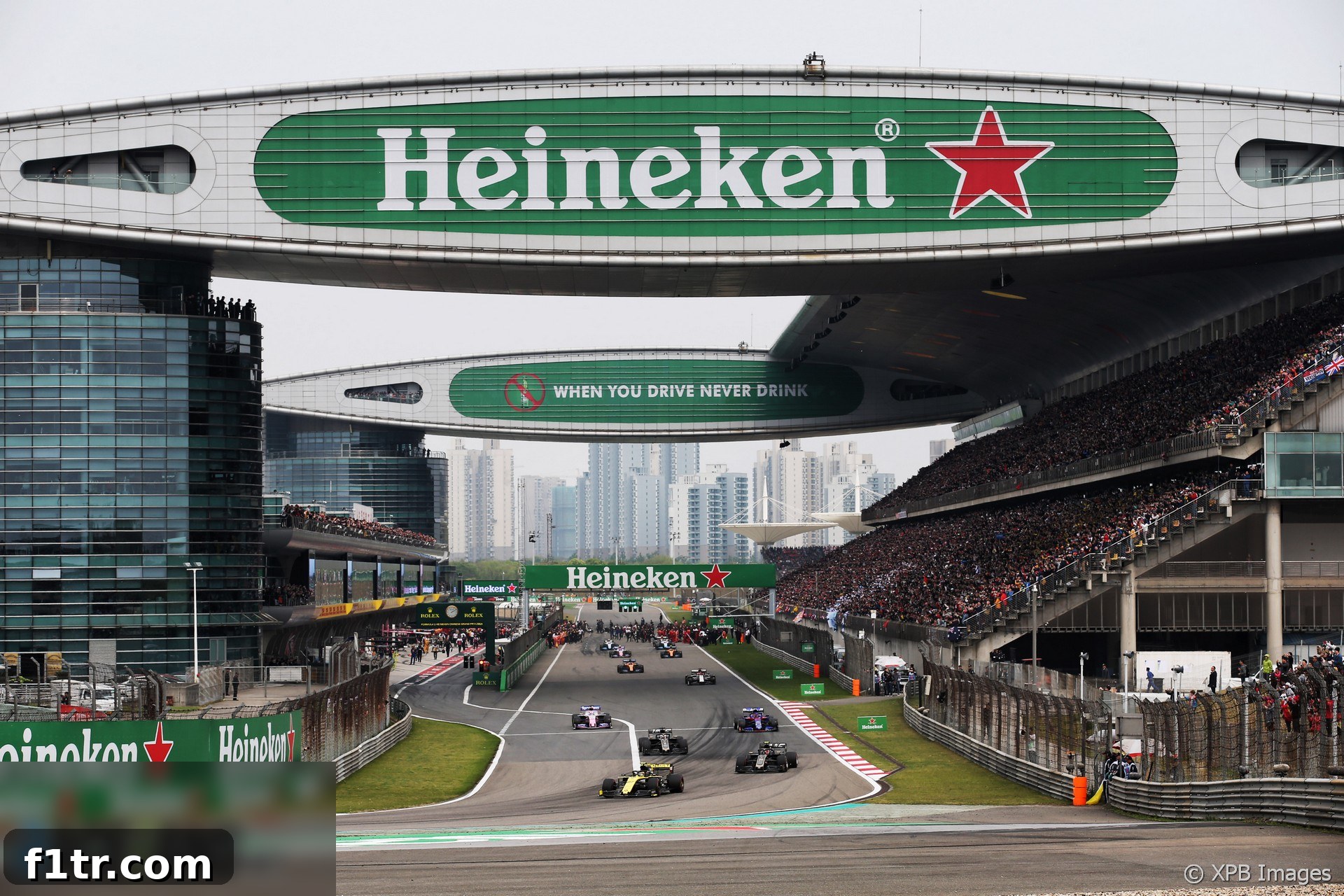
Formula 1’s last visit to China was in 2019, marking a significant hiatus for a Grand Prix that has historically been a cornerstone of the championship’s global footprint. The Shanghai International Circuit, a modern marvel designed by Hermann Tilke, is provisionally scheduled to host the Chinese Grand Prix on April 16th, 2023. However, the optimism surrounding its inclusion on the provisional calendar is tempered by the realistic assessments from F1’s top brass. Stefano Domenicali, CEO of Formula 1, recently admitted that the race’s confirmation was “not certain,” citing the complex logistical challenges posed by China’s current COVID-19 protocols.
These challenges extend far beyond simple travel restrictions. They encompass the mandatory quarantine periods for all international arrivals, which would significantly disrupt the tight schedules of F1 teams, their vast personnel, and the movement of critical equipment. Setting up a Formula 1 event requires thousands of individuals – drivers, engineers, mechanics, strategists, media, and support staff – all operating under incredibly strict deadlines. The prospect of an extended quarantine period for each team member before the event, combined with potential delays in freight, presents an operational nightmare that could make the race economically and practically unviable for Formula 1 as a whole. This level of uncertainty forces teams to plan for multiple contingencies, adding pressure and significant costs.
Zhou Guanyu’s Unwavering Dream: Racing on Home Soil
For Zhou Guanyu, the weight of expectation and personal desire to race in China is immense. Having made history in 2022 as the first Chinese driver to compete in Formula 1, a home Grand Prix would undoubtedly be the highlight of his burgeoning career and a momentous occasion for his home country. It would be a chance for millions of Chinese fans to witness their national hero compete at the highest level of motorsport on home turf, an experience that has been unimaginable for generations. In an exclusive interview, Zhou expressed a blend of excitement and realism regarding the race’s chances.
“Firstly, I think I’m super-excited – if it’s happening,” Zhou shared, his words highlighting the conditional nature of his anticipation. “It’s obviously a step forward that it’s on the calendar for next year. Hopefully, we can make it happen.” This sentiment perfectly encapsulates the delicate balance between hope and the hard realities of the global pandemic’s lingering effects on China. His debut season saw him gain invaluable experience, and a home race would be a powerful demonstration of the sport’s growing appeal in Asia.
Zhou’s personal connection to the race adds another layer of complexity. Representing his nation on the world stage, especially at a home event, would be a source of immense national pride and a powerful catalyst for motorsport growth in China. His presence alone has already ignited significant interest in F1 within the country, and a home race would amplify this phenomenon exponentially, potentially inspiring a new generation of Chinese racing talent. The uncertainty surrounding the event is therefore not just a logistical problem for F1, but a personal and national disappointment for Zhou and his legions of fans who have waited years for this opportunity.
Decoding the Calendar: Why the April Date Poses Significant Hurdles
The provisional April 16th date for the Chinese Grand Prix has been a particular point of contention and concern for Zhou. He openly admitted his apprehension the moment he saw the early-season slot on the 2023 F1 calendar, understanding the tight turnaround required.
“There’s no doubt, I knew it was always going to be tricky, the moment I saw it was for April,” Zhou explained. “I was always expecting the second half of the season to have the Chinese Grand Prix. So when I saw it was April, I knew it was going to be a big rush to make sure everything is good, because with the Covid restrictions in China, you still need to quarantine – so it’s going to make things more complicated.”
The reasoning behind Zhou’s concern is pragmatic and deeply rooted in the operational realities of Formula 1. An early-season race leaves very little room for flexibility or contingency planning. The F1 calendar is a meticulously choreographed sequence of events, with teams moving their entire operations across continents on a weekly basis, often with back-to-back race weekends. Introducing a race with such high uncertainty early in the year could derail the entire season’s logistics for all ten teams and hundreds of personnel. Furthermore, any last-minute changes or cancellations could lead to significant financial losses and disrupt the competitive rhythm of the championship.
A later date in the calendar, perhaps towards the end of the summer or in the autumn, might offer more breathing room, potentially allowing for an easing of restrictions or at least more time to adapt and plan around them. The hope would be that by then, China’s policies might have evolved, or F1 would have had more time to negotiate and implement specialized ‘bubble’ protocols, similar to what other sports have attempted. However, the packed nature of the second half of the F1 schedule also presents its own challenges for finding an alternative slot.
Shanghai’s Unwavering Dedication: A Circuit Eager to Host
Despite the formidable obstacles, Zhou remains aware of the immense effort being put forth by the local organizers. He highlighted the passion and commitment from Shanghai to bring Formula 1 back to its iconic circuit. “I’m not too much involved in that, the communication between the circuit and F1,” he admitted, “But I know at least that Shanghai is really keen and really want to make the Chinese Grand Prix happen.”
This eagerness from the Shanghai International Circuit and local authorities is a critical factor. Hosting a Formula 1 Grand Prix is a massive undertaking that requires significant financial investment, infrastructure, and coordination, involving numerous government departments and local businesses. The desire to showcase Shanghai on the global stage, to welcome international visitors, and to reignite the passion for motorsport within China is a powerful driving force for the promoters. Their dedication suggests that if a solution can be found, they will be at the forefront of implementing it, working tirelessly to meet the demanding standards of Formula 1. The question, however, remains whether their willingness and effort can ultimately overcome the overarching national health policies and their associated logistical complexities.
Beyond China: Alfa Romeo’s Crucial Constructor Battle
Away from the uncertainties surrounding the Chinese Grand Prix, Zhou Guanyu’s focus, alongside his Alfa Romeo team mate Valtteri Bottas, has been firmly on their performance in the 2022 season. As the season drew to a close with the final Grand Prix in Abu Dhabi, the battle for sixth place in the Constructors’ Championship proved to be incredibly tight and significant for the team’s future prospects.
Alfa Romeo found themselves just five points ahead of a resurgent Aston Martin team, a margin that underscored the importance of every single point scored throughout the season. Achieving a higher position in the Constructors’ Championship translates directly into substantial financial rewards from Formula 1’s prize money distribution, which is absolutely crucial for smaller, independent teams like Alfa Romeo to invest in future car development, attract and retain top talent, and maintain competitiveness in an increasingly costly sport. Furthermore, a stronger championship standing significantly boosts team morale, making it easier to recruit engineers and foster a winning mentality.
Zhou credited late-season upgrades introduced by the team at the United States Grand Prix in Austin as a pivotal factor in their ability to fend off Aston Martin’s aggressive challenge. “It was great to have the one we had in Austin, it really seems to be working,” Zhou confirmed. “Basically Aston Martin is really catching up. They had upgrades for the two Asian races, so that put us under pressure, but the new package seems to be working and we seem to be quite strong again. So hopefully that can lead us into a good finish.” This strategic upgrade package demonstrated the team’s relentless pursuit of performance and their determination to secure the best possible outcome in a highly competitive midfield, highlighting the relentless development race that defines Formula 1.
The Broader Implications for Formula 1’s Global Footprint
The potential cancellation or postponement of the Chinese Grand Prix carries broader implications for Formula 1’s strategic ambitions and global footprint. China represents a colossal market for F1, not just in terms of viewership and potential fan engagement, but also for commercial partnerships, sponsorship opportunities, and the future development of motorsport talent. The absence of a race for four consecutive years could significantly hinder the sport’s growth and market penetration in this vital region, potentially losing momentum gained over decades.
F1 has consistently aimed to expand its global appeal, and a strong presence in Asia, particularly China, is integral to that vision. The ongoing uncertainty thus impacts not only the 2023 calendar but also the long-term strategic planning for the sport, forcing F1 management to re-evaluate its approach to such a crucial market. The commercial vacuum left by the Chinese Grand Prix also affects revenue streams for the sport and its teams, putting additional pressure on finding alternative, viable venues.
Moreover, the situation highlights the delicate balance Formula 1 must strike between its commercial interests and the realities of global health and geopolitical landscapes. While the sport has shown remarkable adaptability throughout the pandemic, pioneering ‘bubble’ concepts and streamlined operations, some regions continue to present unique challenges that test the limits of its operational flexibility. The outcome of the Chinese Grand Prix situation will undoubtedly set a precedent for how F1 navigates similar complexities in the future, particularly in markets with distinct national policies and health regulations.
What Lies Ahead: Potential Scenarios for the Chinese Grand Prix
As the April date draws closer, several scenarios could unfold for the 2023 Chinese Grand Prix, each with significant repercussions. The most straightforward, albeit disappointing, outcome would be an official cancellation, mirroring previous years. This would likely be due to an inability to meet F1’s stringent logistical requirements within China’s ‘zero-COVID’ framework, especially concerning the mandatory quarantine for team personnel and the seamless movement of freight. A cancellation would leave a gap in the calendar, which F1 might try to fill with another race, though finding a suitable replacement at such short notice, capable of hosting a Grand Prix, is incredibly difficult and costly.
Another possibility is a postponement to later in the season. This would align with Zhou’s initial expectation and could provide more time for either China’s policies to soften or for F1 to negotiate a highly specialized ‘bubble’ arrangement that satisfies all health and safety protocols while allowing the event to proceed. However, the existing F1 calendar is already packed, making it extremely challenging to slot in a postponed race without significant disruption to other events or an unwelcome extension of the season.
The least likely, but most hoped-for scenario, would be a dramatic and unexpected relaxation of China’s COVID-19 restrictions, specifically concerning international arrivals and quarantine requirements, just in time for the Grand Prix. While recent signals from China indicate a gradual re-evaluation of its strict policies and a move towards living with the virus, a significant enough shift to accommodate a full F1 Grand Prix by April remains highly improbable given the speed at which such sweeping changes typically occur and the monumental scale of commitment required for an F1 event. Ultimately, the decision will hinge on ongoing, high-level discussions between Formula 1 management, the FIA, and the Chinese authorities, balancing public health and safety with the practicalities and commercial imperatives of staging a world-class sporting spectacle.
Zhou Guanyu’s candid reflections underscore the profound impact of global events on the highly competitive world of Formula 1. While his dreams of a home Grand Prix hang in the balance, his professionalism on track, particularly in helping Alfa Romeo secure a valuable sixth place in the Constructors’ Championship, remains undiminished. The motorsport world will be watching closely as the fate of the 2023 Chinese Grand Prix unfolds, hoping for a resolution that allows the sport to return to one of its most important markets.