The Dawn of a New Era: Unpacking Formula 1’s Transformative 2022 Technical Regulations
Formula 1 embarked on an exhilarating journey into the unknown with the advent of its 2022 season, driven by a radical overhaul of its technical regulations. This monumental shift represented far more than a simple tweak to the rulebook; it ushered in a complete rethinking of how racing machines are designed, particularly concerning aerodynamics, and promised to reset the competitive order. While the complex hybrid power units and intricate drivetrains remained largely unchanged from the preceding era, teams faced an unprecedented challenge to master an entirely new aerodynamic philosophy. The stakes were incredibly high, with the potential for a seismic shift in the hierarchy that had defined F1 for the better part of a decade. Many teams, especially those outside the perennial front-runners, viewed these regulations as their golden opportunity to vault to the pinnacle of the sport.
For the eight seasons leading up to 2022, Mercedes-AMG Petronas F1 Team had been the undisputed benchmark, establishing an unparalleled era of dominance since the introduction of the V6 hybrid turbo power units in 2014. Their closest rivals, Red Bull Racing and Scuderia Ferrari, invested immense resources and strategic ingenuity in their relentless pursuit, achieving varying degrees of success in closing the performance gap. While the 2021 season delivered one of F1’s most thrilling and closely fought championship battles in years, the looming regulatory revolution held the promise – or threat – of an entirely new landscape, potentially placing a different team at the forefront, perhaps even with a substantial lead. The critical questions loomed: how likely was such a dramatic reshuffle, and if it occurred, how swiftly could the established giants adapt and respond?
Historical Precedents: Lessons from Past Transformations
Formula 1’s history is punctuated by periodic revisions of its technical regulations, each designed to address specific goals, from improving safety to enhancing competition. Examining the outcomes of the last two major overhauls provides invaluable insights into how the 2022 changes might unfold and what impact they could have on the sport’s competitive dynamic.
2014: The Dawn of the V6 Hybrid Turbo Era
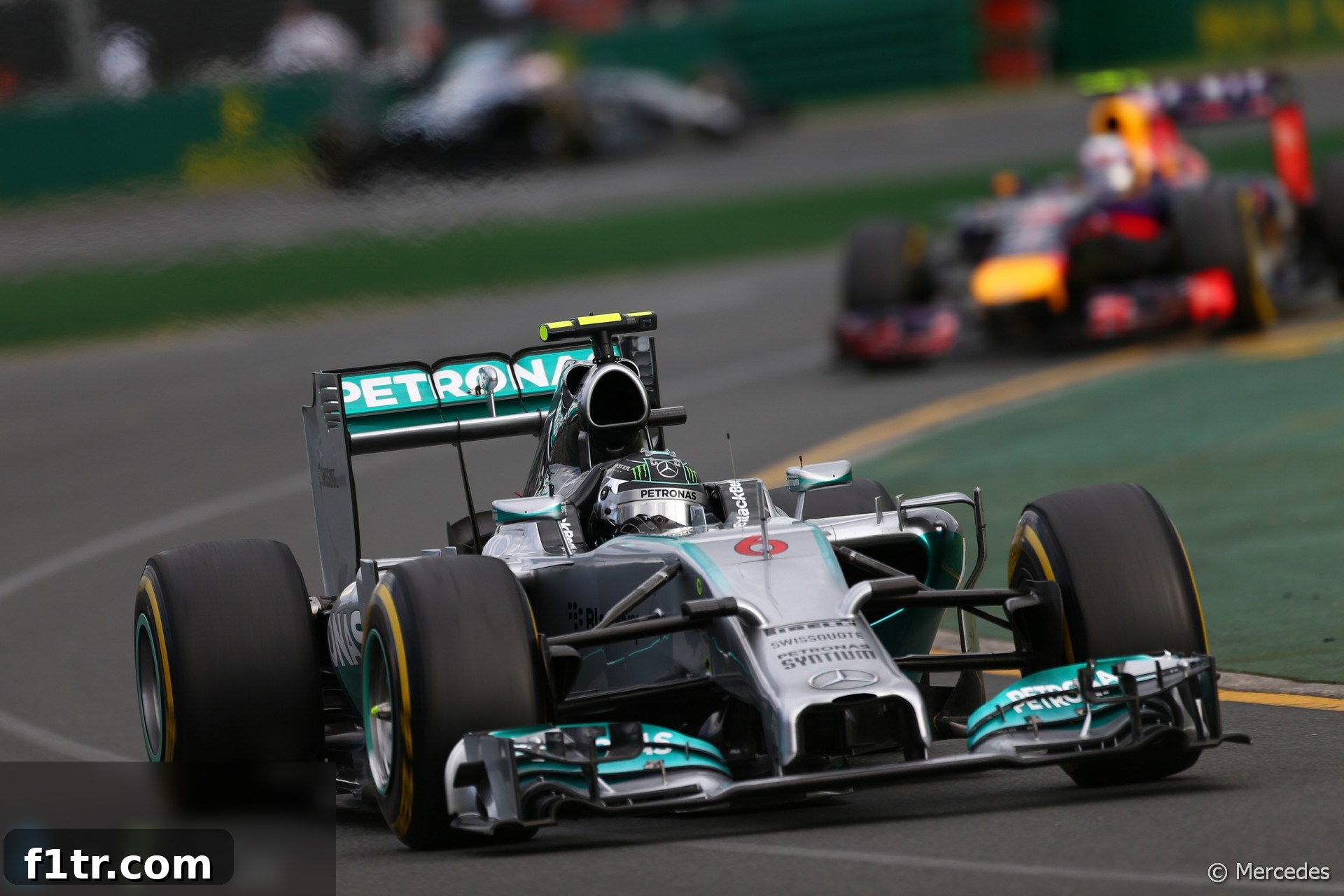
The introduction of the highly complex V6 hybrid turbo power units in 2014 represented arguably the most profound shake-up to Formula 1’s playing field in modern memory. Prior to this, teams relied on normally aspirated V8 engines, complemented by a comparatively mild hybrid component. While the transition from V10s to V8s in 2006 did cause some shifts, it pales in comparison to the dramatic reordering triggered by the hybrid turbos. From the outset of 2014, the Mercedes V6 hybrid turbo proved to be the ultimate weapon. Its unparalleled blend of performance, fuel efficiency, and reliability immediately set it apart.
No team embodied the impact of this new era more vividly than Williams. Powered by Renault in 2013, they languished in ninth place in the Constructors’ Championship. A year later, with Mercedes power, they rocketed to fourth, demonstrating the sheer potency of the Stuttgart-manufactured power unit. On average, Williams found themselves closer to Mercedes on outright lap time than any other rival throughout 2014, albeit still facing a significant deficit of approximately 0.9%. This figure starkly highlighted the disparity, especially when contrasted with the 2013 season, where four teams achieved average lap times quicker than that margin, underscoring the vastly superior competitiveness of the grid before the hybrid era truly took hold. Mercedes’ manufacturer rivals – Ferrari, Renault, and later Honda – embarked on a protracted and often frustrating journey to match the benchmark set by the German manufacturer, a pursuit that would define the next several seasons of Formula 1. Even as Ferrari began to close the power gap in 2015, the continued strong performance of other Mercedes-powered customer teams like Williams and Force India served as a constant reminder of the three-pointed star’s enduring advantage.
2017: Wider Cars and Aerodynamic Freedom
Another significant regulatory shift occurred at the conclusion of the 2016 season, primarily focused on aerodynamic modifications. This overhaul saw cars become significantly wider, coupled with increased freedom for teams to generate downforce through innovative aerodynamic designs. The immediate consequence was a dramatic increase in car performance, with lap times plummeting by five seconds per lap or even more at certain circuits, making these some of the fastest Formula 1 cars ever seen. The midfield had been gradually catching the front runners in the seasons prior, setting the stage for these changes.
Scuderia Ferrari proved adept at exploiting the opportunities presented by these new rules. They managed to substantially cut their performance deficit to Mercedes, reigniting hopes for a genuine championship challenge. For the first time in four years, Lewis Hamilton found himself locked in an intense title fight with a formidable opponent from outside his own team, in the form of Sebastian Vettel. Though Hamilton ultimately secured the championship with two races to spare, Ferrari’s resurgence injected much-needed excitement into the sport. However, while these enhanced aerodynamic regulations undoubtedly sharpened the competition at the very front of the grid, they did not universally benefit all teams. For the midfield contenders, the gap to the front-runners actually widened, illustrating how complex aerodynamic regulations often favor teams with greater resources and a deeper understanding of the new rulebook. Even a top team like Red Bull Racing initially struggled to fully master the intricacies of the new aerodynamic philosophy, though by the latter half of 2017, they had begun to demonstrate a clear recovery in performance.
The 2022 Revolution: The State of Play and Anticipated Impact
The period leading up to 2022 had seen a gradual convergence, with midfield teams narrowing the gap to the front-runners to levels not witnessed since the twilight of the V8 era. This increased competitiveness allowed teams like McLaren, Alpine (formerly Renault and Lotus), AlphaTauri (formerly Toro Rosso), and Racing Point (now Aston Martin) to occasionally challenge for podiums and even snatch unexpected victories. This backdrop set the stage for the 2022 regulations, prompting widespread speculation: could these new rules elevate one of these midfield outfits to truly challenge the established order? Could they even overhaul Mercedes, who secured their eighth consecutive Constructors’ Championship in 2021, and Red Bull, who propelled Max Verstappen to his maiden Drivers’ title? The tantalizing question was whether any team could replicate the kind of sustained, dominant advantage that Mercedes enjoyed from the start of 2014.
Key Aspects of the 2022 Regulations
Several factors suggested that while significant, the 2022 disruption might not echo the far-reaching competitive reordering witnessed in 2014. Critically, the power unit regulations remained largely untouched, signifying that the fundamental heart of the car—the engine—was stable. This dramatically reduced the likelihood of a power unit disparity creating a multi-season competitive chasm, unlike the situation following the 2014 changes which persisted for three years. The aerodynamic modifications of 2017, for instance, demonstrated that even substantial aero rule changes could weaken a dominant team’s grip without entirely overturning the established order, hinting at a potentially less radical outcome for 2022.
Furthermore, a unique dynamic influenced the preparation for 2022: the intense, down-to-the-wire championship battle of 2021. Both Mercedes and Red Bull, the pace-setting teams, were deeply preoccupied by a title fight that went to the final lap of the final race. This inevitably diverted significant resources and attention away from their 2022 development projects. Mike Elliott, Mercedes’ technical director, acknowledged this immense challenge in a video released by the team yesterday: “Last year we were fighting for a championship and we needed to make sure that we did a good job with that and we also did a good job with this year’s car. That was a big challenge particularly now the regulations are such that we’ve got a cost cap, we’ve also got very limited runs in the wind tunnel. So we had to choose really carefully what resource we spend on the ’21 car versus what we resource we spent on the ’22 car.” This strategic dilemma—balancing immediate championship aspirations with long-term regulatory compliance and development—was unprecedented.
The introduction of the budget cap in 2021, coupled with a sliding scale for aerodynamic testing restrictions, further complicated matters. These new rules, which saw teams facing tighter wind tunnel restrictions, were based on a team’s championship finishing position from two years prior, meaning that successful teams like Mercedes and Red Bull had less development resource available than their midfield counterparts. For instance, Mercedes, as the 2020 champions, were permitted less wind tunnel and CFD (Computational Fluid Dynamics) time than Red Bull, who in turn had less than McLaren, and so on, down to last-placed Williams. Elliott openly admitted that this, combined with a general reduction in permitted development, presented a “big challenge over the winter” for Mercedes. “That’s been challenging, trying to work out how much we should have spent on last year’s car versus how much we should have spent on this year’s car,” he explained.
Crucially, the 2022 regulations were meticulously designed, in part, to deliberately reduce teams’ aerodynamic freedom. The intent was to limit the scope for any single team to produce a groundbreaking design masterpiece that would leave rivals trailing by a second per lap. The rules mandated simplified front wings, an entirely new ground effect philosophy, and a move towards standardized components, all aimed at promoting closer racing by reducing the disruptive “dirty air” effect.
The Engineering Challenge and Future Outlook
All these converging factors meant that the world champions, and indeed their primary rivals, approached the season-opener in Bahrain with a profound sense of uncertainty regarding their true competitive standing. As Elliott articulated, “In most years where we’ve got carry-over regulations, you’ve got a pretty good idea what good looks like. You know what sort of gains you need to make from the previous year’s car and you can sort of work on a direction of just fine tuning, finding all those incremental gains that are going to make you a little bit quicker.” The 2022 regulations, however, stripped away this familiar benchmark. “When you’ve got a brand new set of regulations, you don’t know what the limit is, you don’t know where you can get to,” he continued. “And that’s exciting for engineers, it’s an exciting challenge to work out what the opportunity might be and to try and explore all these opportunities and try and do that in a better way than the opposition does.” This encapsulates the thrill and terror of a blank slate, a true test of engineering prowess and strategic foresight.
The 2022 Formula 1 season truly marked a pivotal moment, a testament to the sport’s constant evolution. With its radical regulations aimed at fostering closer competition and promoting fresh talent, the grid was set for unpredictable outcomes. While history offered clues, the unique blend of new aerodynamic concepts, financial constraints, and strategic development choices ensured that every team began the year with both immense hope and a degree of apprehension. The stage was set for a championship where ingenuity and adaptability would be the ultimate determinants of success, promising an electrifying new chapter in Formula 1’s storied history.