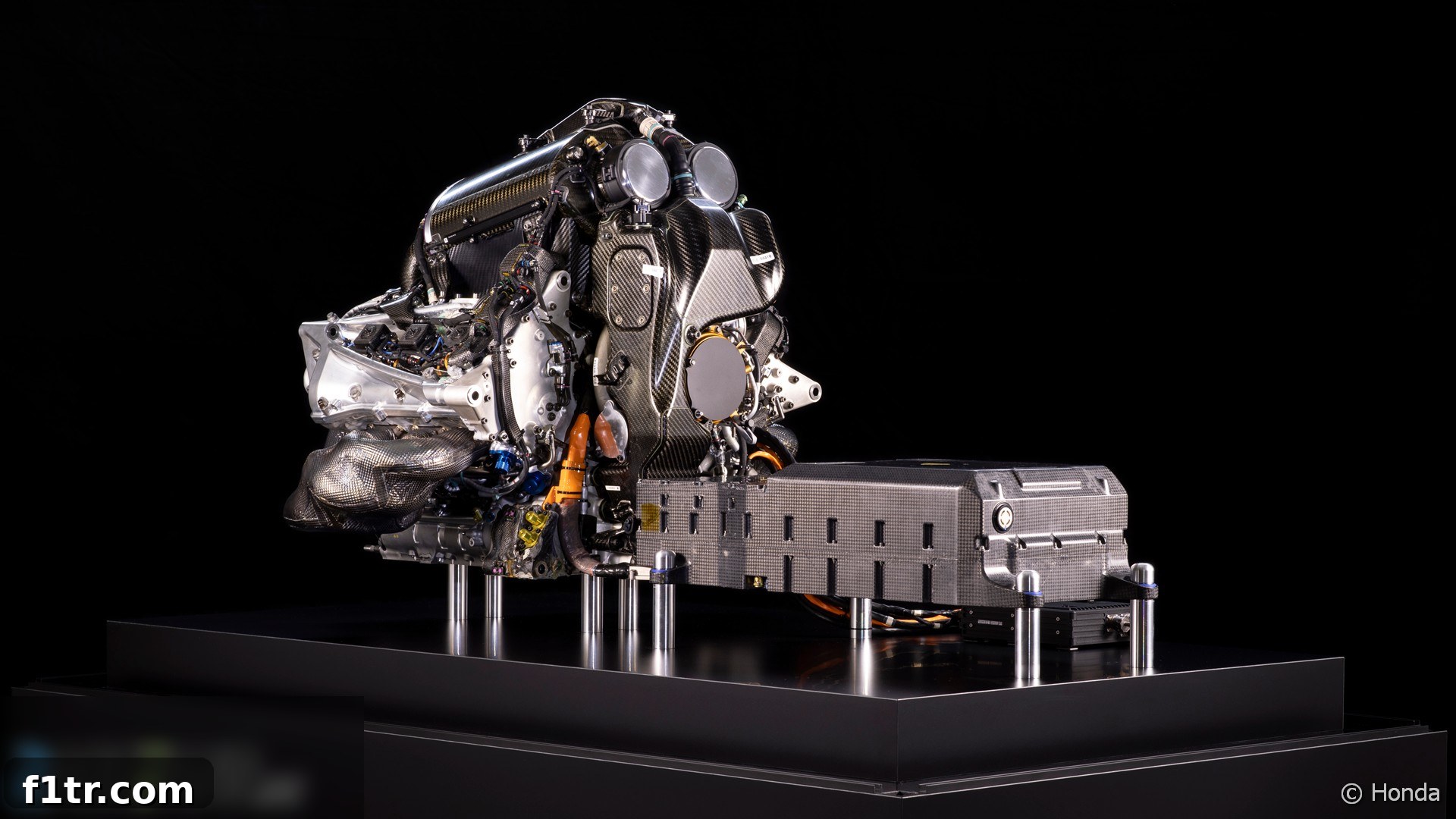
Formula 1’s Electrifying Future: Unveiling the FIA’s Transformative 2026 Power Unit Regulations
Formula 1, the pinnacle of motorsport, is poised for a monumental shift with the confirmation of its new power unit regulations for the 2026 season. The Fédération Internationale de l’Automobile (FIA) has meticulously detailed its vision, signaling a profound “shift of focus to electrical power” as the sport embraces a more sustainable, cost-efficient, and technologically relevant future. This strategic overhaul is designed not only to propel F1 into a new era of environmental responsibility but also to open its doors wider to new manufacturers, promising an even more competitive grid.
Advert | Become a Supporter & Go Ad-Free
The upcoming regulations address several critical areas, primarily focusing on three key pillars: significantly reducing the cost of power unit development, introducing a stringent budget cap for manufacturers, and creating an environment where new entrants can compete effectively. While a budget cap for teams was successfully implemented in 2021, power unit development remained an exempted area, leading to an escalating arms race among engine suppliers. The 2026 rules aim to extend this philosophy of financial prudence to the heart of F1’s technological innovation.
The Evolution of the Power Unit: Hybrid Prowess and Sustainable Fuel
At the core of the 2026 regulations is a commitment to evolving the existing 1.6-litre V6 turbo hybrid architecture, but with substantial modifications. While the Internal Combustion Engine (ICE) remains a fundamental component, its role will be balanced by a dramatically increased emphasis on electrical power. Crucially, these sophisticated power units will run on 100% sustainable fuels, marking a significant stride towards F1’s net-zero carbon footprint target by 2030 and showcasing its dedication to environmental leadership.
A Dramatic Surge in Electrical Power
One of the most striking changes is the near-tripling of electrical power produced by the hybrid systems. The current power units generate approximately 120kW (160 hp) from their electrical components. Under the new rules, this figure will surge to an impressive 350kW (approximately 470 hp). This substantial increase signifies a profound shift in the power unit’s balance, placing a much greater reliance on electrical energy recovery and deployment. This enhanced electrical output not only boosts performance but also aligns Formula 1 more closely with the rapidly evolving road car industry, where electrification is paramount.
Farewell to the MGU-H: Simplicity and Accessibility
To achieve cost reduction and enhance accessibility for potential new manufacturers, the expensive and highly complex Motor Generator Unit – Heat (MGU-H) system will be entirely dispensed with. The MGU-H, responsible for recovering energy from the exhaust gases and feeding it back into the hybrid system, has been a technological marvel but also a significant barrier to entry. Its intricate design and development costs have been astronomical, making it a formidable challenge for any new manufacturer without decades of F1 experience. The removal of the MGU-H simplifies the power unit architecture, making it more straightforward to develop and integrate, thus lowering the financial and technical hurdles for prospective engine suppliers.
The Dawn of 100% Sustainable Fuels
The commitment to 100% sustainable fuels represents a pioneering move for Formula 1. These advanced fuels will be either synthetic (e-fuels) or bio-fuels, derived from sustainable sources and produced using processes that capture carbon from the atmosphere. This initiative not only addresses F1’s environmental impact but also positions the sport as a vital research and development platform for future road car technologies. By demonstrating the viability and performance of sustainable fuels at the highest level of motorsport, F1 aims to accelerate their adoption in mainstream automotive applications, contributing to a cleaner global transport sector.
Economic Viability and Attracting New Blood
Beyond the technical specifications, the 2026 regulations are heavily focused on reshaping the economic landscape of power unit development in Formula 1. The introduction of a dedicated budget cap for power unit manufacturers is a game-changer, designed to curb the runaway spending that has characterized engine development in recent decades. This cap will foster a more level playing field, preventing a situation where financial might alone dictates performance.
The FIA’s explicit aim is to “make it possible for [newcomers] to join the sport at a competitive level.” For years, the prohibitive costs and immense technical complexity of F1 power units have deterred potential new entrants, leaving the sport with a limited number of engine suppliers. However, the simplified regulations, the removal of the MGU-H, and the new cost cap significantly reduce the barriers to entry. This concerted effort is particularly aimed at enticing major automotive groups, such as the Volkswagen Group brands Porsche and Audi, who have openly expressed interest in joining Formula 1 if the regulations align with their corporate strategies and sustainability goals. The prospect of these giants entering the sport promises to inject new dynamism, innovation, and fan engagement.
The Broader Impact: Road Relevance and Future Innovation
The 2026 power unit regulations are not merely about internal F1 mechanics; they reflect a broader vision for motorsport’s role in global innovation and sustainability. The increased electrical component, coupled with the mandatory use of sustainable fuels, enhances the sport’s “road relevance.” Technologies developed and perfected on the F1 track, from advanced battery management systems to highly efficient hybrid powertrains and environmentally friendly fuels, can directly translate into innovations for consumer vehicles. This synergy between motorsport and the automotive industry reinforces F1’s position as a cutting-edge technological incubator.
While some fans might have concerns about potential changes to the engine sound with increased electrical power, the focus remains on delivering exhilarating racing while pushing the boundaries of engineering. The challenge for engineers will be immense, tasked with extracting maximum performance from a new balance of ICE and electrical power, all while adhering to strict cost controls and sustainability mandates.
The Road Ahead: Detailing the Future
The FIA is currently in the process of drawing up the detailed specifications for these transformative 2026 power unit rules. These comprehensive regulations will then be submitted to the World Motor Sport Council for final approval early next year. This meticulous process underscores the complexity and importance of these changes, ensuring that every aspect is thoroughly considered to guarantee a robust and exciting future for Formula 1.
In parallel to the 2026 plans, the FIA also confirmed refinements to the technical regulations for next year had been agreed, demonstrating an ongoing commitment to evolving the sport and ensuring fair and competitive racing across all seasons. However, the overarching narrative is firmly fixed on 2026, which promises to be a watershed moment for Formula 1, redefining its technological prowess, environmental credentials, and accessibility for a new generation of manufacturers and fans.
The 2026 power unit regulations represent Formula 1’s bold stride towards a more sustainable, economically viable, and technologically relevant future. By embracing enhanced electrical power, pioneering sustainable fuels, and fostering a more welcoming environment for new manufacturers, F1 is not just adapting to the future; it is actively shaping it, promising a spectacle of innovation and thrilling competition for years to come.
Don’t Miss Anything New From RaceFans
Follow RaceFans on social media to stay updated with the latest Formula 1 news and insights:
- Join RaceFans on Facebook
- Follow RaceFans on Twitter
- Get daily email updates from RaceFans
Advert | Become a RaceFans supporter andgo ad-free
Related Formula 1 Articles & Insights
Explore more discussions and news related to Formula 1 regulations and the future of the sport:
- Understanding F1’s Technical Evolution
- F1’s Push for Sustainability and Green Tech
- News on Potential New F1 Manufacturer Entries
- The Impact of F1’s Financial Regulations
- Exploring Hybrid Power Unit Development in F1
Browse all F1 regulation articles