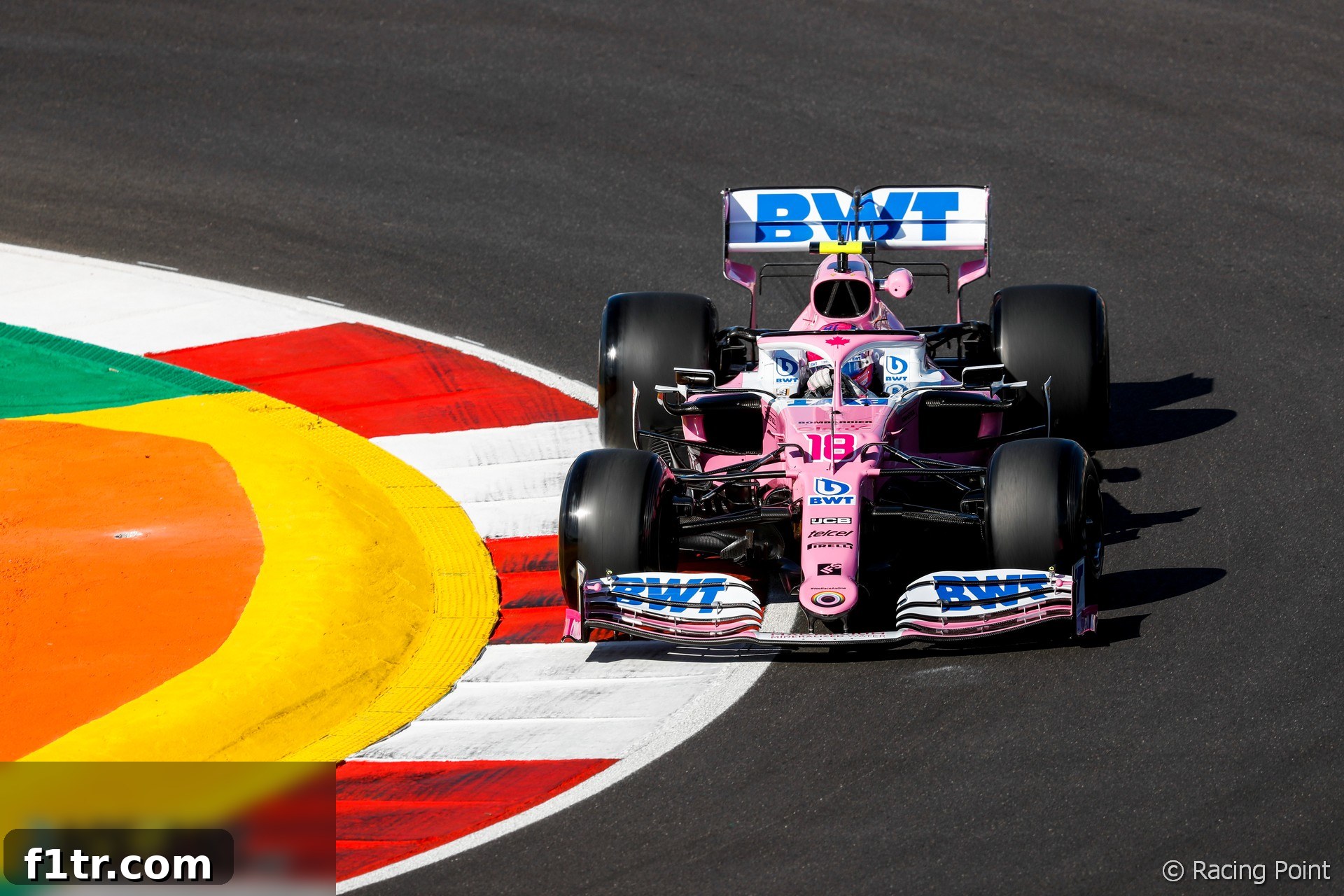
Lance Stroll Unpacks Practice Collision with Max Verstappen: A Case of Misread Intentions
A recent Formula 1 practice session saw an unexpected turn of events as Aston Martin driver Lance Stroll and Red Bull Racing’s Max Verstappen made contact on track. The incident, which occurred during the critical second practice session of a Grand Prix weekend, briefly halted both drivers’ programs and prompted an immediate review by the race stewards. Stroll has since offered a detailed explanation of the collision, attributing it to a fundamental misunderstanding between the two competitive drivers regarding their respective intentions on the circuit.
The contact unfolded at Turn 1, a challenging section of the track known for its high entry speed and the demand for precise braking and steering inputs. Verstappen, who was seemingly looking to overtake, found himself alongside Stroll just as the Canadian committed to the corner. The subsequent impact, though not severe enough to cause major damage or significant injury, was a clear disruption and a stark reminder of the fine margins and constant communication challenges inherent in elite motorsport.
Advert | Become a Supporter & go ad-free
Anatomy of the Incident: A Communication Breakdown on Track
Stroll’s account of the incident paints a picture of crossed wires rather than aggressive intent. He explained that the sequence of events began several corners earlier when Verstappen courteously allowed him to pass. This is a common practice in F1, where drivers manage track traffic and respect each other’s flying laps. However, the crucial point of divergence came immediately after: Verstappen, it appears, did not anticipate that Stroll intended to launch into a second consecutive fast lap after crossing the start/finish line. This misinterpretation of Stroll’s next move became the catalyst for the subsequent entanglement.
“We just had contact into Turn 1, it was unfortunate,” Stroll articulated to the media following the session. He further elaborated on the core issue: “I don’t think he was expecting me to be on a second push lap, and I wasn’t expecting anyone to be racing me into Turn 1.” This statement perfectly encapsulates the challenge of F1 practice sessions, where drivers are often on different programs, leading to varying speeds and track objectives that are not always immediately apparent to others.
The Aston Martin driver candidly admitted that his focus was elsewhere in the moments leading up to the collision. “He let me through into the last corner, and I expected him to take a gap,” Stroll recounted. “I was busy looking at some things on my dash down the main straight. Once I looked up, I was just focused on the corner. I didn’t expect anyone to be alongside me, and I don’t think he expected me to be on a second push. So an unfortunate end to the day.”
This insight underscores the incredible multitasking demanded of Formula 1 drivers. While traveling at breakneck speeds, they are not only physically wrestling with their machines but also constantly processing a wealth of data displayed on their steering wheel. Adjusting engine modes, monitoring tire temperatures, managing brake bias, and overseeing energy recovery systems all require fleeting glances at the ‘dash’. Stroll’s revelation highlights how a momentary shift in attention, even for vital information, can have immediate and dramatic consequences when another car is in close proximity on a racing circuit.
Max Verstappen’s Implicit Perspective and Practice Session Dynamics
While direct quotes from Max Verstappen immediately after the incident were less publicized, his likely perspective can be inferred from the standard operating procedures and competitive ethos of Formula 1. Verstappen, renowned for his uncompromising racing style and an insatiable drive for performance, would undoubtedly have been focused on optimizing his own track time and understanding the limits of his Red Bull machine. After yielding to Stroll, he would have reasonably expected Stroll to either pit, cool down, or reduce pace, especially if no clear indication of a continuous push lap was communicated or apparent.
The inherent dynamics of free practice sessions contribute significantly to these types of misunderstandings. Teams often run varied programs simultaneously; some drivers might be conducting long-run simulations for race pace, others practicing qualifying laps, some performing aerodynamic tests, and still others focusing on tire degradation studies. This creates a highly fluid and often unpredictable environment where substantial speed differentials between cars are common. Accurately anticipating another driver’s next move becomes an ongoing challenge, making constant vigilance and clear communication, both internal (team to driver) and external (driver to driver via track etiquette), absolutely essential.
The Stewards’ Adjudication: A Common ‘Racing Incident’ Verdict
In the aftermath of the collision, the race stewards promptly initiated a formal investigation, a standard protocol for any on-track contact that has the potential to merit a penalty. The investigation process is thorough, typically involving a meticulous review of onboard camera footage from both vehicles, analysis of telemetry data to ascertain speeds and braking points, and interviews with the involved drivers and their respective team managers. The primary objective is to determine if any specific sporting regulations were contravened or if one driver was predominantly at fault.
Following their comprehensive review, the stewards ultimately concluded that neither driver was “largely to blame” for the incident, opting against issuing any penalties. This decision effectively categorizes the event as a ‘racing incident’ within the specific context of a practice session. Such a verdict acknowledges a shared responsibility stemming from a mutual misunderstanding rather than a deliberate infraction or gross negligence by a single party. These types of outcomes are relatively common in F1, particularly during free practice, where drivers are routinely pushing their limits and exploring various track scenarios that might differ from race conditions.
Stroll confirmed the expeditious resolution of the matter, noting, “We already went to the stewards and cleared the air, it’s all good.” This statement reflects a pragmatic and professional approach from all parties. It signifies an acceptance that such incidents, while undesirable, are an understandable component of a highly competitive and dynamic environment. The capacity of drivers to swiftly move past such occurrences, particularly when officially cleared, is crucial for maintaining their mental focus and preparing effectively for the remainder of the demanding race weekend.
Broader Implications: Practice Collisions in the World of F1
While the collision between Stroll and Verstappen resulted in no penalties and appeared to be a relatively minor contact, practice incidents in Formula 1 carry significant ramifications. Firstly, they inevitably lead to lost track time. Both drivers would have had their carefully planned practice programs disrupted, potentially missing opportunities to gather crucial data, refine car setups, or conduct specific test runs. In a sport where every fraction of a second and every byte of data is meticulously analyzed, such interruptions can prove exceptionally costly for a team’s preparation and competitive edge.
Secondly, there is the inherent financial impact. Even seemingly minor contact can result in damage to the exquisitely engineered and extraordinarily expensive components of an F1 car. Delicate aerodynamic parts, suspension elements, or gearbox internals can sustain damage. Repairs, regardless of their scale, can place strain on already tight team budgets and divert the invaluable attention of engineers from performance optimization tasks to urgent damage control. While Red Bull and Aston Martin are well-resourced teams, a cumulative tally of repair costs over a season can be substantial.
Furthermore, practice incidents serve as a poignant reminder of the inherent dangers and formidable challenges that define Formula 1. Drivers are perpetually operating at the very edge of physics and human capability. The high-speed environment, coupled with the divergent objectives of twenty cars simultaneously on track, necessitates a level of extreme vigilance and an unspoken adherence to track etiquette. When these fail, even momentarily, incidents become unavoidable. This underscores the paramount importance of the race director’s role in managing track conditions, as well as the drivers’ collective responsibility to maintain acute awareness of their surroundings at all times.
The phrase “cleared the air” also provides a glimpse into the professional camaraderie that, despite intense on-track rivalry, often exists among F1 drivers. While fiercely competitive, there is a shared understanding of the immense pressures and unique challenges inherent in the sport. Misunderstandings are an unfortunate reality, and the ability to discuss, reconcile, and swiftly move forward is a testament to the mutual respect these athletes hold for each other as they compete at the pinnacle of global motorsport.
This particular incident, though quickly resolved without formal penalty, offers valuable lessons for both drivers and their respective teams. It powerfully underscores the critical importance of unequivocal communication, whether conveyed through team radio messages, clear pit board signals, or simply through an intuitive anticipation of other drivers’ intentions based on established track norms. For avid fans, it provides a fascinating, behind-the-scenes glimpse into the intricate complexities that lie beneath a seemingly straightforward practice lap, revealing how a momentary lapse in judgment or a communication breakdown can swiftly escalate into unexpected on-track drama.
Advert | Become a RaceFans supporter andgo ad-free
2020 F1 Season Insights
- Grosjean to make F1 test return tomorrow for first time since Bahrain horror crash
- Pictures: Wrecked chassis from Grosjean’s Bahrain fireball crash to go on display
- Bottas vs Rosberg: Hamilton’s Mercedes team mates compared after 78 races each
- F1 revenues fell by $877 million in Covid-struck 2020 season
- Hamilton and Mercedes finally announce new deal for 2021 season
Browse all 2020 F1 season articles