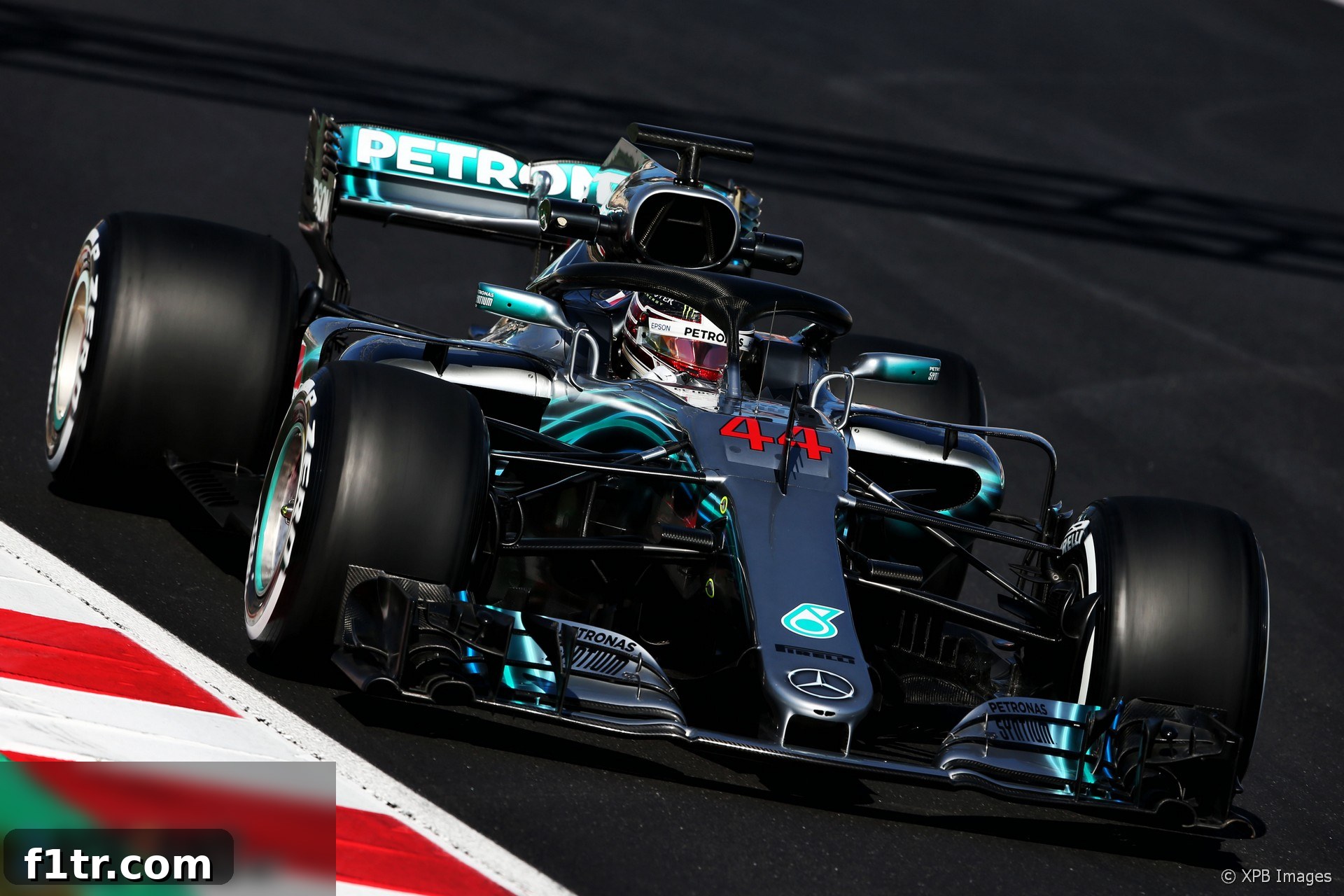
Welcome to our comprehensive F1 Round-Up, bringing you the latest insights, news, and social media buzz ahead of the much-anticipated Spanish Grand Prix. This weekend, all eyes are on the Circuit de Catalunya, where Mercedes driver Lewis Hamilton is expressing optimism that the newly resurfaced track will pave the way for more exhilarating and competitive racing action. The changes at this iconic circuit are a key talking point, potentially shaking up the pecking order and offering fresh challenges for teams and drivers alike as the championship battle intensifies.
Insights from the Paddock: Lewis Hamilton on Circuit de Catalunya’s New Surface
The Circuit de Catalunya, a familiar proving ground for Formula 1 teams, has undergone significant changes with a complete resurfacing. While Hamilton initially voiced concerns about the new asphalt during pre-season testing, he now believes these alterations could genuinely enhance the racing spectacle. His perspective offers a fascinating glimpse into the nuanced world of F1 track dynamics and their impact on performance and strategy.
“The new asphalt here is quite unique – it’s very closed, exceptionally smooth, and has a noticeable sheen. My initial experience during testing revealed some challenges, particularly with tyre blistering. It was quite difficult to generate and maintain optimal tyre temperature at first. However, during our race simulation runs in testing, we observed similar blistering patterns to what we might expect, even though the overall pace was considerably faster on this new surface. We still encountered the typical tyre wear we’d anticipate, but the increased grip meant lap times were significantly quicker.”
“Looking ahead to this race weekend, I anticipate the race itself will be run at a much higher average speed. I also believe the track conditions have evolved somewhat since our pre-season testing. Tracks naturally change with continuous use, varying weather conditions, and the passage of time – especially with rain in the interim period. This evolution is constant, and I expect it to continue throughout the weekend, influencing grip levels and overall performance.”
“From a track-grip perspective, this evolution could potentially lead to better, more exciting racing. The mechanical grip appears to be improved, which is crucial. When drivers can lean harder on the tyres through corners without losing traction due to an overly abrasive or inconsistent surface, it opens up more possibilities for close-quarters battling and daring overtakes. It allows for a more direct interaction between the car’s setup, the driver’s skill, and the track itself, moving beyond reliance purely on aerodynamic grip in some sections. This newfound mechanical grip could be a real game-changer for the Spanish Grand Prix, encouraging drivers to push harder and creating a more engaging spectacle for fans.”
Hamilton’s remarks highlight the delicate balance F1 teams face when adapting to track changes. The smooth, shiny surface, while fast, initially presented challenges in managing tyre temperatures and preventing blistering – a critical factor in endurance and strategy during a race. His revised outlook suggests that the track has ‘rubbered in’ or matured since testing, offering a more predictable and grippier surface. This improvement in mechanical grip is often heralded by drivers as a prerequisite for better racing, as it allows for more aggressive driving and reduces the dependence on complex aerodynamic solutions that can make following another car difficult. The Spanish Grand Prix has historically been challenging for overtaking, making any improvement in track characteristics that promotes closer racing a welcome development for fans and competitors alike. This evolution underscores the dynamic nature of Formula 1, where every element, from track surface to tyre compound, plays a pivotal role in the drama of race weekend.
Advert | Become a RaceFans supporter andgo ad-free
Social Media Highlights: The Paddock’s Digital Pulse
Social media continues to be an indispensable window into the vibrant world of Formula 1 and its feeder series, offering candid moments, technical insights, and fan engagement. Here’s a selection of notable posts capturing the mood and key discussions from Twitter and beyond:
First answer in @danielricciardo’s session today:
Q: How long did it take you to read through the rule book you have now?:
DR: I have a rule book? Oh, from Red Bull? I think they needed to give it to someone else. I don’t need it…
More from him: https://t.co/DnNZs2iJ23#F1
— RaceFans (@racefansdotnet) May 10, 2018
Daniel Ricciardo, always a fan favorite for his infectious personality and often humorous take on the serious world of F1, delivered a classic quip during a media session. When asked about the time it took to read his rule book from Red Bull, his playful dismissal – suggesting it should be given to someone else – perfectly encapsulates his carefree, instinct-driven driving style and his reputation for pushing boundaries. This lighthearted exchange offers a refreshing break from the intense pressures of the sport and reminds us of the individual characters that make F1 so engaging. It also subtly hints at the dynamic within Red Bull, known for nurturing raw talent and encouraging a certain level of audaciousness.
New clutch sensors and re-mapped engines will hopefully improve the launch issues that have plagued #f2 so far this season. This is the wheel of @GeorgeRussell63 pic.twitter.com/R3O59f1ZcQ
— Peter Windsor (@PeterDWindsor) May 10, 2018
From the technical side, Peter Windsor, a respected voice in motorsport, shed light on critical developments in Formula 2. The series had been grappling with persistent launch issues, which can significantly impact race outcomes and fairness. The introduction of new clutch sensors and re-mapped engines represents a concerted effort to rectify these problems, aiming to provide drivers like George Russell with more consistent and controllable starts. This technical adjustment is vital for the integrity of F2 racing, ensuring that talent and strategy, rather than mechanical lottery, dictate the early stages of a race. The focus on improving these fundamental aspects of the cars highlights the continuous pursuit of perfection even in the feeder categories.
Liberty/FOM engine note microphone pic.twitter.com/5aweT1zWPS
— Craig Scarborough (@ScarbsTech) May 10, 2018
Finally, motorsport technical expert Craig Scarborough offered a visual insight into how Liberty Media and FOM are working to enhance the sensory experience of F1. The image of a specialized engine note microphone underscores the sport’s ongoing efforts to recapture and amplify the visceral sound of Formula 1 cars. Ever since the V6 turbo-hybrid era, the engine sound has been a point of contention for some fans, who missed the screaming V8s and V10s of yesteryear. By strategically placing and engineering these microphones, F1 aims to deliver a richer, more authentic audio experience to television audiences, connecting them more deeply with the raw power and emotion of the sport. This seemingly small detail reflects a broader strategy to improve fan engagement across all media platforms.
- For more official F1 accounts to follow and stay updated, explore our comprehensive F1 Twitter Directory.
Essential Reading: Motor Racing Links of Interest
Beyond the immediate action, the world of motor racing is abuzz with discussions, strategic insights, and significant developments across various categories. Here’s a curated selection of links to deepen your understanding and keep you informed:
Raikkonen: Strongest F1 team doesn’t always win… (Crash)
Kimi Räikkönen, the “Iceman” known for his straightforward observations, shares a fundamental truth about Formula 1: raw pace isn’t the sole determinant of success. In his view, “I think it’s very close between the top three, so avoiding any mistakes and issues you can at least give yourself a better chance to be at the top in the end.” This statement resonates deeply with the unpredictable nature of F1, where reliability, strategic brilliance, pit stop execution, and driver consistency often tip the scales. It’s a reminder that championships are won not just by the fastest car, but by the team that makes the fewest errors over a long season, emphasizing the critical role of operational excellence and flawless execution alongside outright speed.
Question Time (BBC)
In a powerful and candid exchange on the BBC’s Question Time, Formula E CEO Alejandro Agag weighed in on the profound implications of Brexit, particularly the prospect of Britain leaving the EU customs union. His statement was stark: “It’s crazy not to have a full customs union. I started a company five years ago in the UK, I employ probably 120 people directly and 1,000 indirectly. We have made a plan to leave the UK in 24 hours (if Britain leaves the EU customs union). I will offer jobs to all my British employees, of course, in our new location in Europe, and we will go.” Agag’s comments highlight the real-world economic anxieties and logistical challenges faced by international businesses, including those deeply embedded in motorsport, regarding the future of trade and operations post-Brexit. His bold stance underscores the critical importance of a stable and predictable economic environment for innovation and investment within the racing industry.
Renault explains Red Bull engine ultimatum (Autosport)
The intricate and often tense relationship between engine suppliers and customer teams in Formula 1 was brought to the forefront by Renault’s firm stance regarding Red Bull Racing. Autosport reported on Renault’s “engine ultimatum,” where the French manufacturer clarified the strategic decision Red Bull needed to make. Renault stated, “The question they need to answer is whether they want to remain a factory team or a customer team of Renault. That’s not just a matter of one performance improvement in one race.” This statement goes beyond immediate performance gains, touching on the fundamental identity and long-term vision of a team. It highlights the inherent advantages and disadvantages of being a full factory-backed outfit versus a customer purchasing engines, including resource allocation, developmental priorities, and overall strategic alignment. Such ultimatums often precede major shifts in alliances, shaping the competitive landscape for seasons to come.
Crazy F1 Onboard Through the Streets of Italy (Mercedes via YouTube)
Experience the sheer adrenaline and precision of Formula 1 through the captivating “Crazy F1 Onboard Through the Streets of Italy” video, shared by Mercedes via YouTube. This footage offers a breathtaking perspective from within the cockpit, showcasing an F1 car navigating the narrow, winding streets of an Italian town. It’s a vivid demonstration of the incredible agility, raw power, and pinpoint control required to handle these machines in an unconventional setting, far removed from the wide-open spaces of a dedicated race track. The video brilliantly captures the immense speed and responsiveness of an F1 car, emphasizing the driver’s skill in managing complex inputs at breakneck pace, mere inches from ancient buildings and challenging urban architecture. It’s a promotional masterpiece that not only entertains but also underscores the engineering marvel that is a modern F1 car, connecting the sport with its rich European heritage and passionate fanbase.
We always endeavour to credit original sources and provide our readers with the most accurate and engaging content. If you have a tip for a link to feature in the next RaceFans round-up, or any other valuable insight from the world of motorsport, please don’t hesitate to send it in here:
- Contact RaceFans and share your findings with our community.
Comment of the Day: McLaren’s Bold Innovation
The paddock is always abuzz with technical innovations, and McLaren has certainly captured attention with its latest aerodynamic update. The team has revealed what many are calling a significant ‘nose job’ for their MCL33, showcasing a radical new design intended to unlock further performance.
This bold design choice has sparked considerable discussion among fans and experts alike, with one particular comment perfectly encapsulating the sentiment of many long-time McLaren aficionados:
“That’s more like the McLaren I know. Pushing boundaries and coming up with different and unusual concepts in pursuit of performance. That was why I became a McLaren fan in the first place.”
“Yes, it might turn out to be completely useless in the grand scheme of things, or it might not deliver the expected gains. But at least they’re trying again. This spirit of innovation, of daring to be different in a sport often characterized by convergent designs, is what defines McLaren’s legacy. It’s encouraging to see them revert to their roots of engineering boldness, even if it carries a risk. This pursuit of performance, through unconventional means if necessary, is what makes Formula 1 so captivating, and it reignites hope for the team’s future prospects on the track.”
— Nick
Nick’s comment highlights a core aspect of F1 fandom: loyalty often stems from a team’s ethos and willingness to innovate. McLaren, with its rich history of technical prowess and groundbreaking designs, has always been synonymous with pushing the envelope. After a challenging period, this new nose concept symbolizes a renewed commitment to that innovative spirit, offering a glimmer of hope for fans eager to see the team return to its competitive best. Whether this radical design delivers tangible results remains to be seen, but the intent behind it – the relentless pursuit of performance through novel solutions – is a powerful statement.
From the Forum: The Rise of F1 TV
Our dedicated community forum is a vibrant hub for discussing the latest F1 topics, and one subject that has generated significant buzz recently is the arrival of F1 TV. This new official streaming service promises to revolutionize how fans engage with the sport.
- F1 TV has arrived: What do you think of it?
The introduction of F1 TV marks a pivotal moment for Formula 1’s digital strategy, offering unprecedented access to live races, onboard cameras, team radios, and an extensive archive. This platform aims to provide a premium, immersive viewing experience, giving fans more control over how they consume the sport. Our forum discussion delves into all aspects of F1 TV, from its subscription models and technical performance to the quality of its content and the overall value it offers. Community members are sharing their initial impressions, troubleshooting tips, and engaging in lively debates about whether this service truly enhances the fan experience and shapes the future of F1 broadcasting. Join the conversation and share your thoughts on whether you’re signing up and what your expectations are for this exciting new venture.
Happy Birthday to Our Community Members!
We extend our warmest birthday wishes to two valued members of our RaceFans community today: 130R and Sushant008! We hope you both have a fantastic day filled with joy and perhaps some thrilling motorsport moments.
If you want a birthday shout-out on RaceFans and be celebrated by our passionate community, simply tell us when yours is via the contact form or by adding your date to our dedicated list here. We love celebrating with our readers!
On This Day in F1 History: Massa’s Istanbul Masterclass
- Exactly 10 years ago today, on May 11th, 2008, Felipe Massa solidified his reputation as an ‘Istanbul specialist’ by claiming his third consecutive victory at the challenging Istanbul Park circuit in Turkey. This remarkable achievement showcased Massa’s exceptional skill and affinity for the unique demands of the Turkish Grand Prix, a race that often tested the limits of drivers and machinery. His hat-trick of wins at the venue cemented his place in F1 history as one of the most dominant performers at a single circuit during that era, further highlighting the enduring legacy of a talented and resilient driver within the sport.
Recalling such historical moments enriches our appreciation for Formula 1’s storied past and the legendary drivers who shaped it. Massa’s consistent success at Istanbul is a testament to how certain tracks can perfectly align with a driver’s style, enabling them to extract peak performance year after year. As we look forward to the Spanish Grand Prix, it’s these echoes of past triumphs that remind us of the enduring allure of competition and the pursuit of greatness in motorsport.