Formula 1’s 2026 Grid: A First Look at the New Cars and Their Striking Liveries
The dawn of the 2026 Formula 1 season brings with it a wave of anticipation, not only for the seismic shifts in technical regulations but also for the unveiling of a fresh visual identity for the sport. With stringent new rules designed to usher in a more sustainable and exciting era of racing, all eyes have been on how teams would interpret these changes. This year’s grid showcases a dramatically altered aesthetic, further invigorated by the arrival of two exciting new competitors. As the sport moves into a new chapter, the liveries, much like the cars themselves, are a blend of tradition, innovation, and strategic branding.
One of the more discussed aspects leading up to the 2026 season was the tough new weight limit imposed on the cars. Initially, there were concerns that this might lead to less colourful, more utilitarian liveries, with teams opting for bare carbon fibre to save precious grams. However, the FIA introduced a new rule requiring teams to paint or apply stickers to a minimum area of their cars, ensuring a vibrant and diverse grid. This regulation has been a welcome relief for fans and designers alike, preserving the spectacle that vivid liveries bring to the track. Each year, the unveiling of the new cars is a moment of pure excitement, and while the ultimate measure of success lies in their performance on track, their initial visual impact is undeniable. We can certainly judge which car makes the strongest visual statement and which, perhaps, leaves us wanting more. Join us as we explore the aesthetic choices of the 11 teams for the 2026 Formula 1 season and invite you to cast your vote for the best and worst designs.
The Art of F1 Livery Design: Beyond Just Paint
Formula 1 liveries are far more than just paint on a chassis; they are the visual embodiment of a team’s identity, history, and commercial partnerships. In a sport where fractions of a second decide victory, every design choice is meticulously considered. The 2026 regulations, particularly the focus on weight reduction and sustainable materials, have pushed teams to innovate in their livery application methods. The challenge lies in balancing brand recognition, maximizing sponsor visibility, and adhering to strict weight limits. This year, we see a fascinating interplay of classic team colours, bold new directions, and clever integrations of sponsor logos, all while maintaining the aerodynamic purity of these cutting-edge machines. From heritage-rich schemes to audacious new palettes, each car tells a story, setting the stage for what promises to be a thrilling season.
A Deep Dive into the 2026 F1 Car Liveries
Let’s take a closer look at each of the 2026 Formula 1 contenders and their chosen aesthetics. This season presents a diverse palette, with some teams opting for continuity and refinement, while others have embraced radical changes reflecting new partnerships, philosophical shifts, or a desire to stand out.
McLaren
As the reigning world champions, McLaren continues to champion its now iconic combination of papaya orange and black. This livery has become synonymous with McLaren’s recent resurgence, evoking memories of their early successes while looking firmly towards the future. While the core colours remain, the sheer density of sponsors adorning the car means that splashes of other hues are visible, creating a dynamic, yet cohesive, visual identity. The integration of sponsor logos is artful, ensuring that the car maintains its distinctive papaya presence while showcasing its commercial partners.
Mercedes
Mercedes has once again presented an updated version of their sophisticated colour scheme, which skillfully blends traditional silver with modern black accents. The striking turquoise of their title sponsor, PETRONAS, is prominently featured, creating a distinctive and recognisable look. This evolution of their livery reflects a journey from the dominant ‘Silver Arrows’ to a more contemporary aesthetic that acknowledges their championship-winning black phase and current brand identity. The interplay of these colours gives the Mercedes car a sleek, high-tech appearance that embodies performance and precision.
Red Bull
Red Bull has made a notable departure from the matte finish that characterized their cars in recent years, reverting to a vibrant and bright blue. This shift is partly influenced by their new partnership with Ford, who are collaborating on power unit development. The brighter blue gives the car a refreshed, energetic feel, while maintaining the core Red Bull branding elements. The bold red bull graphic remains a central feature, ensuring the car is unmistakably Red Bull, but the transition to a glossy finish adds a new dimension of visual appeal and dynamic flair to their championship-winning package.
Ferrari
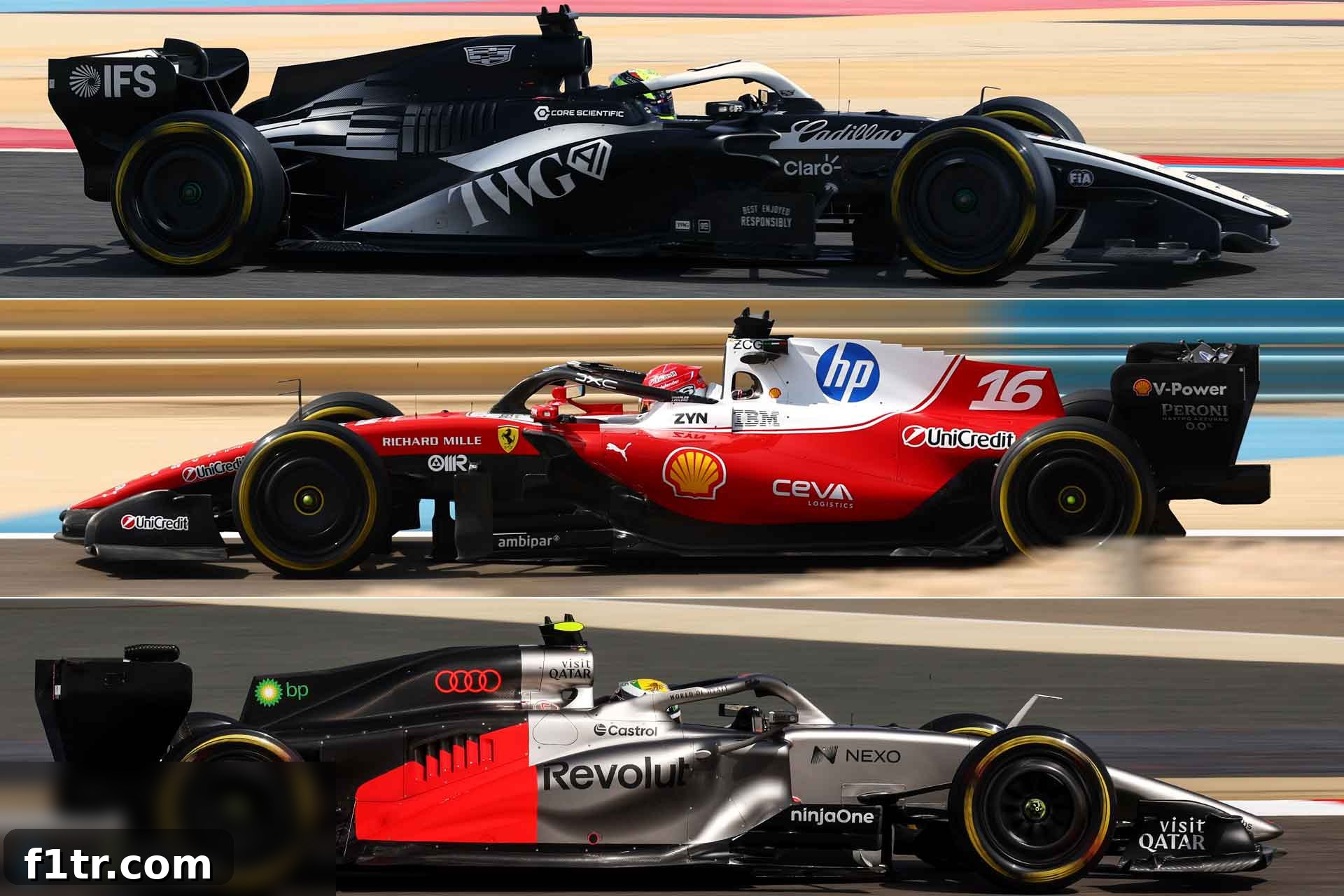
For Ferrari, the challenge has been to elegantly integrate the blue of their prominent title sponsor with their revered classic red livery. Recognising that blue might not be a natural complement to the iconic Rosso Corsa, Ferrari has thoughtfully incorporated more white into their 2026 design. This strategic use of white acts as a bridge, harmonising the different colours and creating a more balanced and sophisticated look. The result is a modern Ferrari livery that respects its heritage while embracing contemporary commercial realities, making for a distinctly Italian yet globally appealing aesthetic.
Williams
Williams, a team with a rich history, has introduced a paler blue hue for their 2026 challenger. This refreshed colour scheme comes on the heels of several new sponsor acquisitions during the off-season, which often influence livery design. The lighter blue gives the car a clean and contemporary feel, perhaps signifying a new chapter for the British squad. It’s a subtle yet effective update that allows new branding to integrate seamlessly, offering a fresh visual identity that stands out on the grid while maintaining a connection to their racing colours.
Racing Bulls
Racing Bulls, the team formerly known as AlphaTauri, has also embraced a significant increase in blue within their colour scheme for 2026. This move has led to a livery that, to many observers, resembles a ‘white Red Bull.’ The strong affiliation with its sister team, Red Bull Racing, is now more visually apparent than ever. The livery combines elements of purity and dynamism, aiming for a sleek yet powerful image on track. This design choice highlights the synergy within the Red Bull family while establishing a distinct identity for Racing Bulls as a competitive entity.
Aston Martin
The trend of incorporating blue extends to Aston Martin, where it features prominently on the rear wing of their tightly sculpted AMR26. While the iconic Aston Martin British Racing Green remains the dominant hue, the addition of blue introduces a modern contrast and signifies strategic partnerships. This subtle yet impactful accent showcases the team’s commitment to both its rich heritage and its forward-thinking approach to design and performance. The AMR26’s livery is a testament to sophisticated branding, where every colour choice contributes to a powerful overall impression.
Haas
Haas’s new technical collaboration with Toyota has profoundly influenced the American-owned team’s 2026 livery. They have adopted a design that pays homage to the Japanese manufacturer, integrating elements that reflect Toyota’s racing pedigree and brand identity. This strategic shift results in a livery that is both fresh and purposeful, moving away from previous colour schemes to embrace a new era of partnership. The design choice underscores the importance of technical alliances in Formula 1 and how they can shape a team’s visual presence.
Audi
As one of the two exciting newcomers to the 2026 grid, Audi makes a bold statement with its inaugural Formula 1 livery. The garish green previously associated with Sauber has been gracefully replaced by the more subdued, yet powerfully elegant, silver of Audi. This classic racing colour is complemented by a bright fluorescent flash, strategically placed alongside a distinctive sidepod design. The combination of classic motorsport silver with a modern, high-visibility accent perfectly encapsulates Audi’s blend of heritage, innovation, and ambition in its Formula 1 debut, promising a strong visual presence on track.
Alpine
In a season seemingly dominated by various shades of blue across the grid, Alpine has chosen a path less travelled, introducing more vibrant pink to their colour scheme this year. This strategic decision ensures that Alpine will undoubtedly stand out among its rivals. The striking pink, integrated with their signature Alpine blue, creates a dynamic and memorable livery that reflects the team’s distinctive brand identity and flair. This bold move is a testament to Alpine’s confidence and desire to make a strong visual impact, capturing attention both on and off the track.
Cadillac
Marking their eagerly awaited debut in Formula 1, newcomers Cadillac have unveiled an unmistakably American and incredibly distinctive split livery. Their car features a striking design, largely white on one side and contrasting black on the other. This bold, asymmetric approach immediately sets Cadillac apart from the rest of the grid. The black and white scheme, often associated with classic motorsport and high-performance vehicles, gives their first F1 car a powerful and sophisticated presence, embodying the brand’s luxury and racing aspirations. It’s a statement piece for their entry into the pinnacle of motorsport.
Your Voice: The Fan’s Perspective on 2026 F1 Aesthetics
With all 11 teams having revealed their 2026 challengers, the debate among fans about the best-looking and least impressive liveries is in full swing. The visual aspect of Formula 1 cars is a crucial element of fan engagement, sparking passionate discussions and strong opinions. Beyond the technical innovations and driver talent, the aesthetic appeal of a car can capture the imagination and loyalty of supporters worldwide. Which F1 team has truly hit the mark with their 2026 design, creating a car that is both beautiful and iconic? And conversely, which livery might be considered a missed opportunity or simply not to your taste? Your opinion matters! Below, we present the aggregated results from our community poll, offering a snapshot of fan sentiment immediately following the unveilings. We invite you to delve into these results, see how your favourites stack up, and join the conversation in the comments section to share your detailed thoughts and rationale behind your choices.
Which Formula 1 team has the best-looking car for the 2026 season?
- No opinion (2%)
- Cadillac (6%)
- Alpine (2%)
- Audi (15%)
- Haas (17%)
- Aston Martin (6%)
- Racing Bulls (5%)
- Williams (10%)
- Ferrari (9%)
- Red Bull (10%)
- Mercedes (9%)
- McLaren (9%)
Total Voters: 196
Which Formula 1 team has the worst-looking car for the 2026 season?
- No opinion (4%)
- Cadillac (23%)
- Alpine (15%)
- Audi (26%)
- Haas (3%)
- Aston Martin (3%)
- Racing Bulls (8%)
- Williams (2%)
- Ferrari (8%)
- Red Bull (3%)
- Mercedes (2%)
- McLaren (4%)
Total Voters: 192
To participate in our ongoing polls and share your picks for the best and worst F1 liveries, a RaceFans account is required. If you don’t have one, you can register here or learn more about the registration process. Once the poll closes, the final results will be displayed, offering a conclusive look at the fan community’s favourite and least favourite designs of the season.
A Legacy of Design: Past F1 Livery Winners
Looking back at the aesthetic evolution of Formula 1 cars provides a fascinating insight into changing design philosophies, technological advancements, and prevailing trends. Over the years, our community has consistently weighed in on which liveries truly captured their imagination. Below, we showcase the 16 previous winners of our annual “Best-Looking Car” poll. This historical gallery reveals a blend of iconic designs and surprising fan favourites, demonstrating the diverse preferences within the F1 fanbase. From the classic reds of Ferrari to the vibrant hues of newer contenders, each winning livery represents a moment in time where design, branding, and popular appeal converged. Reviewing these past champions offers a unique perspective on how F1 car aesthetics have evolved and what resonates most with fans across different eras.
NB: The 2020 poll was conducted before Mercedes and Williams changed their liveries.
Conclusion: The Visual Spectacle of Formula 1 2026
The 2026 Formula 1 season promises not only a technical revolution but also a visual feast for fans worldwide. The new regulations, coupled with the arrival of Cadillac and Audi, have infused the grid with an unprecedented level of excitement and design diversity. From McLaren’s enduring papaya and black to Cadillac’s audacious split livery, each team has crafted a visual identity that speaks volumes about their aspirations, partnerships, and racing spirit. While performance will ultimately dictate success, the battle of the liveries adds an invaluable layer of intrigue and personality to the sport. The careful balance between brand recognition, sponsor integration, and the mandated minimum paint area has resulted in a collection of cars that are both aesthetically pleasing and dynamically purposeful. As we gear up for the start of the season, these striking liveries serve as vibrant canvases, ready to etch their stories into the annals of Formula 1 history.
Related Debates & Polls
- What must Formula 1 fix with its new rules – and what should it leave unchanged?
- ADUO: Do F1 teams who fall behind deserve to get help to catch up?
- F1 is considering doubling its sprint races. Do you want more or fewer?
- Will this be a fight or a rout? 20 questions for the 2026 Formula 1 season
- Which Formula 1 team has the best-looking car – and the worst – for the 2026 season?
Browse all debates and polls