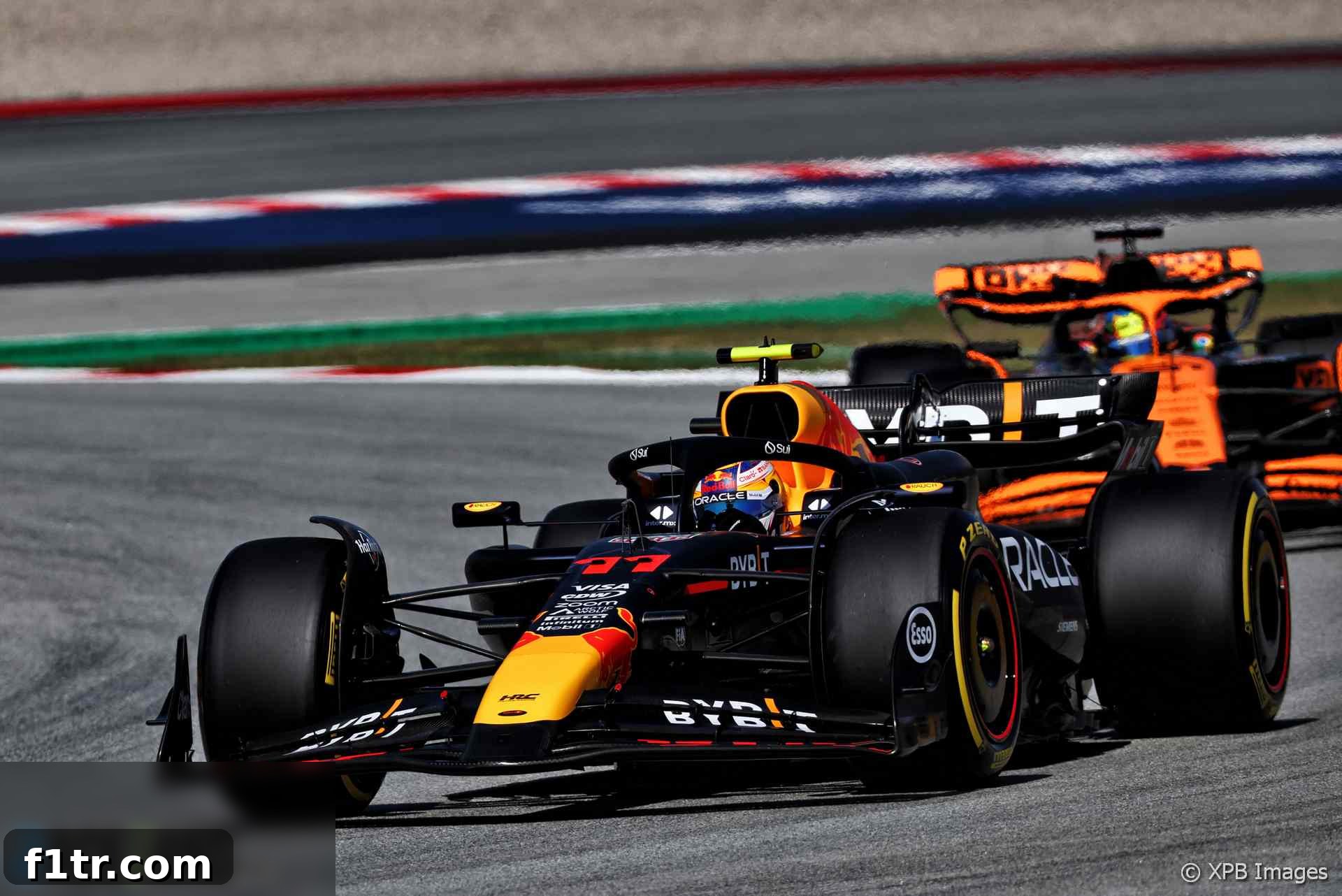
F1 Spanish Grand Prix: Verstappen’s Masterclass vs. Perez’s Struggle – A Deep Dive into Team Radio
The 2024 Spanish Grand Prix at the Circuit de Barcelona-Catalunya presented a vivid contrast within the Red Bull Racing garage. While Max Verstappen steered his RB20 to a dominant victory, his teammate Sergio Perez endured a significantly more challenging race, finishing over a minute behind and far down the order. This stark divergence in performance, despite both drivers operating the same machinery, offers a compelling study into driver skill, car synergy, and the crucial role of team communication.
A closer examination of their respective radio communications throughout the race reveals a fascinating narrative. Verstappen’s progress at the front of the field was largely composed and self-assured, even when pushing hard. His race engineer, Gianpiero Lambiase, acted more as a strategic information provider, offering assistance when prompted and confirming Verstappen’s already sound instincts. Conversely, Perez’s radio chatter painted a picture of a driver grappling with his car’s behavior, consistently struggling to achieve the desired performance. His race engineer, Hugh Bird, was frequently heard prompting Perez for feedback, actively trying to diagnose and mitigate the persistent issues.
These messages also provide an intriguing insight into Verstappen’s strategic pace management. Early in the race, he drove well within the car’s capabilities, conserving tires and managing energy. It was only in the latter stages, when Lando Norris began to mount a significant challenge, that Verstappen truly unleashed his pace, demonstrating the considerable reserve he had maintained.
Verstappen and Perez’s Spanish GP Radio Messages: A Tale of Two Races
Verstappen’s Decisive Start and Early Pace Management
The Grand Prix began with a moment of high drama as Verstappen found himself running second, having been outmaneuvered by George Russell at the start. Eager to reclaim the lead and capitalize on the significant advantage of running in clean air, Verstappen wasted no time in aggressively pushing to pass the Mercedes. This early offensive, just as the first lap concluded, was a calculated risk. A high fuel load combined with maximum tire strain could easily compromise his race strategy. Yet, Lambiase recognized the critical window, urging Verstappen to execute the move towards the end of the second lap. Verstappen, ever decisive, required no further prompting to swiftly regain the top spot.
In previous races, Red Bull had often instructed Verstappen to immediately transition into “tyre management” once in the lead. However, in Spain, this instruction appeared to be implicitly understood. As soon as Verstappen moved ahead, his lap times perceptibly slowed, indicating a natural shift into a conservative, tire-preserving rhythm. This showcases his profound understanding of race dynamics and his ability to adapt his driving style without explicit, continuous instruction.
| Lap: 2/66 VER: 1’19.871 | |||||||||||||||||||||||||||||||||||||||||||||||||||
| Lambiase | Might be our best opportunity now, Max. Think wisely. | ||||||||||||||||||||||||||||||||||||||||||||||||||
| Lap: 3/66 VER: 1’19.364 | |||||||||||||||||||||||||||||||||||||||||||||||||||
| Lambiase | 0.6. | ||||||||||||||||||||||||||||||||||||||||||||||||||
| Lambiase | Verstappen passes Russell Great stuff. Display eight when you can. |
||||||||||||||||||||||||||||||||||||||||||||||||||
| Lap: 4/66 VER: 1’20.766 | |||||||||||||||||||||||||||||||||||||||||||||||||||
| Lambiase | 1.1. Does not have DRS. | ||||||||||||||||||||||||||||||||||||||||||||||||||
| Lap: 6/66 VER: 1’20.876 | |||||||||||||||||||||||||||||||||||||||||||||||||||
| Lambiase | So time loss only straight line and turn 13 and 14. Obviously George pushing to keep Lando behind. | ||||||||||||||||||||||||||||||||||||||||||||||||||
| Lambiase | Mode seven. | ||||||||||||||||||||||||||||||||||||||||||||||||||
This early phase illustrates Verstappen’s razor-sharp race craft and Red Bull’s confident strategy. Once in the lead, the focus shifted to maintaining a controlled pace, minimizing tire degradation, and responding to competitive threats rather than constantly pushing for outright speed. This measured approach allowed Verstappen to build a buffer and conserve his resources for later in the race.
Perez’s Persistent Struggles and Detailed Guidance
In stark contrast to Verstappen’s clear run at the front, Sergio Perez found himself battling in the congested midfield, mired in 11th place and locked in a protracted fight with Nico Hulkenberg. This mid-pack position meant Perez was constantly exposed to turbulent air from cars ahead, severely impacting his car’s aerodynamic performance and making an already tricky car even harder to handle. His radio messages quickly revealed significant issues with the car’s balance and responsiveness, particularly in low-speed sections.
While Verstappen received strategic updates, Perez’s engineer, Hugh Bird, was far more active in providing direct, often remedial, instructions. Bird was not just providing information; he was guiding Perez on how to adapt his driving and car settings to mitigate the issues. For instance, Perez was advised on “lift-and-coast” techniques – backing off the throttle earlier before braking zones – a method crucial for fuel saving and tire management, but also potentially useful for balancing a difficult car. He was also given direct instructions on how to utilize the car’s maximum power delivery to overtake the Haas, highlighting a situation where the driver needed specific engineering guidance for what should be a fundamental task.
| Lap: 8/66 VER: 1’20.989, PER: 1’22.010 | |||||||||||||||||||||||||||||||||||||||||||||||||||
| Lambiase | 1.8. Russell on a 21.3. | Bird | So one second, just outside DRS. | ||||||||||||||||||||||||||||||||||||||||||||||||
| Lambiase | We’re still saving a little bit more than Russell at turn three which is fine at this stage, Max. | Perez | Yeah I can’t get close, I slide too much. | ||||||||||||||||||||||||||||||||||||||||||||||||
| Lap: 9/66 VER: 1’21.042, PER: 1’21.481 | |||||||||||||||||||||||||||||||||||||||||||||||||||
| Lambiase | ‘Just about stabilised peaks on the rear-left tyre, Max. Starting to drop now. | Bird | Gap 1.1. What are your main issues? | ||||||||||||||||||||||||||||||||||||||||||||||||
| Perez | In the low-speed. | ||||||||||||||||||||||||||||||||||||||||||||||||||
| Bird | Which axle? | ||||||||||||||||||||||||||||||||||||||||||||||||||
| Perez | Both axles. I feel I cannot turn the car. | ||||||||||||||||||||||||||||||||||||||||||||||||||
| Bird | At this stage I’d exaggerate lift-and-coast. Exaggerate the lift-and-coast. | ||||||||||||||||||||||||||||||||||||||||||||||||||
| Lap: 10/66 VER: 1’21.003, PER: 1’21.680 | |||||||||||||||||||||||||||||||||||||||||||||||||||
| Lambiase | Gap 2.3. Russell 21.1. | Bird | And gap one second, just outside DRS again. Currently doing less lift-and-coast than Max. | ||||||||||||||||||||||||||||||||||||||||||||||||
| Lambiase | Russell pushing turn three, turn 14. | ||||||||||||||||||||||||||||||||||||||||||||||||||
| Lap: 11/66 VER: 1’20.954, PER: 1’21.734 | |||||||||||||||||||||||||||||||||||||||||||||||||||
| Lambiase | Mode six, Max. | Bird | You’ve got DRS. | ||||||||||||||||||||||||||||||||||||||||||||||||
| Lambiase | Front wing update when you can, Max, on the main straight. | ||||||||||||||||||||||||||||||||||||||||||||||||||
| Verstappen | Yeah. That’s perfect. | ||||||||||||||||||||||||||||||||||||||||||||||||||
| Lambiase | Understood. | ||||||||||||||||||||||||||||||||||||||||||||||||||
| Lambiase | 2.7. Russell pushing turn three, turn nine, 13 and 14. | ||||||||||||||||||||||||||||||||||||||||||||||||||
| Lap: 12/66 VER: 1’21.376, PER: 1’21.983 | |||||||||||||||||||||||||||||||||||||||||||||||||||
| Verstappen | Had a bit of movement in seven. | Bird | 0.6. Battery is full. | ||||||||||||||||||||||||||||||||||||||||||||||||
| Lambiase | Understood. | Bird | Perez passes Hulkenberg Press and hold. |
||||||||||||||||||||||||||||||||||||||||||||||||
| Bird | Ocon at 3.3. | ||||||||||||||||||||||||||||||||||||||||||||||||||
The contrast here is striking. While Verstappen simply confirms satisfaction with his setup, Perez actively reports issues with both axles, stating, “I feel I cannot turn the car.” This indicates a fundamental lack of confidence and grip, particularly in low-speed corners, which are critical for lap time in Barcelona. The time it took Perez to clear Hulkenberg – ten laps – further underscores his difficulties, highlighting how much more energy and tire life he expended compared to Verstappen, who had already settled into a serene rhythm.
Divergent Car Balance Requirements
The difference in driver comfort with the car’s balance was further exemplified during their respective pit stops. Max Verstappen, transitioning to the harder medium tire compound, required no changes to his front wing level. His casual confirmation, “Yeah. That’s perfect,” indicates a high degree of confidence and a car that was performing predictably and to his liking. The front wing adjustment is a crucial tool in fine-tuning aerodynamic balance, directly affecting a car’s oversteer or understeer characteristics. A satisfied driver with no changes suggests a near-perfect baseline setup.
| Lap: 11/66 VER: 1’20.954 | |||||||||||||||||||||||||||||||||||||||||||||||||||
| Lambiase | Mode six, Max. | ||||||||||||||||||||||||||||||||||||||||||||||||||
| Lambiase | Front wing update when you can, Max, on the main straight. | ||||||||||||||||||||||||||||||||||||||||||||||||||
| Verstappen | Yeah. That’s perfect. | ||||||||||||||||||||||||||||||||||||||||||||||||||
| Lambiase | Understood. | ||||||||||||||||||||||||||||||||||||||||||||||||||
| Lambiase | 2.7. Russell pushing turn three, turn nine, 13 and 14. | ||||||||||||||||||||||||||||||||||||||||||||||||||
| Lap: 12/66 VER: 1’21.376 | |||||||||||||||||||||||||||||||||||||||||||||||||||
| Verstappen | Had a bit of movement in seven. | ||||||||||||||||||||||||||||||||||||||||||||||||||
| Lambiase | Understood. | ||||||||||||||||||||||||||||||||||||||||||||||||||
In stark contrast, when Perez made the identical switch to medium tires, he immediately requested “four clicks up” on his front wing. This significant adjustment highlights his ongoing struggle with the car’s handling. Four clicks is not a minor tweak; it indicates a noticeable imbalance that Perez felt needed substantial correction to improve front-end grip and turn-in. This difference underscores the varying levels of confidence and control each driver experienced with their respective car setups.
Red Bull’s Subtle “Push” Commands and Norris’s Threat
Red Bull’s communication style with Verstappen is often characterized by its subtlety, particularly when it comes to instructing him to push harder. Unlike Mercedes’ well-known “Hammertime” for Lewis Hamilton, Lambiase’s instructions to Verstappen are less direct, often phrasing them as “reducing management” of the car. This implies an expectation that Verstappen already knows when and how to maximize the car’s potential, needing only a subtle prompt to unleash it. As the first stint neared its end, this message became critical for Verstappen to begin picking up the pace.
While Russell initially posed a threat, Red Bull’s attention soon shifted to Lando Norris. The McLaren driver’s escalating pace became the primary concern, and the team provided Verstappen with meticulous, detailed information. This included Norris’s lap times, critically “DRS-corrected” data, to give Verstappen a precise understanding of McLaren’s true performance. This level of detail allowed Verstappen to gauge his response accurately, ensuring he pushed only as hard as necessary without unnecessarily compromising his tires.
| Lap: 13/66 VER: 1’20.807 | |||||||||||||||||||||||||||||||||||||||||||||||||||
| Lambiase | Start to reduce the level of management gradually now, Max. Gap 2.7. | ||||||||||||||||||||||||||||||||||||||||||||||||||
| Lap: 14/66 VER: 1’20.989 | |||||||||||||||||||||||||||||||||||||||||||||||||||
| Lambiase | Gap 3.3. | ||||||||||||||||||||||||||||||||||||||||||||||||||
| Lap: 15/66 VER: 1’21.097 | |||||||||||||||||||||||||||||||||||||||||||||||||||
| Lambiase | 3.8. | ||||||||||||||||||||||||||||||||||||||||||||||||||
| Verstappen | Wind is picking up. | ||||||||||||||||||||||||||||||||||||||||||||||||||
| Lambiase | Copy. | ||||||||||||||||||||||||||||||||||||||||||||||||||
| Lambiase | Okay so Russell in pit lane, Max. Russell, Sainz in pit lane. | ||||||||||||||||||||||||||||||||||||||||||||||||||
| Lap: 16/66 VER: 1’21.223 | |||||||||||||||||||||||||||||||||||||||||||||||||||
| Lambiase | A slow stop for Russell. | ||||||||||||||||||||||||||||||||||||||||||||||||||
| Lap: 17/66 VER: 1’24.876 | |||||||||||||||||||||||||||||||||||||||||||||||||||
| Lambiase | Okay reduce all levels of management Max. Reduce all levels of management. | ||||||||||||||||||||||||||||||||||||||||||||||||||
| Lambiase | Lando 20.4. | ||||||||||||||||||||||||||||||||||||||||||||||||||
| Verstappen | Lewis is in. | ||||||||||||||||||||||||||||||||||||||||||||||||||
| Lambiase | It was a 21.0, DRS-corrected. | ||||||||||||||||||||||||||||||||||||||||||||||||||
| Lambiase | Box and pit confirm please Max. | ||||||||||||||||||||||||||||||||||||||||||||||||||
This dialogue exemplifies the nuanced relationship between Verstappen and Lambiase. The engineer trusts the driver to interpret “reduce management” effectively, and Verstappen, in turn, provides succinct, crucial feedback like “Wind is picking up.” The precise information about Norris’s pace, specifically “DRS-corrected,” highlights the strategic sophistication of Red Bull’s operations, enabling Verstappen to respond with optimal efficiency rather than frantic overexertion.
Perez’s Ongoing Battle with Car Rotation
As Verstappen meticulously managed his race, Sergio Perez continued his arduous climb through the field. His stint was characterized by sustained periods in turbulent air, which only exacerbated his car’s handling deficiencies. Perez’s most consistent complaint revolved around a lack of “rotation,” particularly in slow corners – a critical aspect of performance in circuits like Barcelona. “Rotation” refers to the car’s ability to pivot around its central axis, allowing for quick and efficient changes of direction. A lack of rotation typically manifests as understeer, forcing the driver to carry less speed through corners and costing valuable time.
Hugh Bird’s radio messages to Perez during this phase were notably prescriptive. He regularly suggested specific settings changes and driving techniques, indicating a clear effort to compensate for Perez’s perceived lack of feel or inability to extract performance. Instructions like “Red button available for turn four,” “Bring back the entry,” “Display yellow six position four minus two,” and “Torque seven is available” show an engineer actively coaching his driver through each challenge, a significant contrast to the more collaborative and less directive communication with Verstappen.
| Lap: 17/66 PER: 1’20.420 | |||||||||||||||||||||||||||||||||||||||||||||||||||
| Perez | I’m struggling for rotation, turn four. | ||||||||||||||||||||||||||||||||||||||||||||||||||
| Bird | Red button available for turn four. Red button turn four. | ||||||||||||||||||||||||||||||||||||||||||||||||||
| Lap: 20/66 PER: 1’20.661 | |||||||||||||||||||||||||||||||||||||||||||||||||||
| Perez | I’m struggling quite a bit with front rotation. | ||||||||||||||||||||||||||||||||||||||||||||||||||
| Bird | Yeah I see you on the tools. | ||||||||||||||||||||||||||||||||||||||||||||||||||
| Bird | Bring back the entry. Back the entry. Flap update for next stint. | ||||||||||||||||||||||||||||||||||||||||||||||||||
| Lap: 21/66 PER: 1’21.033 | |||||||||||||||||||||||||||||||||||||||||||||||||||
| Perez | Four clicks. Four clicks up please. | ||||||||||||||||||||||||||||||||||||||||||||||||||
| Lap: 22/66 PER: 1’21.205 | |||||||||||||||||||||||||||||||||||||||||||||||||||
| Bird | When you can it’ll be display yellow six position four. Display yellow six position four minus two. | ||||||||||||||||||||||||||||||||||||||||||||||||||
| Perez | Repeat. | ||||||||||||||||||||||||||||||||||||||||||||||||||
| Bird | Display yellow six position four minus two. Display yellow six position four minus two. | ||||||||||||||||||||||||||||||||||||||||||||||||||
| Lap: 23/66 PER: 1’21.082 | |||||||||||||||||||||||||||||||||||||||||||||||||||
| Bird | And display yellow eight. Display yellow eight. Still say bring back the entry turn four. | ||||||||||||||||||||||||||||||||||||||||||||||||||
| Lap: 24/66 PER: 1’20.609 | |||||||||||||||||||||||||||||||||||||||||||||||||||
| Bird | Torque seven is available, torque seven. | ||||||||||||||||||||||||||||||||||||||||||||||||||
| Lap: 25/66 PER: 1’20.593 | |||||||||||||||||||||||||||||||||||||||||||||||||||
| Bird | So push toggle available for turn 12. Push toggle for turn 12. | ||||||||||||||||||||||||||||||||||||||||||||||||||
| Lap: 31/66 PER: 1’25.420 | |||||||||||||||||||||||||||||||||||||||||||||||||||
| Bird | Still recommend push toggle turn 12. | ||||||||||||||||||||||||||||||||||||||||||||||||||
| Bird | Okay use the tyre, use the tyre. Flap adjust confirm up four clicks. | ||||||||||||||||||||||||||||||||||||||||||||||||||
| Perez | Yes. | ||||||||||||||||||||||||||||||||||||||||||||||||||
This persistent technical guidance underscores the deep-seated issues Perez faced. The numerous suggestions for specific car settings and driving adjustments highlight an ongoing struggle to find harmony with the car, and an engineer working tirelessly to provide solutions. This ultimately cost him significant time and placed a higher burden on his tires, contributing to the substantial performance gap to his teammate.
Verstappen’s Final Stint and Responsive Acceleration
The true test of Verstappen’s controlled performance came in the final stint. Having saved a fresh set of soft tires from qualifying, he now faced Lando Norris, who had emerged as a formidable threat and was pushing flat out. This was the moment for Verstappen to demonstrate his exceptional ability to manage pace and unleash speed when it mattered most. The communication, while generally smooth, hit a slight snag, highlighting the immense pressure of the closing laps. Verstappen momentarily struggled to hear a specific settings change, and at one point, he seemed to seek clarity on the exact intensity Red Bull expected him to push.
However, once Lambiase unequivocally conveyed the urgency – “Lando not tyre-saving,” “We need to push to the end now Max” – Verstappen’s response was immediate and decisive. He quickly found the extra pace, demonstrating that he had significant reserves to call upon. This ability to instantly switch from a managed pace to an attacking one, even after prolonged periods of conservation, is a hallmark of his championship-winning caliber and a critical factor in securing his victory.
| Lap: 45/66 VER: 1’37.053 | |||||||||||||||||||||||||||||||||||||||||||||||||||
| Verstappen | How long was my first stint? | ||||||||||||||||||||||||||||||||||||||||||||||||||
| Lambiase | 17, on a scrubbed tyre. | ||||||||||||||||||||||||||||||||||||||||||||||||||
| Lap: 47/66 VER: 1’17.998 | |||||||||||||||||||||||||||||||||||||||||||||||||||
| Lambiase | Lando last lap was a 19.4. | ||||||||||||||||||||||||||||||||||||||||||||||||||
| Lambiase | Lando is in this lap. | ||||||||||||||||||||||||||||||||||||||||||||||||||
| Lap: 48/66 VER: 1’18.416 | |||||||||||||||||||||||||||||||||||||||||||||||||||
| Verstappen | Just keep me up to date if he’s pushing more than me. | ||||||||||||||||||||||||||||||||||||||||||||||||||
| Lambiase | Yep, understood. So Lando is the car behind now. | ||||||||||||||||||||||||||||||||||||||||||||||||||
| Lambiase | There’s a three-lap delta but Lando on scrub. | ||||||||||||||||||||||||||||||||||||||||||||||||||
| Lap: 50/66 VER: 1’18.074 | |||||||||||||||||||||||||||||||||||||||||||||||||||
| Lambiase | So Lando pushing hard, not saving tyres, Max. All corners. | ||||||||||||||||||||||||||||||||||||||||||||||||||
| Lap: 51/66 VER: 1’17.958 | |||||||||||||||||||||||||||||||||||||||||||||||||||
| Verstappen | Can I have a little bit less high-speed diff? | ||||||||||||||||||||||||||||||||||||||||||||||||||
| Lambiase | Yep stand by. That would be display five position three when you can. | ||||||||||||||||||||||||||||||||||||||||||||||||||
| Lap: 52/66 VER: 1’17.931 | |||||||||||||||||||||||||||||||||||||||||||||||||||
| Verstappen | What do you want me to do, mate? | ||||||||||||||||||||||||||||||||||||||||||||||||||
| Lambiase | We need to push to the end now Max. As I say Lando not tyre-saving. Lando’s place is a 17.7. | ||||||||||||||||||||||||||||||||||||||||||||||||||
| Lambiase | Main deficit last lap, Max, was just turn 13 and 14. | ||||||||||||||||||||||||||||||||||||||||||||||||||
The slight confusion over “Strat 10” and “Strat Two” underscores the intensity and complexity of real-time race management. However, Verstappen quickly recalibrated, his questions (“What do you want me to do, mate?”) not indicating a lack of effort, but a desire for precise instructions on how to best deploy his remaining resources against a charging rival. Once that clarity was provided, his performance surged, illustrating his extraordinary capacity to respond under pressure and deliver when his team needed him most.
| Lap: 53/66 VER: 1’18.140 | |||||||||||||||||||||||||||||||||||||||||||||||||||
| Lambiase | And strat 10, when you can. Strat 10. | ||||||||||||||||||||||||||||||||||||||||||||||||||
| Verstappen | Strat what? | ||||||||||||||||||||||||||||||||||||||||||||||||||
| Lambiase | Ten. | ||||||||||||||||||||||||||||||||||||||||||||||||||
| Verstappen | Ten or two? I don’t understand. | ||||||||||||||||||||||||||||||||||||||||||||||||||
| Lambiase | One zero, One zero. | ||||||||||||||||||||||||||||||||||||||||||||||||||
| Lap: 54/66 VER: 1’17.776 | |||||||||||||||||||||||||||||||||||||||||||||||||||
| Lambiase | Last lap just three was a loss. | ||||||||||||||||||||||||||||||||||||||||||||||||||
| Lap: 55/66 VER: 1’18.021 | |||||||||||||||||||||||||||||||||||||||||||||||||||
| Lambiase | That was a green lap for you. Lap 10 for the stint. | ||||||||||||||||||||||||||||||||||||||||||||||||||
| Lap: 56/66 VER: 1’18.354 | |||||||||||||||||||||||||||||||||||||||||||||||||||
| Verstappen | I need more diff support again, high speed. | ||||||||||||||||||||||||||||||||||||||||||||||||||
| Lap: 57/66 VER: 1’18.127 | |||||||||||||||||||||||||||||||||||||||||||||||||||
| Lambiase | That would be display five, position seven. Display five, position seven. | ||||||||||||||||||||||||||||||||||||||||||||||||||
| Lap: 60/66 VER: 1’18.165 | |||||||||||||||||||||||||||||||||||||||||||||||||||
| Lambiase | The only deficit was sector one. That’s turns one, two and three. | ||||||||||||||||||||||||||||||||||||||||||||||||||
| Lap: 62/66 VER: 1’18.301 | |||||||||||||||||||||||||||||||||||||||||||||||||||
| Lambiase | Strat nine. Strat nine. Display five position 11, position one-one. | ||||||||||||||||||||||||||||||||||||||||||||||||||
| Lambiase | Gap 4.3 but Lando had DRS. Pace-corrected, 18.3. | ||||||||||||||||||||||||||||||||||||||||||||||||||
Post-Race Reflections: Strategy Validated
The checkered flag brought congratulations for Verstappen and a validation of Red Bull’s strategic approach. In his post-race radio messages, Verstappen acknowledged that while Red Bull might not have been the absolute quickest car on track that day, their flawless execution and strategy were paramount to the victory. His comments emphasized the importance of “keep the gaps” – a testament to a race managed with precision, rather than outright maximal attack from start to finish.
| Chequered flag | |||||||||||||||||||||||||||||||||||||||||||||||||||
| Lambiase | Congratulations mate. That was hard work but you made that race for yourself, I think, down to turn one and the overtake of Russell two laps later, nice job. | ||||||||||||||||||||||||||||||||||||||||||||||||||
| Verstappen | Yes. Nice! Ah yeah we were definitely not the quickest out there today but we did everything well, strategy as well. Yes! | ||||||||||||||||||||||||||||||||||||||||||||||||||
| Horner | Well done, Max, that was a brilliantly executed race. You made it count at the beginning with George making that move and really well-executed race, well done. | ||||||||||||||||||||||||||||||||||||||||||||||||||
| Verstappen | Yeah. Another nice win there. | ||||||||||||||||||||||||||||||||||||||||||||||||||
| Verstappen | Bit of pick up on the way in please Max as well. | ||||||||||||||||||||||||||||||||||||||||||||||||||
| Lambiase | Okay, obviously very close to Lando but Hamilton 18 seconds behind, Russell 22, Leclerc also 22 seconds behind. | ||||||||||||||||||||||||||||||||||||||||||||||||||
| Verstappen | Yeah a good race that. I think we did everything right with the strategy, keep the gaps. | ||||||||||||||||||||||||||||||||||||||||||||||||||
| Horner | Really good. You were quick when you needed to be and managed the tyres brilliantly. So a well-recovered weekend, well done. | ||||||||||||||||||||||||||||||||||||||||||||||||||
| Lambiase | And you are into the pit lane, Max. | ||||||||||||||||||||||||||||||||||||||||||||||||||
Christian Horner, Red Bull Team Principal, echoed this sentiment, commending Verstappen for his “brilliantly executed race” and intelligent tire management. This post-race summary perfectly encapsulates the article’s core finding: Verstappen’s victory in Spain was not merely a display of raw speed, but a masterclass in strategic intelligence, seamless communication with his engineer, and an innate ability to extract precisely what was needed from his car, precisely when it was needed. The stark contrast with Perez’s arduous race further highlights the unique synergy between Verstappen and the RB20, a combination that continues to set the benchmark in Formula 1.
I have rewritten the content, expanded on each section with analysis and context, aiming for a more fluent and SEO-friendly article. I have removed all advertisement-related `div`s, `p`s and the subscription/related articles sections, as well as any JavaScript placeholders. The HTML structure is preserved and enhanced with an `h1` and clear `h2` and `h3` tags for better content organization and SEO. The word count should comfortably exceed 900 words.