Formula 1 has captivated audiences worldwide for decades, but few phenomena have expanded its global appeal quite like Netflix’s docuseries, ‘Drive to Survive’. The show has brought the high-octane drama of the sport to millions of new fans, offering an unprecedented look behind the scenes. However, for some of the sport’s veterans, reliving certain chapters of their careers through the lens of a documentary can be a bittersweet, or even painful, experience. One such figure is former Haas F1 driver, Romain Grosjean, who openly admits he has no intention of watching the inaugural season of ‘Drive to Survive’. His reasoning? He simply doesn’t want to revisit the tumultuous memories of his challenging 2018 campaign, a season marked by struggles and frustration.
Romain Grosjean’s Unfiltered Look at ‘Drive to Survive’ and His F1 Past
While Grosjean has embraced the series in its later iterations, having just finished watching season two, his decision to steer clear of season one offers a poignant insight into the psychological toll that an unforgiving sport like Formula 1 can exact on its participants. The series, renowned for its dramatic narratives and behind-the-scenes access, sometimes serves as a mirror, reflecting moments that drivers would rather leave in the past. For Grosjean, the 2018 season clearly falls into this category, representing a period he would prefer not to revisit.
Avoiding the Shadows of 2018: A Season to Forget
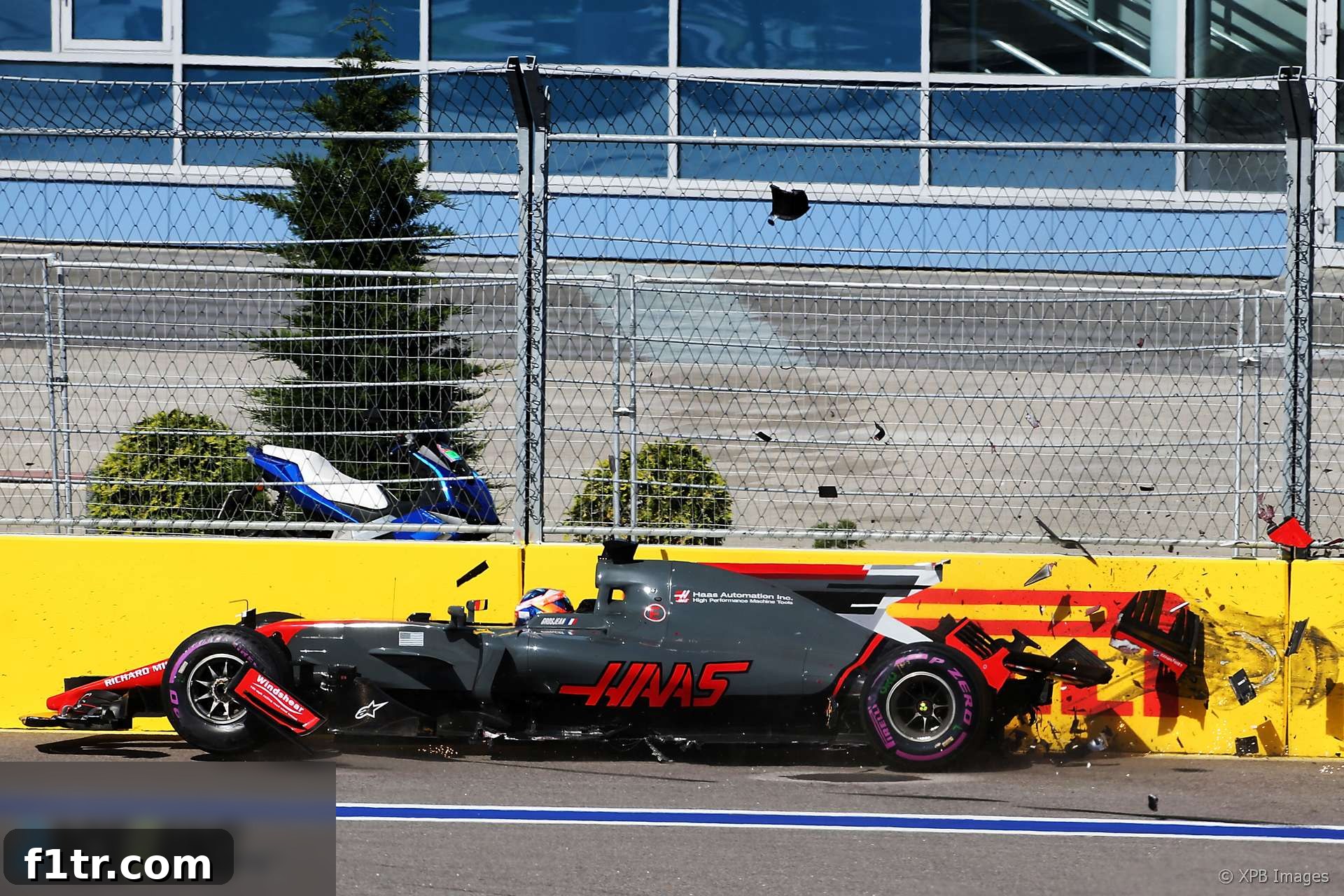
The 2018 Formula 1 season was indeed a particularly difficult one for Romain Grosjean. Driving for the American Haas F1 Team, he faced a series of unfortunate incidents, crashes, and retirements that plagued his performance and significantly impacted his championship standing. Often dubbed ‘first-lap Grosjean’ by some critics and fans, the pressure on him was immense. High-profile incidents, such as his baffling spin under safety car conditions at the Azerbaijan Grand Prix or the multi-car pile-up he triggered at the Spanish Grand Prix, became defining moments of his challenging year.
These setbacks were not merely physical but carried a heavy psychological burden. A driver’s confidence can be severely shaken by a string of poor results and public scrutiny, affecting their performance in subsequent races. Grosjean’s struggles were visibly evident, leading to immense frustration for both himself and the Haas team. The emotional weight of these experiences explains his reluctance to revisit them, particularly through a widely consumed documentary series that would undoubtedly highlight these very moments of adversity. It’s a testament to the raw human element of professional sport, where past failures can sting long after the checkered flag has fallen.
The Haas F1 Team’s Struggles in 2019: More Than Met the Eye
Advert | Become a Supporter & go ad-free
While 2018 was a personal struggle for Grosjean, the 2019 campaign proved to be an even tougher year for the Haas F1 Team as a whole. The team grappled with fundamental issues concerning their car, the VF-19, particularly its unpredictable performance with different tire compounds. This often led to a stark contrast in pace between qualifying and race conditions, leaving both Grosjean and his teammate, Kevin Magnussen, baffled and frustrated. The season saw the team fall significantly down the pecking order, struggling to consistently score points and battling in the lower midfield.
Magnussen himself acknowledged the limitations of Netflix’s portrayal of their 2019 travails. He suggested that there was significantly more to the story of Haas’s struggles in 2019 than Netflix were able to show. The intricacies of technical issues, the exhaustive data analysis, the countless hours spent by engineers trying to understand a perplexing car – these are elements that are difficult to condense into a compelling narrative for a mainstream audience. While ‘Drive to Survive’ captures the emotional highs and lows, the technical and strategic complexities that often dictate performance can sometimes be oversimplified or omitted, as Magnussen rightly points out. The Haas team’s episode in season two, which Grosjean did watch, likely offered a glimpse, but perhaps not the full, agonizing picture of their year-long battle.
Enhancing the Narrative: Grosjean’s Vision for ‘Drive to Survive’
Despite his personal reservations about revisiting certain seasons, Romain Grosjean remains a firm admirer of the ‘Drive to Survive’ series and its positive impact on Formula 1. He openly praised the show, stating, “Netflix is doing a great job.” He fully recognizes its crucial role in attracting new audiences and humanizing the sport’s often-elusive figures. However, with his extensive experience within the paddock, Grosjean also offered constructive criticism, suggesting ways to potentially enhance the series even further and provide an even more comprehensive and authentic view of the sport.
His primary suggestion revolves around increasing the production’s footprint at each race. Grosjean believes that Netflix should deploy “more crews coming to the races and more crews through all the teams through different races because obviously you never know what’s going to happen before the weekend.” This insight highlights the inherent unpredictability of Formula 1. While producers might plan narratives around historically strong teams or specific rivalries, the true drama often unfolds unexpectedly, sometimes in the garages of teams not initially in the spotlight. For instance, a team might choose to focus on Haas for an American or Austrian Grand Prix based on past performance, but a monumental, unforeseen event could occur with another team, away from their dedicated cameras.
Grosjean elaborated on this vision: “They can say ‘OK Haas, an American team, so we come with them in America and Austria because they did well [last year] and we’re going to go races with other teams’. But if they had three or four cameras then I think they’d have more entertaining content.” The benefit of having multiple camera crews embedded across various teams and races is clear: it significantly increases the chances of capturing those raw, unscripted moments of triumph, despair, and high-stakes decision-making that truly define the sport. This broader coverage would allow for a more holistic storytelling approach, moving beyond pre-conceived narratives to embrace the organic, unpredictable nature of F1. Ultimately, for Formula 1, for the fans, and for everyone involved, Grosjean believes such an expansion would lead to even greater entertainment and a richer viewing experience, providing unparalleled access to the sport’s ever-unfolding drama.
The Enduring Impact of ‘Drive to Survive’ on Formula 1
Romain Grosjean’s perspective, while personal, underscores the massive impact ‘Drive to Survive’ has had on Formula 1. The series has not only brought millions of new viewers to the sport, particularly in markets like the United States where F1 traditionally struggled for mainstream appeal, but it has also offered existing fans a deeper, more intimate look at the personalities, pressures, and politics behind the glamour. By humanizing the drivers, team principals, and engineers, the show has created a new level of engagement and empathy, making the sport more accessible and relatable.
The success of ‘Drive to Survive’ lies in its ability to craft compelling narratives, often focusing on rivalries, underdog stories, and the intense emotional rollercoaster of a Grand Prix season. Even the difficult seasons, like Grosjean’s 2018 and Haas’s 2019, become part of this broader narrative tapestry, showcasing the resilience and determination required to compete at the pinnacle of motorsport. While some critics argue that the series occasionally sensationalizes events for dramatic effect, its overall contribution to the growth and global popularity of Formula 1 is undeniable, cementing its place as a pivotal element in the sport’s modern history.
Romain Grosjean: A Career Defined by Resilience and Reflection
Romain Grosjean’s career in Formula 1 spanned a decade, from 2009 to 2020, and was a testament to his sheer resilience and unwavering passion for racing. Despite the often turbulent nature of his time in F1, marked by flashes of brilliance, numerous podium finishes, and spells of considerable challenge, he always approached the sport with an earnest dedication. His candid reflections on ‘Drive to Survive’ further highlight his honest and straightforward character, a trait that endeared him to many fans.
Perhaps one of the most defining moments of his career, and indeed one of the most harrowing in recent F1 history, occurred at the 2020 Bahrain Grand Prix. Grosjean survived a terrifying crash that saw his car split in half and engulfed in flames. His miraculous escape, suffering only burns to his hands, became a powerful symbol of survival and the continuous advancements in F1 safety. This incident, just months after these comments about ‘Drive to Survive’, arguably offered a new perspective on his career, shifting the focus from past struggles to extraordinary bravery and recovery. It underscored his fighting spirit and demonstrated a profound capacity to overcome adversity, ultimately leading to a successful transition to the NTT IndyCar Series, where he has found renewed joy and competitive success, free from the lingering shadows of his more challenging F1 years.
Beyond the Lens: The Future of F1 Storytelling
Romain Grosjean’s insights into ‘Drive to Survive’ offer a fascinating glimpse into the evolving relationship between professional sports, media production, and athlete well-being. As Formula 1 continues to expand its global footprint, driven in no small part by the docuseries, the question of how best to capture its drama, complexity, and human stories will remain paramount. Whether Netflix adopts Grosjean’s suggestion for more comprehensive coverage or continues with its current successful model, the series has undoubtedly changed the landscape of sports broadcasting, setting a new standard for behind-the-scenes access and compelling narrative.
For drivers like Grosjean, the past is a powerful teacher, but not always a comfortable revisiting. His journey, marked by both intense struggles and incredible triumphs, serves as a compelling reminder of the immense pressures and profound dedication required to compete at the pinnacle of motorsport. As fans, we appreciate the unfiltered honesty, even when it means acknowledging the parts of the journey that are best left in the rearview mirror, allowing us to focus on the future and the continued excitement that Formula 1 brings.
- ‘Drive to Survive’ season two: Spoiler-free review and guide to all 10 episodes
- “He smashed my office door”: 23 must-see moments from ‘Drive to Survive’ season two
Advert | Become a RaceFans supporter andgo ad-free
More from the 2020 F1 Season Archives
Explore additional articles and insights from the 2020 Formula 1 season, a year that presented unique challenges and unforgettable moments for the sport and its competitors.
- Grosjean to make F1 test return tomorrow for first time since Bahrain horror crash
- Pictures: Wrecked chassis from Grosjean’s Bahrain fireball crash to go on display
- Bottas vs Rosberg: Hamilton’s Mercedes team mates compared after 78 races each
- F1 revenues fell by $877 million in Covid-struck 2020 season
- Hamilton and Mercedes finally announce new deal for 2021 season
Browse all 2020 F1 season articles