Formula 1 Budget Cap Discussions Delayed Amidst Mounting Financial Pressure
The global health crisis has presented unprecedented challenges for sports worldwide, and Formula 1 is navigating one of the most significant economic downturns in its history. At a time when the motorsport calendar remains in limbo, crucial discussions concerning the sport’s financial future have hit a temporary roadblock. A highly anticipated meeting intended to address a significant reduction in Formula 1’s annual budget cap, originally scheduled to take place today, has been postponed. This delay underscores the complexity and sensitivity of decisions that will undoubtedly shape the landscape of F1 for years to come.
The Core of the Budget Cap Debate: A Path to Sustainability?
At the heart of these urgent negotiations lies a proposal to drastically cut the annual cost cap. The initial agreement aimed for a $175 million spending limit, designed to curb escalating expenditure and foster greater parity among teams. However, the current economic climate, exacerbated by the global pandemic, has prompted calls for an even more stringent reduction, with a revised figure of $125 million now on the table. This lower cap is championed by several smaller and mid-tier teams, who view it as an essential measure to safeguard their financial viability and ensure their long-term presence on the grid.
However, the path to a consensus is proving intricate. Ferrari, one of the sport’s most iconic and resource-rich teams, has tabled a counter-proposal: a two-tier budget cap system. Under this model, non-manufacturer teams would operate under a lower spending limit, effectively creating a stratified financial structure within the sport. This innovative, albeit controversial, suggestion reflects the differing operational costs and strategic priorities between teams that design and produce their own engines and chassis, and those that purchase powertrains from external suppliers.
Two-Tier vs. Single Cap: Weighing the Pros and Cons
Proponents of a single, lower cap argue that it would foster genuine competitive balance, allowing teams with more modest resources to challenge the traditional front-runners more effectively. They see it as a vital step towards ensuring the survival of the grid’s smaller outfits, many of whom face existential threats without significant financial restructuring. A unified, lower cap could democratise competition, potentially leading to more unpredictable races and a more engaging spectacle for fans.
Conversely, Ferrari’s two-tier proposal seeks to acknowledge the substantial research and development investment undertaken by manufacturer teams. Developing complex hybrid power units and bespoke chassis demands significant capital and expertise, costs that customer teams do not directly incur to the same extent. A two-tier system, from this perspective, would prevent manufacturers from being unfairly penalised for their extensive R&D commitments, potentially preserving technological innovation and the sport’s cutting-edge appeal. However, critics fear such a system could institutionalise a performance gap, making it even harder for customer teams to realistically compete for championships and potentially undermining the spirit of fair competition.
Reasons for the Delay and the Road Ahead
The postponement of this crucial budget cap meeting was not an indication of a breakdown in talks, but rather a reflection of the FIA’s commitment to thoroughness. RaceFans understands that the sport’s governing body wished to meticulously examine more detailed proposals submitted by several teams. This diligence highlights the gravity of the situation; any decision on the budget cap will have profound and lasting implications for every team on the grid, influencing everything from staffing levels and technological development to long-term strategic planning.
The revised meeting is now anticipated to take place next week, signalling an intensified period of negotiation and evaluation. The outcome of these discussions is eagerly awaited, as it will provide a clearer roadmap for Formula 1’s economic recovery and future competitive structure. The unity and collaboration among teams, the FIA, and Formula 1 management will be paramount in navigating these complex waters and forging a path forward that ensures the sport’s resilience and excitement for decades to come.
Immediate Economic Fallout: Teams Furloughing Staff
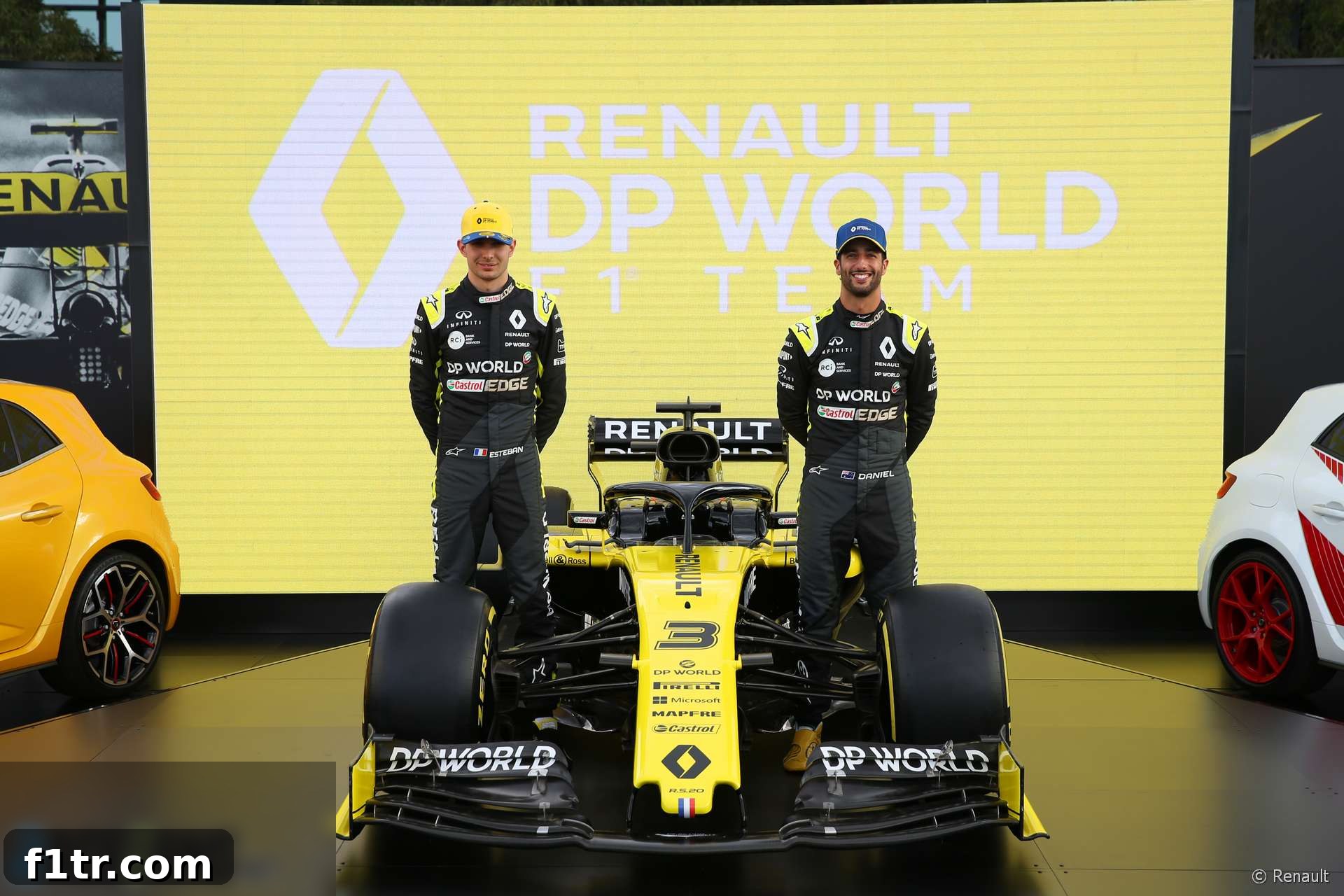
Even as these high-level financial discussions continue behind closed doors, the immediate economic repercussions of the global pandemic are already being felt acutely by Formula 1 teams. Renault has become the fourth UK-based Formula 1 team to announce that it is placing a significant portion of its staff on temporary leave, or furlough, during the ongoing hiatus. This decision follows similar moves by McLaren, Williams, and Racing Point, underscoring the widespread financial distress permeating the paddock.
These teams are leveraging the robust Job Retention Scheme offered by the British government, a measure designed to help businesses retain employees by subsidising wages during periods of economic downturn. For Formula 1 teams, whose revenues have plummeted due to the suspension of races and the associated loss of prize money, sponsorship income, and trackside revenue, this scheme offers a critical lifeline. It allows them to retain highly skilled personnel without incurring the full burden of salaries during a period of zero activity and drastically reduced income, thus preserving their workforce for when racing eventually resumes.
Global Impact and Leadership Perspective from Renault
The impact of the crisis extends beyond the UK-based operations. Renault’s engine manufacturing facility in Viry-Chatillon, France, has also implemented a part-time work schedule, effective from the beginning of this week. Both the UK chassis factory in Enstone and the French engine facility are rigorously observing the extended mandatory shutdown period for Formula 1 operations, a measure imposed by the FIA to ensure fair play and prevent teams from gaining an unfair development advantage during the enforced break. This coordinated global response highlights the interconnected nature of modern Formula 1 teams.
Speaking on the severity of the situation, Cyril Abiteboul, Managing Director of Renault Sport Racing, articulated the pervasive uncertainty facing the sport: “The very difficult human and sanitary circumstances that we are experiencing and the strict lockdown in France and England, as well as in most of the grand prix-organising countries, do not yet allow us to measure the impact on our sport.” Abiteboul’s statement powerfully encapsulates the unprecedented challenge confronting Formula 1. With racing circuits closed, international travel restricted, and public health remaining the paramount concern, the immediate future of the sport remains shrouded in ambiguity.
He further emphasised the need for proactive measures: “We therefore must use all the measures at our disposal to get through this prolonged period of uncertainty and inactivity as best as we can, while protecting the whole team we have built over the past four years.” This sentiment is echoed across the grid, as team principals and owners grapple with balancing economic survival against the long-term vision and competitive integrity of their respective organisations. Protecting highly skilled personnel, who represent years of accumulated expertise and investment, is a key priority for all teams, even as difficult decisions regarding salaries and working hours become unavoidable.
The Long-Term Vision for Formula 1’s Sustainability
The current crisis, while devastating, has also catalysed a critical re-evaluation of Formula 1’s economic model. For years, the escalating costs of competing at the pinnacle of motorsport have been a persistent concern, threatening the survival of smaller teams and creating a significant divide between the sport’s haves and have-nots. The proposed budget cap, regardless of its final figure or structure, represents a pivotal step towards a more sustainable and equitable future.
It is hoped that a more responsible financial framework will not only help teams weather the current storm but also ensure the long-term health and competitiveness of the grid. However, striking the right balance between aggressive cost-cutting and maintaining Formula 1’s status as a technological leader and a global entertainment spectacle is a delicate act. The sport thrives on innovation, speed, and the relentless pursuit of performance, all of which come with a significant price tag. The decisions being made now will define how Formula 1 balances these imperatives moving forward.
Looking Ahead: Restarting the Season and Beyond
As the world slowly begins to contemplate a return to normalcy, Formula 1 is also strategising for its eventual restart. Discussions are underway regarding revised calendars, potential ‘ghost races’ (events without spectators), and stringent health and safety protocols to ensure the well-being of all participants. Yet, the success of any revised season will depend heavily on the financial resilience of the teams and the unity of the sport’s stakeholders.
The decisions made in these budget cap meetings, therefore, extend far beyond mere accounting adjustments; they are fundamental to the very fabric of Formula 1’s future, determining who will be able to compete, how fiercely they can compete, and ultimately, whether the sport emerges from this crisis stronger and more sustainable than ever before. The coming weeks will be critical in charting this course, as Formula 1 seeks to navigate through its toughest challenge in modern history and pave the way for a thrilling return to racing.
Want to support independent Formula 1 journalism? Become a RaceFans supporter andgo ad-free.
2020 F1 season
- Grosjean to make F1 test return tomorrow for first time since Bahrain horror crash
- Pictures: Wrecked chassis from Grosjean’s Bahrain fireball crash to go on display
- Bottas vs Rosberg: Hamilton’s Mercedes team mates compared after 78 races each
- F1 revenues fell by $877 million in Covid-struck 2020 season
- Hamilton and Mercedes finally announce new deal for 2021 season
Browse all 2020 F1 season articles