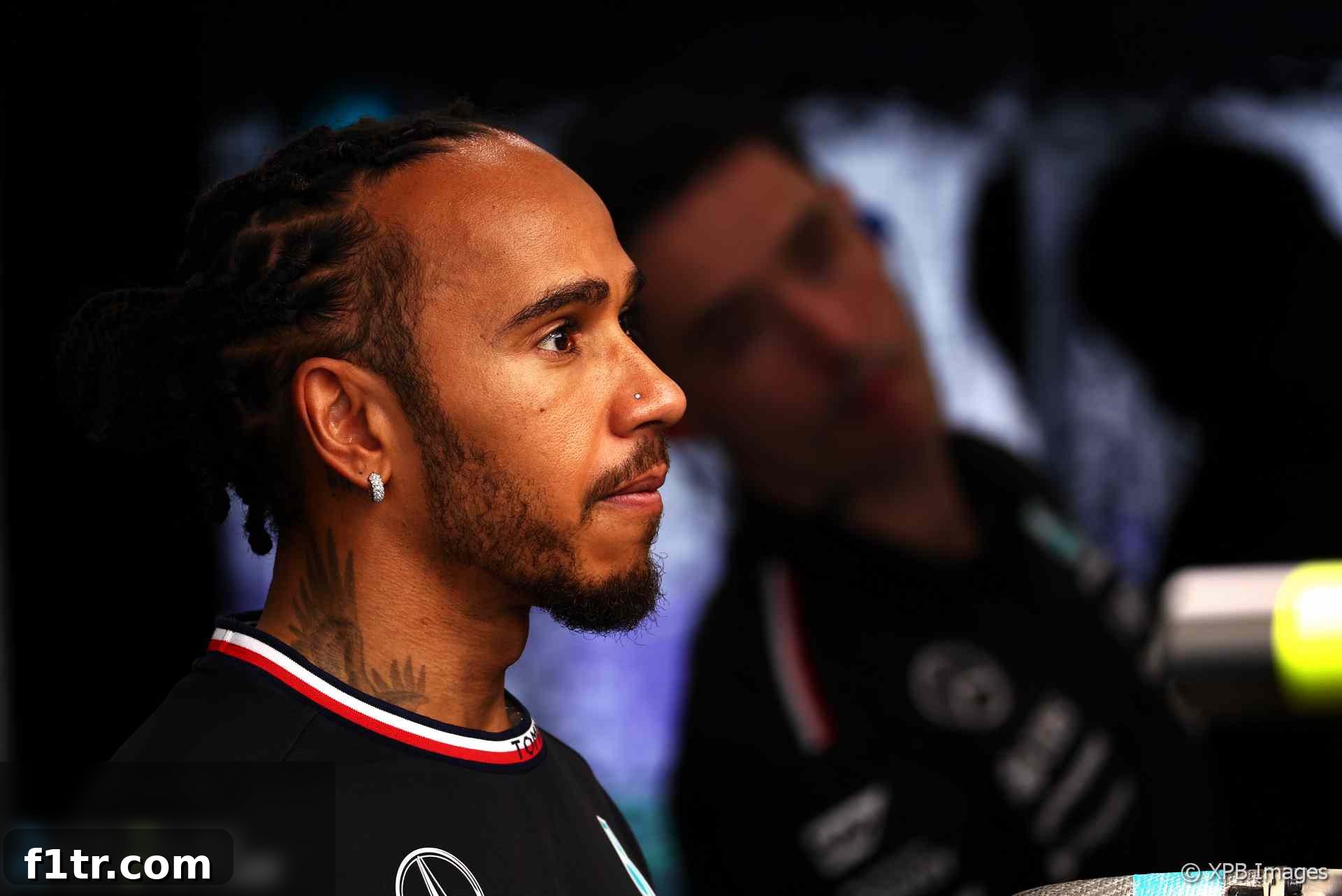
Lewis Hamilton Calls for Immediate Ceasefire Amidst Israel-Gaza Crisis
Formula 1 superstar Lewis Hamilton has leveraged his immense global platform to join the chorus of voices advocating for an immediate ceasefire in the devastating Israel-Gaza conflict. His impassioned plea underscores the growing humanitarian concern among public figures and athletes worldwide, urging an end to the violence that has gripped the region for months.
The Escalating Humanitarian Crisis in Gaza
The current conflict intensified dramatically in October following a brutal attack by Hamas militants on Israel. This unprecedented assault saw gunmen cross into Israeli territory, resulting in the tragic deaths of approximately 1,200 people and the abduction of around 250 individuals, marking the deadliest single attack in Israel’s history.
In response, Israel initiated a comprehensive military offensive in Gaza, which has led to a catastrophic humanitarian crisis. Reports indicate that over 28,000 people have been killed in Gaza so far, a staggering figure that continues to rise. The military actions have also caused widespread displacement, forcing a significant portion of Gaza’s 2.2 million inhabitants from their homes. Essential infrastructure, including residential areas, hospitals, and schools, has suffered immense devastation, leaving the besieged strip on the brink of collapse.
The United States, among other international bodies, has highlighted the dire situation, warning that Gaza’s entire population is at severe risk of “acute food insecurity.” This alarming classification signifies a critical shortage of food, posing an imminent threat of widespread famine and disease among an already vulnerable population. Access to clean water, medical supplies, and shelter remains severely restricted, compounding the suffering of millions.
Lewis Hamilton’s Powerful Advocacy for Peace
With a staggering 36 million followers on Instagram alone, Lewis Hamilton commands one of the most influential social media presences in the world of sports. Recognizing the power of his voice, he made a direct and unequivocal call for an end to the violence and the immediate release of all hostages. His statement resonated deeply, particularly as it coincided with a period considered sacred by many in the region.
In a heartfelt message shared with his vast audience, Hamilton expressed profound solidarity: “Sending my love and support to all the people in Palestine who are spending this holy time facing danger, loss and heartbreak.” He emphasized the urgency of collective action, stating, “In a month that is sacred to so many in the region, we must keep calling for a permanent ceasefire and return of hostages so that families can be together and be free from the constant threat of destruction and violence.” His post concluded with the concise yet powerful demand: “Ceasefire now.”
Hamilton’s consistent history of advocating for social justice and humanitarian causes lends significant weight to his current stance. Throughout his illustrious career, he has been a vocal proponent for racial equality, LGBTQ+ rights, and environmental sustainability, consistently using his platform to champion marginalized communities and draw attention to pressing global issues. His call for a ceasefire aligns with this established pattern of activism, solidifying his role as not just a sporting icon, but a prominent global advocate for human rights and peace.
The FIA’s Stance on Political Statements by Drivers
The world of Formula 1, governed by the Fédération Internationale de l’Automobile (FIA), has recently grappled with the complex issue of political expression by its drivers. Since last year, the FIA has implemented regulations that restrict drivers from making political statements while actively participating in race weekends. This rule, designed to maintain the sporting neutrality of events, aims to prevent the politicization of the sport itself.
However, the FIA’s guidelines carefully distinguish between official race activities and drivers’ personal capacities. While formal declarations during podium ceremonies, press conferences, or on their racing gear during competition are subject to restrictions, drivers retain the freedom to express their opinions in interviews, in direct responses to questions, and crucially, on their personal social media channels. This nuance allows athletes like Hamilton to engage with critical global events without directly contravening the sport’s regulations during competitive periods. Hamilton’s statement, made through his personal Instagram account, falls squarely within the permissible boundaries set by the FIA, enabling him to speak out without fear of sanction.
The Dire Reality for Children: A Call to Action from Save the Children
Further amplifying the urgency of the humanitarian situation, Lewis Hamilton also shared a harrowing report from the international charity Save the Children. The organization, renowned for its work in protecting children’s rights globally, revealed a truly shocking statistic: one in three children under the age of two in Gaza are currently classified as “acutely malnourished” and are at a grave risk of death. This figure paints a grim picture of the catastrophic health crisis unfolding among the youngest and most vulnerable population group.
Acute malnutrition, especially in infants and toddlers, has devastating long-term consequences, hindering physical and cognitive development and severely compromising immune systems. The lack of adequate nutrition, coupled with limited access to clean water, sanitation, and medical care, creates a perfect storm for preventable diseases and fatalities. Save the Children’s report underscores the immediate need for sustained humanitarian aid, including food, medical supplies, and safe passage for relief workers, to avert further preventable deaths and mitigate the irreversible damage to an entire generation.
Formula 1 Community Rallies for Humanitarian Causes
The humanitarian appeal has also resonated with other prominent figures within the Formula 1 community. Australian driver Daniel Ricciardo, known for his charismatic personality and sportsmanship, has also stepped up to support Save the Children at the upcoming Australian Grand Prix. Demonstrating a tangible commitment to the cause, the RB driver will wear a specially designed helmet during the race, created by a fan as part of a charitable initiative.
Following the Grand Prix, this unique helmet will be auctioned to raise vital funds for Save the Children. Ricciardo’s initiative highlights how athletes can directly contribute to humanitarian efforts, using their visibility and passion to generate significant financial support for organizations working on the ground in crisis zones. Such acts of philanthropy within the F1 community emphasize a broader commitment to leveraging the sport’s global reach for positive social impact, channeling attention and resources towards those in desperate need.
The collective actions of Hamilton and Ricciardo exemplify the powerful role that athletes can play in global advocacy and philanthropy. By speaking out and initiating fundraising efforts, they not only draw crucial attention to overlooked crises but also inspire their vast fan bases to consider their own roles in contributing to a more just and peaceful world. Their engagement serves as a potent reminder that the pursuit of sporting excellence can, and often does, coexist with a profound commitment to humanitarian values.
The Broader Impact of Athlete Activism
The willingness of athletes like Lewis Hamilton to take principled stands on global humanitarian crises signifies a growing trend in public life. In an increasingly interconnected world, sports figures are no longer confined to their athletic arenas; their voices carry significant weight and can influence public discourse, shape opinions, and even pressure political leaders. Hamilton’s decision to speak out on the Israel-Gaza conflict is a testament to the evolving role of athletes as global citizens and advocates.
Such activism, while often praised, is not without its challenges. Athletes can face criticism, backlash, and even potential professional repercussions for venturing into politically sensitive territories. However, the immense moral imperative of crises like the one in Gaza often compels these influential figures to transcend perceived boundaries, choosing conscience over convenience. By doing so, they not only bring vital attention to urgent issues but also inspire millions of followers to engage more deeply with the world around them, fostering a greater sense of collective responsibility for human welfare.
A Continued Call for Peace and Support
Lewis Hamilton’s heartfelt call for a permanent ceasefire and the safe return of hostages underscores the urgent need for a cessation of hostilities in the Israel-Gaza region. His appeal, coupled with the dire reports from organizations like Save the Children and the philanthropic efforts of fellow drivers like Daniel Ricciardo, paints a clear picture of a crisis demanding immediate and sustained global attention.
As the international community continues to grapple with the complexities of this conflict, the voices of influential figures within sports serve as a powerful reminder of the human cost of violence and the universal desire for peace. The ongoing advocacy from the Formula 1 community highlights the crucial role that individuals can play in shining a light on humanitarian emergencies and rallying support for those most affected, offering a glimmer of hope amidst profound devastation.
Formula 1
- F1 returning to India soon after 2027 sounds like wishful thinking
- Verstappen loathes F1’s new generation of cars – but what do his rivals reckon?
- The ‘throwback weekend’ is back in fashion. But it’s a flawed concept – especially for F1
- Is Formula 1’s double race cancellation a blessing in disguise?
- Todt admits Schumacher crashed on purpose – but did it really cost him two titles?
Browse all Formula 1 articles