Red Bull’s Christian Horner on F1’s 2021 Regulations: A Cautious Embrace of Change
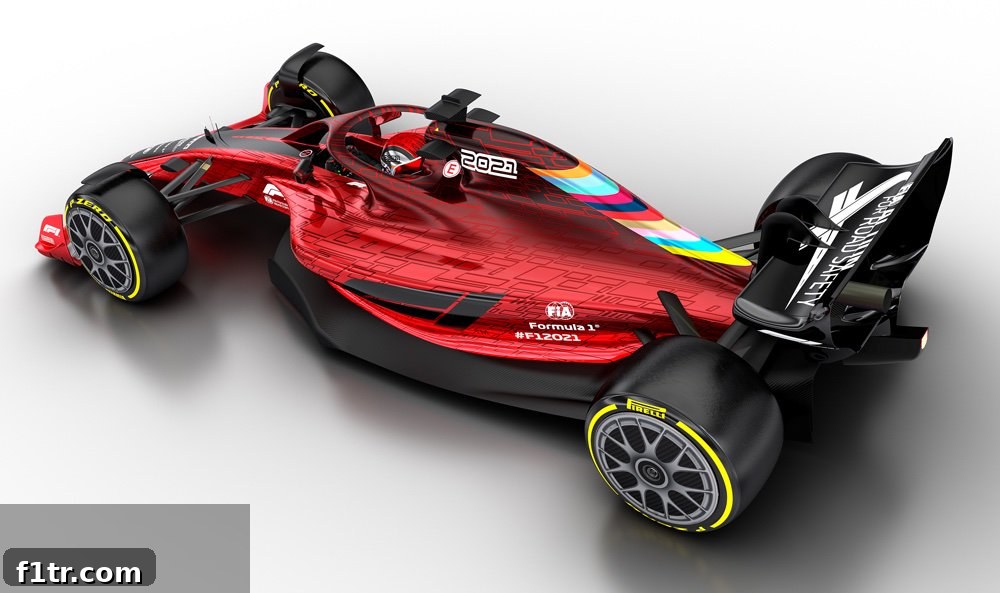
The world of Formula 1 is perpetually in motion, constantly evolving with technological advancements and regulatory shifts designed to enhance competition and spectacle. Among the most significant changes in recent memory were the sweeping 2021 F1 regulations, ratified unanimously by the FIA World Motor Sports Council. These rules aimed to usher in a new era of racing, characterized by closer on-track battles and a more level playing field. However, as with any radical transformation, the proposed changes were met with a blend of optimism and apprehension from teams and stakeholders.
Christian Horner, the long-serving Team Principal of Red Bull Racing, offered a typically candid and thoughtful assessment of these landmark regulations. While acknowledging the ambitious goals behind the rulebook overhaul, Horner’s comments highlighted a careful balance between endorsing the spirit of the changes and voicing legitimate concerns about their practical implications. His perspective, representing one of F1’s top-tier teams, provided valuable insight into the complex challenges and opportunities presented by the 2021 technical and sporting directives.
A New Era for Aerodynamics: The Quest for Closer Racing
At the heart of the 2021 regulations were radical revisions to car aerodynamics, primarily engineered to mitigate the disruptive “dirty air” effect that plagued previous generations of F1 machinery. The objective was clear: enable cars to follow each other more closely, thereby fostering more overtaking opportunities and ultimately, more thrilling races. The FIA and Formula 1 management invested heavily in research, focusing on ground effect aerodynamics and simplified front and rear wings to achieve this goal.
Horner expressed a clear endorsement for the fundamental concept driving these aerodynamic changes. “I think the concept is a good concept,” he stated, reflecting a general consensus within the paddock that the sport needed to address the limitations imposed by complex aero. He specifically lauded the effort to reduce the turbulent air generated by cars, which historically made it incredibly difficult for a following car to maintain optimal performance. “This high wake and trying to allow the drivers to follow closely I think is a good thing,” Horner emphasized, highlighting the potential for improved on-track action. The vision was to create a scenario where driver skill and car performance in close quarters would be amplified, rather than hindered by aerodynamic dependency. This shift aimed to put the racing back into the hands of the drivers, moving away from battles primarily decided by pit strategies or DRS zones alone.
The Weight Conundrum: A Heavy Price for Progress?
While praising the aerodynamic principles, Horner was quick to identify an aspect of the new regulations that generated considerable debate and concern: the significant increase in car weight. The 2021 cars were indeed heavier, a consequence of several factors including enhanced safety structures, standardized parts, and the larger 18-inch wheels, not to mention the ever-evolving hybrid power unit components. This trend towards heavier cars had already been a topic of discussion among drivers and engineers, with many lamenting the diminishing agility and raw sensation that lightweight machines once offered.
“The weight isn’t a good thing,” Horner admitted directly, echoing the sentiments of many drivers who felt the added mass detracted from the exhilarating experience of driving a Formula 1 car. “The cars are going to be heavier, we need to get that down.” The increase in weight has multiple implications, ranging from slower cornering speeds and increased tire degradation to a potentially less physical driving experience for the athletes. The heavier chassis demands more from the tires, which in turn can lead to more conservative driving styles to manage wear. While the primary goal was closer racing, the trade-off of increased weight raised questions about whether the overall driving challenge and spectacle would be unintentionally compromised. Horner’s call to “get that down” underscored the industry’s desire to find solutions that maintain safety and performance without making the cars feel ponderous.
The Financial Tightrope: Budget Caps and Development Spikes
Beyond the technical specifications, the 2021 regulations also marked a pivotal moment for Formula 1’s financial landscape with the introduction of a cost cap. Designed to promote greater financial sustainability and fairer competition, the budget cap aimed to curb the exorbitant spending that had long characterized the sport, particularly among the top teams. However, the timing of its implementation presented a unique strategic dilemma, a point Christian Horner was particularly vocal about.
Horner expressed significant concern that the delay in fully implementing the spending limits would lead to an uncapped “development war” in the preceding 2020 F1 season. Teams, knowing that strict budget constraints were imminent, would be incentivized to spend lavishly in 2020 to gain a head start on their 2021 car designs before the financial shackles were applied. “My preference would have been to delay the introduction of these years to ’22, take a little bit more time to evolve the concept, and then not have all development costs next year, which is uncapped,” Horner articulated. “So we’ve got a really expensive year next year before that regulation change comes in.” This concern highlighted the potential for a paradoxical effect where the very regulations designed to save money would, in the short term, trigger an unprecedented spending spree, putting smaller teams at a further disadvantage and stretching the resources of even the largest outfits. The strategic foresight required to navigate this financial tightrope meant meticulously planning where every dollar would be spent in an uncapped environment to maximize competitive advantage once the cap came into force.
The 18-Inch Wheel Debate: Aesthetics vs. Engineering
Another prominent feature of the 2021 regulation changes was the mandated switch from the traditional 13-inch wheels to larger 18-inch wheels, a move that brought Formula 1 closer to the visual and technological standards of road car development. This change was not merely aesthetic; it carried significant technical implications for tire design, suspension setup, and vehicle dynamics. While visually striking, the transition was not universally embraced within the technical echelons of the sport.
Horner noted, “It’s visually different but between the technical guys it was quite unpopular.” The unpopularity stemmed from the complexities of adapting chassis and suspension systems to accommodate the larger, stiffer wheels with lower profile tires. Engineers faced the challenge of understanding new tire characteristics, which would behave differently under load and temperature, impacting everything from grip levels to ride quality. However, Horner acknowledged the compelling rationale behind the shift: “But obviously there’s reasoning for it, there’s commercial reasoning for it as well.” The commercial motivations included aligning F1 with mainstream automotive trends, making the technology more relevant to road car manufacturers, and satisfying the preferences of tire suppliers who saw greater marketing opportunities with larger wheel sizes. Ultimately, as Horner concluded, “So long as it delivers the closer racing, it’s the same for everyone.” This sentiment encapsulates the F1 philosophy that if a rule applies equally to all competitors, it’s a fair challenge, regardless of initial technical reservations.
Collective Effort for Evolution: Embracing the Future
Despite his reservations and critical observations regarding certain aspects of the 2021 rule changes, Christian Horner maintained a pragmatic and forward-looking stance. He recognized that while some elements might not perfectly “address the problems that they’re hoping to,” the overarching goal of improving the sport was paramount. This perspective highlighted the collaborative spirit often required in Formula 1, even amidst fierce competition.
“It’s important now that we try to work collectively for whatever areas do need a bit of tidying up that we work together to achieve that for the benefit of the sport,” Horner urged. This call for collective action underscores the dynamic nature of F1 regulations, which are rarely static and often undergo refinement based on real-world performance and feedback. He framed the changes as an inevitable part of the sport’s evolution, something to be met with adaptability rather than resistance. “Change can sometimes be scary but you’ve got to embrace it and that’s what it is,” Horner philosophized. Red Bull, known for its innovative engineering and competitive drive, was ready for the challenge. “We’ll fully embrace it. We’ve got some really clever technical brains that’ll be applying themselves to it as best we can.” This confidence in his team’s ability to interpret and excel within new frameworks is a hallmark of Red Bull Racing’s approach, transforming regulatory hurdles into competitive advantages.
Conclusion: A Nuanced Path Forward for Formula 1
Christian Horner’s comprehensive analysis of the 2021 F1 regulations painted a picture of cautious optimism. His insights reflect the delicate balance F1 constantly seeks between preserving its identity, fostering innovation, and enhancing the fan experience. While applauding the ambition behind the aerodynamic overhaul aimed at closer racing, he candidly pointed out the drawbacks of increased car weight and the strategic conundrum presented by the budget cap’s delayed full implementation. The transition to 18-inch wheels, despite initial technical skepticism, was also acknowledged as a commercially driven necessity that all teams must now adapt to.
Ultimately, Horner’s message was one of embracing inevitable change with a pragmatic mindset. The journey of Formula 1 is one of continuous evolution, and the 2021 regulations represented a monumental leap into a new era. For Red Bull Racing, and indeed for every team on the grid, the challenge lay not just in understanding the new rulebook but in creatively interpreting it to gain a competitive edge. As the sport moves forward, the collective effort to refine and optimize these regulations, as advocated by Horner, will be crucial in realizing the full potential of this transformative chapter in Formula 1 history, promising a future of intense competition and captivating motorsport for fans worldwide.