Silverstone Circuit’s Bold Offer: A Double Header, Even in Reverse, for the 2020 F1 Season
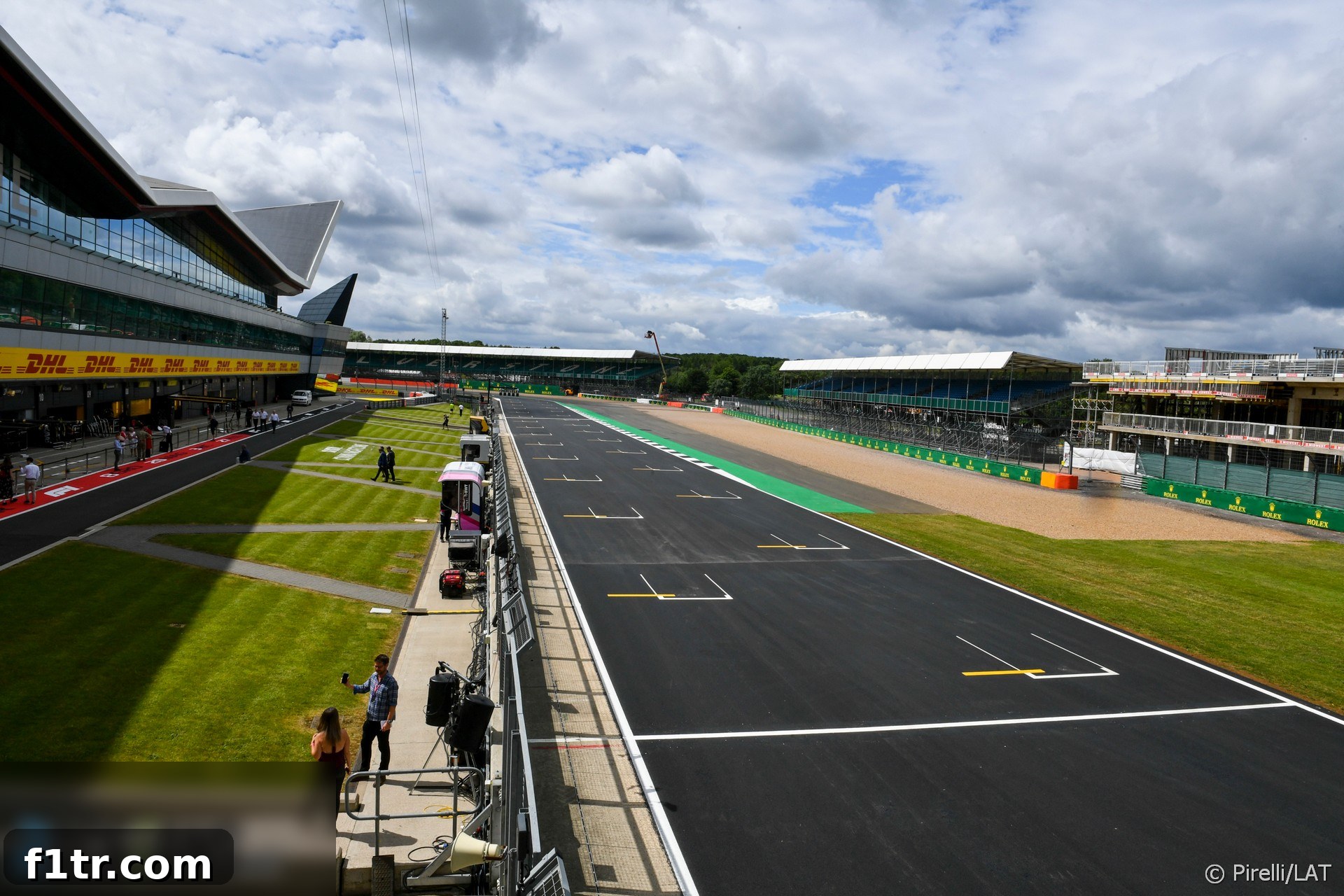
In an unprecedented era for global sports, Silverstone Circuit, the historic home of the British Grand Prix, has stepped forward with an extraordinary offer to help Formula 1 navigate the challenges posed by the worldwide pandemic. Stuart Pringle, managing director of Silverstone, has expressed the circuit’s profound willingness to host not just one, but potentially two rounds of the Formula 1 World Championship in 2020. This ambitious proposal includes the intriguing and almost unheard-of possibility of running one of these events in the reverse direction, showcasing a remarkable commitment to the sport’s resilience.
The global health crisis of 2020 cast a long shadow over the Formula 1 calendar, leading to the cancellation or postponement of numerous races and jeopardizing the very existence of a viable championship season. In this climate of uncertainty, the necessity to condense as many world championship races as possible into a revised schedule became paramount. Venues with established infrastructure, logistical advantages, and a strong partnership with F1 were naturally positioned to play a crucial role in salvaging the season.
The traditional British Grand Prix, a cornerstone event in the Formula 1 calendar, was initially slated for July 19th. With its fate hanging in the balance, race promoters at Silverstone indicated that a definitive decision would be made by the end of the month regarding its viability. However, even as this primary concern was being addressed, Pringle’s visionary approach pushed beyond a single event, exploring truly innovative solutions to aid F1.
Embracing the Unconventional: A Reverse Circuit Race?
The concept of holding a second Formula 1 event at Silverstone immediately following or preceding the main British Grand Prix is, in itself, a significant undertaking. Yet, it was Pringle’s musing on the idea of running one of these events on a reverse layout that truly captured attention. While initially sounding like a radical notion, he declared it “not such a silly thought” given the extraordinary circumstances. This willingness to explore unconventional avenues underlines the severity of the situation and the depth of Silverstone’s commitment to F1.
“We’re not licensed to run the other way, but these are extraordinary times, and I guess that extraordinary decisions are being made,” Pringle told Sky Sports. “So, nothing is off the table.” This statement reflects a pragmatic and adaptable mindset, acknowledging that traditional regulations might need to be re-evaluated or temporarily adjusted to meet the unique demands of the crisis. Reversing a circuit, even one as familiar as Silverstone, would present a myriad of technical and safety challenges. Every corner would effectively become a different beast, requiring new braking points, apexes, and track limits. Run-off areas, barrier placements, and marshal posts are all designed for a specific direction of travel, necessitating careful review and potential modification by the FIA to ensure driver safety.
Despite these complexities, the very consideration of a reverse layout highlights the desperate need for creative solutions to ensure a substantial championship. A reversed track would, in essence, provide a completely different racing experience, offering variety to both viewers and teams without the logistical headache and travel risks associated with moving to an entirely different venue. It’s a testament to the innovative spirit required to sustain top-tier motorsport amidst unprecedented global challenges. Pringle also astutely noted, “It’s difficult for Formula 1. They’re not just looking at what’s going on in Great Britain. They’re looking at what’s going on in the world and how their travel arrangements have to fit into any future schedule. It’s perhaps not such a crazy question.” This global perspective underscores the intricate web of challenges F1 faces, making localized, adaptable solutions like Silverstone’s offer even more valuable.
Races Behind Closed Doors: A Necessary Sacrifice?
Beyond the novel idea of a reverse circuit, another significant discussion point for the 2020 F1 season was the prospect of holding events ‘behind closed doors’ – without spectators. Many sports worldwide were grappling with similar considerations to ensure their seasons could commence or continue, albeit in a vastly altered format. For circuits like Silverstone, which rely heavily on ticket sales and hospitality for revenue, this was a difficult pill to swallow.
Pringle openly acknowledged the circuit’s reluctance to host races without the vibrant atmosphere created by thousands of passionate fans. “The thought of a race without [fans] would be rather odd,” he admitted. The roar of the crowd, the palpable excitement in the grandstands, and the energy of a packed race day are integral to the Formula 1 experience, both for spectators and competitors. Losing this element would undoubtedly diminish the spectacle. However, Pringle emphasized Silverstone’s unwavering commitment to the broader interests of Formula 1: “But I said to Formula 1 that we’ll work with you however to help you get a championship away and if we can help is required if it helps you get a championship [completed].”
This pragmatic stance reflects the understanding that in a crisis, extraordinary sacrifices must sometimes be made for the greater good. Hosting races without fans would significantly impact Silverstone’s revenue stream but would provide crucial dates for F1, allowing it to meet broadcasting commitments, appease sponsors, and maintain the integrity of its championship. The logistical challenges of such an event would also be immense, requiring strict health protocols, limited personnel access, and potentially a ‘biosphere’ environment to minimize infection risks. Despite the financial and atmospheric compromises, Silverstone’s willingness to host under these conditions underscored its vital role in supporting the sport during its darkest hour.
Silverstone’s Strategic Advantages for F1’s Revival
One of the most compelling advantages Silverstone offered during this critical period was its geographical location and established infrastructure, which positioned it as an ideal hub for F1’s restart. Unlike many other global venues, Silverstone is nestled within the UK’s “Motorsport Valley,” a region densely populated with Formula 1 teams and suppliers. This proximity presented a significant operational benefit for any race event.
“All I’ve done is say to Formula 1 we are willing to work with them in any way, shape or form that they think is in the best interests of the championship,” Pringle reiterated, emphasizing the deep collaborative spirit. He elaborated on the practical benefits: “The majority of the teams are within a stone’s throw of the circuit, so operationally it would be pretty straightforward.” Indeed, teams like Mercedes, Red Bull Racing, Aston Martin (then Racing Point), McLaren, Williams, and Alpine (then Renault) all have their headquarters within a relatively short drive of Silverstone. This minimizes international travel for a substantial portion of the F1 paddock, reducing logistical complexities, costs, and quarantine risks associated with crossing multiple borders.
Furthermore, Silverstone boasts a fixed, state-of-the-art infrastructure honed over decades of hosting premier motorsport events. This includes extensive pit and paddock facilities, media centers, medical facilities, and robust telecommunications networks. Crucially, the local workforce, including marshals, medical staff, and operational teams, are largely based in the surrounding areas. Pringle highlighted this practical benefit: “We’ve got the fixed infrastructure, the staff could go home to their own beds of an evening in large parts, so if that’s how we can help then I’d be delighted to do that.” This aspect significantly reduces the need for extensive accommodation and communal living arrangements, further mitigating health risks and streamlining operations in a pandemic-conscious environment.
The combination of these factors made Silverstone an exceptionally attractive proposition for Formula 1 during its darkest hour. The ability to host multiple races, reduce travel, leverage existing infrastructure, and utilize a local workforce provided a beacon of hope for salvaging a credible championship season. It underscored Silverstone’s unwavering commitment to its long-standing partnership with Formula 1 and its pivotal role in the sport’s ecosystem.
Video: Will F1 have to hold races without fans to start the 2020 season?
Further Insights into the 2020 F1 Season
- Grosjean to make F1 test return tomorrow for first time since Bahrain horror crash
- Pictures: Wrecked chassis from Grosjean’s Bahrain fireball crash to go on display
- Bottas vs Rosberg: Hamilton’s Mercedes team mates compared after 78 races each
- F1 revenues fell by $877 million in Covid-struck 2020 season
- Hamilton and Mercedes finally announce new deal for 2021 season
Browse all 2020 F1 season articles